No. A standard electric bug zapper is not an effective way to kill fleas or control a flea infestation. Although it may kill an occasional flea that comes into contact with its electric grid, it will not remove flea eggs, larvae, or pupae from your home.
In American homes, flea problems often begin when dogs or cats bring these tiny pests inside after spending time outdoors. Fleas can spread through carpets, pet beds, rugs, sofas, and other places where animals rest. When homeowners see insects jumping across the floor, they may reach for a familiar outdoor bug zapper. It seems like a simple fix, but fleas behave very differently from flying insects such as mosquitoes and moths.
A standard bug zapper uses ultraviolet light to attract certain flying insects. An electric grid then kills insects that touch it. Fleas are wingless insects that move by jumping, and adult fleas usually stay on animal hosts rather than flying toward bright lights. Their eggs, larvae, and pupae also hide in places where an ordinary electric zapper cannot reach them. For better results, focus on treating pets, cleaning the home, and interrupting the flea life cycle.
Source: storage.googleapis.com
Will a Bug Zapper Kill Fleas?
A bug zapper can kill a flea if the insect happens to touch its electrified grid. However, that does not mean the device attracts fleas or works as a reliable flea control method. Most standard electric zappers are made to attract flying insects with ultraviolet light.
Fleas do not fly. They have strong hind legs that help them jump from one place to another. Adult fleas usually stay on dogs, cats, and other animal hosts because they need blood to survive and reproduce. This behavior makes them poor targets for a typical hanging or wall-mounted bug zapper.
Even if a zapper kills a few adult fleas, the eggs, larvae, and pupae already hidden in your home will remain. New adults can emerge later and start feeding on pets again. Therefore, using an electric bug zapper alone will not solve a flea problem.
Source: storage.googleapis.com
Possible occasional kills
A flea that jumps onto an exposed electric grid could be killed, but this is accidental rather than dependable pest control.
Poor attraction
The ultraviolet light used by standard bug zappers is not a reliable way to attract fleas from carpets, furniture, or pets.
Incomplete control
The device does not remove flea eggs, larvae, or protected pupae from the places where they develop.
Better alternatives
Pet treatments, regular vacuuming, hot washing of bedding, and suitable indoor flea treatments address more parts of the flea life cycle.
Why Standard Bug Zappers Are Not Designed for Fleas
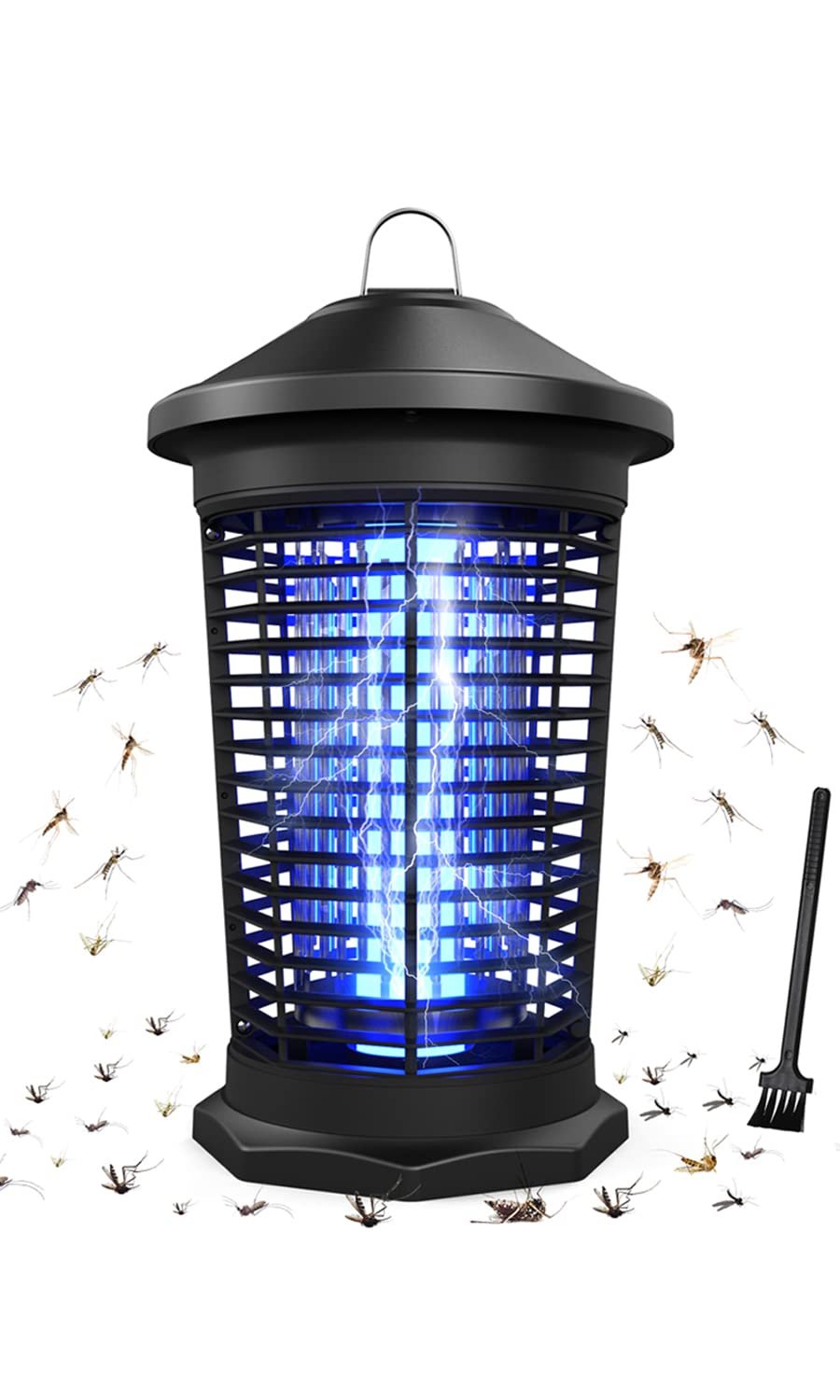
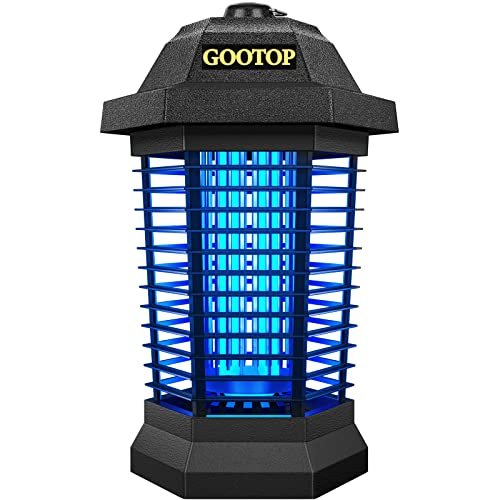
A standard bug zapper has an ultraviolet light source surrounded by an electric grid. Flying insects approach the light and may touch the grid. The electrical discharge then kills them. This system works only when an insect is attracted to the device and comes into contact with the grid.
Fleas have a different lifestyle. They jump rather than fly, and adult fleas usually remain close to their animal hosts. A flea living in a dog’s coat has little reason to leave the animal and move toward a light hanging across the room.
The main problem is not whether electricity can kill a flea. It is whether the device can attract and reach enough fleas to make a meaningful difference. A normal bug zapper cannot do that.
Why Fleas Behave Differently From Flying Insects
Fleas are small, wingless parasites that feed on blood. They have flattened bodies and powerful back legs that help them jump quickly through animal fur and across nearby surfaces. These features make them very different from the insects that standard bug zappers are designed to catch.
Adult fleas usually live on dogs, cats, and other animals. Female fleas lay eggs while living on their hosts, but the eggs are not sticky. They often fall into carpets, pet bedding, rugs, and cracks in floors. This means a large part of a flea infestation can exist away from the animal.
Flea larvae prefer dark, sheltered places. They may develop deep in carpet fibers, under furniture, or around pet sleeping areas. They later form protective cocoons during the pupal stage. A hanging electric zapper cannot reach these hidden stages.
The adult flea may be visible when it jumps across a floor, but the rest of the infestation can remain out of sight. This is why killing a few visible insects does not mean the problem is gone.
Source: blog.entomologist.net
Adult fleas
These are the blood-feeding stage. They usually stay on animals and can jump between nearby surfaces or hosts.
Flea eggs
Small eggs fall from animal fur and collect in places where pets sleep, walk, and rest.
Flea larvae
These tiny, worm-like insects avoid light and hide in dark areas. They feed on organic material and flea dirt.
Flea pupae
Pupae develop inside protective cocoons that help them survive unfavorable conditions and many treatments.
The Four Stages of the Flea Life Cycle
Fleas have four main life stages: egg, larva, pupa, and adult. Each stage has different needs and behaviors. Effective flea control must address more than the adult insects that you can see.
The egg stage begins when adult female fleas lay eggs on an animal. These eggs often fall into the surrounding environment. The larvae hatch and move into dark spaces, where they feed and develop.
Next, larvae form cocoons and become pupae. This stage is especially difficult to control because the cocoon protects the developing flea. When conditions are right and a potential host is nearby, an adult flea emerges and searches for a blood meal.
A bug zapper may kill an occasional emerged adult, but it does not stop the other stages from developing. This explains why fleas can keep appearing even when a zapper runs every night.
Can a Bug Zapper Attract Fleas With UV Light?
A standard UV bug zapper is not a dependable flea attractant. Its light is meant to draw certain flying insects toward an electric grid. Fleas respond to several environmental signals, including warmth, movement, vibrations, and cues linked to the presence of an animal host.
There is an important difference between a standard electric bug zapper and a purpose-built flea light trap. Some flea traps use a lamp placed above a shallow dish of soapy water. The light and warmth can attract some adult fleas that are moving through the area. When they jump toward the light, they may land in the water and drown.
The soapy water reduces the surface tension of the water, making it harder for trapped fleas to escape. This is a different trapping method from an electric grid. It also explains why some people see fleas in light traps but get poor results from ordinary outdoor bug zappers.
The University of Florida’s DIY insect trap guidance describes illuminated water-pan traps for collecting adult fleas. However, collecting fleas does not prove that a trap can eliminate a household infestation. These devices are better used for detection and monitoring than as a complete treatment.
Source: amazon.co.uk
Standard UV zapper
Uses ultraviolet light and an electric grid. It is not designed specifically to attract or capture fleas.
Flea light trap
Uses light and warmth above a sticky surface or soapy water to collect some moving adult fleas.
Electric insect trap
Kills insects that touch its electrical grid, but it does not treat hidden flea development sites.
Can Fleas See Light?
Fleas can respond to environmental signals, including light, warmth, and movement. However, this does not mean that every light source will attract them in large numbers. The type of light, its location, and the flea’s behavior all matter.
A light trap placed near a suspected flea activity area may collect some adults. A standard bug zapper placed high on a porch or in the center of a room is much less likely to intercept fleas that remain on pets or hide near floor level.
Do not confuse the ability to respond to light with a strong attraction to the UV lamps used in outdoor bug zappers. The two are not the same.
Do Flea Traps Work Better Than Bug Zappers?
A purpose-built flea trap can be more useful than a standard bug zapper when you want to detect adult fleas indoors. It uses a light source to attract some fleas and a sticky pad or shallow soapy water dish to catch them. The device collects insects without relying on a high-voltage electric grid.
Flea traps are most useful in rooms where pets spend a lot of time. For example, you might place one near a pet’s sleeping area to check whether adult fleas are active. If you collect fleas, that is a sign that the room needs further attention.
However, a flea trap cannot remove all eggs, larvae, and pupae from your home. It also cannot remove adult fleas living in your dog’s or cat’s fur. Think of it as a monitoring tool rather than a complete solution.
The University of Minnesota Extension explains that flea traps can help detect fleas but do not get rid of an infestation. This is a useful distinction when deciding whether to buy a trap or begin a more complete control plan.
Source: ninjachoice.blog
Sticky flea traps
These use a light source and adhesive pad to capture some adult fleas. Check and replace the pad according to the product instructions.
Water-based flea traps
These use light and a shallow dish of soapy water to catch adult fleas that jump toward the light.
Standard electric zappers
These are intended for other insect targets and are not a reliable substitute for a flea trap.
How to Use a Flea Trap for Monitoring
Choose a purpose-built indoor flea trap or a suitable light-and-water trap. Place it near a suspected activity area, such as a pet resting space, while keeping it out of reach of children and animals.
Check the trap regularly. If you find adult fleas, record where and when you caught them. This information can help you identify rooms that need more careful vacuuming and inspection.
Keep in mind that an empty trap does not prove that your home is flea-free. Fleas may remain on animals or in places the trap cannot reach. Continue checking pets and their bedding even when the trap catches nothing.
What Actually Works to Get Rid of Fleas?
The most effective way to control fleas is to treat the pets and their living environment at the same time. A single device cannot reach every stage of the flea life cycle. A combination of pet care, cleaning, and suitable home treatment is much more useful.
Start by checking all dogs and cats in your household. Use a flea comb to look for live fleas and flea dirt. Flea dirt looks like small dark specks and may turn reddish-brown when placed on a wet paper towel because it contains digested blood.
Next, clean the areas where pets spend time. Vacuum carpets, rugs, upholstered furniture, floor edges, and spaces under furniture. Wash pet bedding and other washable fabrics according to their care instructions.
Treat every household pet with an appropriate flea control product. Ask a veterinarian to help choose a product based on the animal’s species, age, weight, and health. Treating only one pet may allow fleas to continue spreading through the home.
For moderate or severe infestations, home treatment may also be needed. Choose products specifically labeled for indoor flea control and follow all safety instructions. If the problem continues, a licensed pest control professional can assess the home and recommend suitable treatment.
Source: inkl.com
Treat all pets
Use veterinarian-approved flea prevention or treatment for every suitable household animal. Never assume a product for dogs is safe for cats.
Vacuum frequently
Focus on carpets, rugs, furniture seams, floor cracks, baseboards, and places where pets rest. Empty the vacuum safely after cleaning.
Wash bedding
Wash pet blankets and other washable fabrics regularly. Use suitable hot-water and drying settings that the fabric can safely handle.
Consider home treatment
Use a properly labeled indoor flea product when needed. Follow its directions for application, ventilation, and keeping people and pets away.
Repeat and monitor
Continue cleaning and follow the treatment schedule. Some fleas may emerge from protected cocoons after the first treatment.
Step 1: Treat Your Pets First
Adult fleas usually spend most of their time on animals. If you clean the house but leave an infested pet untreated, new eggs can continue falling into the environment. This creates a cycle that makes the infestation difficult to stop.
Ask your veterinarian which flea product is suitable for your pet. Options may include oral medication, topical treatments, and certain flea collars. The right choice depends on the animal and the active ingredients in the product.
Never use a dog flea product on a cat unless its label specifically allows that use. Some ingredients used in dog products can be highly toxic to cats. Follow the exact weight and age restrictions on the label.
Step 2: Vacuum Carpets and Furniture
Vacuuming helps remove flea eggs, larvae, adult fleas, and the organic material that larvae use as food. It also disturbs carpet fibers and can encourage some developing fleas to emerge from their cocoons.
Move slowly across carpets and pay special attention to pet sleeping areas, sofa cushions, furniture edges, and floor gaps. Clean under beds and furniture where dust and pet hair may collect.
After vacuuming, empty the canister or dispose of the bag safely according to the manufacturer’s instructions. Seal disposable waste before placing it in an outdoor trash container. This helps prevent captured insects from returning to the home.
Step 3: Wash Pet Bedding and Fabrics
Pet beds, blankets, washable rugs, and fabric covers can hold flea eggs and other debris. Wash these items regularly using a suitable hot-water cycle when the fabric allows it.
Dry washable items fully using a safe drying setting. Heat and washing can help reduce flea stages in fabrics, but delicate materials may need a different cleaning method.
Do not forget the blankets and cushions that pets use on sofas or beds. Cleaning only the main pet bed may leave other important hiding places untreated.
Step 4: Treat Indoor Areas When Needed
Some infestations require a product designed for flea control in the home. These products may contain ingredients that kill adult fleas or insect growth regulators that interfere with the development of immature fleas.
Read the label before applying any pesticide. Confirm that it is approved for the intended indoor location and follow directions about people, pets, treated surfaces, and re-entry times.
Remove pets from treated areas when required. Never spray a product directly on an animal unless its label specifically identifies it as a treatment for that species. A professional can help if you are unsure which areas need treatment.
How Long Does It Take to Eliminate a Flea Infestation?
Flea control can take several weeks or even months, depending on how severe the infestation is and how well you interrupt the life cycle. Seeing an occasional flea after treatment does not always mean the treatment failed.
The main challenge is the pupal stage. Fleas develop inside protective cocoons that can remain hidden in carpets and other sheltered areas. These pupae may survive until conditions are suitable for adult fleas to emerge.
The Centers for Disease Control and Prevention explains that moderate to severe flea infestations can take months to control. Its guidance recommends sanitation, treatment of pets, treatment of the home when needed, and follow-up care.
Continue vacuuming and monitoring after the first treatment. Follow the product label and veterinary instructions rather than applying extra doses or mixing products to speed up the process.
Source: amazon.com
First few days
You may notice fewer active adult fleas after proper treatment and cleaning, but hidden stages can remain.
Following weeks
New adult fleas may emerge from cocoons. Continue cleaning and maintain the recommended pet treatment schedule.
Following months
More serious infestations may require ongoing monitoring and repeated control measures until the flea population is brought under control.
Why Do Fleas Keep Appearing After Treatment?
The most common reason is that some pupae survive the first round of treatment. Their protective cocoons can limit exposure to products that kill adult fleas. When new adults emerge, you may see them jumping on floors or pets.
Another possible reason is incomplete treatment. If one pet is left untreated, fleas can continue feeding and reproducing. Missing a pet bed, carpeted room, or favorite resting place can also leave part of the infestation untouched.
Check whether you followed the product schedule, treated all household pets, and cleaned the main resting areas. If fleas remain active despite consistent control, contact a veterinarian or licensed pest control professional.
Common Mistakes When Using Bug Zappers for Fleas
Many flea control mistakes happen because homeowners focus on the insects they can see instead of the places where the insects develop. A bug zapper may appear to work when it kills an occasional insect, but that does not show whether the flea population is declining.
The best approach is to use methods that address the actual source of the infestation. Avoid spending time and money on devices that do not target fleas or their hidden life stages.
Source: ninjachoice.blog
Relying only on a bug zapper
An ordinary electric zapper does not attract enough fleas or reach their hidden development sites. Use a complete flea control plan instead.
Ignoring pets
Fleas can continue feeding and laying eggs on untreated animals. Treat every household pet with an appropriate product.
Cleaning only once
One cleaning session cannot remove every flea stage. Continue vacuuming and washing bedding throughout the control period.
Expecting immediate elimination
Protected pupae may emerge after the first treatment. Follow the recommended schedule and monitor the home.
Using the wrong pesticide
Products made for outdoor flying insects may not be suitable for indoor flea control. Check the label and intended use.
Applying too much flea treatment
Extra pesticide does not guarantee faster results and can expose pets and people to harmful chemicals. Never exceed label directions.
Is It Safe to Use an Electric Bug Zapper Around Pets?
An electric bug zapper creates a high-voltage grid that can cause an electric shock if a person or animal touches an exposed part. Keep these devices away from pets, children, and areas where animals can reach or knock them over.
Some outdoor zappers also collect dead insects around the device. Keep pets from chewing or eating insect remains, especially when the insects may have been exposed to pesticides or other contaminants.
Most importantly, do not use a bug zapper as a substitute for proper flea prevention. A device that is safe to operate according to its instructions may still be ineffective for the pest you want to control.
Bug Zapper vs. Flea Trap vs. Other Flea Control Methods
Different flea control tools serve different purposes. A standard bug zapper targets certain flying insects, while a flea trap helps detect some adult fleas indoors. Vacuuming and washing remove insects and debris from the environment, and veterinary flea products target fleas living on pets.
The table below compares common methods by their main purpose. It is not a product performance test or a guarantee that one method will work in every home.
Source: inkl.com
Which Flea Control Method Should You Choose?
If you want to know whether fleas are active in a room, a purpose-built flea trap may help. If you want to reduce flea numbers, regular vacuuming and washing are more useful. If fleas are living on your pet, a suitable veterinary flea treatment is essential.
For a serious infestation, combine these methods and seek professional guidance when needed. No single trap or electrical device can replace a complete flea control plan.
Standard electric bug zapper
Best suited to certain flying insects. Not recommended as a primary flea control method.
Indoor flea light trap
Useful for collecting and monitoring some adult fleas. It does not remove hidden eggs, larvae, or pupae.
Vacuum cleaner
Helps remove flea stages and debris from carpets, floors, and furniture. Needs regular use.
Flea comb
Helps remove adult fleas and flea dirt from an animal’s coat. It does not provide lasting protection by itself.
Veterinary flea treatment
Targets fleas on pets and may help prevent further reproduction. The product must be suitable for the animal.
Professional pest control
Can help manage severe or persistent home infestations with suitable treatment and follow-up.
When Should You Call a Veterinarian or Pest Control Professional?
Contact a veterinarian if your pet has severe itching, hair loss, irritated skin, or signs of a possible flea-related illness. Young animals and pets with heavy infestations may need prompt care because blood loss can cause anemia in serious cases.
A veterinarian can identify the right flea treatment for your animal. This is especially important when you have both dogs and cats because some ingredients are safe for one species but dangerous for another.
Call a licensed pest control professional if fleas remain active despite proper pet treatment and regular cleaning. Professional help may be useful when fleas are present in several rooms, in difficult-to-clean areas, or around wildlife nesting sites.
If you find fleas but do not own pets, consider whether rodents or other wildlife have entered an attic, crawlspace, basement, or other sheltered area. A professional can help identify the source and recommend safe steps to prevent further activity.
Source: storage.googleapis.com
Severe pet symptoms
Seek veterinary advice for intense itching, open sores, unusual weakness, hair loss, or pale gums.
Persistent home infestation
Professional inspection may help locate hidden flea activity and determine whether additional treatment is needed.
Uncertain pesticide safety
Ask a veterinarian or qualified pest control professional before using a product around sensitive animals or children.
Possible wildlife source
Have potential rodent or wildlife entry points assessed rather than relying on a bug zapper to remove fleas.
What the Available Evidence Tells Us About Flea Traps and Bug Zappers
The evidence supports a clear difference between collecting adult fleas and controlling an infestation. University of Florida guidance describes light-and-water traps for collecting fleas, while University of Minnesota Extension states that flea traps help detect fleas but do not eliminate them.
The Centers for Disease Control and Prevention recommends a broader approach that includes cleaning, treating pets, treating the home when needed, and following up. The U.S. Environmental Protection Agency also recommends regular vacuuming, steam cleaning where appropriate, washing bedding, and using a flea comb.
The reviewed guidance does not establish that ordinary electric UV bug zappers can meaningfully reduce flea populations in homes. It would be inaccurate to claim that a zapper has been proven to eliminate fleas or prevent their return.
A useful distinction for readers is that a light-based flea trap may collect some adults, but a standard electric insect zapper is not a validated replacement for flea control. The most useful choice depends on whether you need detection, removal, prevention, or treatment of an existing infestation.
Source: blog.entomologist.net
Documented guidance
CDC, EPA, Cornell University, and university extension resources support treating animals and their environment while disrupting the flea life cycle.
Documented trap use
University of Florida guidance describes illuminated water-pan traps for collecting adult fleas.
Important limitation
Collecting a few adult fleas does not demonstrate complete household flea elimination.
Not established
There is no established basis in the reviewed guidance for claiming that a standard electric bug zapper controls a household flea infestation.
Useful Questions That Deserve More Attention
A common practical question is whether a light trap can confirm that a home has fleas. It can provide useful evidence when it catches adult fleas, but a negative result cannot rule out hidden flea activity.
Another important question is why fleas return after treatment. The answer involves protected pupae, untreated animals, missed resting areas, and the need for repeated cleaning and follow-up.
These distinctions matter because buying another electric zapper will not address the main reasons a flea infestation continues. Readers should focus on identifying the source and selecting methods that match each stage of the problem.
Frequently Asked Questions
Q
Can a bug zapper kill fleas on dogs and cats?
No. A standard bug zapper cannot reliably kill fleas living on dogs or cats. Adult fleas hide in animal fur and feed on blood. They do not normally leave their hosts to fly toward a UV light. Use an appropriate flea treatment recommended by your veterinarian instead.
Q
Will a UV light attract fleas?
Some adult fleas respond to light and warmth, but this does not mean that ordinary UV bug zappers attract them effectively. Purpose-built flea traps may use light and warmth to collect some moving adult fleas. Their main value is monitoring, not complete flea removal.
Q
Can an electric bug zapper kill flea eggs?
No. Flea eggs do not fly or jump toward an electric grid. They usually fall from animal fur and collect in carpets, bedding, rugs, and other areas. Regular vacuuming and washing suitable fabrics are more useful ways to remove eggs from the environment.
Q
Do flea traps kill all fleas in a house?
No. Flea traps may collect some adult fleas, but they cannot reach every flea or remove all eggs, larvae, and pupae. Use traps to monitor activity while treating pets, cleaning the home, and following an appropriate flea control plan.
Q
Can I make a homemade flea trap with a lamp and soapy water?
A light placed over a shallow dish of soapy water can collect some adult fleas. University of Florida guidance describes this type of illuminated pan trap. However, using an electric lamp close to water creates a shock hazard. Do not place a plug-in lamp where it could fall into the dish or be reached by pets or children. A purpose-built flea trap is a safer option.
Q
Why do I still see fleas after vacuuming?
Vacuuming removes some fleas and immature stages, but protected pupae can remain inside cocoons. Adult fleas may emerge later when they detect movement, warmth, or a nearby host. Continue vacuuming and follow the recommended treatment schedule.
Q
Does sunlight kill fleas?
Direct sunlight and dry conditions can make some outdoor environments less suitable for flea development, but sunlight is not a dependable treatment for an established infestation. Fleas and their developing stages can survive in shaded, protected areas. Focus on cleaning and treating the places where pets spend time.
Q
Can fleas live in a house without pets?
Yes. Fleas may enter through rodents, wildlife, or previously infested belongings. Some adult fleas can also remain in the environment while waiting for a suitable host. If you have fleas without pets, inspect sheltered areas and consider professional help to identify the source.
Q
How long should I keep using flea control methods?
Continue treatment for as long as the product label and your veterinarian recommend. Moderate or severe infestations may take several months to control because protected pupae can emerge after earlier treatments. Regular cleaning and monitoring help reduce the chance of another outbreak.
Q
Should I buy a bug zapper to get rid of fleas?
No. A standard electric bug zapper is not a suitable primary flea control tool. Your money is better spent on appropriate pet flea prevention, cleaning supplies, a flea comb, and a purpose-built flea trap if you want to monitor indoor activity.
✦ Wrapping Up
Conclusion
So, will a bug zapper kill fleas? It may kill an occasional flea that touches its electric grid, but it is not an effective way to control a flea infestation. Standard bug zappers are designed for certain flying insects, while fleas are wingless parasites that spend much of their time on animal hosts or hidden in the home.
A purpose-built flea trap can help detect some adult fleas, but it cannot remove every stage of their life cycle. The better approach is to treat all household pets with suitable products, vacuum carpets and furniture regularly, wash pet bedding, and use appropriate home treatments when needed.
Remember that flea control takes patience. Protected pupae may emerge after the first treatment, so continued cleaning and follow-up care matter. If the infestation remains severe or your pet develops skin problems, seek help from a veterinarian or licensed pest control professional.
💡 Key Takeaway
Do not rely on an electric bug zapper to eliminate fleas. Start by checking every pet, arranging suitable veterinary flea treatment, vacuuming the main living areas, and washing pet bedding. Use an indoor flea trap only to monitor adult flea activity, and continue your control plan until the infestation is under control.