Carpenter Ant vs House Ant: Key Differences
Is a Carpenter Ant a Serious Pest?
Yes, carpenter ants deserve attention when they nest inside a house. They are especially important to identify if you find large black or reddish ants near wooden walls, window frames, roof edges, or damp areas. Unlike many common household ants, carpenter ants create galleries inside wood. These galleries give the colony space to live and raise young.
One thing I would look for is a small pile of material that looks like coarse sawdust. This material is called frass. It may contain wood fibers, insect parts, and other nest debris. Finding it near a wooden surface is a useful warning sign. However, not every sawdust pile comes from carpenter ants.
I would also pay attention to where the ants appear. A few large workers near a tree or firewood pile do not automatically mean the house has an indoor nest. But repeated sightings near damp wood deserve a closer look. Carpenter ants do not eat wood. They remove it to create tunnels, much like someone carving rooms inside a wooden wall.
For American homeowners, the main concern is hidden nesting activity. A colony may start in a damp tree stump outside and develop satellite nests in nearby buildings. That is why finding the nest matters more than simply killing the ants seen on the floor.
What Makes Carpenter Ants Stand Out?
- Large Body SizeMany common carpenter ant workers measure about 1/4 to 1/2 inch long. Their size varies by species and worker role.
- Smooth Rounded ThoraxViewed from the side, a worker’s upper middle body has a smooth, evenly rounded profile. This is a useful identification clue.
- Single Waist NodeCarpenter ants have one small node between the middle body and abdomen. This feature helps separate them from some other ant groups.
- Wood GalleriesThey excavate wood to create nesting spaces. Damp, damaged, or decaying wood often attracts them.
- Sawdust-Like FrassWorkers push wood fibers and other debris out of their galleries. Small piles may appear below nesting sites.
- Varied Food SourcesThey eat insects, other animal matter, honeydew, and sweet foods. Wood is a nesting material, not their main food.
- Night ActivityMany carpenter ants forage after dusk or at night. Workers may travel along walls, branches, and other surfaces.
My Recommendation
Take carpenter ants seriously when you find them near wood, especially when you also see frass or signs of moisture. Inspect the area and seek professional identification if the activity continues.
| Situation | Why It Matters |
|---|---|
| Large ants near wooden walls | Check for galleries, moisture, and nearby nesting sites. |
| Sawdust near a window frame | The debris may indicate carpenter ant activity inside the wood. |
| Repeated nighttime sightings | Follow the workers to look for a possible nest. |
Are Common House Ants a Problem?
Yes, common house ants can be a problem, but their main threat is usually different from that of carpenter ants. They often enter kitchens, bathrooms, pantries, and other rooms while searching for food and water. They may contaminate exposed food and become a daily nuisance.
The term house ant does not describe just one species. It is a general name for several ants that commonly enter buildings. Odorous house ants, Argentine ants, pavement ants, and pharaoh ants are examples. Their size, color, nesting habits, and control needs can differ.
For example, an odorous house ant is usually around 1/8 inch long and dark brown to black. When crushed, it can produce a strong smell often compared to rotten coconut. Argentine ants are also small, often dull brown, and may travel in long trails. Pavement ants commonly nest beneath sidewalks and concrete slabs.
If I found a steady line of small ants near a kitchen counter, I would first check for crumbs, spills, open sugar containers, and moisture. I would also look for their entry point. A clean kitchen and sealed food containers can reduce the attraction, but they may not remove an established colony.
The key point in carpenter ant vs house ant is that common house ants usually seek resources inside a building rather than excavating its wooden structure. Still, their presence should not be ignored. A suitable bait and good sanitation can help control many household ant problems.
What Makes Common House Ants Stand Out?
- Small Body SizeMany common house-invading species measure about 1/10 to 1/8 inch long, although some household ant species are larger.
- Different ColorsHouse ants may appear black, dark brown, reddish brown, or light brown. Color alone cannot confirm their species.
- Food AttractionMany species seek sugar, honey, fruit, grease, protein, and food scraps inside buildings.
- Small TrailsWorkers often follow trails along baseboards, counters, pipes, foundations, and other surfaces.
- Varied Nesting SitesDepending on the species, nests may occur in soil, mulch, pavement cracks, wall voids, or spaces near water pipes.
- Strong Colony ActivitySome species form large colonies with many workers and queens. This can make an infestation difficult to control.
- Species-Specific Food NeedsDifferent ants prefer different foods. Some favor sweets, while others seek grease or protein.
My Recommendation
Common house ants are usually a manageable nuisance when you identify the species, remove food sources, and use a suitable control method. Do not assume every small indoor ant belongs to the same species.
| Situation | Why It Matters |
|---|---|
| Small ants near kitchen food | Look for crumbs, sweet spills, and pantry access. |
| Ant trails near bathroom pipes | Moisture and nearby nesting spaces may attract workers. |
| Ants along outdoor pavement | They may belong to a species that nests beneath concrete or in soil. |
Carpenter Ant vs House Ant: Side-by-Side Test
The best way to understand carpenter ant vs house ant is to compare their bodies, nests, food sources, and impact on a home. Both can enter American houses, but they do not always create the same problems.
One important detail is that house ant is a broad common name. A fair comparison must account for several species rather than treating all house ants as one insect. The table below uses common house-invading ants, especially odorous house ants, as a practical example.
1. Appearance: Which Ant Is Bigger?
Body size is one of the easiest ways to start identifying these ants. Carpenter ants are often much larger, while many common house ants are tiny.
| Feature | Carpenter Ant | Common House Ant |
|---|---|---|
| Typical worker size | About 1/4 to 1/2 inch for many common species | Often about 1/10 to 1/8 inch, depending on species |
| Common color | Black, reddish black, or red and black | Black, dark brown, or light brown |
| Worker sizes | Workers can vary greatly in size | Many species have workers of similar size |
| Body profile | Smooth, evenly rounded upper thorax | Varies by species |
⭐ Carpenter Ant – 9/10 | Common House Ant – 7/10
Carpenter ants have the size advantage for visual identification, but body shape and other features matter more than color alone.
2. Nesting Habits: Where Do They Live?
Nesting behavior is the most important difference in carpenter ant vs house ant. One group excavates wood, while common house ants use several types of indoor and outdoor nesting sites.
| Feature | Carpenter Ant | Common House Ant |
|---|---|---|
| Main nesting sites | Tree stumps, logs, damp wood, and building timber | Soil, mulch, pavement cracks, and wall spaces |
| Indoor nesting | Wooden frames, wall voids, and subfloors | Wall voids, spaces near pipes, and other sheltered areas |
| Colony structure | Main nest with possible satellite nests | Varies by species; some have multiple queens and subcolonies |
| Moisture preference | Often associated with damp or decaying wood | Many species seek moisture, but preferences vary |
⭐ Carpenter Ant – 8/10 | Common House Ant – 9/10
Common house ants use more varied nesting locations, while carpenter ants are especially important when wood inside a building becomes their nesting site.
3. Wood Damage: Which Is More Dangerous?
This category matters most to homeowners. Carpenter ants can damage wood while building nests. Most common house ants do not create carpenter ant-style galleries in structural timber.
| Feature | Carpenter Ant | Common House Ant |
|---|---|---|
| Chews wood | Yes, to build nesting galleries | Generally no |
| Eats wood | No, wood is not their food | No, common house ants do not feed on structural wood |
| Structural risk | Can damage wood over time | Usually low direct structural risk |
| Common warning sign | Frass and damaged wood | Food trails and repeated indoor activity |
⭐ Carpenter Ant – 10/10 | Common House Ant – 3/10
Carpenter ants have a clear edge in their ability to damage wooden structures, making them the more serious concern in this category.
4. Food Sources: What Attracts Them?
Both types of ants search for food, but neither group eats wood simply because it nests near timber. Their diets include several natural and household food sources.
| Feature | Carpenter Ant | Common House Ant |
|---|---|---|
| Sweet foods | Nectar, honeydew, and fruit juices | Sugar, syrup, fruit, and sweets |
| Protein | Living and dead insects | Insects, meat, and other protein sources, depending on species |
| Household food | May forage for sweets and other foods | Often attracted to crumbs, spills, and exposed food |
| Wood as food | No | No |
⭐ Carpenter Ant – 8/10 | Common House Ant – 9/10
Common house ants are more closely linked to everyday kitchen food problems, although carpenter ants also forage for household food.
5. Activity: When Do They Appear?
Ant activity can change with the weather, season, food supply, and colony needs. Watching when and where workers appear can help you narrow down the species.
| Feature | Carpenter Ant | Common House Ant |
|---|---|---|
| Typical activity | Often active at dusk and during the night | Can forage during the day or night |
| Movement | Often follows loose trails | May form clear trails or wander |
| Outdoor activity | Trees, logs, stumps, and building edges | Soil, sidewalks, mulch, and gardens |
| Seasonal changes | Activity often increases during warmer months | Varies by species, climate, and local conditions |
⭐ Carpenter Ant – 8/10 | Common House Ant – 9/10
House ants may be active across a wider range of daily conditions, while carpenter ants often show strong nighttime activity.
6. Colony Size: Which Has More Ants?
A few visible ants do not tell the full story. Both groups can have many hidden workers, but their colony structures differ.
| Feature | Carpenter Ant | Common House Ant |
|---|---|---|
| Colony population | Can reach several thousand individuals | Varies widely; some species form very large colonies |
| Queen structure | Main colonies generally have one or more queens, depending on species | Some species have several queens |
| Satellite nests | Common in established colonies | Present in some species |
| Control challenge | Hidden nests can make treatment difficult | Large colonies and multiple nesting sites can make control difficult |
⭐ Carpenter Ant – 8/10 | Common House Ant – 9/10
Some house ant species form very large colonies, but carpenter ants can also maintain extensive networks of connected nests.
7. Control: How Should You Remove Them?
The right treatment depends on the ant species and the location of its nest. A single spray may kill visible workers without solving the colony problem.
| Feature | Carpenter Ant | Common House Ant |
|---|---|---|
| First action | Find nesting wood and moisture sources | Find food sources, trails, and entry points |
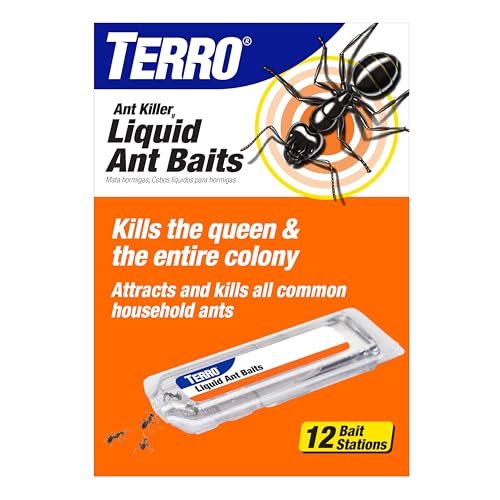
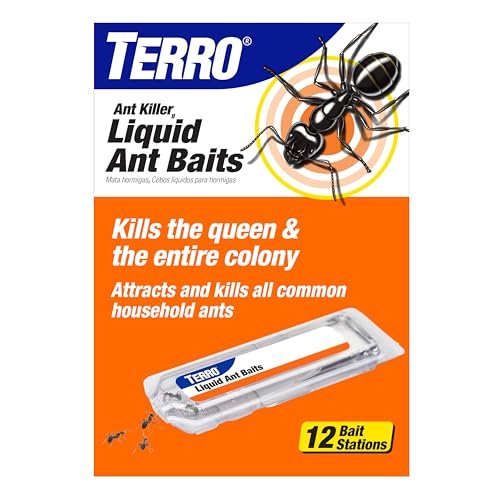
| Bait use | Suitable ant baits may help control foragers and colonies | Species-appropriate baits often work well |
| Home repair | Repair leaks and replace damaged wood when needed | Seal cracks and improve food storage |
| Professional help | Useful when nests occur inside structural wood | Useful for persistent or difficult infestations |
⭐ Carpenter Ant – 7/10 | Common House Ant – 8/10
Common house ant problems may respond well to sanitation and suitable bait, while carpenter ant control often requires finding and addressing hidden nests.
Final Verdict: Which Should You Worry About?
In the carpenter ant vs house ant comparison, carpenter ants are the bigger concern for wooden structures. They excavate wood to build nests and can cause damage over time. Common house ants are usually more of a food and sanitation nuisance. They may invade kitchens, bathrooms, and pantries in search of food and water.
If you see large ants near damp wood or find piles of frass, investigate for carpenter ants. If you see small ants following trails near food, identify the house ant species and remove its food sources. Both problems deserve attention, but the right response depends on accurate identification.