Yes, some bed bug sprays can kill fleas, but only when their pesticide labels specifically list fleas as a target pest. A spray made only for bed bugs is not a reliable flea treatment.
Across American homes, fleas can become a problem in bedrooms, living rooms, carpets, and places where dogs and cats rest. Bed bugs can also hide in bedroom furniture, mattresses, and small cracks. Since both pests can live near sleeping areas, homeowners may wonder whether one insect spray can handle both problems.
The answer depends on the product, its active ingredients, and its approved uses. Some indoor pest sprays are labeled to kill both bed bugs and fleas. Others target bed bugs only. Even when a product kills adult fleas, it may not control flea eggs, larvae, and pupae well enough to stop an infestation.
The safest way to choose a treatment is to read the complete pesticide label before spraying. Check that fleas are listed, confirm that the product is approved for the surface you want to treat, and follow every safety direction. Never assume that a bed bug product is suitable for pets or every area of your home.
Source: i5.walmartimages.com
Can Bed Bug Spray Actually Kill Fleas?
Yes, certain bed bug sprays can kill fleas. However, this depends on the specific pesticide formula and its approved label claims. A product that targets both pests may kill fleas when they contact a treated surface or receive a direct application as directed.
Some indoor insecticides contain ingredients that affect the nervous systems of several insect species. These ingredients may work against bed bugs, fleas, ticks, and other listed pests. However, the presence of an insecticide does not automatically mean that it works against every insect.
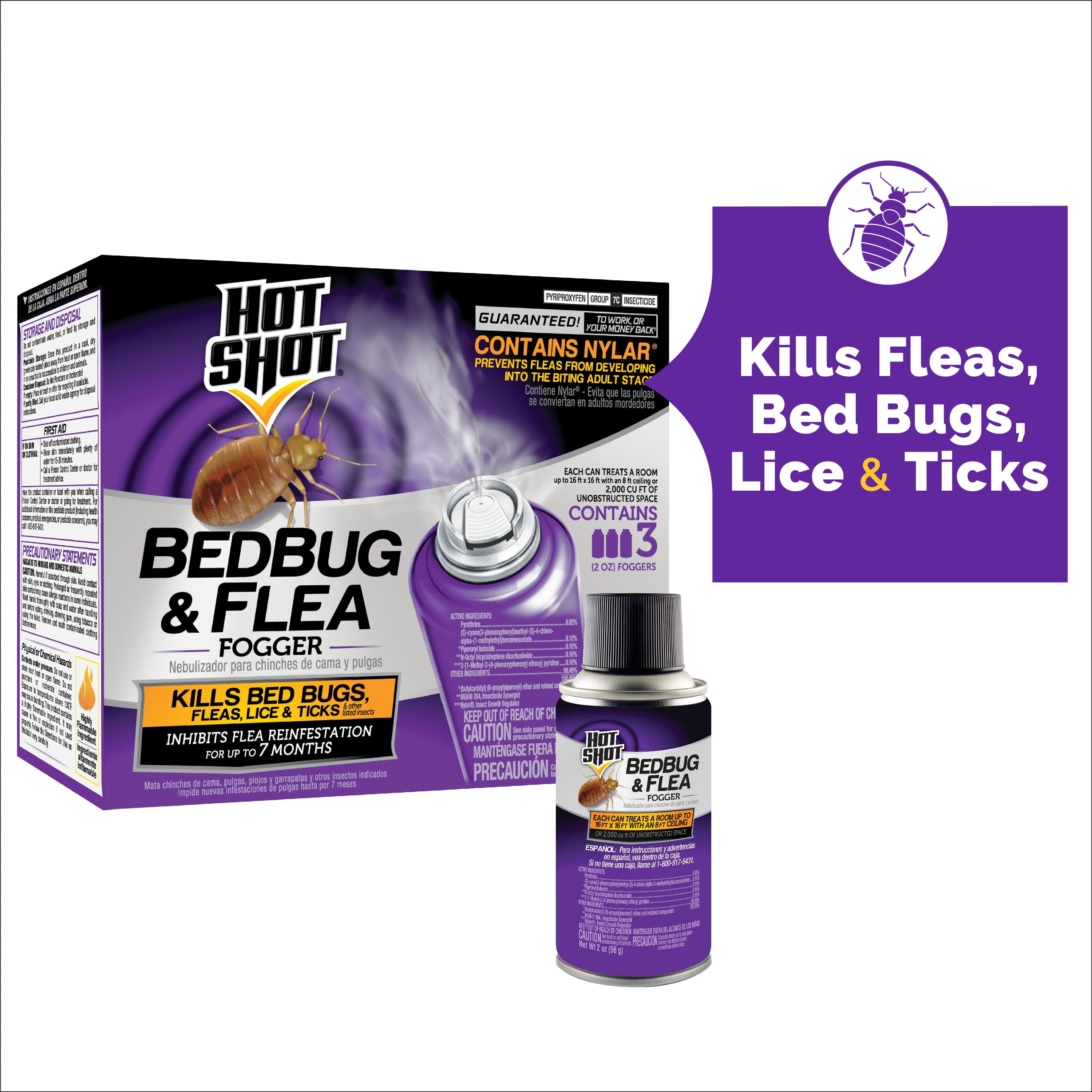
For example, the US Environmental Protection Agency has accepted pesticide labeling for products that list both bed bugs and fleas. This shows that dual-purpose products exist. It does not mean that every spray sold as a bed bug killer has the same ability.
The most useful rule is simple: check the pest list on the container. If fleas are not listed, do not rely on that product to control a flea infestation.
Source: m.media-amazon.com
Dual-purpose spray
A product labeled for both bed bugs and fleas may be used against both pests in the locations and ways stated on its label.
Bed bug-only spray
A product that lists only bed bugs has no confirmed flea-control claim. It should not be treated as a flea solution.
Multi-insect spray
Some indoor insecticides list several crawling insects, including fleas. Check the exact target pest list and application instructions.
Why Do Some Sprays Work Against Both Pests?
Bed bugs and fleas are different insects, but some insecticides can affect both. Certain chemical ingredients interfere with normal nerve activity in insects. When a susceptible insect receives enough of the active ingredient, the chemical can cause paralysis and death.
This shared response explains why some pesticide formulas can target more than one pest. However, different insects may respond differently to the same ingredient. Product concentration, exposure, insect resistance, and application method can all change the result.
A formula that works against bed bugs in a laboratory or under specific label conditions is not automatically proven to control fleas in a home. The registered product label provides the correct use instructions.
Does Killing One Flea Mean the Infestation Is Gone?
No. Killing a few visible fleas does not mean that the entire population has been removed. Adult fleas are only one part of the flea life cycle.
Eggs may fall from pets into carpets, furniture, and pet bedding. Larvae can develop in protected areas, while pupae may remain inside cocoons until conditions encourage adult fleas to emerge.
This is why a room may seem clear after spraying but still have fleas later. Successful control requires attention to the different life stages, the pets carrying adult fleas, and the areas where immature fleas develop.
Bed Bugs vs. Fleas: Why the Difference Matters
Bed bugs and fleas both feed on blood, but they behave in different ways. Their hiding places, feeding habits, and life cycles affect how a home should be treated.
Bed bugs usually hide close to places where people sleep. They may live in mattress seams, bed frames, headboards, furniture joints, and wall cracks. They crawl toward a host when they need a blood meal.
Fleas are more closely linked to animals, especially cats and dogs. Adult fleas live on animal hosts and feed on their blood. Their eggs can fall into carpets, rugs, bedding, and other places where pets spend time.
These differences matter because spraying a mattress may help address a bed bug problem but may miss the main flea breeding areas. Likewise, treating a pet for fleas will not eliminate bed bugs hiding inside a bed frame.
Source: bf1af2.akinoncloudcdn.com
Bed bug hiding places
Mattress seams, box springs, bed frames, headboards, furniture joints, baseboards, and small cracks near sleeping areas.
Flea hiding and development areas
Carpets, rugs, upholstered furniture, pet bedding, floor gaps, and places where animals regularly sleep or rest.
Different feeding habits
Bed bugs usually feed on people while they sleep, whereas common household fleas usually feed on dogs, cats, and other available animals.
Can the Same Room Have Bed Bugs and Fleas?
Yes. A bedroom can contain both pests at the same time. For example, bed bugs may hide in a bed frame while fleas develop in a carpet where a family dog sleeps.
Seeing one type of insect does not prove that the other is present. Each pest should be identified before treatment begins. This helps prevent unnecessary pesticide use and makes it easier to choose the right control method.
If you notice small jumping insects around a pet’s resting area, fleas may be the cause. If you find flat, oval insects, shed skins, or dark spotting around mattress seams, investigate for bed bugs.
How Can You Tell Which Pest Is Causing the Problem?
Fleas are small, narrow, and often reddish-brown. They jump quickly and are commonly found on animals or near pet sleeping areas. Flea dirt may look like tiny dark grains in an animal’s fur.
Bed bugs are generally broader and flatter, with oval bodies. They crawl rather than jump. Their presence may be indicated by live insects, shed skins, eggs, and dark spots around bed seams or furniture.
Bites alone are not a dependable way to identify either pest. Skin reactions vary from person to person, so inspect the environment or seek help from a pest identification professional.
Which Ingredients in Bed Bug Spray Can Kill Fleas?
The active ingredient is one of the first things to check when comparing indoor insect sprays. It is the part of a pesticide that produces the intended effect against a target pest.
Several types of insecticides may appear in products labeled for bed bugs and fleas. Pyrethrins and synthetic pyrethroids are common examples. They affect insect nerve function, although their exact action, strength, and persistence vary by chemical.
Bifenthrin is one example of a synthetic pyrethroid used in some indoor pest products. An EPA-accepted product label for an indoor bed bug and insect spray includes flea-related claims. This is a product-specific example, not proof that every bifenthrin spray will control fleas.
Some flea treatments also contain an insect growth regulator, or IGR. Ingredients such as pyriproxyfen and methoprene interfere with normal flea development. They can help stop immature fleas from becoming adults, but they do not replace a product that kills existing adult fleas.
Source: i5.walmartimages.com
Pyrethrins
These insecticides come from chrysanthemum flowers. They affect insect nerve activity and are used in some products against adult fleas and other insects.
Pyrethroids
These are synthetic insecticides related to pyrethrins. Examples include permethrin, bifenthrin, and deltamethrin. Their effectiveness depends on the formula, target pest, and label directions.
Pyriproxyfen
This insect growth regulator interferes with flea development. It can help prevent immature fleas from becoming reproductive adults.
Methoprene
This ingredient acts as an insect growth regulator and helps interrupt the flea life cycle by affecting immature stages.
Does Permethrin Kill Fleas?
Permethrin can kill fleas when it is used in a product specifically labeled for flea control. It belongs to the synthetic pyrethroid group and affects insect nerve function.
However, not every product containing permethrin has the same approved use. Some are designed for clothing or outdoor equipment, while others are intended for specific indoor pest treatments.
Permethrin also requires special care around cats. Certain concentrated permethrin products intended for dogs can cause serious poisoning in cats. Never use a dog flea treatment on a cat, and do not let cats contact freshly treated surfaces unless the product label allows re-entry.
Does an Insect Growth Regulator Kill Adult Fleas?
Usually, an insect growth regulator is not designed to kill adult fleas. Its main job is to interrupt development and reduce the number of new adult fleas that enter the population.
For this reason, some flea-control formulas combine an IGR with an adult-killing insecticide. One ingredient targets existing adult fleas, while the other helps prevent immature fleas from developing.
This combination can provide more complete control than relying on a product that affects only one stage. Still, the exact result depends on the label, treatment coverage, and the source of the infestation.
How to Choose a Bed Bug Spray That Also Kills Fleas
Choose a product by checking its complete label rather than relying on its front-panel name. A large bed bug image or a claim about killing several insects does not tell you every approved use.
In the United States, EPA-registered pesticide products carry an EPA registration number. This number helps identify the registered product. You can use it to check product information and confirm that the label matches the intended use.
Read the directions before buying or applying the spray. The label should list fleas as a target pest and identify the surfaces or locations where treatment is allowed.
Also check whether the product is a direct-contact spray, a residual treatment, or a combination. A direct-contact product may kill an insect when sprayed directly, while a residual product is designed to remain active on approved surfaces for a stated period.
Source: i5.walmartimages.com
Check the target pests
Look for the word fleas on the pesticide label. A bed bug claim alone does not confirm flea control.
Check the application area
Confirm whether the product allows use on carpets, rugs, furniture, floor cracks, or pet resting areas.
Read the active ingredient list
Identify the active ingredients and understand whether the product targets adult insects, immature fleas, or both.
Check drying and re-entry instructions
Follow the stated time and conditions before allowing people and pets to return to treated areas.
Check repeat-treatment directions
Look for instructions about how long to wait before another application. Never spray more often than the label permits.
What Does an EPA Registration Number Mean?
An EPA registration number identifies a pesticide product registered under federal pesticide law. It is an important detail to check when choosing a household insecticide in the United States.
Registration does not mean that a product can be used anywhere or against every pest. Its approved uses, target pests, application sites, and precautions are defined by its labeling.
The EPA also warns consumers against using pesticides in ways that do not follow the label. Applying a product to an unapproved mattress, spraying it on a person, or using an outdoor-only pesticide inside can create serious risks.
Are Natural Bed Bug Sprays Effective Against Fleas?
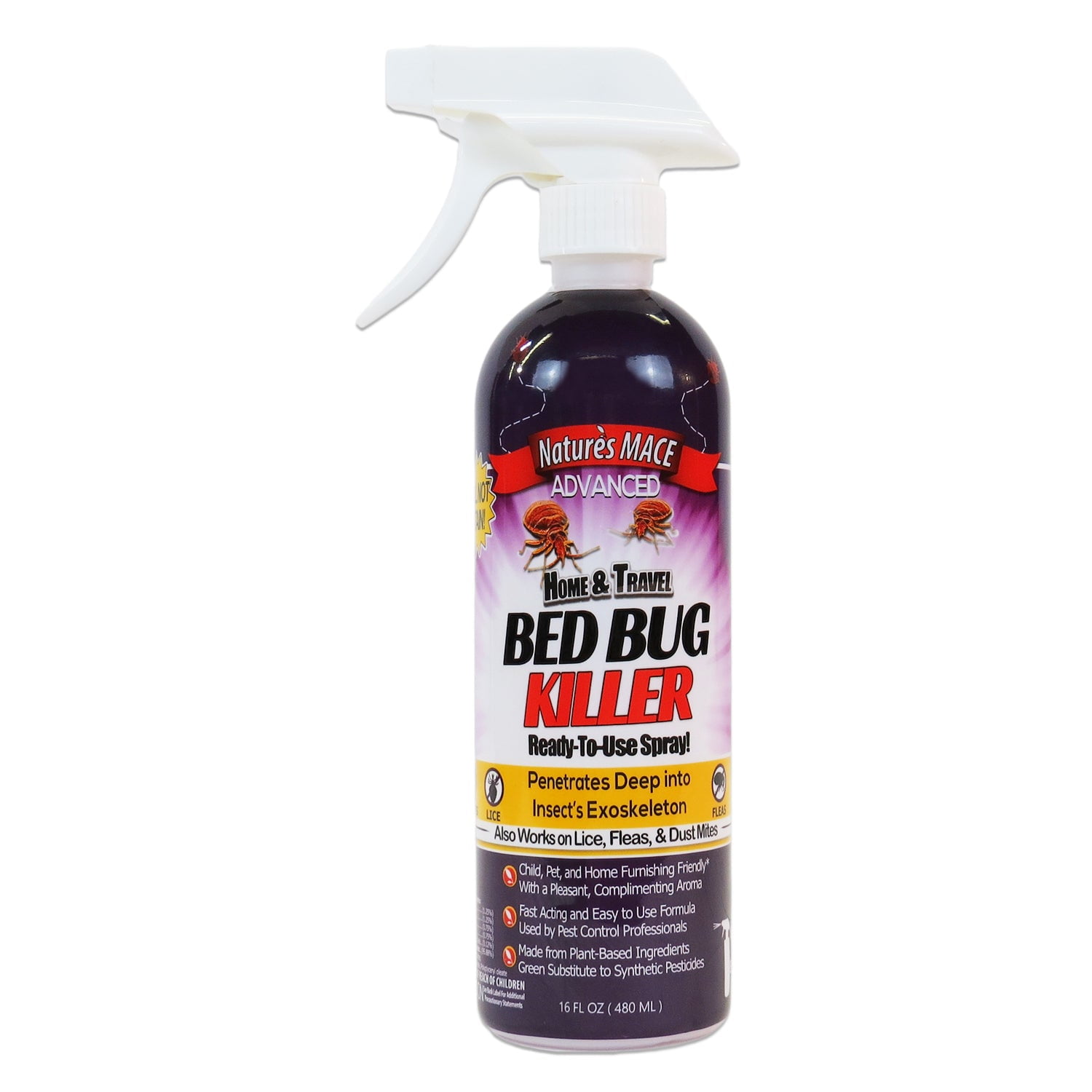
Some products marketed as natural insecticides may kill certain insects. However, the word natural does not prove that a spray is effective against fleas or safe for every household situation.
Essential oils and plant-based formulas can vary in strength and composition. Some may irritate people or animals, and certain essential oils can be harmful to cats and dogs.
Check the complete label for the target pest, application site, and safety instructions. Do not assume that a natural bed bug spray is automatically a flea treatment or a pet-safe product.
How to Use Bed Bug Spray Against Fleas Safely
If a bed bug spray is labeled for fleas, use it only in the approved locations and follow its directions exactly. A flea-control treatment should focus on places where fleas live and develop, not simply on the areas where people notice bites.
Before applying a household pesticide, remove pets, children, food, dishes, and other items as directed by the label. Prepare the room according to the product instructions and make sure the treatment area has enough ventilation.
Do not spray the product over an entire room without checking the allowed application method. Some products permit spot treatments or crack-and-crevice applications only. Others have specific instructions for carpets or upholstered furniture.
After treatment, allow the product to dry and follow all re-entry instructions. Keep pets away until the label says the treated area can be used again.
Source: i5.walmartimages.com
Step 1: Identify the pest
Confirm that fleas are present. Look for jumping insects, flea dirt on pets, and activity around carpets or animal sleeping areas.
Step 2: Read the complete label
Confirm that fleas are listed and that the intended room, floor covering, or furniture is an approved treatment site.
Step 3: Prepare the room
Remove pets and people, protect food and water, and move items as required by the label.
Step 4: Apply the product correctly
Use the directed amount and application method. Avoid spraying areas that are not approved for treatment.
Step 5: Allow the area to dry
Keep people and animals away until all drying and re-entry requirements have been met.
Step 6: Continue cleaning
Vacuum approved areas, wash suitable bedding, and monitor flea activity. Continue any follow-up treatment only as directed.
Should You Spray Bed Bug Killer on Carpets?
Only spray a carpet if the product label specifically allows carpet treatment. Some bed bug products are intended for small spots, cracks, or furniture joints rather than broad carpet applications.
Fleas often develop in carpets, especially where pets sleep. If the label permits it, a flea-specific indoor treatment may be more suitable for these areas than a bed bug-only spray.
Vacuum before and after treatment when the label and treatment instructions allow it. Pay attention to carpet edges, spaces under furniture, and areas around pet resting spots.
Can You Spray Bed Bug Killer on a Mattress?
Do not assume that a spray can be used on a mattress just because it is labeled for bed bugs. Some products allow limited spot treatment on mattress seams, edges, buttons, and tufts. Others do not allow mattress application.
A mattress is in close contact with the human body for long periods. This makes label restrictions especially important. Never spray pillows, sheets, blankets, or other sleeping surfaces unless the label specifically permits that use.
If the label does not allow mattress treatment, use other approved control methods or seek advice from a licensed pest control professional.
Why Bed Bug Spray May Not Eliminate a Flea Infestation
A bed bug spray may kill visible adult fleas but still fail to eliminate an infestation. The main reason is that fleas develop through several life stages, and not every stage is equally affected by insecticides.
An adult female flea can lay eggs on an animal. These eggs often fall into the places where the animal rests. The eggs hatch into larvae, which feed on organic material and flea dirt in the environment.
Larvae later form pupae inside protective cocoons. These cocoons can help protect developing fleas from many treatments. Adult fleas may emerge later when they detect signs of a possible host nearby.
This process explains why fleas can appear again after a room has been sprayed. The new fleas may have emerged from pupae that survived the earlier treatment.
Source: bf1af2.akinoncloudcdn.com
Eggs
Flea eggs can fall into carpets, bedding, and furniture. A product that kills adult fleas may not kill every egg.
Larvae
Flea larvae hide in protected areas and feed on organic debris. Their control may require an approved product that targets immature fleas.
Pupae
Pupae develop inside cocoons that can reduce exposure to insecticides. This stage is a major reason fleas may continue emerging after treatment.
Adult fleas
Adult fleas feed on animals and may jump onto new hosts. They need direct or residual treatment from a product labeled for flea control.
Why Do Fleas Come Back After Spraying?
Fleas may return because some immature stages survived the treatment. A spray that kills adult fleas does not necessarily affect protected pupae or every egg in the environment.
Another reason is that pets may still carry adult fleas. When untreated animals enter a cleaned room, they can introduce more fleas and allow the population to grow again.
Incomplete treatment can also leave fleas in places that were missed. Spaces beneath furniture, deep carpet fibers, floor gaps, and pet bedding can shelter developing fleas.
The answer is not to spray more often than directed. Continue vacuuming, treat every household pet with an appropriate veterinary product, and follow the approved home-treatment schedule.
How Long Does It Take to Get Rid of Fleas?
The time needed depends on how severe the infestation is, which life stages are present, and whether pets and indoor areas are treated together. A small problem may improve faster than a widespread infestation.
The Centers for Disease Control and Prevention explains that moderate to severe flea infestations can take months to control. It also describes the need for sanitation, pet treatment, home treatment, and follow-up.
Some fleas may continue emerging after an initial application because pupae are protected inside their cocoons. Seeing an occasional flea does not always mean the treatment has failed.
Monitor the problem over time. If activity continues or increases, review the treatment method and contact a qualified pest control professional rather than repeatedly applying chemicals.
The Best Way to Get Rid of Fleas in Your Home
The most reliable flea-control plan combines pet treatment, household cleaning, and an approved indoor treatment when needed. Spraying alone is rarely enough for a lasting result.
Start by finding where fleas are most active. Check pets, carpets, rugs, upholstered furniture, and the places where animals sleep. Focus your cleaning and treatment efforts on these areas.
Treat pets and the home at the same time. If you clean the house but leave fleas on an animal, the problem can continue. If you treat the animal but ignore the home, developing fleas may emerge later.
Keep the process consistent. Regular cleaning helps remove flea eggs, larvae, and adult fleas while reducing the debris that immature fleas use as food.
Source: m.media-amazon.com
Vacuum frequently
Vacuum carpets, rugs, upholstery, floor edges, and spaces under furniture. Empty the vacuum outside and dispose of its contents safely.
Wash pet bedding
Wash suitable pet bedding, blankets, and washable rugs regularly according to their care instructions.
Treat every pet
Ask a veterinarian to recommend a flea treatment suited to each animal’s species, age, weight, and health.
Use an approved home treatment
Choose a product labeled for fleas and the specific surfaces you need to treat.
Monitor the results
Continue cleaning and check for new flea activity. Follow the pesticide label and veterinary treatment schedule.
How to Remove Fleas From Carpets and Furniture
Begin with thorough vacuuming. Move furniture when practical and clean under cushions, along carpet edges, and around the places where pets spend time.
Wash removable covers and suitable rugs according to their care labels. For items that cannot be washed, vacuum carefully and consider professional cleaning when needed.
Steam cleaning may also help reduce fleas and immature stages in suitable carpets and upholstery. Check the material’s care instructions before using steam, because some fabrics and floor coverings can be damaged by heat or moisture.
If fleas remain, consider an indoor flea product labeled for the affected surfaces. An IGR-containing formula may help interrupt development, but it should be used as part of a broader control plan.
How to Get Fleas Off Dogs and Cats
A household bed bug spray should never be used as a substitute for a pet flea treatment. Products made for floors, carpets, or furniture may contain ingredients that can harm animals.
Use a flea product specifically approved for the animal being treated. Dogs and cats have different safety needs, and a product suitable for one species may be dangerous to another.
A flea comb can help remove adult fleas from an animal’s coat. Dip the comb in warm, soapy water to remove collected fleas, and ask a veterinarian about a longer-term treatment plan.
Treat every suitable household pet according to veterinary guidance. This reduces the chance that untreated animals will keep bringing fleas back into the home.
Are Bed Bug Sprays Safe Around Pets and Children?
A bed bug spray that kills fleas is not automatically safe around pets or children. Safety depends on the active ingredients, concentration, application site, exposure, and label instructions.
Household insecticides are designed for specific uses. A spray intended for cracks or carpets may not be suitable for direct contact with skin, animal fur, food surfaces, or bedding.
Children may touch treated surfaces or place their hands in their mouths. Pets may walk across treated floors and lick their paws while grooming. These behaviors make correct application and re-entry precautions especially important.
Before using a product, read every warning. Remove animals and children from the treatment area when required, protect food and water, and do not allow anyone to return until the label permits it.
Source: i5.walmartimages.com
Never spray pets directly
Use only flea products specifically approved for the animal. Household bed bug sprays are not substitutes for veterinary flea medication.
Protect food and water
Remove or cover food, dishes, drinking water, and food-preparation items as instructed by the pesticide label.
Follow drying instructions
Do not let pets or children enter treated areas until all required drying and re-entry conditions are met.
Avoid excessive applications
Using extra pesticide does not guarantee better control. It can increase exposure and may contribute to resistance.
Store products securely
Keep pesticides in their original containers, away from children, pets, food, and heat sources.
Is Bed Bug Spray Dangerous to Cats?
Some household insecticides can be dangerous to cats, especially if a cat contacts a wet treatment, licks contaminated fur, or is exposed to an unsuitable product.
Permethrin deserves particular attention. Certain concentrated permethrin products intended for dogs can cause severe poisoning in cats. Never use these dog products on cats.
Follow the product label about removing pets from treated rooms and allowing surfaces to dry. Do not assume that a dry surface is safe unless the label’s re-entry instructions have also been met.
If a cat shows unusual shaking, drooling, weakness, vomiting, or seizures after possible pesticide exposure, contact a veterinarian or animal poison service immediately.
What Should You Do After Accidental Pesticide Exposure?
If a person or animal is exposed to a pesticide, stop further contact and follow the emergency instructions on the product label. Move away from the treated area when it is safe to do so.
For human exposure in the United States, contact Poison Control at 1-800-222-1222 for guidance. Seek emergency medical help for serious symptoms, breathing problems, seizures, or loss of consciousness.
For pet exposure, contact a veterinarian or an animal poison control service. Keep the pesticide container or label available so the professional can identify the ingredients.
Do not try home remedies or induce vomiting unless a qualified medical or veterinary professional specifically instructs you to do so.
Common Mistakes When Using Bed Bug Spray for Fleas
Many flea-control problems come from choosing the wrong product or using a suitable product incorrectly. A few simple checks can prevent wasted effort and unnecessary chemical exposure.
The biggest mistake is assuming that every bed bug spray also kills fleas. Another common error is treating visible insects without addressing the pets and hidden flea stages that keep the population alive.
A better approach is to identify the pest, read the label, clean the affected areas, and use suitable treatments together. Avoid shortcuts that create more exposure without improving control.
Source: i5.walmartimages.com
Assuming every bed bug spray kills fleas
Not all formulas target the same insects. Confirm that fleas are listed on the label before using a product for flea control.
Spraying the entire room
Broad application may be prohibited or unnecessary. Follow the approved spot-treatment, crack-and-crevice, or surface-treatment directions.
Ignoring pets
Fleas can continue feeding and reproducing on untreated animals. Ask a veterinarian about suitable treatment for every household pet.
Expecting instant elimination
Flea pupae can survive earlier treatment and emerge later. Continue cleaning and monitoring instead of expecting one application to solve everything.
Using too much pesticide
Excessive application can increase health risks and may not improve results. Never exceed the amount or frequency stated on the label.
Using a fogger as the only treatment
Foggers may not reach protected areas where fleas develop. Targeted cleaning and approved treatment are still needed.
Using household spray on animals
Indoor insecticides are not automatically safe for animal skin or fur. Use products specifically labeled for the correct animal.
Are Flea Foggers Better Than Regular Bed Bug Sprays?
Not necessarily. Flea foggers release insecticide into the room, but the product may not reach every place where fleas hide. Furniture, carpet fibers, cracks, and protected spaces can reduce exposure.
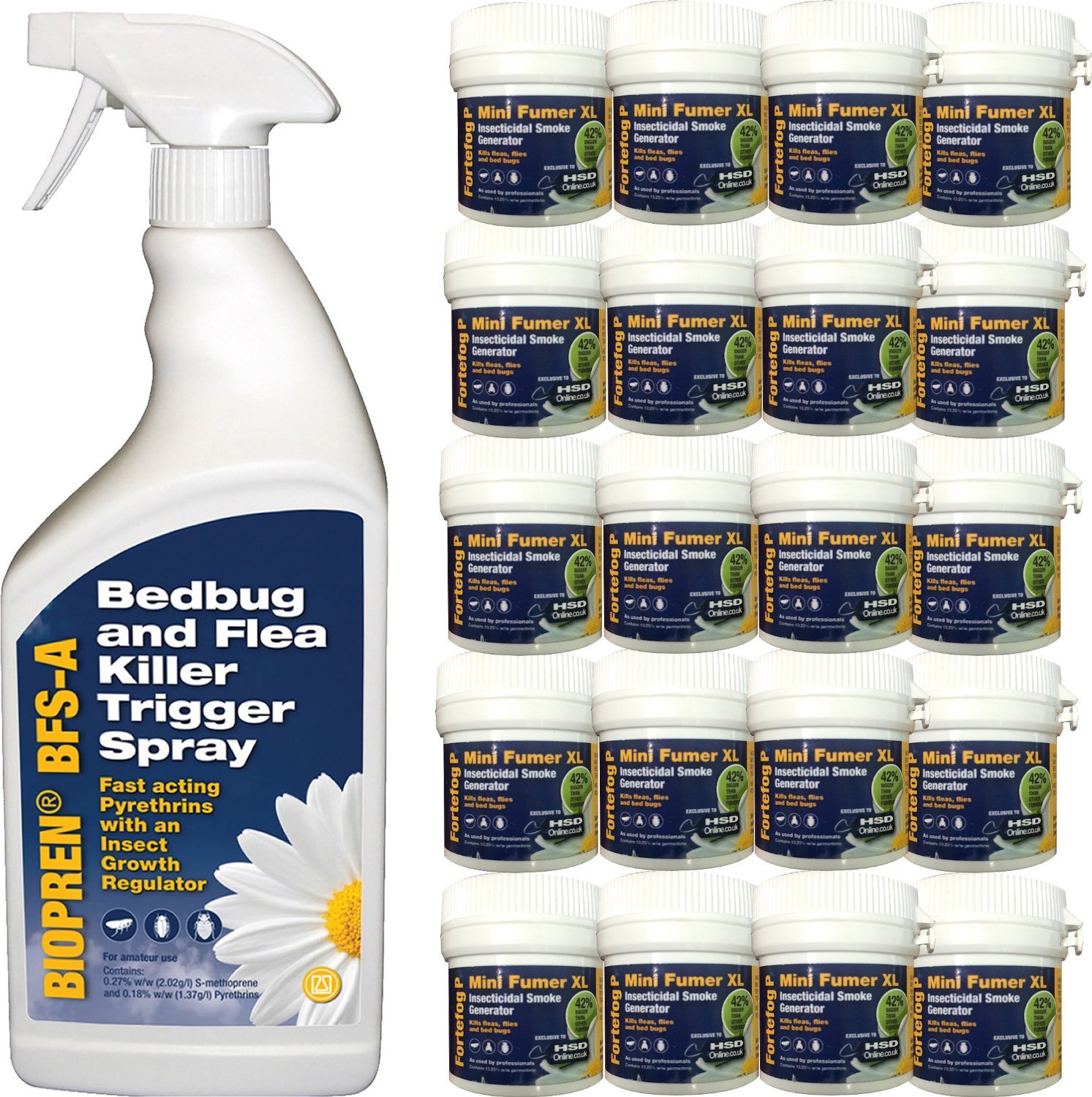
Some foggers contain an insect growth regulator and an insecticide. These formulas may help with certain flea stages, but they are not guaranteed to eliminate an entire infestation.
Foggers also require careful preparation. Follow the label about room size, evacuation, ignition sources, ventilation, and the time needed before people and pets can return.
The University of Minnesota Extension notes that total-release aerosols are not very effective for flea control because the pesticide may fall randomly rather than reach the areas where fleas occur. Targeted treatment and cleaning are generally more useful.
Should You Mix Different Bed Bug and Flea Sprays?
No. Do not mix household insecticides or combine products unless their labels specifically direct you to do so. Mixing chemicals can create unexpected exposure or other hazards.
Using several products at once can also make it difficult to know which treatment caused a reaction or whether the application followed the approved directions.
If one product is not working, review the label, check whether the pest has been correctly identified, and seek advice from a licensed pest control professional.
When Should You Call a Pest Control Professional?
Consider professional help when fleas continue appearing despite proper cleaning and pet treatment. A licensed pest control professional can inspect the home, identify likely breeding areas, and recommend a treatment plan.
Professional help is especially useful when an infestation affects several rooms, when pets repeatedly bring fleas indoors, or when household members have concerns about pesticide exposure.
A professional can also help distinguish fleas from bed bugs and other biting insects. This matters because the wrong treatment may waste time and increase chemical use without addressing the actual pest.
Ask about the treatment method, products, application sites, preparation requirements, pet restrictions, and follow-up visits. A clear plan should explain what the treatment can and cannot accomplish.
Source: bf1af2.akinoncloudcdn.com
Repeated flea activity
Fleas continue appearing after the recommended treatment period and regular cleaning.
Large infestation
Fleas are present in several rooms, carpets, furniture, or multiple pet resting areas.
Uncertain pest identification
You cannot determine whether the insects are fleas, bed bugs, or another pest.
Sensitive household conditions
Young children, pets, or people with health concerns make pesticide selection and exposure control more difficult.
Repeated treatment failure
The problem continues even after you have followed the product label and addressed flea sources on pets.
What Should You Ask a Pest Control Company?
Ask whether the company has experience treating fleas as well as bed bugs. These pests need different inspection and treatment methods, even when they occur in the same room.
Request the names of the proposed products and ask where they will be applied. Check that the products are registered for the intended use and that the company follows their labels.
Find out whether the service includes an inspection and follow-up plan. Flea control often takes time because protected pupae may emerge after an initial application.
Also ask how to prepare the home and when pets and family members can safely return. Clear instructions help prevent accidental exposure and reduce the chance of treatment failure.
Frequently Asked Questions
Q
Can bed bug spray kill fleas instantly?
Some bed bug sprays labeled for flea control can kill exposed adult fleas quickly after contact. However, the speed depends on the active ingredient, formula, and exposure. Fleas hidden in protected areas may not receive a lethal dose.
Instantly killing visible fleas does not eliminate eggs, larvae, and pupae. A complete flea-control plan needs cleaning, suitable pet treatment, and approved home treatment.
Q
Does Hot Shot bed bug spray kill fleas?
Some Hot Shot products are marketed or labeled for both bed bugs and fleas, while other products may have different target pests and approved uses. The brand name alone does not confirm flea-control ability.
Check the exact product label, including its target pest list, application locations, and safety directions. Do not assume that every product in the same brand range has identical ingredients or uses.
Q
Can bed bug spray kill flea eggs?
Some pesticide products may affect flea eggs or immature stages, but many adult-killing sprays do not eliminate every egg. The result depends on the formula and its registered claims.
Products containing an insect growth regulator may help interrupt flea development. Vacuuming and washing suitable bedding also help remove eggs and other flea stages from the home.
Q
Can bed bug spray kill fleas on dogs or cats?
Do not use ordinary household bed bug spray directly on dogs or cats. A product designed for floors, carpets, or furniture may be harmful when it contacts an animal’s skin or is swallowed during grooming.
Choose a flea treatment specifically labeled for the animal’s species and ask a veterinarian for guidance. Never use a dog-only permethrin treatment on a cat.
Q
Will bed bug spray stop fleas from coming back?
A flea-labeled bed bug spray may reduce flea numbers, but it cannot guarantee that fleas will not return. Protected pupae may survive treatment and produce new adult fleas later.
Treat pets, clean their resting areas, vacuum regularly, and follow the approved home-treatment instructions. This combined approach helps reduce the chance of another infestation.
Q
Can I use bed bug spray and flea spray together?
Do not mix or layer different pesticide products unless their labels specifically permit the combination. Using multiple insecticides can increase exposure and may create unexpected risks.
Choose a product that is labeled for the target pest and treatment location. If separate products appear necessary, ask a licensed pest control professional for advice.
Q
Why am I still seeing fleas after spraying my home?
Fleas may continue appearing because pupae can remain protected inside cocoons after an initial treatment. New adults may emerge later when they detect signs of a nearby host.
Untreated pets, missed carpets, furniture gaps, and pet bedding can also keep the infestation going. Continue cleaning and make sure every household pet receives suitable flea treatment.
Q
Is a flea fogger better than a bed bug spray?
A flea fogger is not automatically better. Foggers may fail to reach the protected places where flea eggs, larvae, and pupae develop.
A targeted flea treatment, regular vacuuming, pet treatment, and suitable bedding care are often more useful than relying on a fogger alone. Follow all label precautions if you choose a fogger.
✦ Wrapping Up
Conclusion
So, can bed bug spray kill fleas? Yes, some products can kill both pests, but the label must specifically list fleas as a target. A bed bug-only spray should not be treated as a proven flea-control product.
Even a dual-purpose insecticide may not eliminate every flea life stage. Eggs, larvae, and protected pupae can survive an initial treatment, while untreated pets may continue bringing adult fleas into the home.
For better results, combine a properly labeled indoor flea treatment with regular vacuuming, clean pet bedding, and veterinarian-approved flea prevention. Follow the pesticide label closely and avoid spraying animals or unapproved surfaces.
If fleas keep returning or the infestation spreads, ask a licensed pest control professional to inspect the home. The right treatment plan addresses both the insects you can see and the hidden stages that may appear later.
💡 Key Takeaway
Before using bed bug spray for fleas, check that fleas are listed on the product label, confirm that your intended treatment surface is approved, and follow every safety instruction. Treat pets separately with veterinarian-approved products, vacuum regularly, wash suitable bedding, and monitor the home for new flea activity.
If you’ve got Terro Liquid Ant Killer running on your kitchen counter and a curious cat keeps sniffing at the little plastic station, you’ve probably typed “is…