No. Regular sunscreen does not work as bug spray. Sunscreen protects your skin from ultraviolet (UV) rays, while insect repellent helps keep mosquitoes, ticks, and other biting insects away. You need a separate insect repellent or a properly labeled combination product for both types of protection.
If you spend time outdoors in the United States, you may need both sunscreen and bug spray. A summer hike in Florida, a backyard barbecue in Texas, a fishing trip in Minnesota, or a beach visit in California can expose your skin to sunlight and biting insects at the same time. Carrying two products may seem like extra work, but each one has a different job.
Sunscreen contains ingredients that help protect exposed skin from UV radiation. Insect repellents use active ingredients such as DEET, picaridin, IR3535, or oil of lemon eucalyptus to reduce insect bites. The two products are not interchangeable, even when they look similar or come in spray bottles.
Some products combine sun protection and insect repellent in one formula. These can offer both benefits when their labels support those claims. However, ordinary sunscreen does not gain insect-repelling power simply because it contains oils, fragrances, or other ingredients that smell unpleasant to bugs.
The safest approach is to choose products based on their labels, apply each one as directed, and follow the correct order. Sunscreen generally goes on first, followed by insect repellent. Understanding this difference can help you avoid sunburn without leaving your skin exposed to mosquito bites.
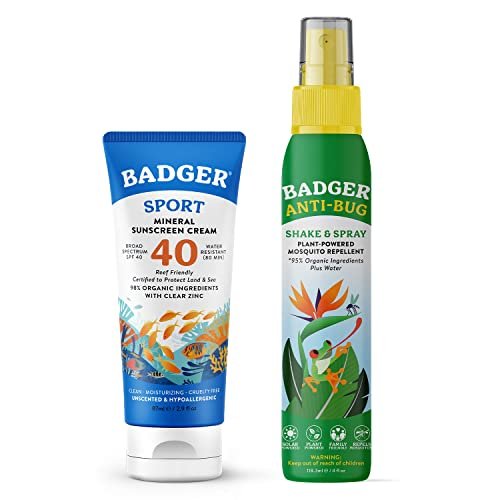
Source: amazon.com
Why Sunscreen Does Not Work as Bug Spray
Sunscreen and insect repellent protect your skin in different ways. Sunscreen is made to reduce the amount of harmful UV radiation that reaches your skin. Bug spray is made to discourage insects from landing on or biting you.
UV radiation comes from sunlight. Too much exposure can cause sunburn, premature skin aging, and increase the risk of skin cancer. Sunscreen helps reduce these risks when you use enough and reapply it as directed.
Mosquitoes and ticks are attracted to people through different signals. These can include body odor, heat, moisture, and carbon dioxide from breathing. A normal sunscreen formula is not designed to block or change these signals in a reliable way.
This means that wearing SPF 30, SPF 50, or even SPF 100 will not give you reliable protection from mosquito bites. A high SPF number tells you about sun protection, not insect protection.
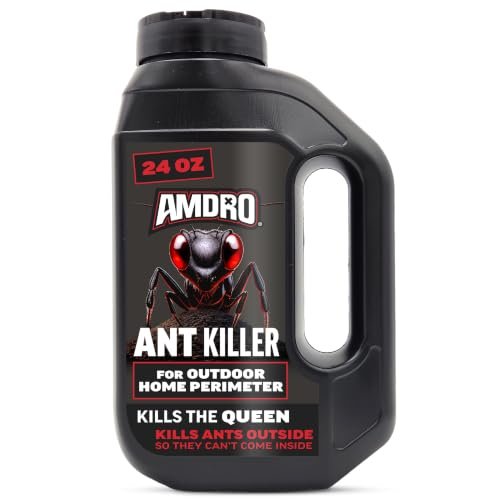
Source: www.youtube.com
Sunscreen
Helps protect the skin against UV radiation and sunburn. It does not provide dependable mosquito or tick protection.
Bug spray
Uses active repellent ingredients to reduce contact with biting insects. It does not replace sunscreen.
Combination protection
A product must contain suitable insect-repellent ingredients and carry the appropriate product labeling to support both claims.
Does SPF Keep Mosquitoes Away?
No. SPF measures how well sunscreen protects against sunburn from UVB radiation under standardized testing conditions. It does not measure how well a product prevents mosquito bites.
For example, SPF 50 sunscreen may help protect your skin during a sunny afternoon in a Florida park. However, mosquitoes can still land on your arms and legs. You need a separate insect repellent for that purpose.
Remember the difference
SPF is a sun-protection measure, not a bug-repellent rating.
Can Sunscreen Ingredients Repel Bugs Naturally?
Some sunscreen formulas contain plant oils, fragrances, or botanical extracts. Certain plant-derived substances may have insect-repelling properties in specific formulas, but their presence alone does not prove that the finished sunscreen prevents bites.
The amount, concentration, formulation, and duration of protection all matter. A sunscreen containing a pleasant citrus scent should not be treated as a mosquito repellent unless its labeling supports that use.
Do not rely on fragrance
A scent that seems unpleasant to insects is not proof of effective or lasting insect protection.
How Sunscreen and Insect Repellent Work Differently
Sunscreen works by absorbing, reflecting, or scattering UV radiation, depending on its active ingredients. Mineral sunscreens commonly use zinc oxide or titanium dioxide. Many other sunscreens use organic UV filters that absorb UV energy.
Insect repellents work through a different process. Their active ingredients affect how insects detect or respond to people. They make treated skin or clothing less attractive or less likely to be approached by certain biting insects.
For example, DEET and picaridin are widely used repellent ingredients. Oil of lemon eucalyptus in a properly formulated repellent is another option. These ingredients have a different purpose from the UV filters in ordinary sunscreen.
The key point is that the two products solve separate problems. One protects against sunlight, while the other helps reduce insect bites. Using one without the other leaves a gap in your outdoor protection.
Source: mycampingpro.com
UV filters
Help reduce UV exposure and protect against sunburn when sunscreen is used correctly.
DEET
A well-established insect-repellent ingredient used to protect against mosquitoes, ticks, and other biting insects.
Picaridin
An EPA-registered repellent ingredient that can provide protection against several biting insects.
IR3535
An insect-repellent active ingredient found in certain products formulated to prevent bites.
Oil of lemon eucalyptus
A repellent active ingredient used in formulated products. It is not the same as ordinary lemon eucalyptus essential oil.
Why You Need Two Types of Protection
Think of sunscreen and bug spray as two different shields. An umbrella can protect you from rain, but it cannot keep mosquitoes away. In the same way, sunscreen can protect against UV radiation without stopping insects from biting.
If you spend several hours outdoors, using both products can address two separate risks. This matters during camping, hiking, gardening, fishing, and other activities where sun exposure and insects may occur together.
For sunny areas
Use broad-spectrum sunscreen with SPF 30 or higher.
For insect exposure
Choose an EPA-registered repellent with an active ingredient suitable for the insects and exposure time.
Can Sunscreen and Bug Spray Be Used Together?
Yes. You can use sunscreen and insect repellent during the same outdoor activity. In fact, using separate products is generally the preferred approach because their application and reapplication needs are different.
The Centers for Disease Control and Prevention recommends applying sunscreen first and insect repellent second. Allow the sunscreen to absorb before applying the repellent. CDC travel guidance describes a waiting period of at least 15 minutes before applying insect repellent.
This order helps sunscreen reach its intended level of protection before another product is placed over it. It also helps you avoid mixing the two formulas in your hands or on your skin.
You do not need to apply bug spray every time you reapply sunscreen. Repellent should be reapplied according to its own label, while sunscreen generally needs to be reapplied about every two hours during outdoor exposure and after swimming or sweating, as directed by its label.
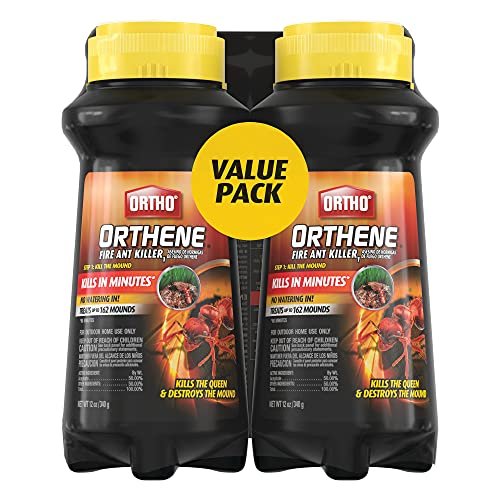
Source: mosquitalk.com
Apply sunscreen first
Cover exposed skin with sunscreen before using insect repellent.
Allow time to absorb
Wait about 15 minutes before applying repellent when following CDC travel guidance.
Apply repellent second
Use only enough product to cover exposed skin and follow the package directions.
Keep the schedules separate
Reapply each product according to its own instructions instead of automatically repeating both.
The Correct Order for Applying Both Products
Start with clean, dry skin. Apply sunscreen evenly to all exposed areas, including your ears, neck, arms, and legs. Use a broad-spectrum product with SPF 30 or higher.
Allow the sunscreen to absorb. A 15-minute interval is a useful guideline before applying a separate insect repellent. Then apply the repellent according to its label.
If you use a spray repellent, avoid breathing in the mist. Do not spray it directly onto your face. Spray a small amount onto your hands first and carefully apply it to your face, avoiding your eyes and mouth.
Keep both products away from cuts, wounds, and irritated skin unless their labels specifically allow use. Wash your hands after applying repellent, especially before eating or touching your eyes.
Step 1
Apply sunscreen generously to exposed skin.
Step 2
Wait about 15 minutes to let the sunscreen absorb.
Step 3
Apply an appropriate insect repellent as directed.
Step 4
Check both labels and follow their separate reapplication instructions.
What If You Apply Bug Spray Before Sunscreen?
If you accidentally apply repellent first, do not panic. Both products can still be used during the same outdoor activity. However, applying sunscreen first is the preferred order because it helps sunscreen reach its intended effectiveness.
For your next application, follow the recommended sequence. If you are unsure whether the products can be used together, check their labels or ask a pharmacist or healthcare professional.
Avoid mixing products
Do not combine sunscreen and repellent in your palm or another container.
Are Sunscreen and Bug Spray Combination Products Effective?
Combination products are designed to provide sun protection and insect repellency in one formula. They may seem convenient because you only need to carry one bottle. However, convenience does not always mean that a combination product is the best choice.
The main concern is that sunscreen and insect repellent have different reapplication schedules. Sunscreen often needs to be applied generously and reapplied during the day. Insect repellent usually needs less frequent application, depending on its active ingredient, concentration, and label directions.
The CDC notes that reliable data about the shelf life and retention of SPF effectiveness in combination products are limited. It also discusses possible irritation and interactions between sunscreen and certain repellents.
The American Academy of Dermatology recommends purchasing and applying sunscreen and insect repellent separately. This approach gives you more control over how much of each product you use and when you reapply it.
Source: thewearify.com
Convenience
A combination product may reduce the number of bottles you carry.
Different schedules
Frequent sunscreen reapplication may lead to unnecessary or excessive repellent use.
Limited evidence
The long-term retention of SPF performance in combined formulas is not well established.
Separate products
Using individual products makes it easier to follow the correct directions for each type of protection.
Should You Buy Sunscreen With Built-In Bug Repellent?
A product that claims to offer both benefits should be evaluated by its full label, not just its front packaging. Check the SPF, broad-spectrum claim, insect-repellent active ingredient, age restrictions, and directions.
In the United States, insect repellents making public health protection claims are regulated by the Environmental Protection Agency. Check for the appropriate EPA registration information and confirm that the product is intended for your use.
For most outdoor activities, separate sunscreen and repellent products are the more practical choice. They allow you to renew sun protection without automatically applying another dose of insect repellent.
Check the SPF
Look for broad-spectrum protection and an SPF of at least 30.
Check the repellent ingredient
Look for an appropriate EPA-registered active ingredient and clear directions.
Read the reapplication instructions
Make sure the label explains how to use the product without exceeding its recommended application frequency.
Which Bug Spray Ingredients Should You Look For?
Choose an insect repellent based on its active ingredient, the insects you need to avoid, and the amount of time you expect to spend outdoors. The EPA maintains a registration system for products intended to repel insects and other pests.
Common repellent ingredients include DEET, picaridin, IR3535, oil of lemon eucalyptus, para-menthane-diol, and 2-undecanone. These ingredients are not identical, and their protection times depend on the specific formula and concentration.
A higher concentration can often provide longer protection for certain repellents, but it does not mean you should apply more than the label allows. Read the product directions instead of guessing based on the percentage alone.
If you are hiking in a wooded area, camping near a lake, or spending time in a region where ticks are common, select a product whose label covers the insects you expect to encounter.
Source: amazon.com
DEET
A common repellent option with a long history of use. Available concentrations vary, so follow the product’s protection-time and age instructions.
Picaridin
An alternative to DEET that is used in products for protection against mosquitoes and ticks.
IR3535
A repellent active ingredient found in several products designed for outdoor protection.
Oil of lemon eucalyptus or PMD
Formulated products can repel certain insects. These ingredients should not be confused with untested essential oils.
2-undecanone
Another active ingredient used in certain registered insect-repellent products.
Why EPA Registration Matters
EPA registration provides an important way to identify products that have been evaluated for their labeled pest-control claims. It does not mean every registered product offers the same protection time or works equally well against every insect.
Look for the EPA registration details on the product label. You can also use the EPA’s online search resources to check registered repellents and compare their active ingredients.
Be cautious about products that make strong claims without clear active ingredients or reliable directions. A product described as natural or chemical-free is not automatically more effective or safer.
Check the registration
Look for the applicable EPA registration number on the product packaging.
Match the target insect
Check whether the label covers mosquitoes, ticks, or other insects you want to repel.
Follow the label
Use the stated amount, application method, and reapplication interval.
Are Natural Sunscreens and Essential Oils Enough?
Natural sunscreen ingredients and essential oils are often discussed together, but they have different roles. Zinc oxide and titanium dioxide are mineral UV filters, not dependable insect repellents.
Some essential oils may have short-term insect-repelling effects. However, their performance can vary, and many unregistered natural products have not been evaluated to the same standard as EPA-registered repellents.
Pure oil of lemon eucalyptus is not the same as a formulated repellent containing oil of lemon eucalyptus or PMD. The CDC does not recommend using pure oil of lemon eucalyptus as an insect repellent.
Do not rely on DIY mixtures
Mixing essential oils with sunscreen does not establish a tested or reliable insect-repellent formula.
How to Protect Your Skin From Sun and Insects Outdoors
The best outdoor routine combines sunscreen, an appropriate insect repellent, and simple physical barriers. This is useful whether you are spending an afternoon in your backyard or taking a longer trip through a wooded area.
Start by checking the weather, the amount of sunlight, and the likely insect exposure. A sunny picnic near a lake may require both products, while a short indoor activity may not require insect repellent at all.
Choose broad-spectrum sunscreen with SPF 30 or higher. For insect protection, use an EPA-registered product that matches your exposure and follow its directions carefully.
Clothing also plays an important role. Long sleeves, long pants, closed shoes, and socks can reduce the amount of exposed skin. In areas with ticks, inspect your clothing and body after spending time outdoors.
Source: mosquitalk.com
Before leaving home
Pack sunscreen, insect repellent, protective clothing, and enough supplies for the planned activity.
During outdoor activities
Use both products according to their labels and stay aware of changing sun and insect exposure.
After returning indoors
Wash treated skin with soap and water and check your body for ticks.
A Practical Outdoor Protection Routine
For a family picnic, apply sunscreen to exposed skin before leaving home. Wait for it to absorb, then apply an appropriate insect repellent if mosquitoes or ticks are a concern.
Bring both products with you. Reapply sunscreen according to its directions, especially after swimming, sweating, or towel drying. Reapply insect repellent only when its label calls for it or when the product’s protection period has ended.
If you are camping overnight, add physical barriers such as a tent with intact screens and suitable clothing. These measures can reduce insect contact without relying only on products applied to your skin.
For beach trips
Use water-resistant broad-spectrum sunscreen as directed and add repellent when biting insects are present.
For hiking
Wear long clothing, use a suitable tick and mosquito repellent, and inspect your body after the hike.
For gardening
Protect exposed skin and use repellent when mosquitoes or other biting insects are active.
For camping
Combine personal protection with screened sleeping areas and other practical insect barriers.
How Often Should You Reapply Each Product?
Sunscreen and insect repellent do not share one universal reapplication schedule. Sunscreen generally needs to be reapplied every two hours during outdoor exposure, and sooner after swimming or sweating when its label requires it.
Repellent protection time depends on the active ingredient, concentration, product formula, and conditions. Some products last longer than others, so the label is the best source for the correct interval.
For example, if you apply sunscreen in the morning and need to renew it at midday, that does not automatically mean you should apply another layer of DEET or picaridin. Check whether the repellent is still within its stated protection period.
Sunscreen
Generally reapply every two hours outdoors and follow the water-resistance directions.
Insect repellent
Reapply according to the active ingredient, product instructions, and exposure conditions.
Safety Tips for Using Sunscreen and Bug Spray
Both sunscreen and insect repellent should be used according to their labels. Applying more product than needed does not guarantee better protection and may increase the chance of skin irritation or accidental exposure.
Do not spray insect repellent directly into your face. Apply it to your hands first, then spread it carefully over the face while avoiding the eyes and mouth. Keep spray products away from food and avoid breathing in the mist.
Do not apply repellent underneath clothing or over cuts and irritated skin. If a product causes a rash, burning sensation, or other unwanted reaction, stop using it and wash the affected skin.
When you return indoors, wash treated skin with soap and water. Wash treated clothing before wearing it again, following the product instructions.
Source: www.youtube.com
Read the full label
Check age limits, application instructions, active ingredients, and warnings before use.
Avoid excessive application
Use only enough repellent to cover exposed skin or the areas listed on the label.
Protect your eyes and mouth
Never spray repellent directly onto your face or near your mouth.
Wash after outdoor exposure
Clean treated skin when you no longer need insect protection.
Can Children Use Sunscreen and Bug Spray Together?
Children can need both types of protection, but their age matters when choosing an insect repellent. The CDC advises against using insect repellent on babies younger than 2 months.
Products containing oil of lemon eucalyptus or PMD should not be used on children younger than 3 years. Other repellent ingredients have their own label directions and age limits, so check the exact product before applying it.
An adult should apply repellent to a child’s hands first before carefully applying it to the child’s face. Never let young children handle spray bottles or apply repellent themselves.
For babies and young children, physical barriers such as lightweight clothing and properly fitted insect netting can also help reduce insect exposure. Keep sunscreen and repellent away from their hands, eyes, and mouths.
Babies younger than 2 months
Do not use insect repellent. Use suitable clothing and insect netting instead.
Children younger than 3 years
Avoid products containing oil of lemon eucalyptus or PMD.
Older children
Follow the specific age restrictions and application instructions on the repellent label.
Can Pregnant or Breastfeeding Women Use Insect Repellent?
The CDC identifies several EPA-registered repellents as suitable for use during pregnancy and breastfeeding when used according to their labels. These include products containing DEET, picaridin, and certain other registered active ingredients.
Avoid choosing a product based only on claims that it is natural or chemical-free. Check the active ingredient and follow the directions. If you have a specific health concern or a history of skin reactions, ask your healthcare provider for guidance.
Use registered products
Choose a suitable EPA-registered repellent and follow its instructions.
Do not exceed directions
Use the recommended amount and reapply only as directed.
Frequently Asked Questions
Q
Does sunscreen keep mosquitoes away?
No. Regular sunscreen does not keep mosquitoes away. It protects your skin from UV radiation but does not contain the active ingredients needed for dependable insect protection. Use a separate EPA-registered mosquito repellent when needed.
Q
Can I mix sunscreen and bug spray together?
No. You should not mix sunscreen and bug spray in your hands or another container. Mixing them can change how the products work and may affect skin exposure. Apply sunscreen first, allow it to absorb, and then apply insect repellent separately.
Q
Should I put sunscreen on before or after bug spray?
Apply sunscreen first. Allow it to absorb for about 15 minutes before applying insect repellent. This order follows CDC guidance and helps the sunscreen reach its intended effectiveness. Follow the separate directions for both products.
Q
Does SPF 50 sunscreen protect against bug bites?
No. SPF 50 measures protection against sunburn from UVB radiation. It does not measure protection against mosquitoes, ticks, or other insects. You still need an appropriate insect repellent if you expect exposure to biting insects.
Q
Is sunscreen with built-in bug repellent a good idea?
Combination products offer convenience, but they are generally not the preferred option. Sunscreen needs more frequent reapplication than most insect repellents. The CDC and American Academy of Dermatology favor using separate products so you can follow each one’s directions.
Q
Does natural sunscreen repel mosquitoes?
No reliable mosquito protection should be assumed from a natural sunscreen. Plant oils and fragrances may have some insect-repelling effects in certain formulas, but ordinary sunscreen is not a substitute for a tested repellent. Choose a properly labeled insect repellent instead.
Q
Can I reapply sunscreen without reapplying bug spray?
Yes. You can reapply sunscreen without applying more insect repellent if the repellent is still within its labeled protection period. Sunscreen generally needs to be renewed every two hours outdoors and after swimming or sweating, while repellent follows its own instructions.
Q
Does bug spray protect against sunburn?
No. Ordinary insect repellent does not provide sun protection unless it is specifically formulated and labeled with sunscreen protection. Use a separate broad-spectrum sunscreen with SPF 30 or higher to help protect your skin from UV radiation.
✦ Wrapping Up
Conclusion
So, does sunscreen work as bug spray? No. Regular sunscreen protects your skin from harmful UV radiation, but it does not provide reliable protection against mosquitoes, ticks, or other biting insects. Even a high SPF rating cannot replace an insect repellent.
You can use sunscreen and bug spray together, but separate products are generally the better choice. Apply sunscreen first, allow it to absorb, and then apply an EPA-registered insect repellent according to its label. Keep their reapplication schedules separate to avoid using more repellent than necessary.
Whether you are hiking, gardening, camping, fishing, or enjoying a backyard cookout, both types of protection may be useful. Choose products that match your activity, check their ingredients and directions, and use protective clothing when possible.
💡 Key Takeaway
Before your next outdoor activity, pack two separate products: broad-spectrum SPF 30 or higher sunscreen and an EPA-registered insect repellent. Apply sunscreen first, wait about 15 minutes, and apply repellent second. Follow each label for reapplication and safety.