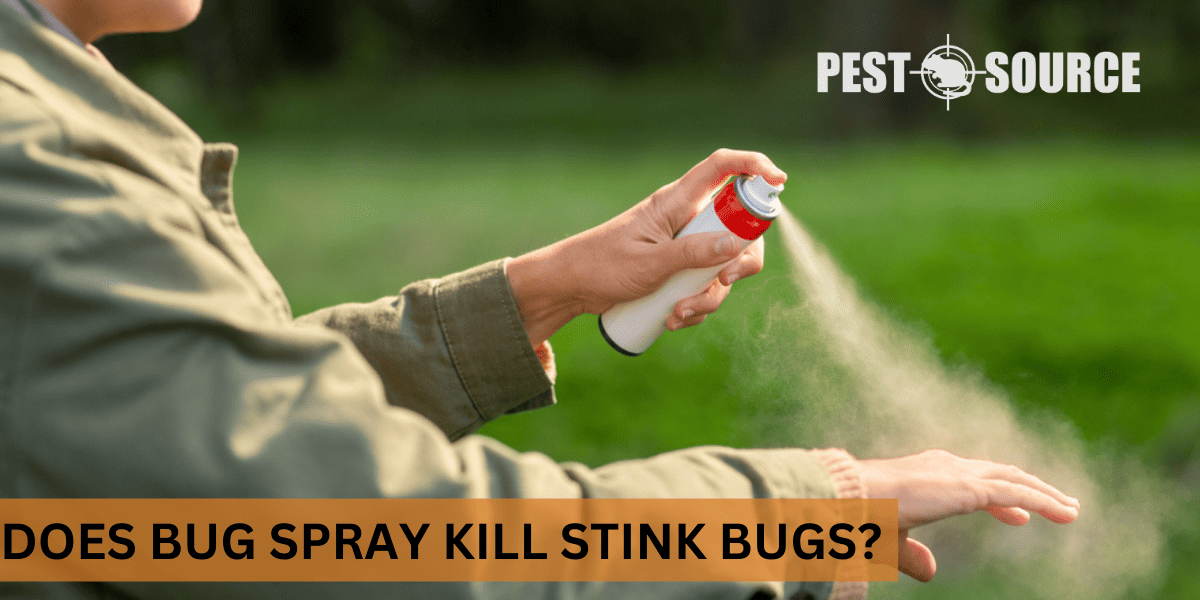
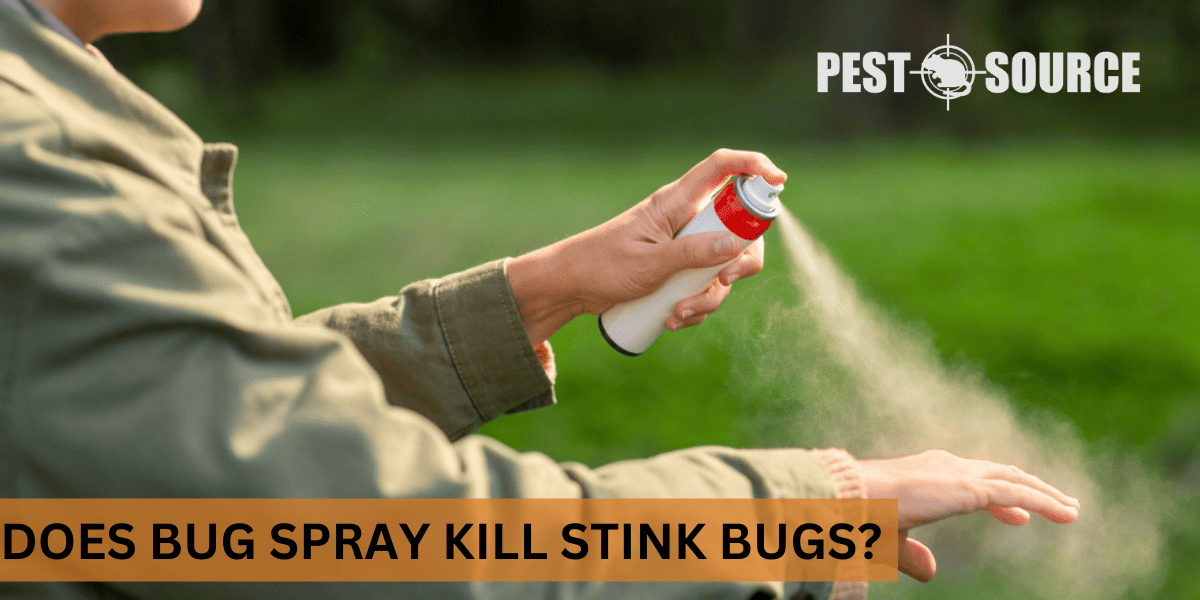
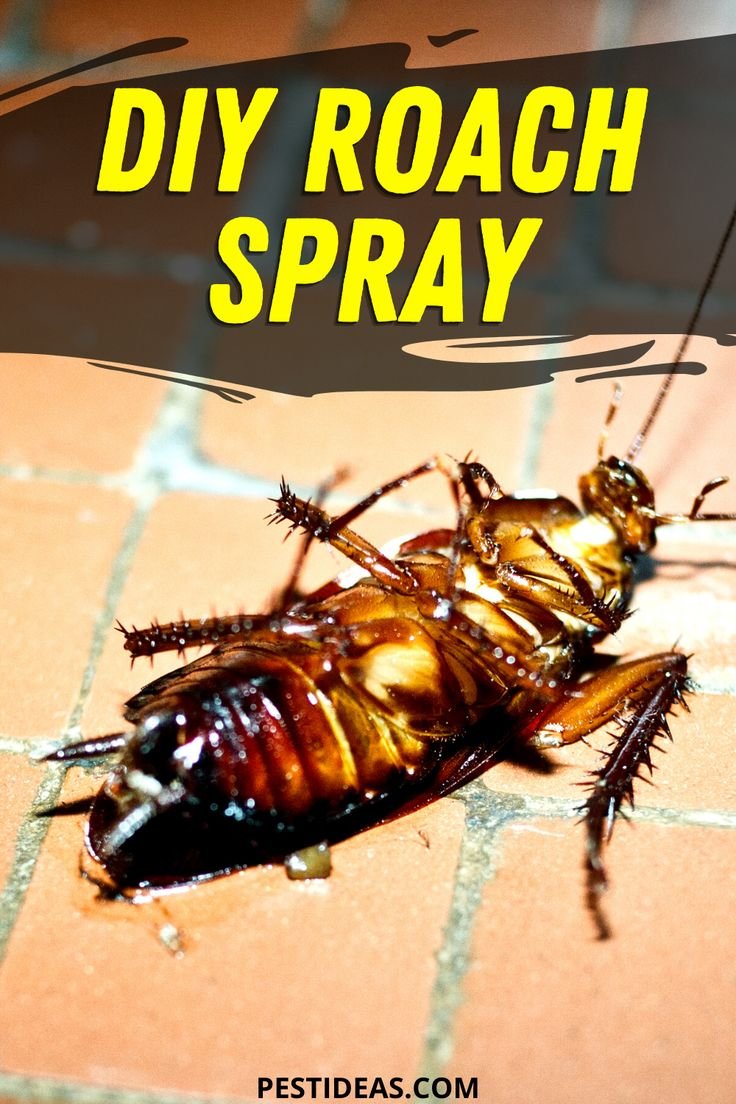
Bug spray kills bugs by exposing them to chemicals that disrupt their nervous systems, block vital body functions, or prevent normal growth. Many common household sprays cause insects to lose control of their muscles, become paralyzed, and die after contact with the treated surface or spray droplets.
Across the United States, bug spray is a common tool for dealing with ants, roaches, mosquitoes, flies, spiders, and other household pests. People use it in kitchens, garages, yards, and around doors to reduce unwanted insects. However, a spray can do much more than simply wet or coat a bug. Its active ingredients can interfere with the tiny systems that keep an insect alive.
Most common household insecticides work by attacking an insect’s nervous system. Some affect the electrical signals that control movement, while others interfere with chemical messages between nerve cells. Other products work in different ways, such as damaging an insect’s outer covering or interrupting its growth. The exact effect depends on the active ingredient and the type of insecticide.
Understanding this process helps explain why some bugs die within minutes while others keep moving for hours. It also explains why a spray that kills ants may not work well against bed bugs or why spraying one visible roach may not remove an entire infestation. The product label, insect species, exposure, and application method all matter.
Source: storage.googleapis.com
How Does Bug Spray Kill Bugs?
Bug spray kills bugs by delivering an insecticide into or onto their bodies. Once the active ingredient enters the insect, it interferes with a biological process that the insect needs to survive. In many household sprays, that process involves the nervous system.
An insect’s nervous system controls movement, feeding, breathing-related muscle activity, and other vital functions. Nerve cells send electrical signals to tell muscles when to contract and relax. When an insecticide interrupts these signals, the insect may twitch, shake, lose balance, or become unable to move.
Think of the nervous system as a network of electrical wires. If the wires stop sending the right signals, the body cannot respond normally. Insecticides can create a similar problem inside a bug, eventually causing paralysis and death.
However, this is not the only way bug spray works. Different active ingredients have different targets, and some products combine several ingredients to improve pest control.
Source: best-infographics.com
Nerve disruption
The insecticide interferes with nerve signals, making normal movement and body control difficult or impossible.
Muscle failure
The insect may experience repeated muscle contractions, shaking, loss of coordination, or paralysis.
Vital system failure
Severe disruption can prevent the insect from feeding, moving, or maintaining essential body functions.
Death
When the chemical exposure is sufficient and the insect is susceptible, the damage eventually causes death.
What Happens Inside a Bug After Spraying?
The process starts when an insect receives the insecticide. A spray droplet may land directly on its body, or the insect may walk across a treated surface. Depending on the chemical, the active ingredient can pass through the outer body covering and reach its internal systems.
Once the chemical reaches its target, normal biological activity becomes disrupted. With nerve-targeting insecticides, the insect may first move unusually or become restless. It can then lose coordination, fall over, and become paralyzed.
The final stage depends on the active ingredient and the amount absorbed. Some insects die quickly, while others take longer. A lack of movement alone does not always prove that the insect is dead.
First exposure
The insect touches, absorbs, inhales, or eats the insecticide, depending on the product and its use.
Chemical action
The active ingredient reaches a biological target and interferes with its normal function.
Visible symptoms
The insect may shake, twitch, move irregularly, lose balance, or stop moving.
Final effect
Sufficient exposure may lead to paralysis and death, although the timing varies.
How Bug Spray Affects an Insect’s Nervous System
The nervous system is a major target for many insecticides because insects need it to control nearly every movement. Nerve cells communicate through electrical signals and chemical messengers. These signals tell an insect when to walk, fly, feed, and respond to danger.
When an insecticide changes how these signals work, the insect loses normal body control. Some chemicals keep nerve cells active for too long. Others prevent important chemical messengers from being broken down, which causes signals to build up.
This explains why a sprayed insect may show unusual behavior before dying. It may run in circles, move its legs repeatedly, shake, or turn onto its back. These signs can indicate nervous system disruption, but the exact symptoms depend on the chemical.
Source: storage.googleapis.com
Normal nerve activity
Nerve cells send controlled electrical and chemical messages that help muscles work properly.
Disrupted communication
The insecticide changes how nerve signals begin, continue, or stop.
Loss of control
The insect develops abnormal movements, weakness, or paralysis.
Why Do Bugs Twitch After Being Sprayed?
Twitching happens because some insecticides interfere with the normal electrical activity of nerve cells. The insect’s muscles may receive repeated or poorly controlled signals. Instead of moving smoothly, the legs and body may jerk or shake.
Pyrethrin and pyrethroid insecticides are well-known examples. They affect sodium channels in nerve cell membranes. These channels help control electrical signals, and disrupting their normal operation can overstimulate the insect’s nerves.
Twitching is not a reliable sign that the insecticide has failed. It can be part of the poisoning process. However, the insect may still be alive while showing these symptoms.
Repeated signals
Nerve cells may send abnormal electrical signals that cause repeated muscle contractions.
Poor coordination
The insect may struggle to walk, fly, climb, or remain upright.
Possible paralysis
As the effects continue, the insect may lose the ability to move normally.
What Are Sodium Channels?
Sodium channels are tiny protein structures in nerve cell membranes. They allow charged sodium particles to move across the membrane, helping create the electrical signals that nerves use to communicate.
Some insecticides interfere with how these channels open and close. When normal control is disrupted, nerve cells can remain active longer than they should. This can produce uncontrolled movements followed by paralysis.
The effect is especially important for understanding pyrethrins and pyrethroids. These ingredients are common in products designed to control flying and crawling insects.
Normal function
Sodium channels help nerve cells produce and control electrical impulses.
Chemical interference
Certain insecticides delay the normal closing of these channels.
Result
Abnormal nerve activity can lead to shaking, loss of coordination, and paralysis.
Common Chemicals That Make Bug Spray Effective
The active ingredient determines how an insecticide affects a bug. Two products may both be called bug spray but contain different chemicals that work through different biological processes. Reading the active ingredients section on the label is the best way to understand what a particular product does.
Many household insecticides contain pyrethrins or synthetic pyrethroids. Other insecticides use ingredients that affect nerve communication, energy production, or insect development. Some products also contain supporting ingredients that help the active chemical work better.
The following groups explain several important insecticide mechanisms. They are examples of chemical classes, not a list of ingredients found in every household spray.
Source: homelyville.com
Pyrethrins
Natural insecticidal compounds obtained from certain chrysanthemum flowers. They disrupt insect nerve activity.
Pyrethroids
Synthetic chemicals related to pyrethrins. Examples include permethrin, deltamethrin, and prallethrin.
Organophosphates
Chemicals that inhibit an enzyme called acetylcholinesterase, allowing a nerve messenger to build up.
Insect growth regulators
Chemicals that interfere with insect development, molting, or reproduction rather than simply causing immediate death.
Pyrethrins and Synthetic Pyrethroids
Pyrethrins come from certain chrysanthemum flowers and have insect-killing properties. Synthetic pyrethroids are human-made chemicals designed to produce related insecticidal effects. Both groups can disrupt the normal function of insect nerve cells.
Common examples of synthetic pyrethroids include permethrin, deltamethrin, and prallethrin. Depending on the formulation, these ingredients may be used in products for mosquitoes, ants, flies, and other pests.
Some formulations also contain piperonyl butoxide. This ingredient is called a synergist because it can reduce the insect’s ability to break down certain insecticides. It helps the active insecticide work more effectively, but it is not itself the primary insect-killing ingredient.
Main action
Interferes with sodium channels and normal nerve signaling.
Typical symptoms
Twitching, abnormal movement, loss of coordination, and paralysis.
Important limitation
Some insects have developed resistance to certain pyrethroids, so effectiveness can vary.
Organophosphates
Organophosphates use a different nerve-targeting method. They inhibit an enzyme called acetylcholinesterase. Under normal conditions, this enzyme breaks down acetylcholine, a chemical messenger that helps nerve cells communicate with muscles.
When the enzyme is blocked, acetylcholine can accumulate at nerve connections. The resulting overstimulation can cause repeated muscle activity, weakness, and paralysis.
Organophosphates require particular care because some members of this chemical group can also be highly toxic to people and other animals. Their presence should never be assumed from the general term bug spray. Always check the product’s active ingredient and safety instructions.
Target
The acetylcholinesterase enzyme involved in nerve signaling.
Effect
Acetylcholine builds up, disrupting normal nerve and muscle activity.
Safety concern
Exposure can be dangerous to people and animals, making label compliance essential.
Insect Growth Regulators
Not every insecticide kills a bug by attacking its nerves. Insect growth regulators, often called IGRs, interfere with the processes insects need to grow and develop. They may mimic insect hormones or disrupt the formation of a new outer covering.
Young insects often need to shed their outer covering as they grow. If a growth regulator interferes with this process, the insect may fail to develop into a healthy adult. Some products also interfere with egg hatching or reproduction.
IGRs are useful in certain pest control programs because they can affect later generations. However, many do not kill adult insects quickly. For that reason, some pest control formulations combine an IGR with an adult-killing insecticide.
Growth disruption
Prevents normal development from one life stage to another.
Egg and larval effects
May prevent eggs from hatching or young insects from developing properly.
Longer-term control
Can reduce the number of insects that reach adulthood or reproduce.
How Does Bug Spray Enter an Insect’s Body?
Bug spray can reach an insect’s internal systems through different exposure routes. The route depends on the product’s formulation, the insect’s behavior, and the way the insecticide is applied. This is why a spray may work when it directly hits a bug or when a pest walks across a properly treated surface.
A contact insecticide can pass through the insect’s outer body covering, called the cuticle. The cuticle acts as a protective barrier, but it does not prevent every chemical from entering. Some active ingredients can pass through it and reach internal tissues.
Other insecticides work after a bug eats contaminated material. Some products can also enter through breathing openings or other exposure pathways. The label identifies the intended application and should guide how the product is used.
Source: storage.googleapis.com
Contact exposure
The insect receives the chemical directly through contact with spray droplets or treated surfaces.
Stomach exposure
The insect eats treated material or bait and absorbs the active ingredient through its digestive system.
Respiratory exposure
Certain chemicals or fumigants enter through the insect’s breathing system.
Surface exposure
A pest walks over an appropriate treated surface and picks up the insecticide.
What Is a Contact Insecticide?
A contact insecticide is designed to affect an insect when the chemical touches it. The active ingredient may enter through the outer body covering and interfere with an important internal process.
Many aerosol household sprays use contact action against insects such as flies, mosquitoes, and crawling pests. Direct exposure can produce visible effects, but the amount absorbed still matters.
A contact insecticide does not always kill every bug immediately. Some products require sufficient exposure, and some insects may recover from an inadequate dose. Follow the label rather than spraying extra product in an attempt to speed up the process.
Direct application
The insect comes into contact with the spray itself.
Treated surfaces
Some products leave an insecticidal residue that can affect pests that later cross the treated area.
Exposure limits
Effectiveness depends on the product, insect species, and amount of active ingredient received.
Can Bugs Die After Walking on a Sprayed Surface?
Yes, certain residual insecticides can kill insects after they walk across a treated surface. The chemical remains active for a period after application, allowing insects to pick it up when they cross the treated area.
For example, a crawling insect may move across a properly treated crack or other permitted surface. The insecticide can then enter its body and disrupt its normal biological functions.
However, not every spray leaves an effective residue. Some products are intended mainly for direct contact, while others are designed for residual control. Sunlight, moisture, surface type, cleaning, and the product formulation can affect how long a residue remains effective.
Residual action
The active ingredient remains on a treated surface after the spray has dried.
Insect contact
A crawling pest picks up the chemical while crossing the treated area.
Chemical effect
The absorbed insecticide affects the insect’s target biological system.
How Long Does Bug Spray Take to Kill Bugs?
Bug spray can kill some insects within minutes, while other products take several hours or longer to produce their full effect. There is no single killing time that applies to every insecticide.
Fast-acting sprays often cause a visible knockdown effect. This means the insect quickly loses its ability to move or fly normally. However, knockdown and death are not always the same thing.
Residual insecticides may work more slowly because insects need to encounter and absorb the chemical. Growth regulators can take even longer because their main effect may appear during molting, egg development, or reproduction.
The product label is the most useful source for understanding the expected action and permitted application method. Avoid assuming that a bug is dead simply because it has stopped moving.
Source: morningchores.com
Active ingredient
Different chemicals act on different biological targets and produce different response times.
Insect species
A chemical that works quickly against one insect may have a different effect on another.
Exposure amount
The amount of insecticide that reaches the insect can affect the result.
Resistance
Some insect populations have developed resistance that reduces the effectiveness of certain insecticides.
Application conditions
Surface type, weather, moisture, and correct product use can affect exposure and residual performance.
Why Do Some Bugs Keep Moving After Being Sprayed?
An insect may continue moving after exposure because the active ingredient has not yet produced its full effect. The chemical may need time to enter the insect and reach its biological target.
Some insects also show temporary knockdown without dying. They may appear motionless or unable to walk, then recover if the exposure was not sufficient or the chemical does not produce a lasting effect.
Another possible reason is insecticide resistance. Resistant insects may survive exposure that would kill susceptible members of the same species. Repeatedly spraying the same chemical is not always the answer.
Slow absorption
The chemical may need more time to reach its target inside the insect.
Temporary knockdown
The insect may lose movement for a while without being permanently killed.
Insufficient exposure
The insect may not have received enough active ingredient for a lethal effect.
Chemical resistance
The insect population may be less sensitive to the active ingredient.
Why Doesn’t Bug Spray Kill Every Type of Bug?
A bug spray does not kill every insect because insect species differ in their biology, behavior, and sensitivity to chemicals. A product designed for flying mosquitoes may not be suitable for a bed bug infestation or a colony of ants.
Some insects avoid treated surfaces. Others hide in cracks, wall spaces, furniture joints, or other places where the spray cannot reach them. Even when a product contains an effective active ingredient, poor access to the pest can limit control.
Resistance is another important reason. Some insect populations have developed biological traits that help them survive exposure to certain insecticides. This can make a product less effective even when it is applied according to its label.
The right approach is to identify the pest first and select a product specifically labeled for that insect and location. For a large or persistent infestation, an integrated pest management plan may be more useful than repeated spraying.
Source: gosupps.com
Different insect biology
Insects vary in their ability to absorb, break down, and tolerate specific chemicals.
Hidden locations
Pests inside walls, furniture, nests, and narrow gaps may avoid direct exposure.
Chemical resistance
A resistant population may survive a product that previously controlled the same pest.
Wrong product
A spray may not be labeled or formulated for the insect being treated.
Does Bug Spray Kill Eggs?
Some insecticides can affect insect eggs, but many ordinary adult-killing sprays do not reliably destroy every egg. Eggs may have protective outer coverings, and the active ingredient may not reach them at an effective level.
Insect growth regulators can provide a different type of control. Depending on the ingredient, they may prevent eggs from hatching or stop young insects from developing normally.
This difference matters when treating pests such as fleas and cockroaches. Killing visible adults may not remove eggs or immature insects that remain in the environment. A complete control plan must account for the pest’s life cycle.
Adult-killing products
Usually target active insects, but should not be assumed to destroy all eggs.
Egg-active products
Certain formulations are specifically designed to affect eggs or prevent hatching.
Growth regulators
Can interrupt development and reduce the number of insects that reach adulthood.
Does One Spray Kill an Entire Ant or Roach Colony?
Usually, spraying one visible insect does not guarantee that an entire colony will die. Ant colonies may contain queens, workers, and young insects in hidden nesting areas. Cockroaches can also hide in locations that ordinary surface spraying does not reach.
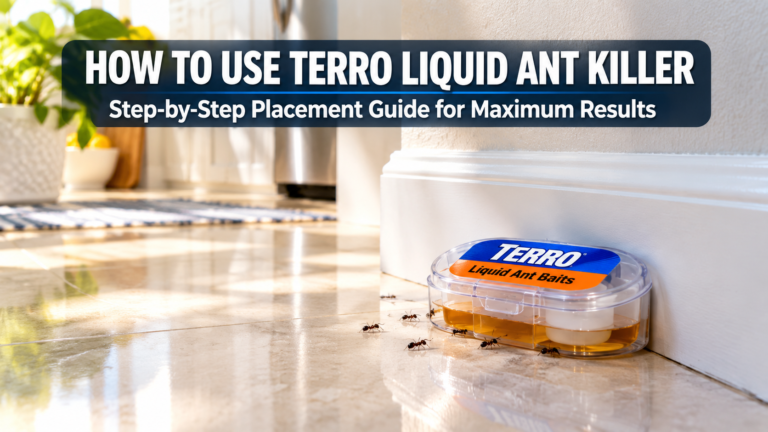
Some ant baits work by allowing worker ants to carry a suitable food-based insecticide back to the colony. Certain cockroach baits use a similar principle. These methods can reach pests that are not directly exposed to a spray.
The best approach depends on the species and the location of the infestation. Combining sanitation, exclusion, monitoring, and a suitable labeled treatment can provide better long-term control than repeatedly spraying visible insects.
Direct spraying
Can kill exposed insects but may leave hidden colony members untouched.
Baiting
Can allow an insecticide to reach pests that consume or share the bait.
Integrated control
Uses several compatible methods to reduce food, water, shelter, and access to the home.
Does Bug Spray Kill Bugs Immediately or Just Repel Them?
Some bug sprays kill insects, while others mainly repel them. These are two different functions, even though people often use the same general term for both products.
An insecticide contains an active ingredient intended to kill, harm, or control a pest. A repellent is designed to discourage an insect from approaching, landing, or biting. Some products combine insecticidal and repellent effects, but not every repellent kills bugs.
For example, a mosquito repellent applied to skin may help prevent mosquitoes from landing and biting. It does not necessarily kill the mosquitoes. An outdoor mosquito adulticide, by contrast, is intended to kill adult mosquitoes when they receive an effective exposure.
Check the product label to understand its purpose. Words such as repels, kills on contact, controls, and prevents development describe different effects and should not be treated as interchangeable.
Source: ccpi.com.ph
Insecticide
Designed to kill or control insects through a chemical or biological action.
Repellent
Designed to discourage insects from approaching or landing on a person, animal, or treated area.
Combination product
May provide more than one effect, depending on the active ingredients and approved uses.
How Can You Tell Whether a Spray Kills or Repels Bugs?
Start by reading the front label and the directions for use. A product marketed as an insect repellent may be designed to prevent bites rather than kill insects. A household insecticide may be intended for direct treatment of pests or specific surfaces.
Next, check the active ingredients and the pests listed on the label. Do not assume that a product effective against mosquitoes will also kill bed bugs, fleas, or cockroaches.
Finally, check where the product is allowed to be used. A skin-applied repellent, an indoor insecticide, and an outdoor yard treatment are not interchangeable.
Read the purpose
Look for clear statements about killing, controlling, or repelling insects.
Check target pests
Confirm that the insect you want to control appears on the product label.
Check application areas
Use the product only on the people, surfaces, or locations listed in its directions.
Is Bug Spray Dangerous to Humans, Pets, and Other Insects?
Bug spray can pose health and environmental risks when it is misused or when people and animals receive unintended exposure. The level of risk depends on the active ingredient, formulation, amount, exposure route, and individual sensitivity.
Many insecticides target biological systems found in insects, but that does not mean they are completely harmless to mammals. Some chemicals can affect people and pets if they are inhaled, swallowed, or absorbed through the skin in sufficient amounts.
Sprays can also affect bees, butterflies, and other beneficial insects. Broad-spectrum insecticides may kill insects that help pollinate plants or control other pests. This is why the location and timing of an application matter.
In the United States, the Environmental Protection Agency regulates pesticide products and their approved uses. The product label provides the directions and precautions that must be followed.
Source: pestsource.com
People
Avoid breathing spray mist or allowing unintended skin and eye contact. Follow all label precautions.
Pets
Keep animals away from treated areas as directed. Never apply household insecticide directly to an animal unless the label specifically permits that use.
Beneficial insects
Some insecticides can harm bees, butterflies, and other non-target insects.
Aquatic life
Certain insecticides can be harmful to fish and other aquatic organisms. Prevent runoff and follow environmental precautions.
How to Use Bug Spray More Safely at Home
Safe use starts with choosing a product labeled for the pest and the place you intend to treat. A product approved for outdoor plants may not be appropriate for a kitchen counter, bedroom, or pet area.
Before application, remove food, dishes, toys, and other items that could receive unintended spray. Follow the label’s instructions about ventilation, protective equipment, and keeping people and animals away.
Do not use more spray than directed. Applying extra insecticide does not guarantee faster pest control and can increase unnecessary exposure. Do not mix different insecticide products unless their labels specifically permit the combination.
After treatment, follow the stated reentry and cleaning instructions. Some products require people and pets to stay away until the treated area has dried or for another period specified on the label.
Choose the correct product
Select an insecticide labeled for the target pest and the intended indoor or outdoor location.
Protect food and belongings
Remove or cover items that should not receive pesticide residue.
Follow application directions
Use only the stated amount and application method.
Protect children and pets
Keep them away from treated areas for the period specified on the label.
Avoid unnecessary spraying
Use sanitation, screens, sealed entry points, and other pest prevention methods alongside chemical control.
What Should You Do After Accidental Exposure?
If bug spray gets into someone’s eyes, onto their skin, or into their mouth, follow the first-aid directions on the product label. Move away from the spray area and avoid further exposure.
For an eye exposure, the label may direct immediate rinsing with clean water. For skin exposure, it may direct removing contaminated clothing and washing the affected area. Do not induce vomiting after swallowing an insecticide unless a qualified medical professional specifically instructs you to do so.
In the United States, contact Poison Control at 1-800-222-1222 for exposure guidance. Seek emergency medical help for serious symptoms, breathing difficulty, seizures, or loss of consciousness. Keep the product container or label available so medical staff can identify the ingredients.
Stop exposure
Move to fresh air or away from the treated area when it is safe to do so.
Follow label first aid
Use the specific instructions for the exposure route.
Contact Poison Control
Call 1-800-222-1222 in the United States for professional poisoning advice.
Get emergency help
Call 911 for severe symptoms or a life-threatening reaction.
How to Get Better Results From Bug Spray
Better pest control starts with identifying the insect and understanding where it lives. Spraying every visible bug may reduce activity for a short time, but it may not address the source of an infestation.
Start by checking common hiding and entry areas. Ants may follow trails near food or water, cockroaches often hide in dark gaps, and mosquitoes may rest in shaded outdoor areas. The correct treatment location depends on the pest.
Use an insecticide only when its label permits the target pest and application site. Combine chemical control with practical steps such as cleaning food spills, storing food in sealed containers, fixing leaks, removing standing water, and sealing entry points.
This approach is known as integrated pest management, or IPM. It focuses on reducing the conditions that attract pests while using pesticides carefully when they are needed.
Source: storage.googleapis.com
Identify the insect
Confirm whether you are dealing with ants, roaches, mosquitoes, flies, fleas, or another pest.
Find the source
Look for entry points, nesting areas, food sources, moisture, and common hiding places.
Choose a labeled treatment
Use a product approved for the specific pest and treatment location.
Reduce pest attractions
Remove food scraps, standing water, clutter, and other conditions that support pest activity.
Monitor the results
Check whether pest activity declines and whether additional control methods are needed.
What If Bug Spray Does Not Work?
If insects remain active after treatment, do not immediately apply another heavy dose. First, check whether the product is intended for that pest and whether the application followed the label.
Next, consider whether the insects are hiding in places the spray cannot reach. A surface treatment may not reach a nest inside a wall or pests deep within furniture. In these cases, another approved control method may be necessary.
Also consider resistance and the insect’s life cycle. Eggs and immature stages may survive some adult-killing products. A professional pest control service can help identify the cause and select a suitable treatment when an infestation persists.
Check the label
Confirm that the product is designed for the exact pest and application location.
Check coverage
Determine whether the insect could be hiding in an untreated area.
Consider the life cycle
Check whether eggs or young insects may remain after adult insects are killed.
Avoid repeated overuse
Do not increase the dose or application frequency beyond the label directions.
Seek professional help
Contact a qualified pest control professional for persistent or difficult infestations.
Frequently Asked Questions
Q
Does bug spray kill bugs instantly?
Some bug sprays produce rapid knockdown, causing insects to stop moving within a short time. However, this does not always mean they are dead. Other insecticides work more slowly and may take hours or longer to produce their full effect. The active ingredient, insect species, exposure, and product formulation determine the response time.
Q
Why do bugs flip over after being sprayed?
Bugs may flip over because the insecticide disrupts their nervous system and muscle control. Certain chemicals cause abnormal nerve activity, making insects shake, lose balance, and become unable to walk normally. This behavior can be a sign of poisoning, but it does not always prove that the insect has died.
Q
Can bugs survive after being sprayed?
Yes. Some insects can survive if they receive too little insecticide, avoid the treated area, or have resistance to the active ingredient. Temporary knockdown can also occur without permanent death. If pests continue appearing, check the product label and consider whether a different control method is needed.
Q
Does bug spray kill bugs when they are not directly sprayed?
Some insecticides can kill bugs without direct spraying. Residual products leave active ingredients on approved surfaces, where insects may pick them up by walking across them. Baits work differently by allowing insects to consume an insecticide. However, ordinary contact sprays may not provide effective control when insects never receive sufficient exposure.
Q
Does bug spray kill insect eggs?
Some products can affect insect eggs, but many adult-killing sprays do not reliably destroy them. Insect growth regulators may prevent eggs from hatching or interfere with the development of young insects. Check the label to see whether the product is specifically intended to control eggs or immature life stages.
Q
Does bug spray kill all types of insects?
No. Insecticides differ in the pests they control, and some insects are naturally less sensitive or have developed resistance. A product labeled for mosquitoes may not work against bed bugs or other household pests. Always identify the insect and select a product whose label includes that pest.
Q
Why do some bugs keep moving after bug spray hits them?
The insecticide may need time to enter the insect and affect its biological target. Some insects also show twitching or temporary knockdown before recovering or dying. If the insect survives, possible explanations include insufficient exposure, resistance, or an unsuitable product.
Q
Can bug spray kill ants and cockroach colonies?
Direct spraying can kill exposed ants and cockroaches, but it does not necessarily reach the entire colony or infestation. Hidden insects, queens, and eggs may remain. Suitable baits, sanitation, sealing entry points, and targeted treatment can provide more complete control than spraying visible insects alone.
Q
Is bug spray safe after it dries?
The answer depends on the product, its active ingredient, the treated surface, and the label instructions. Drying does not automatically make every pesticide residue harmless. Keep people and pets away for the stated period, follow reentry instructions, and clean treated surfaces only as directed.
Q
Does natural bug spray work the same way as chemical bug spray?
Not necessarily. Natural insecticides can contain active compounds that affect insect nerves or other biological systems, while other plant-based products may mainly repel insects. Natural does not automatically mean harmless or equally effective. Check the active ingredients, intended pests, and safety directions before using any product.
✦ Wrapping Up
Conclusion
Bug spray kills bugs by interfering with the biological systems they need to survive. Many common household insecticides attack the nervous system, causing abnormal movement, muscle disruption, paralysis, and eventually death. Other products affect digestion, energy production, body development, or reproduction.
The exact result depends on the active ingredient, insect species, exposure amount, and application method. Some sprays work quickly, while residual products and growth regulators may take longer. A bug that stops moving is not always dead, and killing a few visible insects does not necessarily remove an entire infestation.
For better results, identify the pest, choose a product labeled for that insect, and follow every application and safety direction. Combine appropriate treatments with cleaning, moisture control, food storage, and sealing entry points. This helps control pests while reducing unnecessary pesticide use.
💡 Key Takeaway
Before using bug spray, read the active ingredients and product label. Confirm that the product targets your insect and is approved for the area you plan to treat. Apply only as directed, protect people and pets, and use additional pest prevention methods to address the source of the infestation.