No, properly formulated insect repellent does not normally attract bugs. It is designed to make people less appealing to biting insects or keep them away. However, some insects may still fly near you because the spray does not remove every signal that attracts them.
In the United States, people use bug spray during backyard cookouts, camping trips, summer walks, fishing trips, and other outdoor activities. Mosquitoes, ticks, flies, and other biting pests can make these activities uncomfortable. A common concern is whether applying insect repellent might actually bring more bugs closer instead of keeping them away.
The answer depends on the type of spray. Personal insect repellents contain active ingredients designed to interfere with the way certain insects find people. Ingredients such as DEET, picaridin, and IR3535 help reduce the chance of bites. They do not work like food bait, and their purpose is not to attract insects.
Still, seeing mosquitoes or other insects after applying a spray can be confusing. A mosquito may continue flying around because it can detect carbon dioxide, body heat, movement, and other signals. A repellent usually creates protection near treated skin or clothing rather than removing every insect from the surrounding area.
It also helps to understand the difference between personal insect repellent, household insecticide, and insect bait. These products have different jobs. Knowing which one you are using can explain why insects sometimes remain nearby and how to prevent them more effectively.
Source: tagvault.org
Does Bug Spray Actually Attract Bugs?
No, ordinary personal insect repellent is not designed to attract bugs. Its main purpose is to interfere with the signals insects use to find a person. This makes it harder for certain biting insects to land and feed.
The Environmental Protection Agency explains that skin-applied insect repellents make people less attractive to pests. They are pesticides under federal pesticide law, but they do not need to kill insects to provide protection.
A common reason for confusion is that insects may still fly around someone who has applied repellent. A mosquito can approach a person before detecting the repellent. It may also find an area of skin that was not covered properly.
Therefore, seeing bugs nearby does not prove that the spray attracted them. The insects may already have been in the area or may be responding to other sources of attraction.
Source: images.inkl.com
Personal repellents
These products make treated skin or clothing less appealing to certain biting insects. They are intended to prevent bites rather than lure pests.
Household insecticides
These products are made to kill or control insects. Their effects depend on the active ingredient, target pest, and application method.
Insect baits
Some baits contain food-like substances or other attractants that encourage pests to approach and consume the treatment.
Why Do Bugs Still Fly Around After Applying Repellent?
Repellent does not create an invisible wall that removes every insect from the air. It mainly affects how certain insects detect or approach a treated person. This means mosquitoes may still fly nearby even when the product is working.
Mosquitoes use several signals to locate people. These include carbon dioxide from breathing, skin odors, body heat, and visual cues. A personal repellent can interfere with some of their sensory processes without removing these other signals from the environment.
Untreated skin
A missed area on the ankle, wrist, neck, or leg can give mosquitoes an opportunity to bite.
Nearby breeding areas
Mosquitoes may already be present because of standing water, damp areas, or nearby vegetation.
Limited protection time
Sweat, water, rubbing, and the product formulation can affect how long protection lasts.
How Does Bug Spray Work Without Attracting Insects?
Personal insect repellents work by changing how insects sense and respond to a potential host. They do not need to kill a mosquito or make every insect leave an outdoor space. Their main job is to reduce the chance that a biting insect will land and feed.
Different active ingredients work in different ways. Some affect the insect’s ability to detect human odors, while others create a chemical environment that discourages landing or biting.
For example, DEET is widely used in personal repellents. The EPA explains that DEET makes it harder for mosquitoes to smell people. This helps reduce their ability to locate a person as a suitable feeding target.
Other ingredients, such as picaridin and IR3535, also provide protection against certain biting insects. The exact level and duration of protection depend on the formulation, concentration, target species, and conditions of use.
Source: mdpestcontrol.com.au
DEET
A well-established active ingredient used to repel mosquitoes, ticks, and other biting pests. It interferes with the way insects detect a human host.
Picaridin
A common repellent ingredient that helps protect against mosquitoes and ticks. It is available in sprays and other personal-use formulations.
IR3535
An EPA-registered repellent ingredient used in products designed to protect against certain biting insects.
Oil of lemon eucalyptus
A formulated repellent ingredient that can provide protection against mosquitoes. It should not be confused with ordinary eucalyptus essential oil.
Does DEET Attract Mosquitoes?
No. DEET is designed to repel mosquitoes rather than attract them. It changes how mosquitoes detect a potential human host, making it harder for them to locate and bite treated skin.
You may still notice mosquitoes flying around your body after applying DEET. This does not mean the ingredient is drawing them toward you. They may be responding to your breathing, body heat, movement, or other nearby people and animals.
The concentration of DEET can affect how long protection lasts. A higher concentration generally provides longer protection, but it does not automatically make the product better at keeping every insect away. Choose a formulation based on the protection time you need and its label directions.
Choose the right concentration
Consider the expected time outdoors, target insects, and product label rather than choosing the strongest available formula automatically.
Apply evenly
Cover the exposed areas listed on the label without spraying under clothing or using more product than directed.
Does Picaridin Attract Bugs?
Picaridin does not normally attract insects. It is a personal repellent used to discourage mosquitoes, ticks, and certain other biting pests from approaching and feeding.
Many people choose picaridin because some formulations have little noticeable odor and do not have the same effect on plastics and synthetic materials as DEET. However, these differences do not mean that picaridin attracts or kills more insects.
As with other repellents, correct application matters. A product cannot protect skin that remains untreated, and its protection may decline after water exposure or heavy sweating.
Check the target pest
Read the label to confirm that the product is intended for the insects you want to avoid.
Follow reapplication directions
Use the product again only as directed by its label.
Why Do More Bugs Seem to Appear After Using Bug Spray?
If more insects seem to appear after you spray, the timing may be coincidental. A personal repellent does not usually attract insects, but several environmental factors can make a person or outdoor area attractive to pests.
For example, mosquitoes may gather near a patio because of nearby standing water. Flies may appear because of uncovered food or trash. Moths and other flying insects may gather around outdoor lights.
The smell of a product can also create confusion. A strong fragrance may be noticeable to people, but a noticeable smell does not automatically mean insects are attracted to it. There is no general evidence that ordinary personal insect repellents attract bugs simply because they have an odor.
Instead of assuming that the spray is the problem, look at the area around you. Finding the actual source of insect activity is often more useful than changing repellents without a clear reason.
Source: bugtech.com
Standing water
Mosquitoes use water-holding containers as breeding sites. Buckets, flowerpot saucers, old tires, and clogged outdoor items can support mosquito development.
Food and drink
Sweet drinks, fruit, uncovered meals, and food waste can attract flies, ants, and other pests.
Outdoor lighting
Some flying insects are drawn toward artificial light, especially at night. The resulting activity may look like a reaction to nearby spray.
Warm and humid conditions
Weather can affect insect activity. Warm, humid conditions may increase the presence of certain pests in outdoor spaces.
Nearby vegetation
Dense plants, damp leaves, and sheltered areas can provide resting places for insects.
Can the Smell of Bug Spray Bring More Bugs?
A strong-smelling bug spray does not automatically attract insects. Human perception of a strong scent is not a reliable way to predict how an insect will respond to a chemical.
Different insect species respond to different chemical signals. Some substances can repel one type of insect while having little effect on another. A fragrance that smells pleasant to a person may also have no meaningful effect on a particular pest.
Some household pest products use food odors or pheromones as part of their bait system. These are specific pest-control formulations, not ordinary personal repellents. It is important to distinguish an intentionally attractive bait from a product designed to prevent bites.
Personal spray odor
A noticeable fragrance does not prove that the product attracts mosquitoes, flies, or other pests.
Bait ingredients
Certain pest-control products deliberately use attractive substances to bring a target insect into contact with a treatment.
Unknown reactions
The effect of an individual fragrance on every insect species is not established. Avoid assuming that all bugs respond in the same way.
Can Household Bug Spray Attract Roaches, Ants, or Flies?
Household bug sprays are different from personal insect repellents. They may contain insecticides designed to kill insects on contact or leave a treated surface that affects pests later. Their purpose depends on the product and its label.
Most ordinary household insecticide sprays are not designed to attract roaches, ants, or flies. However, some pest-control products contain bait ingredients that are intended to attract a particular pest. This difference is important when choosing a treatment.
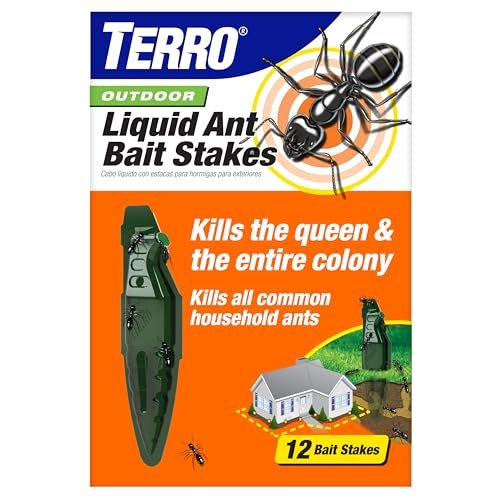
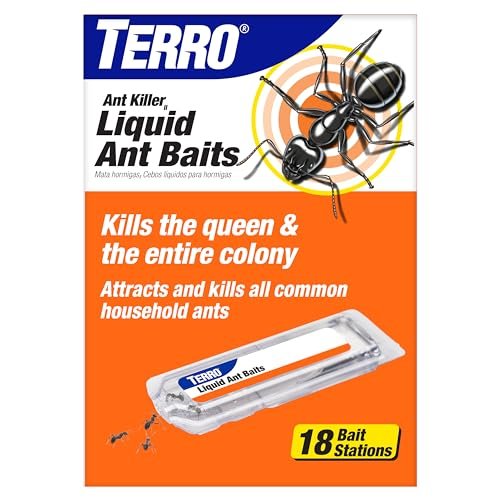
For example, an ant bait may contain a food-based substance that worker ants carry back to the colony. A roach bait may use food-like ingredients to encourage cockroaches to feed. These products are designed to exploit insect feeding behavior.
A general insecticide spray works differently. It may kill insects that contact the treated surface, but it does not necessarily remove the nest or colony. Some sprays can also interfere with bait treatments if they contaminate the bait area or cause insects to avoid it.
Source: emi.parkview.com
Cockroach sprays
These may kill roaches on contact or provide labeled residual control. They are not automatically attractive to cockroaches.
Ant baits
Some ant baits use food-based ingredients to encourage ants to feed and carry the bait back to their colony.
Fly sprays
These are generally designed to kill or control flies. They should not be confused with fly traps that use attractants.
Mosquito treatments
Different products may target adult mosquitoes, larvae, or the areas where mosquitoes rest and breed.
Does Roach Spray Attract Cockroaches?
Ordinary roach spray is not normally intended to attract cockroaches. It is formulated to kill or control them through contact or exposure to treated surfaces, depending on the product.
If cockroaches appear after spraying, they may have been hiding in cracks, cabinets, or wall openings. The treatment may disturb their hiding places, making them more visible for a short time.
For a persistent cockroach problem, identify the source of food, water, and shelter. Use products specifically labeled for cockroaches, and follow the instructions about where and how to apply them.
Remove food sources
Clean crumbs, seal food containers, and avoid leaving dirty dishes overnight.
Reduce moisture
Repair leaks and dry damp areas where cockroaches may find water.
Seal hiding places
Close gaps around pipes, cabinets, and other openings when practical.
Can Ant Spray Attract More Ants?
A standard ant insecticide spray is not generally designed to attract more ants. However, ant bait products can deliberately attract worker ants so they consume the treatment.
This can make an ant problem look worse at first. When ants discover a suitable bait, more workers may visit the bait station. That activity does not necessarily mean the bait is failing.
Avoid spraying directly over an ant bait unless its label specifically allows it. A repellent insecticide can interfere with the ants’ ability or willingness to reach the bait.
Do not confuse bait with spray
Bait is intended to be consumed, while many sprays are intended to kill insects through direct contact or exposure.
Follow product directions
Use the placement and application method specified for the exact ant-control product.
Which Types of Bug Spray Are Least Likely to Attract Insects?
An EPA-registered personal repellent is a sensible choice when the goal is to prevent mosquito and tick bites. These products have been evaluated for their stated repellent claims, and their labels provide instructions for proper use.
There is no need to select a product simply because it has a weak smell. A low-odor formula is not automatically more effective, and a strongly scented formula is not automatically attractive to insects. The active ingredient, formulation, target pest, and protection time matter more.
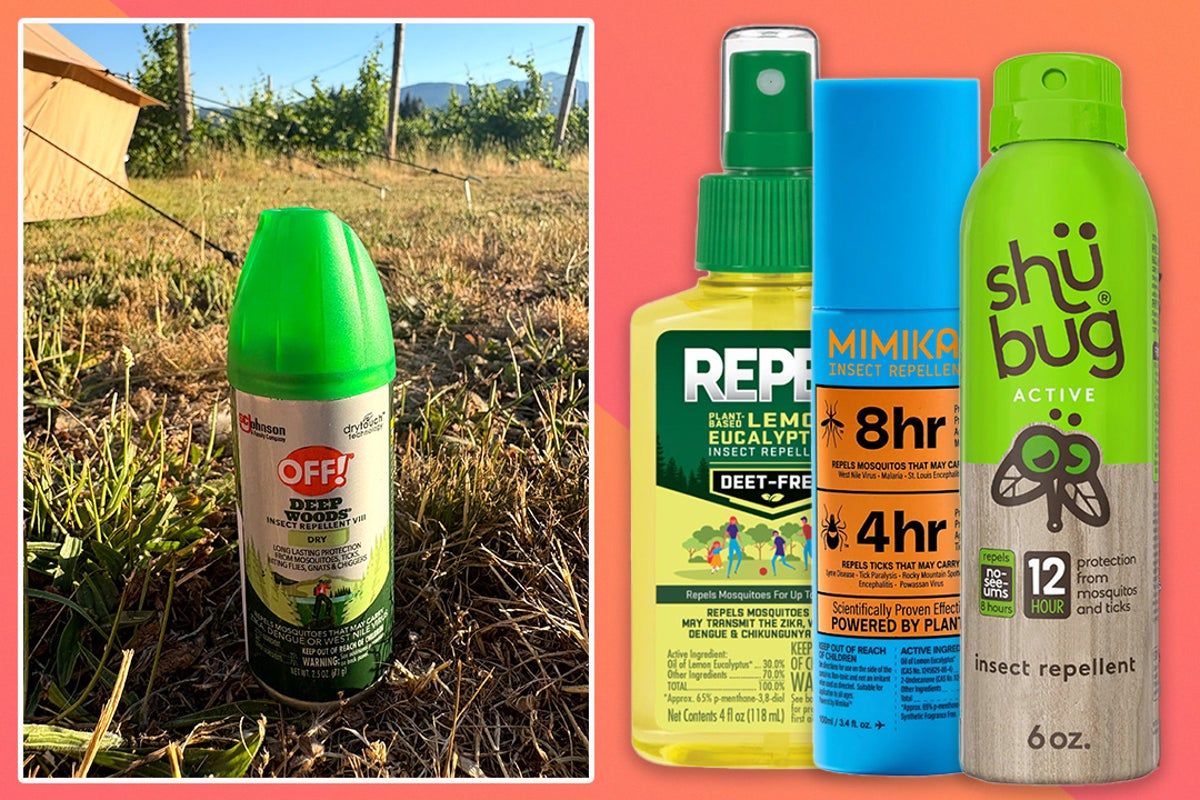
The Centers for Disease Control and Prevention recommends EPA-registered repellents containing ingredients such as DEET, picaridin, IR3535, oil of lemon eucalyptus, para-menthane-diol, and 2-undecanone.
Choose a product that lists the insect you want to repel. A mosquito repellent may not provide the same protection against every other insect, and a general household insecticide should never be treated as a substitute for a skin-safe personal repellent.
Source: lihpao.com
For mosquitoes
Consider an EPA-registered personal repellent with DEET, picaridin, IR3535, or another CDC-supported active ingredient.
For ticks
Choose a product with a label claim for ticks and follow its skin or clothing application instructions.
For outdoor clothing
Some clothing and gear can be treated with permethrin products. Permethrin clothing treatments are not the same as skin-applied repellents.
For indoor pests
Use a household product labeled for the specific insect and indoor location. Avoid using personal repellent as a general room insecticide.
Are Natural Bug Sprays More Likely to Attract Bugs?
Natural or plant-derived ingredients do not automatically attract insects. Some formulated plant-derived repellents are designed to discourage mosquitoes and other biting pests.
Oil of lemon eucalyptus and its related repellent ingredient PMD are examples of ingredients used in formulated products. They should not be confused with ordinary eucalyptus essential oil, which has not undergone the same testing as an EPA-registered repellent.
Some essential oils have strong scents, but scent strength alone does not establish whether a product will repel or attract a particular insect. Their effectiveness and safety can vary, especially when they are used without a tested formulation.
For reliable bite protection, check for an EPA registration number and choose a product with a clear claim for the pest you want to avoid.
Check the active ingredient
Look beyond words such as natural, botanical, or plant-based and identify the actual repellent ingredient.
Avoid homemade assumptions
A homemade mixture of essential oils is not automatically an effective or safe substitute for a tested repellent.
Check age restrictions
Some oil of lemon eucalyptus and PMD products should not be used on children under three years old. Follow the exact product label.
How to Stop Bugs From Gathering Around You
The best way to reduce insect activity is to combine a suitable repellent with simple environmental controls. A spray can protect your skin, but it cannot remove breeding sites, food sources, or hiding places from your yard.
Start by identifying the insects you see. Mosquitoes, ants, flies, and moths respond to different conditions, so the right prevention method depends on the pest.
For example, removing standing water can reduce mosquito breeding opportunities. Covering food and cleaning spills can help limit flies and ants. Adjusting outdoor lighting can also reduce the number of some flying insects near a patio or doorway.
These steps work best when used together. Personal protection and environmental pest control solve different parts of the same problem.
Source: i.ytimg.com
Remove standing water
Once a week, empty and scrub, turn over, cover, or discard containers that hold water. Check buckets, tires, flowerpot saucers, toys, and other outdoor items.
Keep food covered
Cover outdoor meals, store sweet drinks properly, and clean food scraps before they attract flies or ants.
Secure garbage
Use bins with tight-fitting lids and clean food residue from their surfaces.
Repair screens
Check window and door screens for holes that allow mosquitoes and other flying insects indoors.
Manage outdoor lights
Turn off unnecessary exterior lights and consider lighting options that attract fewer flying insects.
Wear protective clothing
Loose-fitting long sleeves, long pants, and suitable footwear can reduce exposed skin during outdoor activities.
How to Use Personal Bug Spray Correctly
Correct application helps a repellent perform as intended. Before using a product, read its label and check which insects it protects against, where it can be applied, and how often it may be reapplied.
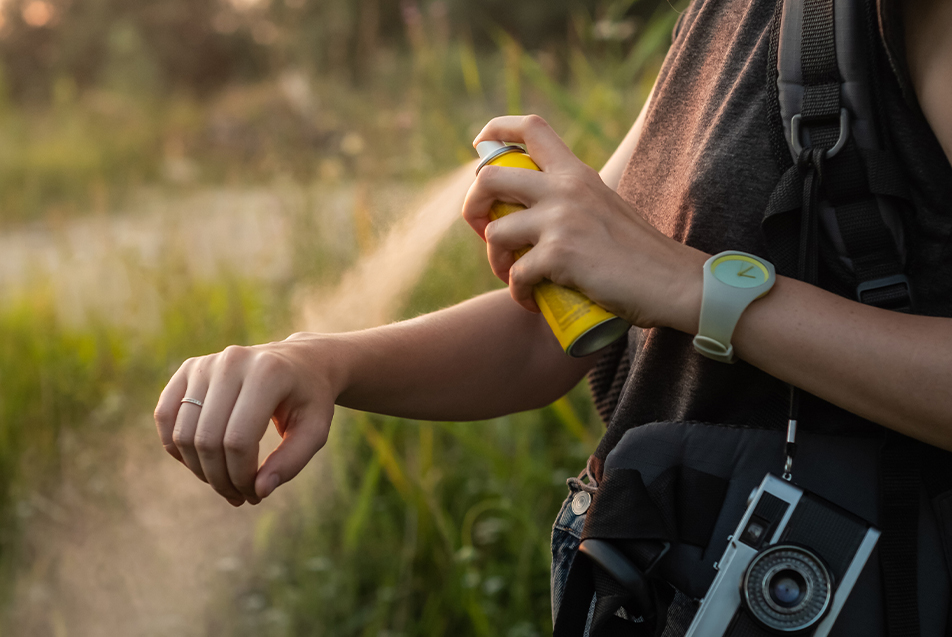
Apply the product only to the exposed skin or clothing permitted by the label. Do not spray under clothing, on cuts, or on irritated skin. When applying a spray to the face, spray it onto your hands first and then apply carefully, avoiding the eyes and mouth.
If you use sunscreen, apply sunscreen first and insect repellent afterward. Do not combine the products in one homemade mixture or use more repellent than the label recommends.
After returning indoors, wash treated skin with soap and water. Wash treated clothing when appropriate and store the container away from children and pets.
Read the label
Confirm the target insects, application areas, age restrictions, and reapplication instructions.
Apply to exposed areas
Use an even application without spraying beneath clothing or onto areas that the label excludes.
Avoid inhalation
Do not spray in enclosed spaces or breathe in the aerosol. Apply outdoors or in a suitable ventilated location as directed.
Reapply only when needed
Follow the stated protection period and reapplication instructions instead of repeatedly spraying whenever you see an insect.
Clean up afterward
Wash treated skin and follow the product directions for cleaning clothing and storing the container.
What to Do If Bugs Increase After Spraying
If insects seem more active after spraying, pause before applying another layer. More product is not always the answer, and repeated application can increase unnecessary exposure.
Check whether the product is a personal repellent, a contact insecticide, or a bait treatment. Then look for uncovered food, standing water, nearby lights, open doors, and other conditions that may explain the activity.
If the problem continues, identify the pest and select a treatment specifically labeled for it. A licensed pest-control professional can help when an infestation is widespread, difficult to identify, or resistant to ordinary prevention methods.
Identify the insect
Determine whether the problem involves mosquitoes, flies, ants, cockroaches, or another pest before changing treatments.
Check the application
Look for missed areas, expired products, incorrect application, or protection that has worn off.
Inspect the environment
Look for breeding sites, food sources, moisture, and outdoor conditions that may support insect activity.
Seek professional help
Consider a qualified pest-control professional when an infestation persists or the correct treatment is unclear.
Bug Spray Safety: What Should You Avoid?
Bug spray should be used only for the purpose stated on its label. A personal insect repellent is not automatically suitable for furniture, bedding, food surfaces, pets, or indoor air.
The EPA advises people to avoid breathing spray products, spraying in enclosed areas, and applying repellents near food. It also recommends keeping products away from children’s reach and following all label precautions.
Never assume that a product is safe for pets simply because it is safe for people when used as directed. Some insecticides can harm animals if they are applied incorrectly or if an animal comes into contact with a wet treatment.
Household insecticides may also have specific restrictions for kitchens, bedrooms, plants, and other surfaces. Read the complete label before applying any product indoors or outdoors.
Source: media.wired.com
Do not overapply
Using more repellent than directed does not guarantee better protection and may increase exposure.
Keep spray away from food
Avoid spraying near uncovered food, dishes, food preparation areas, or drinking water.
Protect children
Adults should handle application and prevent children from touching or playing with repellent containers.
Protect pets
Do not apply a human repellent or household pesticide to an animal unless the label clearly permits that use.
Avoid flames
Some aerosol products are flammable. Follow warnings about cigarettes, candles, stoves, and other ignition sources.
Can Bug Spray Harm People if Used Incorrectly?
Yes. Insect repellents and household pesticides can cause problems if they are swallowed, inhaled in large amounts, or used contrary to their labels. The type of exposure and the product ingredients affect the possible effects.
Some people may develop skin irritation, eye irritation, or an allergic reaction. Breathing aerosol spray can also cause discomfort, especially in poorly ventilated spaces.
If a product gets into the eyes, rinse with clean water and follow its label instructions. If someone swallows a pesticide or develops concerning symptoms after exposure, contact a poison center or seek medical assistance promptly.
In the United States, Poison Control can be reached at 1-800-222-1222. For a severe reaction, difficulty breathing, collapse, or another medical emergency, call 911.
Skin exposure
Wash the affected area with soap and water if irritation occurs, and seek medical advice if symptoms continue.
Eye exposure
Rinse the eyes with plenty of clean water and contact Poison Control for product-specific guidance.
Swallowing
Do not guess at a home remedy. Contact Poison Control immediately for instructions.
Breathing difficulties
Move to fresh air if safe and obtain emergency help for serious breathing problems.
How to Choose a Bug Spray That Provides Reliable Protection
Choose bug spray according to the insects you want to avoid, the length of your outdoor activity, and the areas where you plan to apply it. A product that works well against mosquitoes may not offer the same protection against every other pest.
For personal protection in the United States, check the product for an EPA registration number. This indicates that the product has been registered with the EPA and that technical information supporting its effectiveness has been submitted.
Compare active ingredients and protection claims rather than relying only on fragrance, packaging, or marketing terms. A pleasant scent does not establish that a product works, and a strong chemical smell does not prove that it attracts insects.
You should also consider the setting. A person going for a short walk may need a different protection period from someone spending several hours hiking, fishing, or camping. Follow the product’s stated protection time and reapplication directions.
Source: gosupps.com
Identify the target insect
Choose a product that specifically lists protection against the insects you expect to encounter.
Compare active ingredients
Look for established ingredients such as DEET, picaridin, IR3535, or formulated oil of lemon eucalyptus.
Check protection time
Select a formulation that suits the length of your activity and follow its reapplication instructions.
Check age restrictions, application locations, warnings, and other precautions before use.
Use other prevention methods
Combine repellent with protective clothing, window screens, and removal of standing water when appropriate.
Does a Stronger Bug Spray Keep All Bugs Away?
No. A stronger concentration does not mean a repellent will keep every insect away. The active ingredient, target species, formulation, and protection period all affect performance.
For some products, a higher concentration can provide longer protection. However, it does not necessarily make the product more effective at preventing every bite. The best approach is to select a suitable registered product and use it as directed.
A personal repellent also cannot replace other pest-control methods. Mosquitoes can still be present in the yard, and ants, flies, or cockroaches may require different prevention measures.
Do not judge by strength alone
Check the stated protection time and target pest instead of automatically choosing the highest concentration.
Match the product to the task
Use personal repellents for bite prevention and appropriate labeled pest-control products for household infestations.
What the Available Evidence Tells Us About Bug Spray and Insect Attraction
The main evidence supports a clear distinction between insect repellents and insect attractants. EPA guidance describes skin-applied repellents as products that make people less attractive to pests. The National Pesticide Information Center explains that mosquitoes and ticks use odors, carbon dioxide, heat, movement, and visual cues to find a host.
The CDC recommends EPA-registered products with established active ingredients for reducing bites. These recommendations support using a suitable personal repellent rather than avoiding it because insects may remain visible nearby.
There is an important limit to this conclusion. The fact that personal repellents are designed to repel does not prove that every fragrance or every pesticide formulation has the same effect on every insect species. Baits, household sprays, spatial repellents, and personal products must be considered separately.
A useful way to assess the issue is to ask three questions: Is the product a personal repellent, an insecticide, or a bait? Which insect does the label identify? What conditions could explain insect activity around the treated area? These questions help prevent confusion between attraction and ineffective protection.
Source: images.inkl.com
DOCUMENTED
EPA guidance states that personal repellents make people less attractive to pests. CDC guidance identifies several registered active ingredients for preventing insect bites.
DOCUMENTED
Mosquitoes and ticks use multiple environmental and biological signals when locating potential hosts.
ANALYSIS
Seeing insects near someone who has applied repellent does not establish that the product attracted them. Other environmental signals and incomplete coverage can explain the observation.
NOT ESTABLISHED
A universal claim that all bug sprays attract or repel every insect species is not supported. The result depends on the product formulation and target insect.
A Practical Next-Question Gap Map
Readers who ask whether bug spray attracts bugs may also need to understand why insects remain nearby, whether household insecticides behave differently, and what to do when a product appears ineffective.
The following map separates questions that follow naturally from the main topic from claims that would require additional product-specific testing. It reflects the official guidance and reference material reviewed for this article, not a complete audit of every competing website or a verified search-volume study.
Does DEET attract mosquitoes?
Reader stage: choosing a repellent. Basis: direct follow-up to the main question. Coverage: addressed through EPA guidance on DEET. Benefit: helps readers understand the role of a common active ingredient. Priority: high.
Why do mosquitoes still fly near me after spraying?
Reader stage: using a product. Basis: inferred next need from the difference between nearby insect activity and actual bites. Coverage: addressed through mosquito host-seeking behavior and application limits. Benefit: prevents unnecessary repeat spraying. Priority: high.
Does ant or roach spray attract more pests?
Reader stage: household pest control. Basis: inferred next need because household insecticides differ from skin repellents. Coverage: explained at a general level. Benefit: helps readers distinguish sprays from baits. Priority: high.
Are natural bug sprays more attractive to insects?
Reader stage: product selection. Basis: inferred next need from common questions about plant-derived ingredients. Coverage: addressed with distinctions between formulated repellents and essential oils. Benefit: reduces confusion about natural products. Priority: medium.
How should I respond if insects increase after spraying?
Reader stage: troubleshooting. Basis: inferred next need from apparent treatment failure. Coverage: addressed through environmental checks, application review, and pest identification. Benefit: encourages safer and more targeted action. Priority: high.
Frequently Asked Questions
Q
Does bug spray attract mosquitoes at night?
No, ordinary personal insect repellent is designed to discourage mosquitoes rather than attract them. Mosquitoes may still fly around at night because they respond to carbon dioxide, body odors, heat, and other signals.
Outdoor lighting, nearby standing water, and exposed skin can also contribute to mosquito activity. Use an EPA-registered repellent according to its label and reduce mosquito breeding areas around your home.
Q
Why do bugs come near me after I apply bug spray?
Bugs may come near you because the repellent does not remove all the signals that attract insects. Mosquitoes can still detect breathing, body heat, movement, and untreated areas of skin.
The product may also have worn off because of sweating, swimming, or rubbing. Check the application and protection period before assuming that the spray is attracting insects.
Q
Does the smell of bug spray attract flies?
A strong smell does not automatically attract flies. Human perception of a fragrance does not establish how a particular insect will respond to it.
Flies are often drawn to food waste, sweet liquids, exposed food, and other suitable feeding sources. Check these conditions before blaming the repellent.
Q
Does bug spray attract cockroaches?
Most ordinary cockroach sprays are not designed to attract cockroaches. They are intended to kill or control pests through contact or exposure to treated areas.
Cockroaches may become more visible after an application because they have been disturbed from hiding places. Certain cockroach baits are different because they use attractive food-like ingredients to encourage feeding.
Q
Can bug spray attract more ants?
A regular ant insecticide spray is not generally designed to attract ants. However, ant bait products can attract worker ants because they contain food-like substances.
If you see more ants around a bait station, they may have found the bait and started feeding. Follow the product instructions and avoid contaminating the bait with other insecticides.
Q
Does natural bug spray attract bugs?
Natural or plant-derived ingredients do not automatically attract bugs. Some formulated plant-derived products are designed to repel mosquitoes and other biting insects.
However, ordinary essential oils and homemade mixtures are not automatically effective repellents. Check the active ingredient, EPA registration status, target insect, and product instructions before relying on a natural product.
Q
Can mosquitoes bite through bug spray?
Mosquitoes may still bite if a repellent does not cover an area properly, has worn off, or does not provide protection against the particular insect involved.
Apply the product evenly to permitted exposed areas and reapply according to the label. Wear loose-fitting clothing to provide another layer of protection.
Q
Should I spray more bug spray when I see insects?
No. Seeing an insect does not automatically mean you need another application. A personal repellent does not eliminate all insects from the surrounding area.
Follow the product’s stated protection time and reapplication directions. Applying more than directed can increase unnecessary exposure without providing additional protection.
Q
Does bug spray kill bugs or only repel them?
It depends on the product. Personal insect repellents are mainly designed to discourage biting insects from landing and feeding. They do not necessarily kill the insects.
Household insecticides are designed to kill or control pests, while bait products encourage insects to feed on a treated substance. Always check the label to understand the product’s actual purpose.
Q
Is it safe to use bug spray inside the house?
Only use a product indoors if its label specifically allows indoor application. Personal repellents should not be sprayed around rooms as a substitute for household insecticides.
Avoid breathing aerosol sprays, keep products away from food, and follow ventilation and application instructions. Keep children and pets away from treated areas as directed by the label.
✦ Wrapping Up
Conclusion
So, does bug spray attract bugs? In most ordinary personal-use cases, no. Insect repellents are designed to make people less appealing to biting insects, not draw mosquitoes, flies, or other pests closer. Ingredients such as DEET, picaridin, and IR3535 help interfere with the signals insects use to locate a host.
However, seeing bugs nearby after applying repellent does not mean the product is attracting them. Mosquitoes may still respond to body heat, carbon dioxide, movement, and nearby breeding sites. Missed areas, sweating, water exposure, and incorrect application can also reduce protection.
Remember that personal repellents, household insecticides, and insect baits serve different purposes. Some baits deliberately attract pests, while most ordinary personal repellents are designed to discourage them. Choosing the right product starts with identifying the insect and understanding what the treatment is meant to do.
For reliable protection, use an EPA-registered personal repellent, follow its label, remove standing water, cover food, and maintain window and door screens. These simple steps can help reduce insect encounters without unnecessary pesticide use.
💡 Key Takeaway
If you notice more bugs after applying repellent, do not immediately spray again. First check the active ingredient, application coverage, and protection time. Then inspect the surrounding area for standing water, food, garbage, and outdoor lighting. Use an EPA-registered repellent for personal protection and a separately labeled pest-control product when treating a household infestation.