TERRO liquid ant traps attract worker ants with sweet bait containing borax. The ants eat it and carry some back to their colony, where the slow-acting poison helps kill other ants. Results often begin within a few days, but complete control can take up to two weeks or longer.
In American homes, ants often show up near kitchen sinks, pantry shelves, pet food bowls, and trash cans. A few scouts can soon turn into a long trail across the counter. When wiping them away does not solve the problem, a liquid ant bait can help target the colony rather than just the ants you see.
TERRO liquid ant bait works by using food to deliver a slow-acting poison. The sweet liquid attracts many common household ants. Worker ants feed on it, then return to their nest and share food with other members of the colony. This gives the active ingredient time to spread beyond the first ants that find the bait.
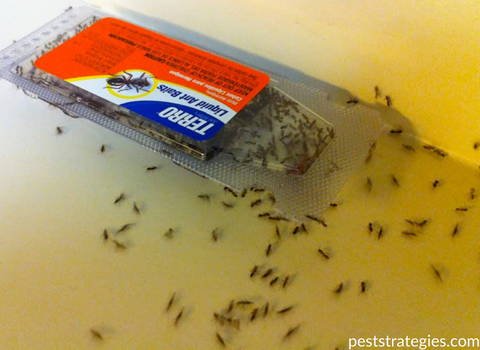
The first few days can be confusing because you may see more ants around the trap instead of fewer. That is often a normal part of the process. The goal is to let the ants find and carry the bait, while keeping the station in place and avoiding sprays that could stop them from feeding. Results depend on the ant species, the size of the colony, and whether the ants accept the bait.
Source: brandclub.com
What Are TERRO Ant Traps?
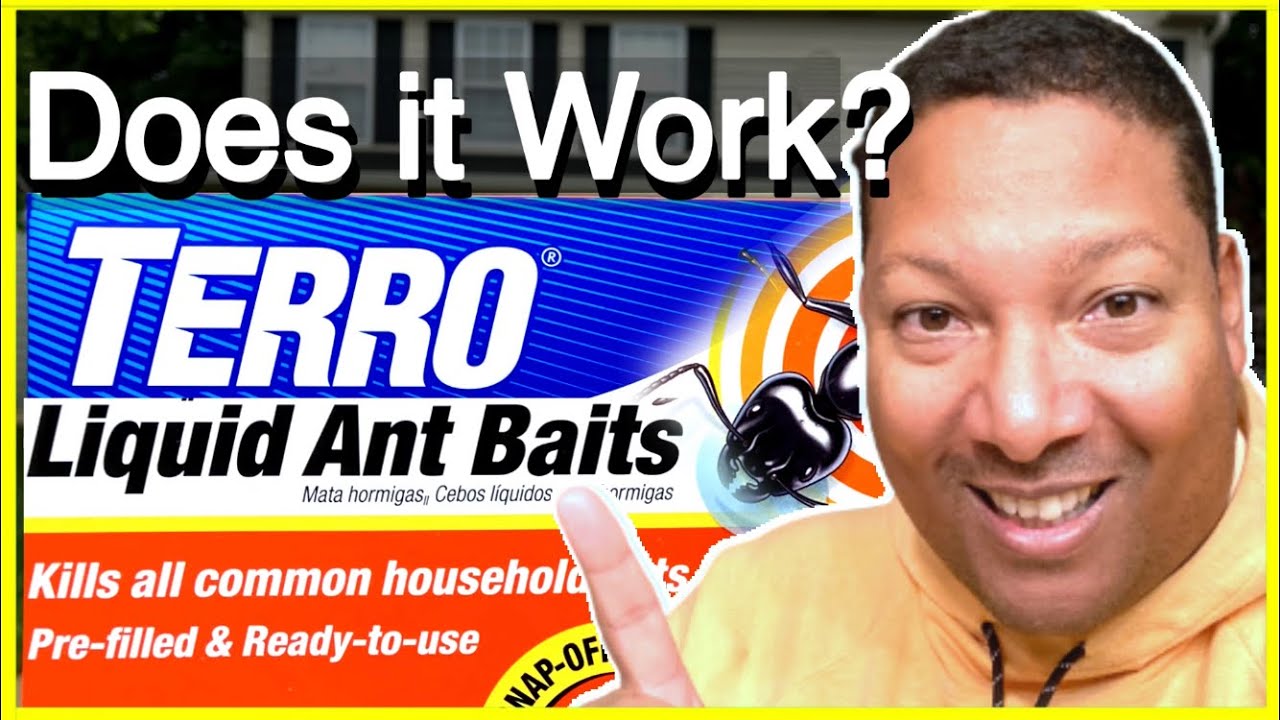
TERRO ant traps are bait stations designed to attract ants and deliver an insecticide through food. The common indoor liquid bait comes in a small, enclosed station filled with sweet liquid. Once activated as directed on the package, the station gives foraging ants access to the bait while helping contain it.
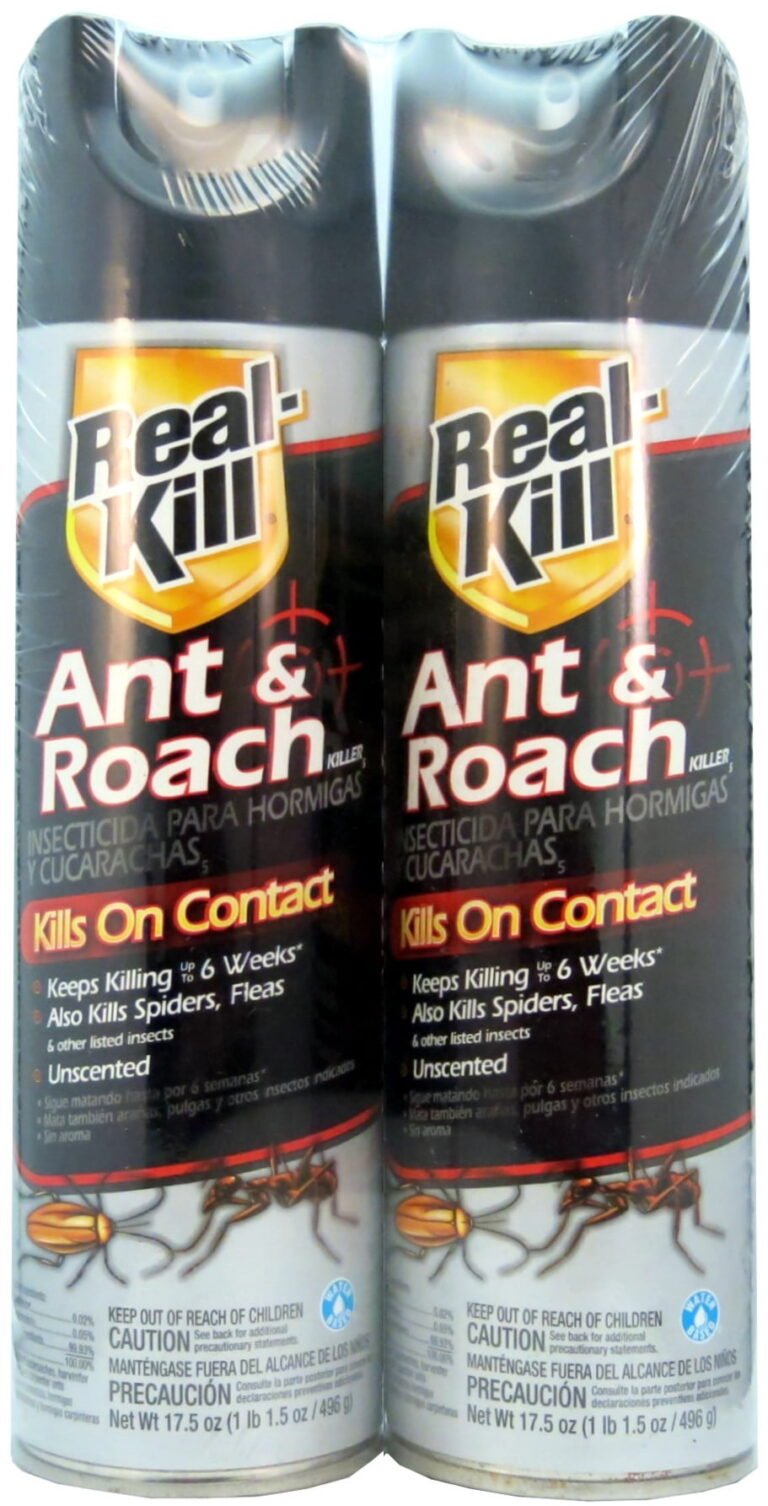
The liquid bait is different from a spray that kills an ant on contact. A spray aims to kill insects that it reaches directly. A bait station aims to let ants feed first, then carry the toxic food into the colony. That difference is what makes bait useful when the nest is hidden inside a wall, beneath a floor, or outdoors.
TERRO sells several ant-control products, so not every station has the same design or use instructions. This guide mainly covers common TERRO liquid bait stations that use borax. Check the name, active ingredient, and directions on your package before applying any advice.
Source: YouTube, AlaskaGranny
The bait
A sweet liquid attracts ants that are looking for food. The formula is designed to encourage feeding rather than cause an immediate reaction that stops ants from returning to the nest.
The active ingredient
Common TERRO liquid ant bait contains borax, also known by its chemical name, sodium tetraborate decahydrate. The exact concentration and approved uses depend on the product.
The station
The plastic holder contains the liquid and gives ants access to it. Some outdoor models have a different design to help protect the bait from weather.
Are TERRO Ant Traps Really Traps?
The word trap can be misleading. TERRO liquid stations do not work like sticky traps that hold an insect in place. They are bait stations, and their main purpose is to deliver poison through food.
The ants are generally free to enter, feed, and leave. That is useful because the ants that leave can return to the nest and help distribute the bait. The station is a delivery point, not a cage for every ant in the colony.
How Do TERRO Ant Traps Work Step by Step?
TERRO liquid bait works through a simple chain of events: ants search for food, find the sweet liquid, eat it, and carry some of that food back to their colony. The slow action of the poison allows time for feeding and food sharing before the ants die.
Ant colonies rely on workers to find and bring back food. Many worker ants share food with nestmates through a process called trophallaxis. This behavior can help spread an ingested bait through the colony, although the amount reaching each ant and the final effect can vary.
Source: nellisauction.com
Step 1: Worker ants search for food
Ants leave their nest to find food and water. They may follow established routes along walls, baseboards, window frames, pipes, and kitchen counters.
Step 2: A worker finds the bait
If the ant likes the sweet liquid, it begins feeding. Other ants may follow scent trails left by workers that found the food source.
Step 3: The ant consumes the bait
The worker takes in liquid containing the active ingredient. Borax disrupts normal biological processes, including digestive function, and eventually kills the ant.
Step 4: The worker returns to the nest
The ant may make several trips between the bait and the colony before the poison takes effect. It can also share food with other ants.
Step 5: More of the colony is exposed
Other workers may receive bait through food sharing. Continued feeding can expose more ants over time, although reaching every ant or queen is not guaranteed.
Step 6: Ant activity declines
As the bait affects the colony and fewer workers remain active, the number of ants visiting the station should eventually fall.
Why Does TERRO Use a Slow-Acting Poison?
A bait that kills too quickly may stop a worker before it returns to the nest. That can limit how much bait reaches other ants. A slower effect gives workers time to feed and carry food back to their nestmates.
Think of the bait as a delivery route. The worker is the carrier, the sweet liquid is the package, and the colony is the destination. If the carrier dies before leaving the pickup point, the bait has less chance to spread.
Does TERRO Kill the Queen?
It can contribute to the death of a queen if enough active ingredient reaches her through the colony’s food-sharing network. However, a bait station does not guarantee that the queen will consume a lethal dose.
The outcome depends on the ant species, the colony’s feeding habits, the bait’s acceptance, and how the colony is organized. A decline in visible worker ants is encouraging, but it does not prove that every queen, nest, or satellite colony has been eliminated.
What Is the Active Ingredient in TERRO Liquid Ant Bait?
Common TERRO liquid ant bait uses borax as its active ingredient. Borax is a borate compound. In the bait, it is mixed with other ingredients, including a sweet food base that attracts ants. The amount of active ingredient varies by product, so the label is the right source for the exact formula.
Borax is toxic to ants when they ingest enough of it. It interferes with normal body functions and eventually kills them. The key to baiting is not only the toxic ingredient, but also the way the food base encourages ants to eat it and carry it back to the colony.
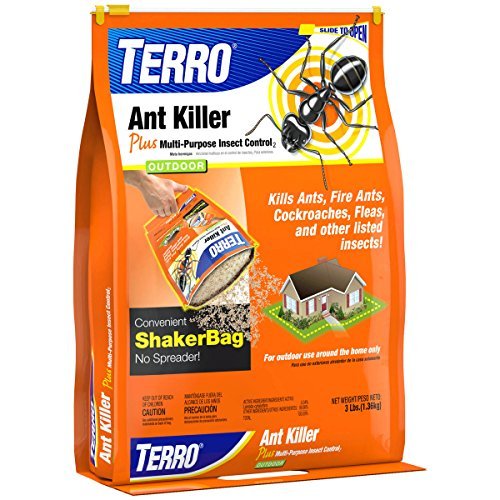
Do not assume that all products sold under the TERRO name use the same ingredient or target the same insects. Liquid baits, outdoor stations, granules, and other pest-control products may have different formulas and directions. Always read the package before use.
Source: gardentipsandtools.com
Borax
The active ingredient in common TERRO liquid ant bait. It works after ants consume the bait, rather than simply touching the outside of the station.
Sweet liquid
The food base draws in ants that are seeking sugary food. Its appeal is one reason the bait can attract many workers at once.
Enclosed bait holder
The station holds the liquid and helps limit direct access. It does not make the product harmless, so placement and storage still matter.
Is Borax the Same as Boric Acid?
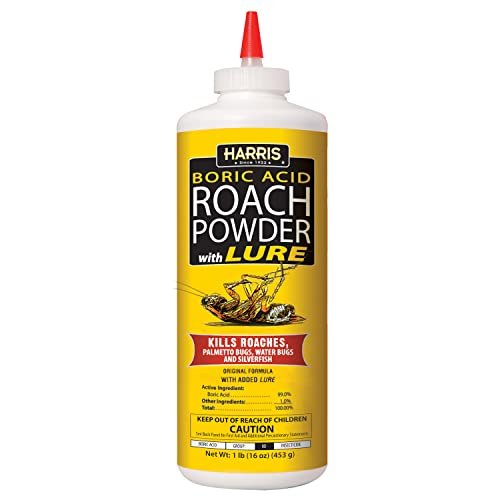
No. Borax and boric acid are related boron compounds, but they are not identical chemicals. Both have uses in pest-control products, yet their names and concentrations should not be treated as interchangeable.
If a product label lists borax, follow that product’s directions. Do not add boric acid, household cleaners, or extra chemicals to a commercial bait station. Mixing formulas can change exposure risks and make the bait less appealing to ants.
How Long Do TERRO Ant Traps Take to Work?
TERRO liquid ant bait can begin affecting individual ants within a day or two, but reducing a whole infestation takes longer. The manufacturer’s product guidance says complete control may take up to two weeks. Larger infestations, multiple nests, or poor bait acceptance can extend that period.
There is no single timeline that fits every home. A small trail of common sugar-feeding ants may decline sooner than a large colony with several entry points. Weather, competing food, ant species, and the location of the station all affect the result.
Source: YouTube, Strategy and Performance
First day
Ants may discover the bait and gather around it. A larger trail can appear as workers follow scent trails to the new food source.
Days two to four
You may begin to notice a change in ant activity. Keep the bait available if ants are feeding and follow the package directions.
Days five to ten
A suitable bait may lead to a clear decline in the number of ants visiting the station. If the trail stays busy, check whether the bait is still accessible and whether other food sources compete with it.
Up to two weeks or longer
Some infestations need this long or more to reach adequate control. Persistent activity may mean that a different bait, a different placement, or professional pest control is needed.
What Signs Show That the Bait Is Working?
The first sign may be increased feeding at the station, not fewer ants. Later, you should look for a steady decline in the number of ants on the trail and around the original entry point.
Do not judge success by one quiet hour or one empty-looking corner. Ants can change routes, and a second nest may keep producing workers. Check the same areas each day so you can tell whether activity is trending down.
A busy bait station at first
This can mean the ants have found a food source they want. Avoid moving the station while workers are feeding unless it is in an unsafe place.
A smaller trail over time
A gradual reduction in live ants is a more useful sign than the number of dead ants near the station alone.
No new ants after activity declines
Continue to follow the product directions and check the area for several more days before deciding that the problem is resolved.
How to Use TERRO Ant Traps for Better Results
Good placement helps ants find the bait and carry it back to the colony. Start by watching the trail for a few minutes. Note where ants enter the room, where they travel, and whether they are already feeding on crumbs, pet food, or sticky spills.
Use the station according to its label. Common indoor liquid bait stations are placed on a flat surface near active ant trails. Do not open the liquid container or pour the bait onto a counter unless the label specifically directs you to do so.
Source: YouTube, DIY Pinto
Step 1: Read the package
Confirm that the product is intended for your location and the ants you are trying to control. Check how to activate it, where it may be placed, and what safety limits apply.
Step 2: Find the trail
Look along baseboards, near door frames, beneath sinks, and around other places where ants travel. Place the bait close to active traffic without blocking the trail.
Step 3: Remove competing food
Wipe up sugar, syrup, grease, crumbs, and other food residues. Store food in sealed containers and clean pet bowls after feeding.
Step 4: Keep the station undisturbed
Let ants feed without unnecessary movement or interference. If the station is empty, leaking, or no longer accessible to ants, handle it as directed on the label.
Step 5: Check it regularly
Monitor ant activity and the bait supply. Replace a depleted or unusable station according to the package instructions.
Step 6: Seal entry points after control improves
Once ant activity has fallen, seal gaps around pipes, windows, and doors where practical. Keep the area clean to reduce the chance of another invasion.
Where Should You Place TERRO Ant Bait?
Choose a dry, stable location near an active ant trail. Indoor sites may include a corner near a baseboard, a spot beneath a sink, or an area behind an appliance, provided the label permits that placement and the station is inaccessible to children and pets.
Do not put bait directly on food, in an open food container, or where it can contaminate a food-preparation surface. Avoid places where water can wash away the bait or where routine cleaning will disturb it. For outdoor use, choose a product labeled for outdoor placement and follow its weather and location directions.
Near active trails
Ants are more likely to find bait placed where they already travel than bait placed far from their route.
Away from competing food
A clean area gives ants fewer alternative sources of food and can make the bait more appealing.
Out of reach
Keep stations inaccessible to children and pets. Do not place them where they may be handled, chewed, spilled, or mistaken for food.
Should You Kill Ants That Gather Around the Station?
Avoid spraying or crushing the ants at the bait site if they are actively feeding and the station is safely placed. The goal is to let workers carry the bait back to the colony. Sprays can repel ants or interrupt feeding, which may weaken the baiting process.
If a large trail is crossing a food-preparation surface, protect the surface and move food out of the way. If the station itself creates a safety risk, relocate or remove it according to the label rather than leaving it where someone may touch or ingest the bait.
Why Are More Ants Coming to the TERRO Trap?
An increase in ants around a newly placed TERRO bait station is often expected. The sweet liquid attracts workers, and ants that find it can leave scent trails that guide other workers to the food. A crowded station may mean that the ants have accepted the bait.
The important question is whether the trail begins to shrink over time. If ants continue to visit in large numbers without a decline, check the bait, placement, food sources, and likely ant species before assuming that the product has failed.
Source: huffpost.com
The bait is attracting workers
This is often a normal early stage. If the ants are feeding and the station is safe, allow time for the bait to circulate.
The colony is large
A large colony or several nests can keep sending workers to the bait for days. More than one station may be needed if the label allows it.
Other food is available
Grease, crumbs, fruit, pet food, and sugary spills may compete with the bait. Clean these sources and keep food sealed.
The station is poorly placed
Ants may not find bait that is far from their route. Move it closer to the trail if necessary, while following the product directions.
The ants prefer another food
Some ants seek protein or grease rather than sweet liquids at a given time. If ants ignore the bait, another labeled bait formulation may be more suitable.
What If Ants Stop Eating the Bait?
First, check whether the liquid has dried, hardened, leaked, or become inaccessible. Replace a station that no longer offers usable bait according to the product label. A liquid station cannot work well if ants cannot reach the liquid.
Next, try a permitted location closer to the active trail. Remove other food sources and avoid applying repellent sprays near the bait. If ants still refuse it, the bait’s food base may not match their current needs, or the species may not respond well to that formulation.
Can You Use TERRO Bait and Ant Spray Together?
Using an ant spray near an active bait station is generally a poor strategy. A repellent spray can cause ants to avoid the station or disrupt the trails that lead workers to the bait. Some contact products also kill foragers before they can carry food back to the nest.
Follow the label for each product, and do not mix chemicals or apply products in ways the labels do not allow. If baiting is your chosen method, focus on sanitation, safe placement, and sealing entry points once activity is under control.
Which Ants Do TERRO Liquid Bait Traps Work On?
TERRO liquid bait is designed for many common household ants that feed on sweet liquids. Depending on the exact product, its listed targets may include little black ants, pavement ants, odorous house ants, and Argentine ants. Check the product label for its approved target pests rather than assuming that every ant species will respond.
Ants do not all have the same food preferences. Some favor sweets, while others seek protein, fats, or a changing mix of foods. A sweet liquid bait may work well when ants accept sugar, but it may be a poor match for a colony that is seeking other food.
Source: pestsupplycanada.ca
Common sweet-feeding household ants
These ants may readily consume a sweet liquid bait. Correct placement and steady access to the bait help support control.
Carpenter ants
Do not assume standard TERRO liquid bait will solve a carpenter ant problem. Carpenter ants can nest in damp or damaged wood, and the outdoor liquid bait product lists them among its exceptions. Find the nest and moisture source, and seek a suitable treatment if activity persists.
Fire ants
Common indoor liquid bait stations are not a universal solution for fire ant mounds. Use a product specifically labeled for the species and location.
Pharaoh ants
These ants can be difficult to manage, and poorly chosen treatments may cause the problem to spread. Use species-appropriate guidance or a qualified pest professional.
How Can You Tell Whether You Need a Different Bait?
Watch what the ants eat and whether they feed at the station. If workers repeatedly ignore the sweet liquid, another bait type may fit their food preference better. If the ants are too small or too similar to identify by sight, do not guess at the species based on color alone.
If the infestation persists after careful bait placement and sanitation, contact a licensed pest-control professional. Identification matters because treatment that works for one ant species may fail or make another problem harder to manage.
Are TERRO Ant Traps Safe Around Children and Pets?
TERRO ant bait contains an insecticide, so it should never be treated as harmless just because it comes in a small station. Keep it out of reach of children and pets, and follow all label directions for placement, handling, storage, and disposal.
A closed station can help limit access to the liquid, but it can still be knocked over, damaged, or chewed. Place it where children and pets cannot reach or disturb it. Do not put bait beside pet food, on a pet’s feeding mat, or on a surface used to prepare meals.
If a child or pet bites a station, swallows bait, or has direct exposure to spilled liquid, follow the product label and contact the appropriate poison-control or veterinary service promptly. In the United States, call Poison Control at 1-800-222-1222 for human exposure advice. For an animal, contact a veterinarian or animal poison-control service. Seek emergency care for serious symptoms.
Source: brandclub.com
Keep the label
Save the product package so you can identify the active ingredient and provide the correct information if exposure occurs.
Prevent contact
Do not allow children to play with stations or pets to lick, chew, or carry them. Replace any station that has been damaged.
Clean spills safely
Keep children and pets away, then follow the manufacturer’s spill-cleanup directions. Do not leave liquid on a counter, floor, or other surface that people or animals may touch.
Store the product correctly
Keep unused stations in their original packaging and in the storage conditions stated on the label.
What Should You Do If a TERRO Station Leaks?
Keep people and pets away from the spill. Wear any protective gear required by the label, and use the manufacturer’s cleanup instructions for the exact product. TERRO provides guidance for cleaning its liquid bait, including using a wet cloth or sponge for some spills.
Do not mix the bait with bleach, ammonia, or other cleaners. Avoid spreading the liquid into food, dishes, pet bowls, or nearby surfaces. If exposure may have occurred, use the label’s first-aid guidance and contact a poison-control service or veterinarian as appropriate.
Frequently Asked Questions
Q
How do TERRO ant traps kill an entire colony?
TERRO liquid bait attracts worker ants with a sweet liquid that contains borax. Workers eat the bait and may carry food back to the nest, where they share it with other ants. This can expose more of the colony to the active ingredient, although complete elimination of every ant or queen is not guaranteed.
Q
Why do I see more ants after putting out TERRO bait?
The bait is designed to attract ants, so a larger crowd around the station can be normal at first. Workers that find the food may leave scent trails that guide other ants to it. Let them feed if the station is safely placed, and watch for a decline over the following days.
Q
How long should I leave TERRO ant traps out?
Follow the instructions for your specific product. For common indoor liquid bait, keep it available while ants are actively feeding, and replace it when depleted or unusable as directed. TERRO advises leaving bait in place for several days after visible activity declines, while its product guidance says complete control can take up to two weeks.
Q
Can TERRO liquid ant bait work overnight?
It may begin affecting ants that feed on it, but an overnight result is not a reliable expectation for an entire colony. The bait is designed to act slowly enough for workers to return to the nest. Many infestations need several days, and some take two weeks or longer to control.
Q
Can I put TERRO ant traps on my kitchen counter?
Only if the product label permits that placement and the station can remain away from food, dishes, food-preparation areas, children, and pets. A safer location may be a nearby corner or baseboard beside an active trail. Never place a station where spilled bait could contaminate food or cooking surfaces.
Q
Do TERRO ant traps expire or dry out?
Liquid bait can dry out, harden, crystallize, or become inaccessible to ants. A color change alone does not always mean that the bait has stopped working, but hardened or dried bait may no longer attract or feed ants properly. Follow the product’s storage and replacement directions, and replace stations that are damaged or no longer usable.
Q
What should I do if TERRO traps do not work?
Check whether ants are feeding, whether the liquid is still accessible, and whether the station is near an active trail. Remove competing food sources and avoid spraying insecticides near the bait. If ants still ignore it, try a suitable bait labeled for the target species or contact a licensed pest-control professional.
✦ Wrapping Up
Conclusion
TERRO liquid ant traps work by turning a sweet food source into a way to deliver a slow-acting poison. Worker ants find the bait, eat it, and may carry some back to the colony. This process can help control ants that a spray would reach only when they are directly exposed.
The most useful sign is not a lack of ants on the first day. It is a steady drop in activity after the workers have had time to feed and carry the bait home. Correct placement, clean food areas, and patience all help the process, while sprays and competing food can get in the way.
No single bait works for every ant species or every infestation. If ants keep returning, the colony may be large, the bait may not match their food preference, or the insects may need a different treatment. Follow the label, protect children and pets, and seek professional help when the problem continues.
💡 Key Takeaway
Place a labeled TERRO liquid bait station near an active ant trail in a safe, permitted location. Remove competing food, do not spray the ants near the station, and monitor activity over the next several days. If the trail does not decline within the product’s expected time frame, check the placement and species, then consider a different labeled bait or professional pest control.