Yes, some ant and roach sprays may kill individual wasps when sprayed directly, but they are not reliable substitutes for products labeled for wasp control.
If you find a wasp flying around your kitchen in Texas, a nest under your porch in Florida, or insects gathering near your garage in California, reaching for an ant and roach spray may seem like a quick fix. These common household products can kill several types of insects, but that does not mean every formula works well against wasps.
The answer depends on the active ingredients, spray contact, insect type, and product label. Some ant and roach killers contain chemicals that affect the nervous systems of insects. A wasp exposed to enough of these chemicals may become unable to fly and eventually die. However, a spray made for crawling pests may not provide the range, speed, or nest treatment needed for a wasp problem.
There is another important difference between killing one wasp and removing a colony. A wasp that enters your home is one problem. A nest beneath your roof, inside a wall, or underground is a much more serious concern. Using the wrong spray can agitate the colony and increase the risk of painful stings.
In this guide, I explain what ant and roach sprays can do to wasps, which factors affect the results, why nest treatment requires extra care, and when a professional should handle the job. The goal is to help you choose a safe and effective approach rather than rely on a guess.
Source: i.ebayimg.com
Will Ant And Roach Killer Actually Kill Wasps?
Yes, an ant and roach insecticide may kill a wasp if the insect receives a sufficient dose. However, the result is not guaranteed. Different products use different active ingredients, and their labels may cover only ants, cockroaches, and other listed pests.
Many conventional household insecticides use pyrethroids or related chemicals. These compounds affect insect nerve signaling. When a susceptible insect absorbs enough of the chemical, it may lose coordination, become unable to move normally, and die.
Wasps are insects, so some chemicals that affect ants and roaches can also affect them. But the fact that two insects belong to the same broad animal group does not prove that a particular spray will control both.
Direct contact also matters. A wasp that receives a heavy spray exposure may react differently from one that briefly touches a treated surface. The second insect may receive too little chemical to die.
Source: m.media-amazon.com
Direct exposure
A susceptible wasp may die after receiving enough insecticide directly on its body.
Limited exposure
A brief encounter with a treated surface may not provide a lethal dose.
Nest protection
A spray that affects one flying wasp may not reach the other insects or the nest itself.
Product restrictions
The pesticide label determines whether the product is approved for the intended pest and location.
Why One Wasp May Die While Another Survives
The amount of insecticide that reaches the wasp is a major factor. A direct exposure may deliver more chemical than a brief contact with a dry surface. The insect’s size, species, and sensitivity can also affect the result.
The spray formula matters as well. Two cans with similar names may contain different active ingredients or concentrations. Their spray patterns, intended uses, and target pests may also differ.
This explains why someone might report that an ant and roach spray killed a wasp while another person gets poor results from a similar product. Neither experience proves that the spray is a dependable wasp treatment.
Different formulations
Products with similar marketing names do not always have the same ingredients or pest claims.
Different wasp species
Yellowjackets, paper wasps, and other wasps may not respond identically to an insecticide.
How Ant And Roach Killer Affects Wasps
Many conventional ant and roach sprays work by disrupting the insect nervous system. Their active ingredients can interfere with nerve signals that control movement and other vital functions.
For example, SC Johnson lists cypermethrin and imiprothrin as the active ingredients in Raid Ant & Roach Killer 26. Both belong to the pyrethroid group. Their documented role as insecticides does not establish that every version of the product is suitable for treating wasps.
When an insect receives a sufficient exposure to a susceptible insecticide, it may show signs of nervous system disruption. These signs can include unusual movement, loss of coordination, and an inability to fly normally.
A wasp that falls to the ground is not necessarily dead. Some insects become temporarily incapacitated before they recover or die. Avoid touching or approaching a downed wasp because it may still sting.
Source: i.ytimg.com
Nerve disruption
Certain insecticides interfere with normal nerve activity and muscle control.
Loss of coordination
An exposed wasp may struggle to walk, fly, or maintain normal movement.
Possible death
A sufficient exposure may eventually kill a susceptible insect, but the outcome varies.
What Are Pyrethroids?
Pyrethroids are synthetic insecticides based on the chemical structure of natural pyrethrins. They are used in many household and outdoor pest-control products.
Cypermethrin and deltamethrin are examples. Imiprothrin is another insecticide used in household aerosol products. These chemicals do not all have identical properties, concentrations, or approved uses.
A product’s active ingredients can help explain how it affects insects. They cannot replace the directions on its label. The label identifies the pests, locations, and application methods covered by the product.
Active ingredient
The chemical responsible for the intended insect-control effect.
Formulation
The complete mixture that affects how the chemical is delivered and used.
Approved pest
An insect specifically covered by the product’s registered directions or applicable labeling.
Does Raid Ant And Roach Killer Kill Wasps?
Raid Ant & Roach Killer may affect an individual wasp if the insect is exposed to a sufficient amount of its insecticide. However, you should not assume that every Raid ant and roach product is a registered wasp killer.
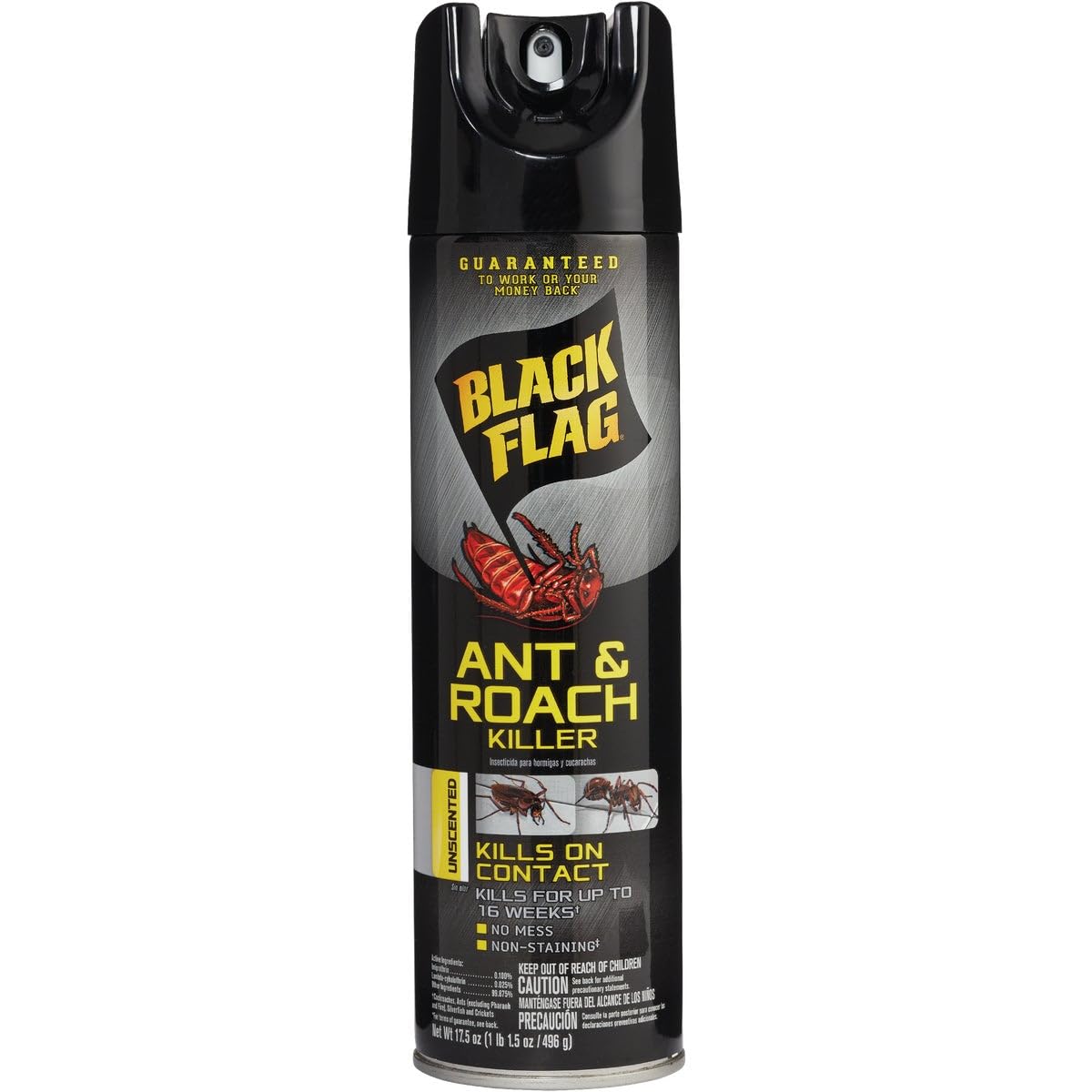
Raid sells several products with different formulas and intended uses. For example, the manufacturer’s ingredient information identifies cypermethrin and imiprothrin in Raid Ant & Roach Killer 26. Other products in the brand’s range use different ingredients.
A product can contain an insecticide that affects wasps without being labeled for wasp treatment. These are separate questions. Chemical activity does not give a homeowner permission to use a pesticide against every insect or in every location.
Before using a Raid product, read the exact can’s label. Check whether it lists wasps, hornets, or yellowjackets, and whether the application site matches your situation. If those uses are absent, choose a product whose label specifically covers the pest.
Source: content.etilize.com
Check the exact formula
Do not assume that Raid Ant & Roach Killer 26, Raid Max, and other Raid sprays have identical ingredients.
Read the pest list
Look for the exact insect named on the label rather than relying on a general claim that the product kills bugs.
Check the application site
An indoor spot treatment and an outdoor nest treatment are different uses.
What If The Can Says It Kills Flying Insects?
A flying-insect claim does not automatically include every flying insect. Some products list mosquitoes, flies, or moths but do not list wasps.
Wasps can defend themselves and often live in colonies. A product intended to kill individual flying pests may not provide suitable nest control.
Read the complete pest list and directions. Do not treat a broad marketing phrase as proof of a specific approved use.
Specific names matter
A label that lists flies and mosquitoes does not necessarily authorize treatment of wasps.
Can Ant And Roach Spray Kill A Wasp Nest?
An ordinary ant and roach spray should not be treated as a reliable way to destroy a wasp nest. Killing one or two adult wasps does not mean the colony has been eliminated.
A wasp nest can contain many adults, developing young, and a queen, depending on the species and stage of the colony. The nest may also be hidden inside a wall, beneath a deck, in an attic, or underground.
A spray that reaches a flying wasp may never reach the insects inside the nest. Some chemicals also fail to provide the type of coverage or residual action required by a specific nest-treatment method.
The greatest concern is often the reaction of the colony. Wasps may become defensive when their nest is disturbed. An unsuitable spray can leave some insects alive and agitated, increasing the chance of multiple stings.
Source: i5.walmartimages.com
A few dead wasps do not prove success
Other adults and developing insects may remain inside the colony.
Hidden nests are difficult to reach
Spray may not travel through wall cavities, underground tunnels, or enclosed spaces.
Disturbance increases risk
A colony may respond defensively when people approach or attack its nest.
Why Nest Location Changes The Risk
A small paper nest hanging in an exposed location may look easy to reach. However, approaching it can put you close to the insects that defend it.
Ground nests can be more difficult to assess because the visible entrance may not reveal the full nest location. Wall nests create another problem because spraying into a small opening may not reach the colony and can contaminate an enclosed area.
If you cannot clearly identify the nest, keep your distance. Do not poke it, block its entrance, pour liquid into it, or spray an unknown opening.
Roof and eaves
Nests near doors, windows, and walkways can expose people to repeated contact.
Wall cavities
Hidden colonies may be difficult to reach without opening or damaging building materials.
Underground nests
A visible entrance may not show the size or direction of the nest.
Large colonies
A high number of active wasps makes a do-it-yourself approach more hazardous.
Ant And Roach Killer Vs. Wasp And Hornet Spray
A wasp and hornet spray is generally the more suitable choice when a product label specifically covers wasps and the intended treatment location. These products are formulated and labeled for a different pest-control task.
Many wasp sprays are aerosol products with a directed stream. Some are designed for outdoor nest treatment and may state a spray distance or other use conditions on the container.
That does not mean every wasp spray is safe for every nest or every setting. Some products are for exposed outdoor nests only. Others have restrictions on indoor use, surfaces, or application distance.
The right comparison is not simply which can kills an insect faster. It is which product is labeled for the insect, the location, and the type of treatment you need.
Source: i.pinimg.com
Target pest
Wasp products list the wasps or related stinging insects they are designed to control.
Spray delivery
Some products use a directed aerosol stream intended for a specified outdoor application.
Nest treatment
Some labels provide nest-specific directions that ordinary crawling-insect sprays do not.
Use restrictions
Wasp sprays may still have limits on location, timing, re-entry, and surface treatment.
Which Product Should You Choose?
If you have one wasp flying inside your home, first consider whether you can leave the room and allow it to exit through an open exterior route without approaching it. Do not swing at it or trap it against your body.
If you need an insecticide, use only a product labeled for the specific wasp and indoor application. Do not assume an outdoor nest spray is suitable for a kitchen, bedroom, or other enclosed room.
If you find a nest, especially one near a walkway or building entrance, avoid experimenting with ant and roach products. A licensed pest professional can identify the insect and select an appropriate treatment.
Single indoor wasp
Prioritize keeping people away and providing a safe exit. Use an insecticide only if its label permits the indoor use.
Visible outdoor nest
Use a nest-specific product only when its label and the situation support safe application; otherwise contact a professional.
Hidden or large nest
Arrange professional inspection and treatment rather than trying an ordinary household aerosol.
How To Deal With A Wasp Safely
The safest response depends on whether you see a single insect or a nest. Avoid rushing to spray as soon as you spot a wasp. First, create distance and keep children and pets away.
For one wasp indoors, close doors to other rooms if you can do so without approaching the insect. If a safe exterior exit is available, open it and move away. Avoid sudden movements or attempts to swat the wasp.
For a nest, do not stand close to inspect it. Observe from a safe distance and note whether it is near a doorway, play area, patio, or other place where people pass.
Do not climb a ladder, reach beneath roof edges, dig near a ground entrance, or put your face near a wall opening. If the nest is active or difficult to reach, call a qualified pest control service.
Source: i.ytimg.com
Step 1: Keep your distance
Move away calmly and avoid striking, touching, or disturbing the insect or nest.
Step 2: Protect others
Keep children, pets, and other household members away from the affected area.
Step 3: Identify the situation
Determine whether you are dealing with one insect, repeated activity, or a visible nest without approaching it.
Step 4: Read the label
If considering an insecticide, confirm that it lists the target pest and intended application site.
Step 5: Get professional help when needed
Use a pest control professional for large, hidden, ground-level, or hard-to-reach nests.
How To Tell Whether Wasps Are Nesting Nearby
Repeated wasp activity around one spot can suggest a nearby nest. You may see insects entering and leaving the same opening beneath a roof, in a wall, or in the ground.
One wasp visiting flowers or food does not prove that a nest is nearby. Look for a repeated flight path from a safe distance rather than following the insect.
Do not block an opening to test whether insects are living inside. A blocked entrance may force them to find another route, potentially into an occupied part of a building.
Repeated traffic
Several wasps regularly entering and leaving the same location can indicate a nest.
Concentrated activity
Frequent wasp movement around one roof edge, wall gap, or ground opening deserves attention.
Visible nest material
An exposed paper-like structure may belong to certain social wasps.
What To Do If A Wasp Enters Your Home
Keep calm and avoid trying to kill the insect with your hands. Move children and pets out of the room, then create a safe path toward an exterior door or window if possible.
Do not use a household spray near food, cooking equipment, pets, or an open flame. If an insecticide is necessary, follow the exact indoor directions and ventilation requirements on its label.
After the wasp leaves or is safely removed, check whether there is repeated activity around the same window, vent, or wall. A recurring problem may need a professional inspection.
Avoid swatting
Swatting can increase the chance of a defensive sting.
Clear the room
Give children and pets a safe space away from the insect.
Check for repeated entry
Look for gaps or nearby nest activity only from a safe position.
Important Pesticide Safety Rules
Pesticide labels are legal directions, not optional suggestions. In the United States, the Environmental Protection Agency regulates many pesticide products, and their approved labels specify where and how they may be used.
A product’s active ingredients do not override its label. Even if a chemical can affect a wasp, using a product against an unlisted pest or in an unapproved location may violate its directions and expose people, pets, or the environment to unnecessary risk.
Keep aerosol sprays away from heat, sparks, pilot lights, and open flames when the label identifies them as flammable. Never spray near a stove, candle, or operating ignition source.
Follow all directions for ventilation, protective equipment, storage, disposal, and re-entry. Never combine two insecticides or pour unused pesticide into a drain.
Source: i.ytimg.com
Read the complete label
Check the active ingredients, target pests, approved sites, warnings, and first-aid directions.
Protect food and surfaces
Keep sprays away from food, utensils, food preparation areas, and surfaces where the label prohibits use.
Keep people and pets away
Follow the product’s stated restrictions and do not allow access until the label permits it.
Avoid inhalation
Do not breathe spray mist. Use only in locations and conditions permitted by the label.
Store safely
Keep products in their original containers, away from children, pets, heat, and direct sunlight.
What If You Accidentally Spray A Wasp Nest?
Move away immediately if wasps begin flying out of the nest. Do not stay to check whether the spray worked, and do not attempt a second application with another product.
Keep other people and pets away from the area. If wasps enter the home, move to a secure indoor space and close exterior access points where practical.
Contact a pest control professional and explain which product was used, where it was applied, and when the exposure occurred. Keep the product container or label available.
If anyone has trouble breathing, swelling of the tongue or throat, dizziness, or other signs of a severe allergic reaction after a sting, seek emergency medical help immediately.
Leave the area
Do not approach an active or disturbed colony.
Prevent further exposure
Keep household members and animals away from the treated area.
Get qualified assistance
Tell the pest professional exactly what product was used.
Treat serious sting reactions as emergencies
Breathing problems or throat swelling require immediate emergency care.
What If Someone Gets Stung?
Move away from the wasp and its nest to avoid further stings. For a minor local reaction, wash the area with soap and water and apply a cold pack wrapped in a cloth.
Watch for symptoms beyond the sting site. Widespread hives, facial or throat swelling, breathing difficulty, faintness, or vomiting can signal a serious allergic reaction.
Call 911 in the United States for signs of anaphylaxis. If the person has a prescribed epinephrine auto-injector, use it as directed and seek emergency medical care.
Minor reaction
Clean the area and use a wrapped cold pack to help reduce pain and swelling.
Severe reaction
Call emergency services for breathing problems, throat swelling, faintness, or other signs of anaphylaxis.
Common Mistakes To Avoid When Using Insecticide
Many failed wasp treatments begin with a reasonable goal but the wrong product or method. A familiar can of ant and roach spray may seem convenient, yet convenience does not establish that it is suitable for a stinging-insect problem.
The biggest mistake is assuming that all insecticides kill all insects. Each formula has a specific label, and its directions should guide every application.
Another mistake is treating a nest as if it were a single insect. A colony can contain many defensive adults, and disturbing the structure can create a much greater risk than dealing with one wasp indoors.
Source: i.ytimg.com
Mistake 1: Assuming every insect spray works on wasps
Different insects and products require different control methods. Check the exact target-pest list.
Mistake 2: Spraying repeatedly
More pesticide does not guarantee better results and can increase exposure.
Mistake 3: Standing close to a nest
Approaching a colony can put you within reach of defensive wasps.
Mistake 4: Blocking the nest entrance
Wasps may find another exit, including one that opens into a building.
Mistake 5: Mixing chemicals
Combining products can create unpredictable hazards and is not a safe pest-control method.
Mistake 6: Touching fallen wasps
A wasp that appears motionless may still be alive and capable of stinging.
How To Know When A Treatment Has Failed
Continued wasp activity near a nest can indicate that the colony remains active. However, one wasp seen nearby does not always prove that a treatment failed because insects may have been away from the nest during an earlier event.
Do not approach the nest to count surviving wasps or test its entrance. Observe only from a safe distance and ask a pest professional to assess the situation if activity continues.
If the original product was not labeled for wasps, stop using it for that purpose. Choose a suitable labeled treatment through a qualified provider rather than increasing the amount or frequency of an unsuitable spray.
Repeated activity
Wasps continuing to enter and leave the same location may indicate an active colony.
New entry points
Wasps appearing inside a room after treatment may indicate a hidden nest or alternate opening.
Uncertain results
Do not assume that a quiet nest is dead or safe to approach.
Which Factors Should You Check Before Choosing A Wasp Treatment?
The right treatment depends on more than the name printed on the can. Consider the insect, its location, the size of the problem, and the exact instructions on the product.
For example, a person dealing with one wasp in a bedroom has a different problem from a homeowner finding a yellowjacket nest near a front entrance. The first situation may be resolved without pesticide use, while the second may require professional nest management.
Use the following table as a decision aid. It does not replace the directions on a pesticide label or an on-site assessment.
Identify the pest
Determine whether the insect is a wasp, yellowjacket, hornet, or another flying insect when it is safe to do so.
Identify the location
Separate an indoor insect encounter from an outdoor nest or a colony hidden inside a structure.
Check the label
Confirm that the product covers the target insect and application site.
Assess the risk
Consider nearby people, pets, entrances, and the possibility of multiple stings.
A Simple Wasp Treatment Decision Table
The safest next step changes with the situation. Use this comparison to avoid applying a crawling-insect spray to a nest that needs a different approach.
One wasp inside
Keep people away and provide a safe exit if possible. If using a spray, verify that indoor wasp use is on the label.
One wasp outside
Avoid disturbing it. A wasp visiting a flower or outdoor area does not necessarily require chemical treatment.
Small exposed nest
Do not assume an ant and roach spray is suitable. Check for a specifically labeled nest treatment or hire a professional.
Nest inside a wall
Arrange a professional inspection. Avoid spraying an unknown cavity or sealing the opening.
Ground nest
Stay clear of the entrance and contact a pest control professional if the colony is active or near people.
Large or highly active nest
Do not attempt a household aerosol treatment. Professional control is the safer choice.
Why The Exact Product Label Matters More Than The Brand
A familiar brand may sell products for several different pest problems. Their active ingredients, concentrations, and permitted uses can vary.
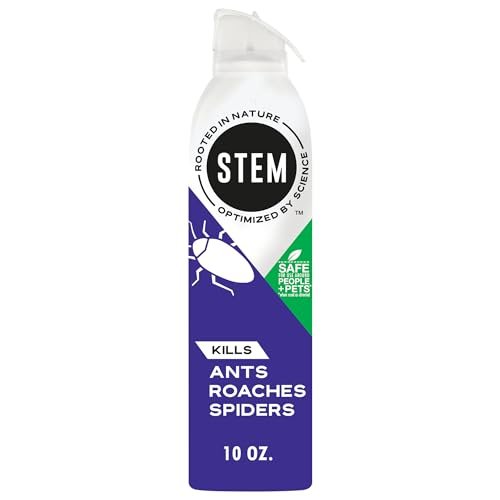
For example, a product labeled for ants, cockroaches, and spiders may have no wasp directions. Another product from the same manufacturer may specifically cover wasps or hornets.
Read the complete label on the actual container you own. Do not rely on an online description for a different size, formula, or product version.
Product identity
Match the full product name and formulation, not just the manufacturer.
Pest coverage
Confirm the target species or pest group on the label.
Site coverage
Check whether the product allows indoor, outdoor, or nest-specific use.
Application rules
Follow the stated spray method, distance, precautions, and re-entry conditions.
What Does The Evidence Tell Us?
The evidence supports a careful distinction between chemical effect and approved pest-control use. SC Johnson’s ingredient information identifies cypermethrin and imiprothrin in Raid Ant & Roach Killer 26. These are insecticidal ingredients, but their presence alone does not establish a labeled wasp-control use.
The California Department of Pesticide Regulation maintains product information for registered pesticides. Its product records distinguish target pests, application methods, and other use details. A pesticide record should be checked against the exact product and its current label rather than treated as a universal statement about a brand.
University of California Agriculture and Natural Resources also warns that wasp and hornet nest sprays must be used with extreme caution. Its guidance explains that wasps may attack when they sense an application and that even specialized products do not guarantee that every insect will be stopped.
Taken together, these sources support a practical conclusion: an ant and roach spray may affect an exposed wasp, but that possibility is not enough to recommend it for colony control. A label-approved product or professional treatment is the better route.
Documented ingredient information
The manufacturer’s information identifies the active ingredients in specific Raid formulations.
Documented product restrictions
Pesticide records and labels identify the pests and application sites covered by a particular product.
University safety guidance
UC IPM describes the risks of disturbing wasp colonies and the limitations of nest sprays.
What is not established
The available ingredient information does not prove that every ant and roach spray reliably kills wasps or destroys their nests.
Research Scope And Important Limitations
This guide uses published manufacturer ingredient information, pesticide product records, and university pest-management guidance. It does not report a laboratory experiment or a hands-on comparison of ant and roach sprays against wasps.
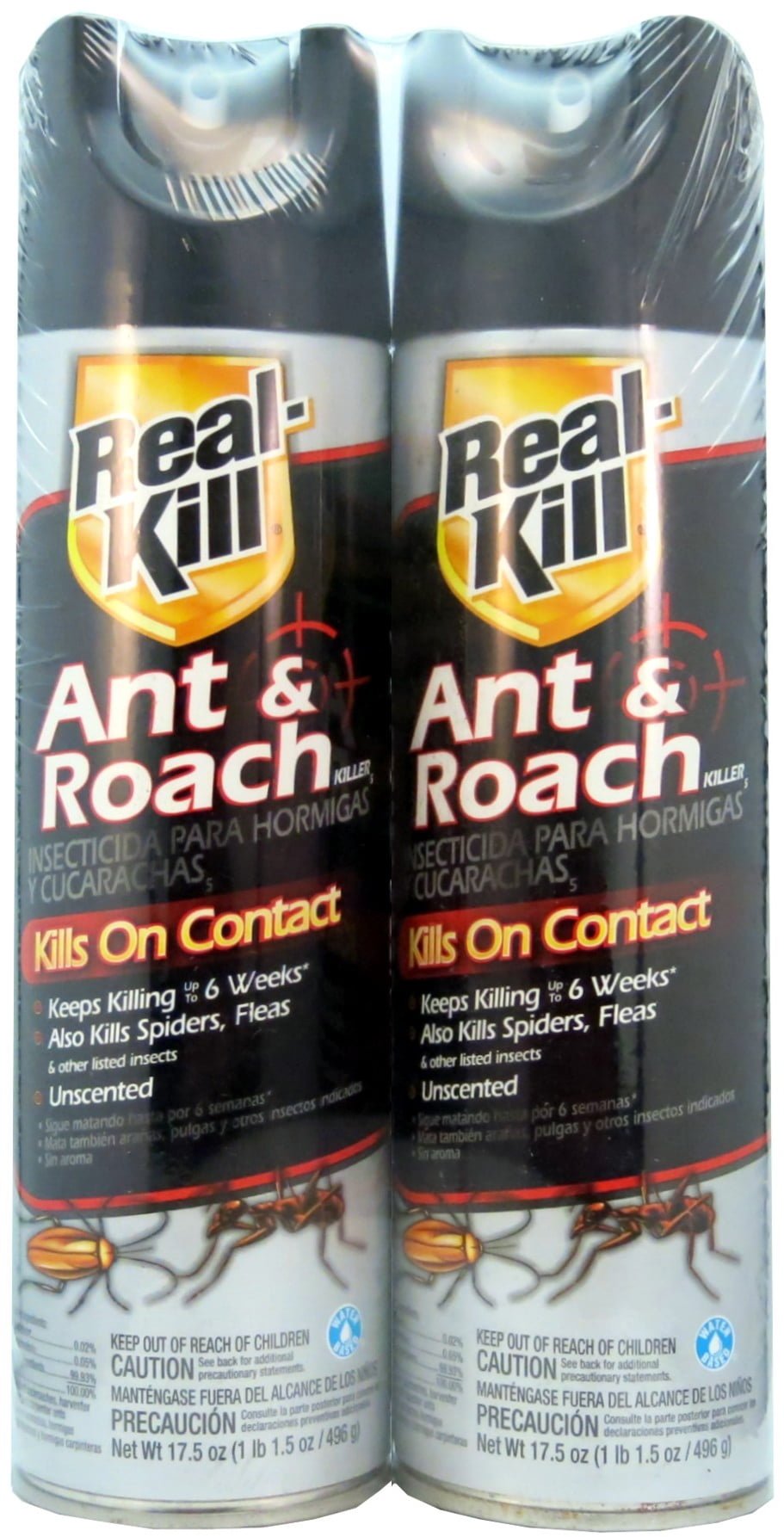
Product formulas and labels can change. The information for one Raid product should not be applied automatically to Real-Kill, Maggie’s Farm, or another brand.
The most reliable evidence for your particular can is the current label attached to that exact product. If the label is unclear, contact the manufacturer or a qualified pest professional before use.
No invented testing
No claim is made that a specific spray was tested on live wasps for this article.
No universal product claim
The results may differ across formulations, wasp species, and exposure conditions.
Current label takes priority
Always verify the product’s latest approved directions before applying it.
Frequently Asked Questions
Q
Will ant and roach killer kill a wasp instantly?
Not necessarily. Some ant and roach sprays may kill a wasp after sufficient exposure, but the insect may not die immediately. It may first lose coordination or become unable to fly.
The outcome depends on the formula, exposure, and insect. Never assume that a motionless wasp is dead or safe to touch.
Q
Will Raid Ant And Roach Killer kill yellowjackets?
A Raid ant and roach formulation may affect an exposed yellowjacket if it receives a sufficient dose. However, that does not mean the product is labeled or suitable for yellowjacket nest control.
Check the exact container for yellowjacket or wasp directions. For an active yellowjacket nest, particularly one in the ground or near a doorway, professional treatment is a safer option.
Q
Can ant and roach spray kill wasps after it dries?
Some insecticides leave residues that can affect insects after application, while others are intended mainly for direct contact. The result depends on the formulation and label directions.
Do not assume that a dried ant and roach spray will kill a wasp that walks across it. Only rely on residual pest-control claims that appear on the exact product label.
Q
Is ant and roach killer safe to use around a wasp nest?
No household insecticide should be considered automatically safe around an active wasp nest. An unsuitable application may disturb the colony, expose people or pets, and fail to eliminate the nest.
Keep away from the nest and use a qualified pest control professional when treatment is needed. Never spray an active colony with a product that lacks specific directions for that use.
Q
Does wasp spray work better than ant and roach spray?
For a wasp-control problem, a product specifically labeled for wasps is generally the more appropriate choice. Some wasp and hornet sprays are designed for directed outdoor application and provide nest-specific directions.
However, no product guarantees a safe result in every situation. Nest location, colony activity, and label restrictions all matter.
Q
Can I use ant and roach spray on a wasp nest in my wall?
Do not spray an unknown wall opening with an ordinary ant and roach product. The insecticide may fail to reach the nest, and wasps may find another route into the home.
A professional can inspect the structure, identify the nest location, and choose an appropriate control method without relying on guesswork.
Q
What should I do if a wasp does not die after being sprayed?
Move away and leave the insect alone. A wasp that has been exposed to insecticide may still fly or sting, even if it appears weak.
Do not spray repeatedly or try to pick it up. Keep children and pets away, and follow the pesticide label’s safety directions.
✦ Wrapping Up
Conclusion
So, will ant and roach killer kill wasps? Yes, some formulas may kill an individual wasp after sufficient exposure. However, the result is not guaranteed, and a product designed for crawling insects should not be treated as a dependable way to control a wasp colony.
The most important factor is the exact product label. Check the active ingredients, target pests, approved application sites, and safety instructions. If wasps are nesting under your roof, inside a wall, or underground, avoid experimenting with an ordinary household spray.
A wasp and hornet product labeled for the specific treatment may be more appropriate for certain situations. Large, hidden, or highly active nests are best handled by a qualified pest control professional. Protecting your family matters more than saving a few minutes with the wrong can of spray.
💡 Key Takeaway
Before using any ant and roach killer on a wasp, check whether the exact product label lists wasps and the intended application site. If you find an active nest, keep your distance and contact a qualified pest control professional.