How to Make Ant Killer Using Borax: A Safe, Simple DIY Bait Guide
If you are searching for **how to make ant killer using borax**, the key is not to make the bait as strong as possible. Ant bait must work slowly enough for worker ants to eat it, carry it home, and share it with other ants in the colony. A very strong mix can kill ants too fast or make the bait less attractive.
Borax is sodium tetraborate, a boron-based mineral that has been used in some registered insect bait products. It can act as a stomach poison for insects. For home ant control, the goal is to combine a small amount of borax with a food that the ants already want, such as sugar water.
This guide explains **how to make ant killer using borax** in a simple way while also covering safety, bait placement, ant behavior, common mistakes, and when a store-bought bait or pest professional makes more sense.

How Does Borax Ant Killer Work?
Before learning **how to make ant killer using borax**, it helps to understand why bait can work. Worker ants search for food and carry it back to the colony. They then share food with other ants through a process called trophallaxis.
A slow-acting borax bait can take advantage of this behavior. The worker may eat the bait and return to the nest before the borax has a chance to kill it. This gives the active ingredient more opportunity to reach other members of the colony.
That is why **borax ant killer should not be made overly concentrated**. The aim is colony control, not simply killing the ants that you can see.

- ✦ Slow action
A slow bait gives worker ants time to return to the nest before the toxic effect becomes severe.
- ✦ Food attraction
Sugar water can attract ants that are looking for sweet food.
- ✦ Colony targeting
The bait can reach ants inside the nest instead of only killing ants walking across your floor.
- ✦ Not every ant is the same
Some species prefer sweets, while others prefer proteins, oils, or greasy foods. A sugar-based bait will not be ideal for every ant species.
Why Stronger Is Not Always Better
One of the most common mistakes in DIY ant control is adding extra borax. More is not automatically better. If the bait becomes too strong, ants may die before returning to the colony or may avoid the bait altogether.
University pest-management guidance commonly recommends low concentrations for sweet liquid borate baits. This supports the basic principle behind **how to make ant killer using borax**: keep the bait weak enough to remain attractive and slow acting.
How to Make Ant Killer Using Borax: Simple Recipe
The following recipe is designed for a **low-strength sweet liquid bait**. It is most suitable for ants that actively feed on sugary liquids. If ants ignore it, do not keep increasing the borax. Their food preference may simply be different.
For people researching **how to make ant killer using borax**, this recipe is easy to prepare with common household supplies. Use a clean container, mix the ingredients well, and place only a small amount inside a suitable bait station.
Because household borax products can vary, treat this as a DIY bait concept rather than a substitute for a registered pesticide label. In the United States, always follow the label when using a commercial pesticide product.
- ✦ 1. Measure the ingredients
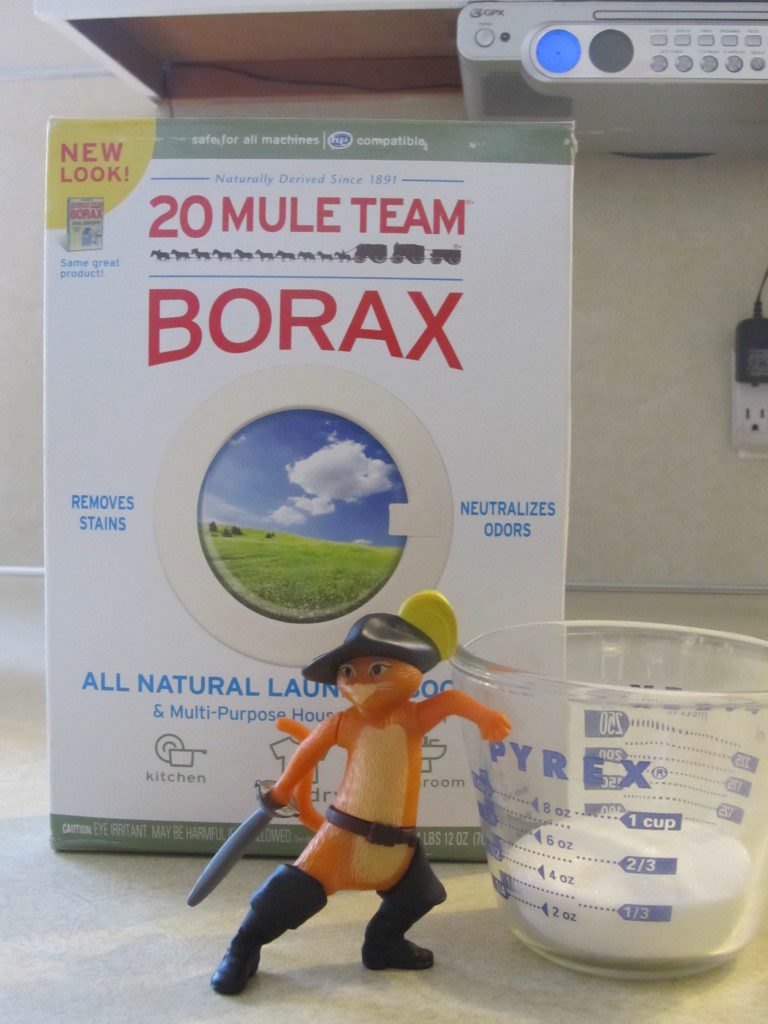
Use 1 cup of sugar, 1 cup of warm water, and about 1 teaspoon of borax.
- ✦ 2. Dissolve the sugar
Stir the sugar into warm water until it dissolves. Warm water makes mixing easier.
- ✦ 3. Add the borax
Add about 1 teaspoon of borax and stir until it is well dispersed.
- ✦ 4. Let it cool
Allow the bait to cool fully before placing it in a bait station.
- ✦ 5. Use a protected station
Put a small amount in an enclosed or otherwise protected bait station where ants are active and children and pets cannot reach it.
What You Need
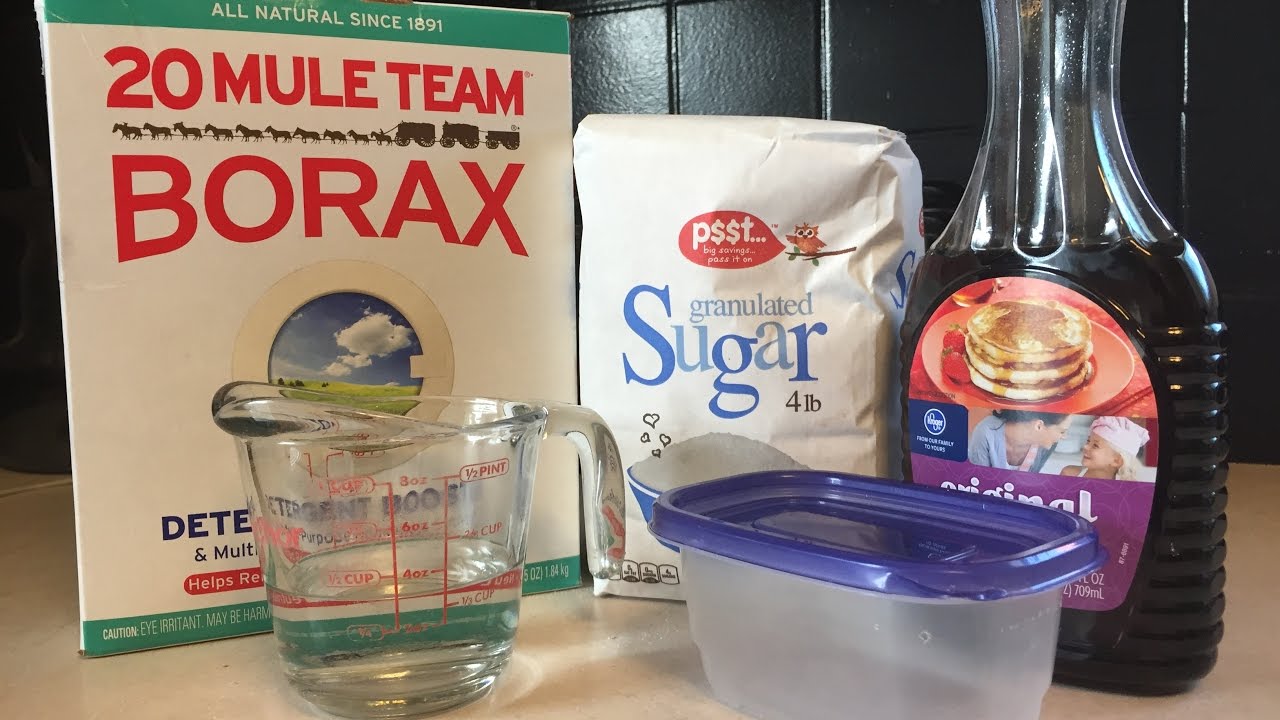
You need only sugar, warm water, borax, a mixing container, and a suitable bait station. Do not use kitchen cups, spoons, or food containers for the bait and then return them to normal food use without thorough cleaning.
- ✦ Sugar
Provides the sweet food source that can attract sugar-feeding ants.
- ✦ Warm water
Helps dissolve the sugar and distribute the borax through the liquid.
- ✦ Borax
Acts as the insecticidal ingredient in the bait.
- ✦ Bait station
Helps reduce accidental contact and keeps the liquid in one controlled location.
How to Place the Bait
Place the bait close to an active ant trail rather than in the middle of an open room. Ants often follow established scent trails, so a bait station near the trail gives them an easy chance to find it.
Do not spray insecticide directly around the bait. Contact sprays can kill worker ants before they carry the bait home. The purpose of **how to make ant killer using borax** is to use feeding behavior to reach the colony.
How to Use Borax Ant Bait for Better Results
Making the bait is only half the job. Good placement matters just as much. Put the bait where ants already travel, such as near a trail, entry point, crack, or outdoor nest opening.
When you first place the bait, you may see more ants around it. That does not always mean the treatment failed. The ants may have found a new food source and started recruiting more workers to it.
A practical lesson in ant control is to **watch what the ants do before changing the recipe**. If they feed on the bait, leave it alone and give the colony time. If they avoid it, try a different location or consider that the ants may prefer another type of food.

- ✦ Follow the trail
Find where ants are entering and place the bait near the active route.
- ✦ Do not disturb feeding ants
Avoid spraying or wiping out ants immediately around a bait station while they are actively feeding.
- ✦ Give it time
Colony control can take several days or longer because the bait must move through the colony.
- ✦ Replace contaminated bait
Dust, dirt, cleaning chemicals, and other substances can make bait less attractive.
- ✦ Move ignored bait
If ants do not feed on it, try a nearby location or reassess the ant species and food preference.
Where to Put Ant Bait Indoors
For indoor use, place bait only in protected locations where people and pets cannot reach it. Good target areas can include protected spots close to ant trails, cracks, or entry points, provided the location is safe and does not contaminate food-preparation surfaces.
Do not leave open dishes of borax bait on counters, floors, tables, or other exposed areas. A closed commercial bait station is generally a safer choice for indoor use.
Where to Put Ant Bait Outdoors
Outdoor placement can work well when ants are entering from the yard. Put bait near active trails or nest areas in a protected station, away from children, pets, wildlife, drains, and standing water.
Do not pour homemade borax bait onto soil or into drains. Borate products should be kept out of waterways, and outdoor pesticide use should follow applicable product directions and local rules.
Safety Tips When Making Ant Killer Using Borax
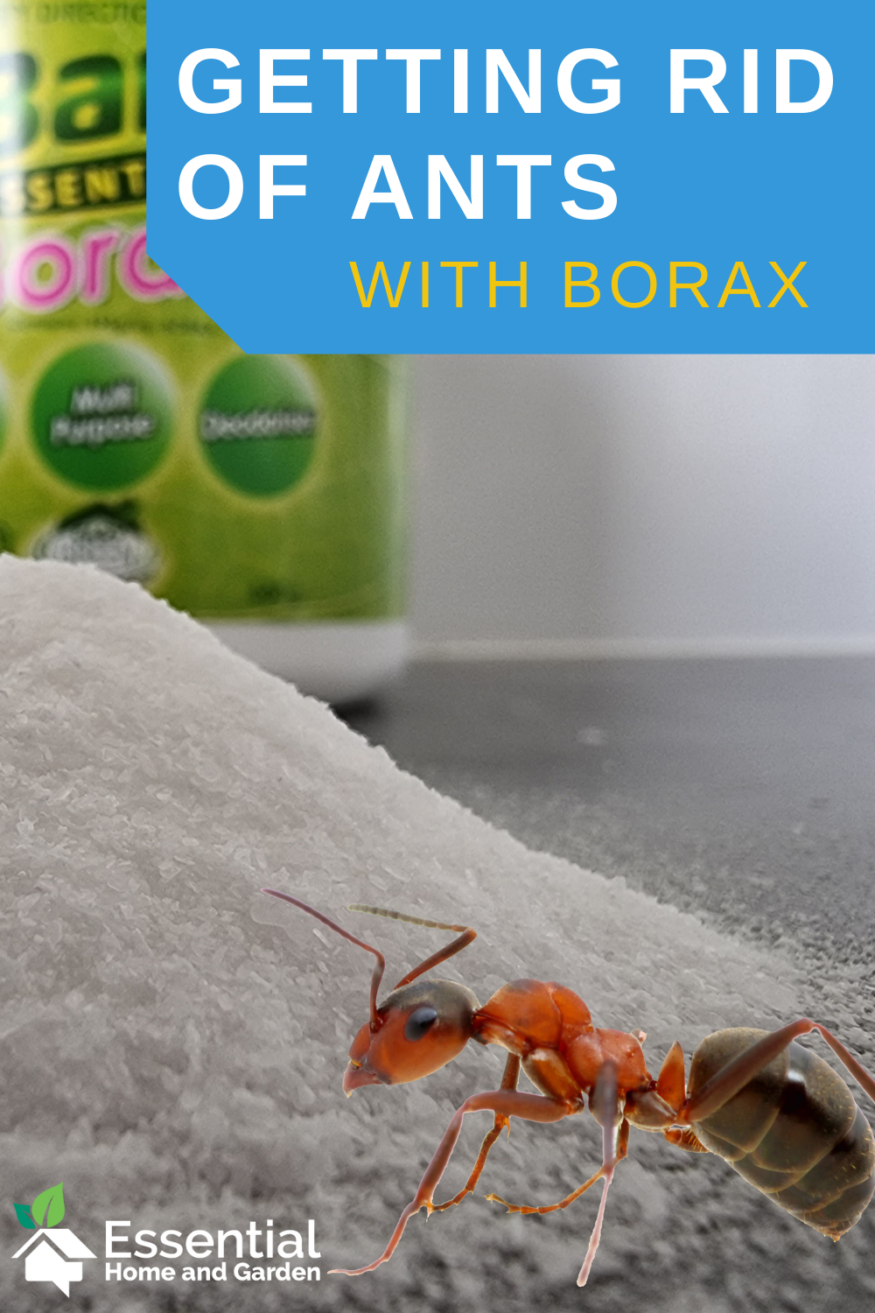
Borax is not harmless just because it is a common household product. Borax dust can irritate the skin and respiratory system, and swallowing borate compounds can be dangerous. The U.S. Environmental Protection Agency also notes that borax and related borate compounds can pose health risks when used in the wrong way.
When learning **how to make ant killer using borax**, treat the mixture like a pesticide. Keep the powder and finished bait away from children and pets, avoid breathing the powder, and wash your hands after handling it.
A registered commercial ant bait can be a better choice when safety is a concern. These products are formulated and labeled for a specific use, and enclosed bait stations can reduce accidental exposure.
- ✦ Keep it away from children
Never leave borax powder or homemade bait where a child can touch or swallow it.
- ✦ Protect pets
Dogs, cats, and other pets should not have access to the bait or the mixing area.
- ✦ Avoid food surfaces
Do not prepare or store ant bait with utensils, bowls, or containers used for food.
- ✦ Avoid breathing borax dust
Handle the dry powder carefully and avoid creating dust.
- ✦ Do not mix chemicals
Never combine borax with bleach, ammonia, or other household chemicals.
- ✦ Store it safely
Keep unused borax in its original labeled container and store it where children and pets cannot reach it.
- ✦ Clean up spills
Remove spilled bait promptly and wash the affected surface with appropriate household cleaning methods.
What If a Child or Pet Eats Borax Bait?
If someone swallows borax or a borax-containing bait, do not guess at the risk from the amount. In the United States, contact Poison Control at **1-800-222-1222** for immediate guidance. For a serious or life-threatening emergency, call 911.
For pets, contact a veterinarian or a pet poison service. Keep the product container or ingredient information nearby so the professional can identify what was swallowed.
Why Enclosed Bait Stations Are Better
An enclosed bait station limits access while still allowing ants to reach the food. This is especially important in homes with young children or pets.
For many household situations, a labeled commercial bait station is the safer and simpler option. DIY bait should not be treated as automatically safer than a registered product.
Why Borax Ant Killer Sometimes Does Not Work
Knowing **how to make ant killer using borax** does not guarantee that every ant problem will disappear. Ant species differ in diet, nesting habits, and response to bait. A sweet liquid bait may work well for some ants but attract little interest from ants that prefer protein or greasy foods.
Competing food can also ruin a good baiting plan. If ants have easy access to crumbs, pet food, spilled soda, ripe fruit, grease, or other food sources, they may ignore the bait.
Another common problem is impatience. A bait that is designed to work slowly may take days or longer to reduce activity. Spraying every ant you see can also interfere with the feeding behavior that makes colony bait effective.

- ✦ Wrong food type
Some ants prefer protein, fats, or oils instead of sugar.
- ✦ Too much borax
A high concentration can reduce feeding or kill workers before they return to the colony.
- ✦ Too little bait
A small colony may need only a little bait, while a larger infestation may require a more organized baiting plan.
- ✦ Competing food
Crumbs, pet food, sweet drinks, and other food sources can make the bait less attractive.
- ✦ Multiple colonies
Seeing ants in several areas may mean that more than one colony is active.
- ✦ Poor placement
Bait placed far from active trails may never be found.
- ✦ Wrong ant species
Some species require a different bait type or a more targeted control plan.
How to Tell Whether Ants Are Feeding on the Bait
Look for ants gathering around the bait without immediately dying beside it. Feeding behavior is a useful sign that the bait is attractive. If ants walk past it, test another protected location before changing the recipe.
You can also watch whether ant activity falls over the next several days. A slow decline is more useful than judging the treatment by what happens during the first few hours.
When to Stop DIY Treatment
If ants continue to appear after sensible baiting and sanitation, identify the species or seek professional help. Carpenter ants, Pharaoh ants, fire ants, and some other species can require more specialized control.
Large infestations, ants coming from wall voids, structural damage, or repeated indoor infestations are good reasons to use a licensed pest professional.
Prevent Ants From Coming Back
Bait can reduce a colony, but prevention makes the result last longer. Ants enter homes because they find food, water, shelter, or a path into the building. Removing those rewards can make your home less attractive.
After learning **how to make ant killer using borax**, spend time finding the reason ants are entering. Look around windows, doors, pipes, foundation cracks, utility lines, cabinets, and areas where plants touch the house.
Good sanitation and exclusion also reduce the need for pesticides. A small leak under a sink, an open pet-food bowl, or sticky residue on a counter can be enough to keep ants returning.

- ✦ Seal entry points
Use suitable caulk or sealant around cracks, gaps, and openings where ants enter.
- ✦ Clean food spills
Wipe up sugar, grease, crumbs, juice, and other food residue quickly.
- ✦ Store food securely
Keep sweets, cereals, pet food, and other attractants in sealed containers.
- ✦ Manage water
Repair leaks and dry damp areas around sinks, pipes, and appliances.
- ✦ Trim plants
Keep branches, vines, grass, and mulch from creating easy routes into the house.
- ✦ Clean ant trails
After baiting has done its job, clean remaining trails with soapy water to remove the scent path.
Do Not Rely on Sprays Alone
Contact sprays can kill visible ants, but they often do not solve the nest. A bait works differently because workers can carry food back to the colony.
For that reason, integrated ant control usually combines sanitation, exclusion, monitoring, and carefully placed bait rather than repeated blanket spraying.
Borax vs. Store-Bought Ant Bait
DIY borax bait is inexpensive and easy to make, but it has limits. Commercial ant baits are formulated with a known active ingredient and a tested food base, and their labels provide directions for where and how the product should be used.
In the United States, pesticide labels matter. If you choose a commercial product, read the label and use it only for the pests and locations listed. Do not assume that a product labeled for one type of ant or application is suitable for another.
For a small, occasional problem, a carefully managed sweet bait may be enough. For a large or recurring infestation, a registered bait product or licensed pest professional can offer a more controlled approach.
- ✦ DIY borax bait
Low cost and simple to prepare, but concentration, placement, safety, and effectiveness are harder to control.
- ✦ Commercial liquid bait
Usually comes ready to use and may include a designed bait formula and enclosed station.
- ✦ Commercial gel bait
Can be useful for targeted placement in cracks and other areas when the product label permits that use.
- ✦ Professional treatment
Useful when infestations are large, persistent, difficult to identify, or linked to structural issues.
When a Professional Makes Sense
Consider professional help if ants keep returning after sanitation and baiting, if you suspect carpenter ants, or if you see signs of a nest inside walls or structural wood. A professional can identify the ant species and select a bait or treatment that matches its behavior.
This is especially useful when the infestation is widespread or when repeated DIY treatment has not worked.