Does Fire Ant Killer Kill Other Ants? What You Need to Know
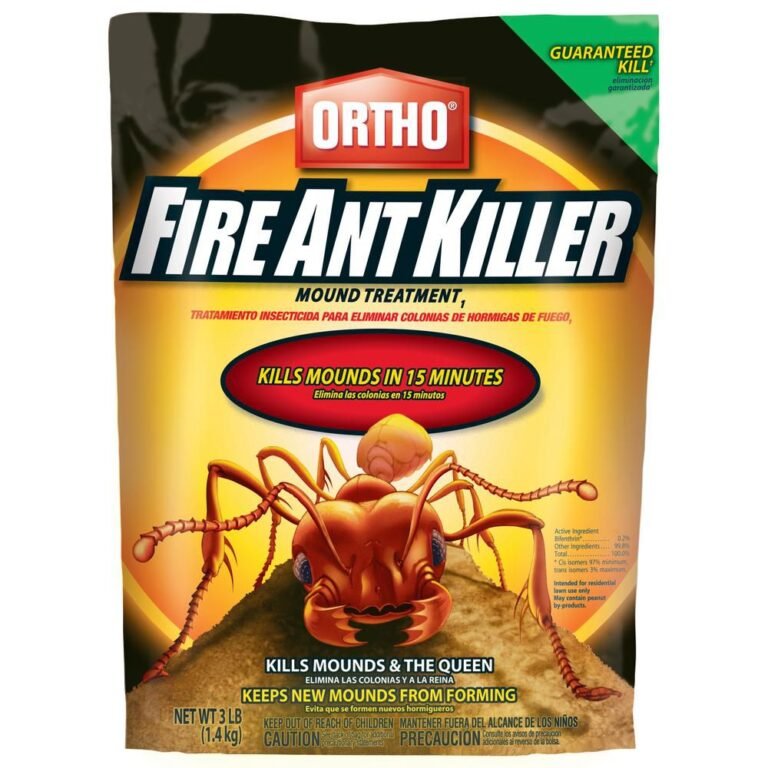
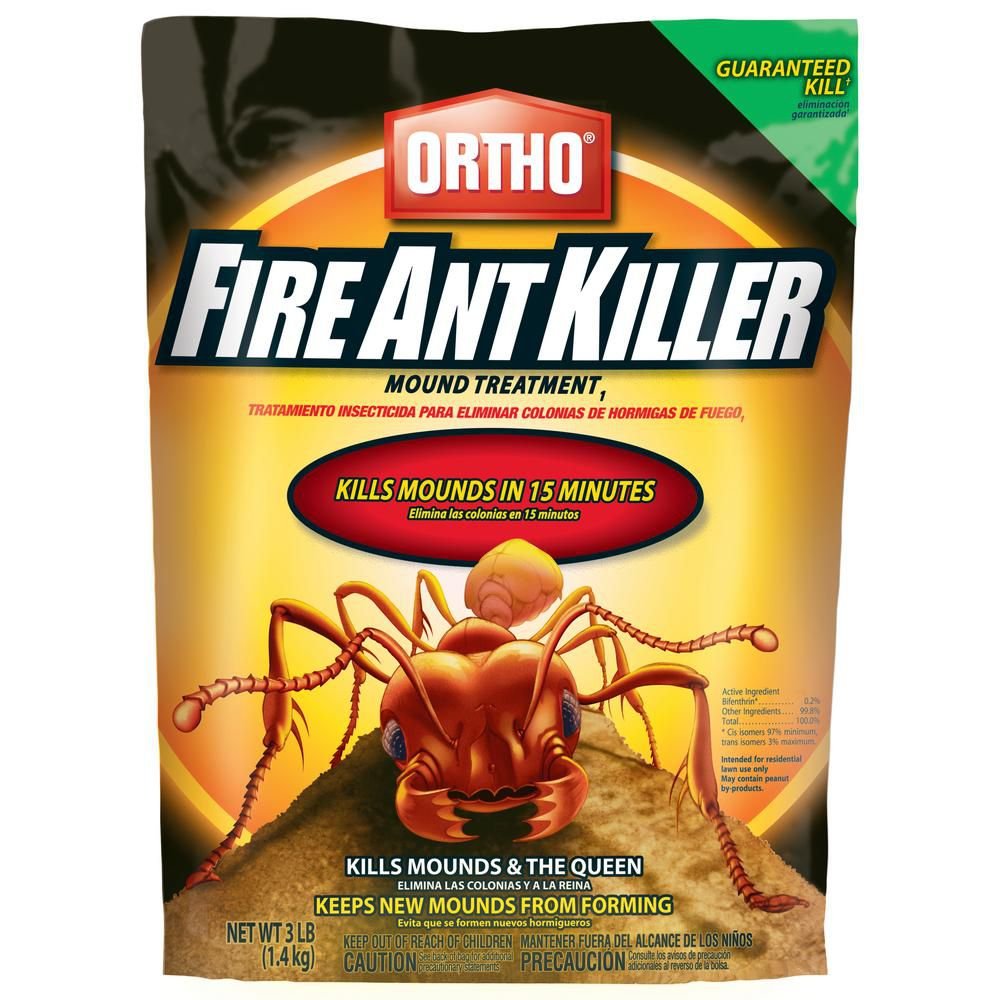
If you see ants in your lawn, the first question is often simple: does fire ant killer kill other ants? The answer is more complex than a simple yes or no. Fire ant products use different active ingredients, bait foods, and application methods. Some are made to target several ant species, while others are designed mainly for fire ants.
The key is the product label. A fire ant bait may kill another ant if that ant eats the bait and receives a lethal dose. Yet an ant that does not find the bait attractive may ignore it. This is why the same product can work well in one yard and show little effect on another ant species.
For U.S. homeowners, the safest approach is to identify the ant when possible, check the label for the listed pest, and then choose a treatment that matches the problem. This can save time, reduce wasted pesticide, and help protect useful insects in the yard.
How Fire Ant Killer Works
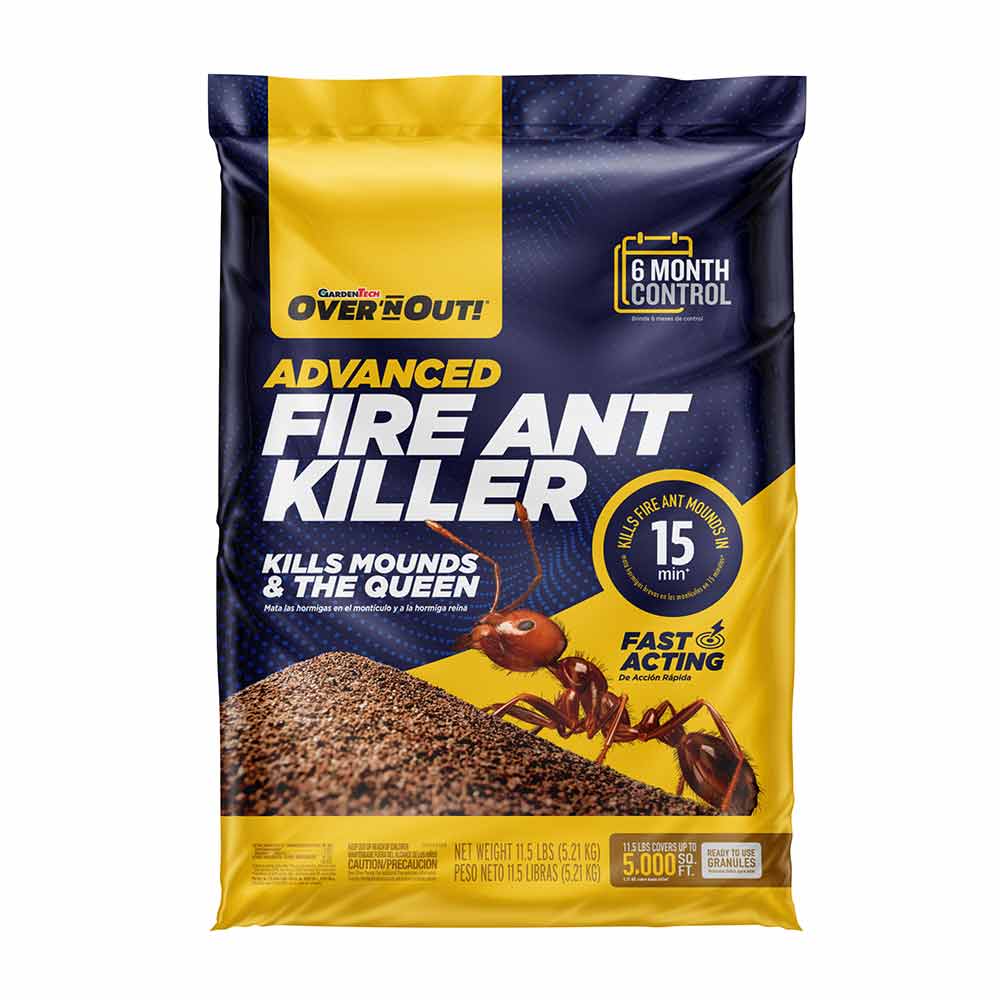
To understand does fire ant killer kill other ants, it helps to know how these products work. Most fire ant treatments fall into two broad groups: baits and contact insecticides. Baits are designed to be picked up or eaten by ants, while contact products work when ants come into direct contact with the active ingredient.
Fire ant baits often contain food that attracts foraging workers. The workers may carry the bait into the nest. Other ants can then consume it. Depending on the active ingredient, the product may affect workers, queens, or both. This colony-based action is one reason baits can be useful for ants that live in large nests.
A contact treatment works in a different way. It may kill ants that walk across a treated surface or come into direct contact with the product. That can give quick visible control, but killing ants that you see does not always mean the colony has been eliminated.
- ✦ Bait
Ants eat or collect the bait and may carry it back to the nest. The goal is often to spread the active ingredient through the colony.
- ✦ Contact treatment
Ants are exposed when they touch a treated area. This can act faster but may not reach the nest.
- ✦ Mound treatment
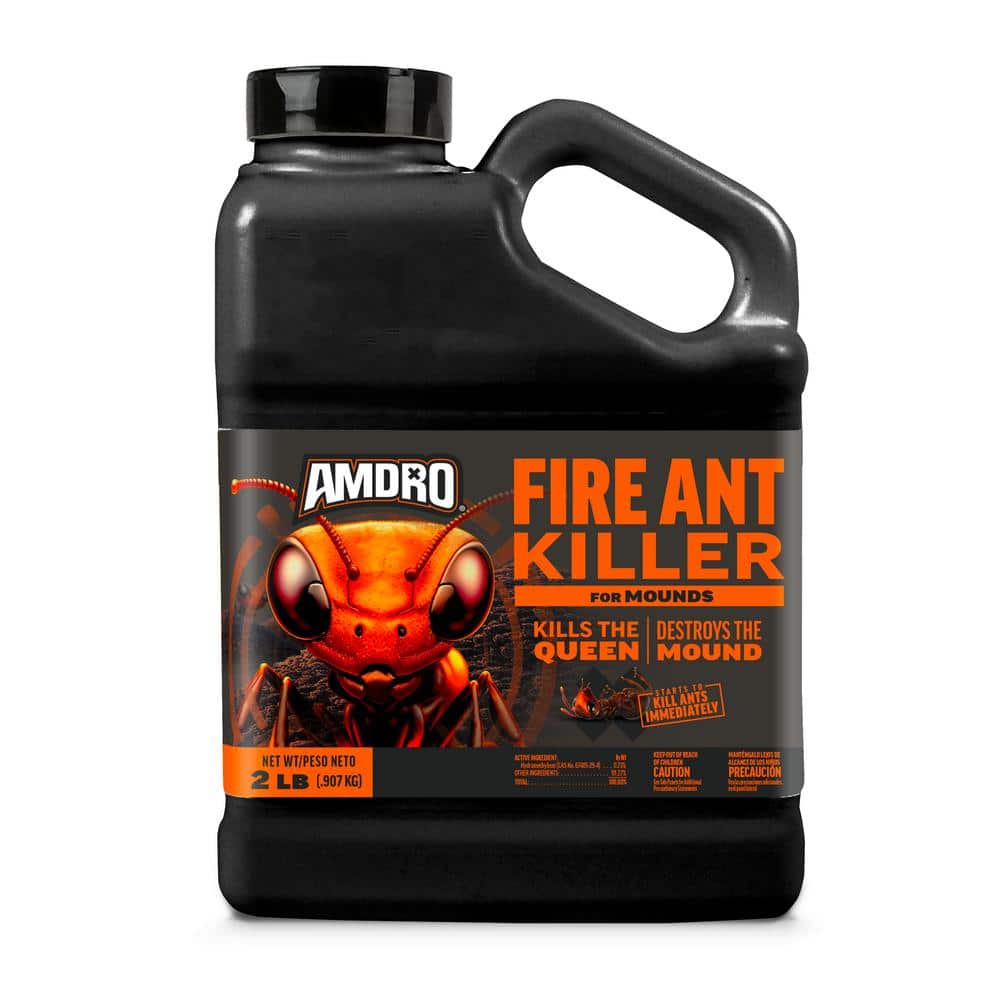
A product is applied to or around a mound. Some products are made specifically for fire ant mounds and may have limited use against other ants.
Why the Active Ingredient Matters
The phrase fire ant killer describes a product category, not one single chemical. Different products may contain different active ingredients. Their speed, mode of action, and labeled target pests can vary.
Some fire ant baits have labels that include other ants. Others are much narrower. A product’s active ingredient alone does not tell you every pest it legally and reliably controls. The label is the final guide.
- ✦ Read the label
Look for the exact ant species or pest group listed under the product’s approved uses.
- ✦ Check the application site
A product labeled for lawns may not be approved for indoor use, gardens, food areas, or other locations.
Does Fire Ant Killer Kill Other Ant Species?
So, does fire ant killer kill other ants? Sometimes, yes. Many ants are sensitive to insecticides, but sensitivity does not mean that a product is equally effective against every species.
Ant species differ in diet, nesting habits, behavior, and response to bait. Fire ants may readily collect a certain bait, while another species may prefer a different food source. Some ants also nest in places where a lawn treatment has little effect.
Product labels can make this distinction clear. Some registered ant products list several species. Other products specifically target imported fire ants or a narrow group of outdoor ants. That difference matters when you are trying to control a pest rather than simply kill a few visible workers.

- ✦ Fire ants
Many fire ant products are designed for red imported fire ants and related fire ant problems. Some use mound treatment, while others use broadcast bait.
- ✦ Pavement ants
Some outdoor ant baits can control pavement ants, but success depends on whether the ants accept the bait and whether the product label includes them.
- ✦ Odorous house ants
These ants may respond to certain baits, but a fire ant product should not be assumed to work well indoors unless the label allows indoor use.
- ✦ Carpenter ants
Carpenter ants can need a different approach because they often nest in wood or other protected areas. A fire ant lawn treatment may not reach the colony.
- ✦ Argentine ants
Some ant baits are labeled for Argentine ants. Their colony structure and feeding behavior can make bait choice and placement important.
The Ant You See May Not Be the Ant You Need to Treat
A common mistake is choosing a pesticide based only on the fact that it says ant killer. Ants can look similar, especially when they are small. A tiny black ant near a patio may not be a fire ant at all.
Location can also provide clues. Fire ants often build visible mounds in soil and open areas. Carpenter ants are more likely to be linked with wood, wall voids, trees, or damp structures. Correct identification helps you select a treatment that matches the nest and feeding behavior.
- ✦ Look at the nest
Note whether ants use a soil mound, pavement crack, tree, wall void, or indoor space.
- ✦ Look at feeding behavior
Some ants prefer sweet foods, while others may favor protein or grease. Bait choice can affect results.
Why Fire Ant Killer May Not Work on Other Ants
If you are asking does fire ant killer kill other ants because a product failed in your yard, the problem may not be the strength of the pesticide. The ants may simply not be taking the bait. A bait only works when the target pest finds it and feeds on it.
Weather can also change results. Rain can move or degrade some outdoor products. Heat and moisture can affect bait freshness and ant activity. Always follow the product directions for weather, watering, storage, and reapplication.
Another issue is nest location. A lawn treatment may reduce ants that forage across the grass but have little impact on a colony inside a wall, tree, structure, or deep protected area. In that case, treating the visible workers may provide only temporary relief.

- ✦ Wrong bait preference
The ants may prefer another food type and ignore the bait you applied.
- ✦ Wrong pest
The product may target fire ants while the infestation involves carpenter ants, pavement ants, or another species.
- ✦ Wrong location
The colony may sit outside the treated area or in a protected site where the product cannot reach it.
- ✦ Poor bait condition
Old, wet, contaminated, or poorly stored bait may become less attractive to ants.
- ✦ Visible ants are only workers
Killing workers can reduce activity without removing the queen or the colony.
Bait Acceptance Is a Major Factor
Ants do not all eat the same foods. Some species shift their food needs based on colony demand and the season. That means a bait that attracts one species may not attract another.
For this reason, switching to a product labeled for the actual ant species can work better than simply applying more of the same fire ant killer. More pesticide is not a substitute for the right bait and the right application.
- ✦ Do not mix products casually
Mixing or combining pesticides can change exposure and may violate the product label.
- ✦ Follow the label rate
Using more than the stated amount does not guarantee better control and can increase unwanted exposure.
Fire Ant Killer vs. General Ant Killer
A general ant killer and a fire ant killer may look similar on a store shelf, but they can serve different purposes. Fire ant products are often built around the behavior of fire ants in outdoor soil. General ant products may target several household or outdoor species.
For a lawn with fire ant mounds, a labeled fire ant bait may make sense. For ants entering a kitchen, the better choice may be a bait designed for indoor ants and approved for indoor use. For carpenter ants, finding the nest or moisture source may matter more than treating the lawn.
The best product is therefore not always the one with the strongest wording on the package. It is the one whose label matches the pest, location, application method, and problem you actually have.

- ✦ For fire ant mounds
Use a product specifically labeled for fire ants and follow the mound or broadcast directions.
- ✦ For indoor ants
Choose a product labeled for indoor use and the ant species or pest group involved.
- ✦ For carpenter ants
Look for a treatment labeled for carpenter ants and inspect likely nesting areas, moisture, and damaged wood.
- ✦ For mixed outdoor ants
A product that lists multiple ant species may be more suitable, provided its use matches the site and directions.
Why the Product Label Is More Important Than the Product Name
Product names can be broad. The legal directions are much more precise. In the United States, pesticide labels state where a product may be used and which pests it is intended to control.
Before using a fire ant killer on another type of ant, check the current label. If that ant is not listed, do not assume the product is approved or effective for that use.
- ✦ Check the target pest
Confirm that the label lists the ant species or pest group you need to control.
- ✦ Check the site
Make sure the label allows use on the lawn, garden, structure, pavement, or other area you plan to treat.
- ✦ Check the directions
Use the stated amount, timing, placement, and safety steps.
How to Choose the Right Ant Treatment
The most useful way to solve an ant problem is to work backward from the pest. Start by finding where the ants are coming from. Then identify the ant if possible and select a product that lists that pest and the treatment area on its label.
If the issue is a few ants around a doorway, colony bait may be more useful than treating the whole yard. If your lawn has several fire ant mounds, an outdoor fire ant bait may make more sense. If ants keep appearing indoors, the source may be outside or inside a wall, cabinet, window frame, or other hidden location.
A good pest-control plan also considers nonchemical steps. Seal cracks where practical, reduce food and water sources, fix leaks, trim vegetation that touches structures, and remove conditions that make the site attractive to ants. These steps can make chemical control more effective and reduce repeat problems.
- ✦ Step 1: Identify the ant
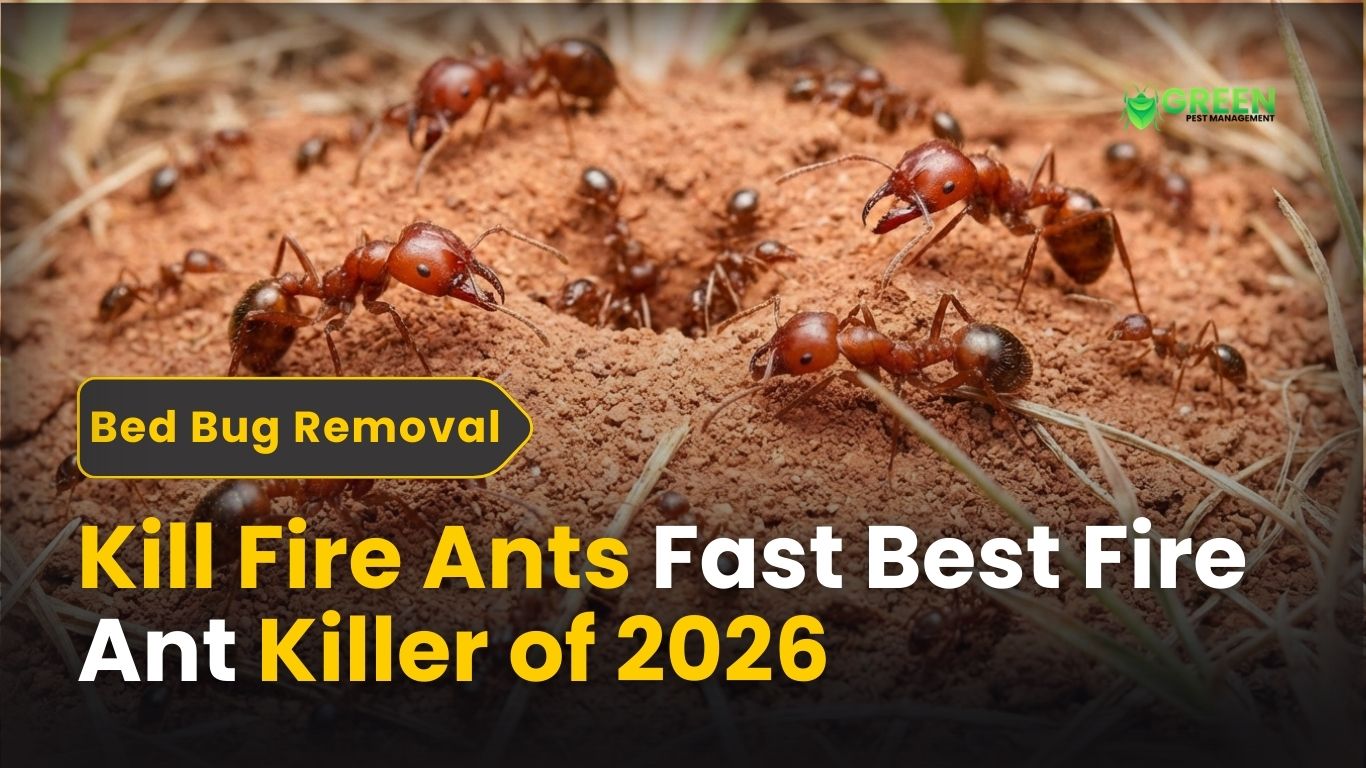
Use the ant’s size, color, nest location, and behavior as clues. When identification is uncertain, consider local extension or pest-control guidance.
- ✦ Step 2: Find the colony
Follow trails when possible. Treating the source is often more useful than repeatedly killing visible workers.
- ✦ Step 3: Match the product
Choose a product whose current label includes the pest and the site you need to treat.
- ✦ Step 4: Use the correct amount
More product is not automatically better. Follow the label rate and application method.
- ✦ Step 5: Give bait time
Colony baits may take time because workers must find, collect, and share the bait.
- ✦ Step 6: Reassess the problem
If activity continues, check ant identification, bait acceptance, nest location, weather, and label directions before changing treatment.
Safety Matters Around Homes and Pets
Pesticides should be treated as tools, not household cleaners. Keep products in their original containers and follow all label warnings. Do not use outdoor products indoors unless the label specifically permits that use.
Keep children and pets away from treated areas as directed by the label. Avoid contamination of ponds, streams, drains, food, dishes, and other sensitive areas. If a product label gives more specific instructions, those instructions should control.
- ✦ Store safely
Keep pesticide products in their original containers and away from children, pets, food, and heat.
- ✦ Protect water
Follow the label rules that prevent pesticide from entering ponds, streams, drains, or other water.
- ✦ Use protective gear
Wear the protective clothing or equipment listed on the product label.
Common Mistakes When Using Fire Ant Killer on Other Ants
When people ask does fire ant killer kill other ants, they often want a quick solution. The most common mistake is assuming that any product with the words ant killer will work equally well on every ant. Ant biology does not work that way.
Another mistake is treating only the ants that are easy to see. Worker ants may form a trail far from the nest. If the colony remains active, new workers can replace the ones that die.
It is also easy to use too much product when the first application does not seem to work. That can increase pesticide exposure without fixing the real problem. A better response is to check the label, identify the pest, and determine why the treatment failed.
- ✦ Mistake: Assuming all ants eat the same bait
Different ant species can have different food preferences. Bait acceptance is a key part of successful control.
- ✦ Mistake: Treating only visible ants
Visible workers may be only a small part of the colony.
- ✦ Mistake: Using more than the label rate
Extra pesticide does not guarantee faster or better control.
- ✦ Mistake: Ignoring the nest
A hidden nest can keep producing workers after surface activity drops.
- ✦ Mistake: Using outdoor products indoors
Outdoor and indoor pesticide labels can differ. Never assume that an outdoor fire ant product is safe or approved for indoor use.
When Professional Help Makes Sense
Consider professional pest control when ants keep returning after correct treatment, when the nest cannot be found, or when ants appear to come from wall voids or structural wood. Carpenter ants can also point to moisture or wood problems that need attention.
A professional can help identify the ant and locate likely nesting sites. This can be especially useful when the infestation is large or when repeated pesticide use has not solved the problem.
- ✦ Repeated infestations
Frequent returns may suggest a nearby colony or a source that has not been addressed.
- ✦ Structural ants
Ants associated with walls, ceilings, roofs, trees, or damaged wood may need a more targeted inspection.