Do It Yourself Ant Killer: Safe Homemade Ways to Get Rid of Ants
A few ants on the kitchen counter can quickly become a daily problem. In many U.S. homes, ants enter through tiny gaps around doors, windows, pipes, and foundations. Warm weather can make the problem more noticeable, but indoor ant activity can occur all year.
A good do it yourself ant killer does more than kill the ants you can see. Ants live in colonies, so the larger goal is to get workers to carry a slow-acting bait back to the nest. At the same time, you should remove crumbs, spills, standing water, and easy entry points.
There is no single homemade mix that works for every ant species. A bait that attracts sugar-loving ants may not appeal to ants that prefer protein or grease. The safest approach is to identify the ant problem, use a small and controlled bait placement, and watch how the ants respond.

How a Do It Yourself Ant Killer Actually Works
Ant control is not only about killing visible insects. A colony may contain workers, young ants, and one or more reproductive ants. Killing a few workers can give quick relief, but it may not solve the source of the problem.
A bait works in a different way. Worker ants find the food, feed on it, and may carry some back to the nest. A slow-acting bait can then affect ants that never came into contact with the original bait.
This is why a do it yourself ant killer should not always be designed to kill ants as fast as possible. If every worker dies before reaching the nest, the colony may survive.
- ✦ Contact killing
A spray or powder can kill ants that touch it. This may reduce visible activity fast, but it may not reach the colony.
- ✦ Baiting
A food source mixed with a slow-acting insecticide can allow worker ants to transport the active ingredient toward the nest.
- ✦ Prevention
Removing food, water, and entry points helps stop new ants from entering after the current activity drops.
Why Killing Every Visible Ant Is Not Enough
Most ants you see indoors are workers. Their job is to find food and take it back to the colony. If you only spray the trail, more workers may appear later from the same nest or from another nearby colony.
For this reason, baiting is often a better long-term strategy than repeatedly spraying the same trail.
- ✦ Think colony first
The goal is to reduce the source of the infestation, not just the ants visible on the counter.
A Simple Sugar and Borax Ant Bait
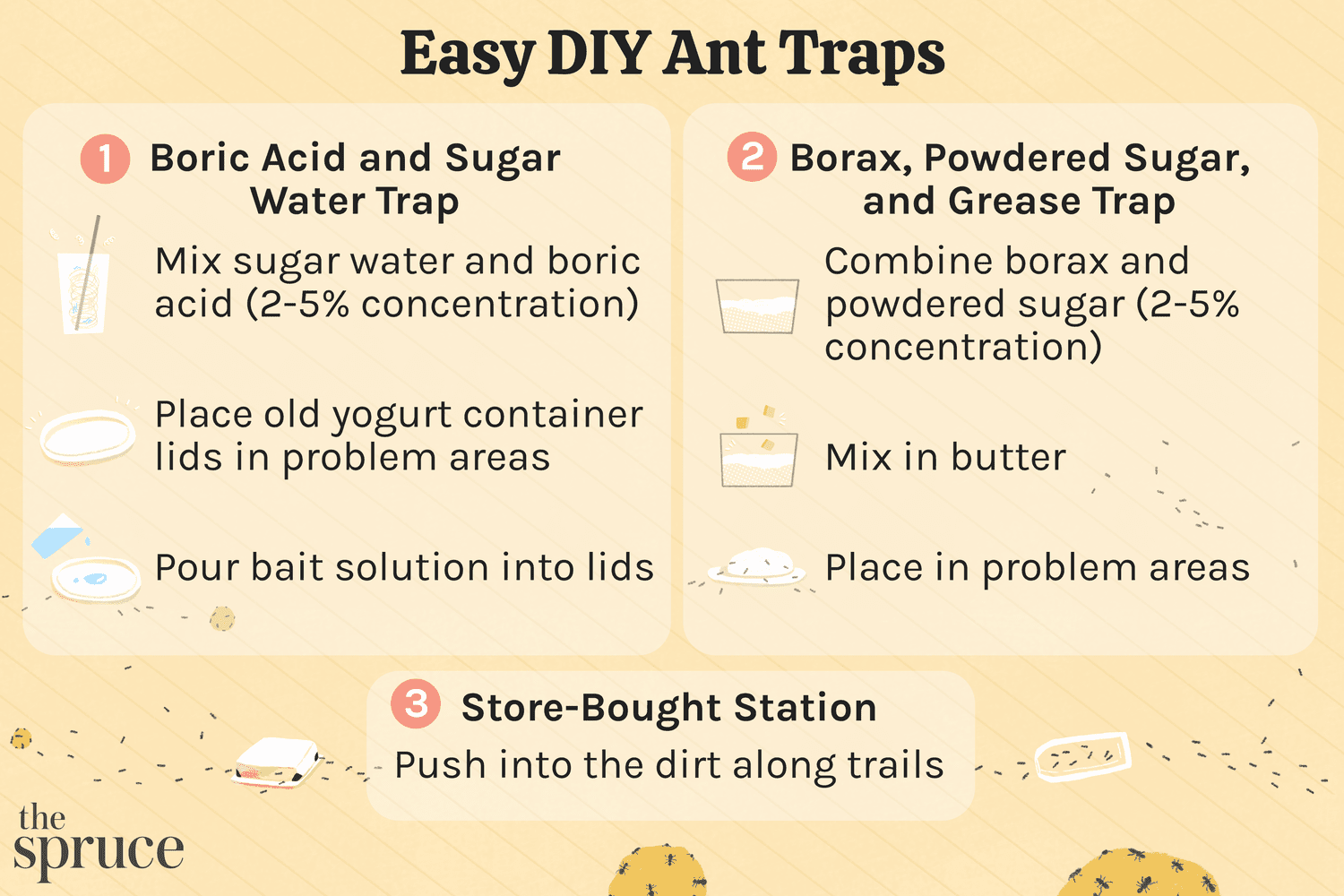
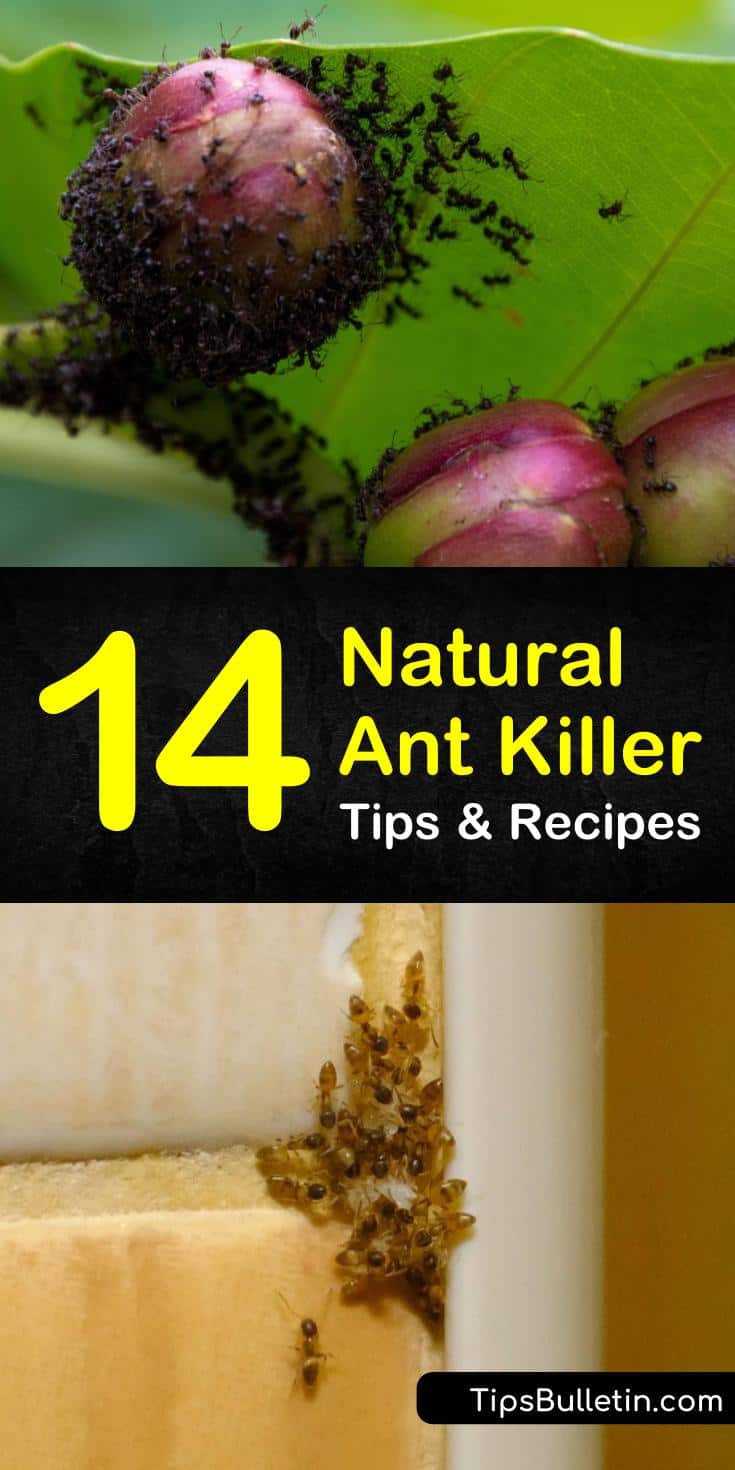
One commonly discussed do it yourself ant killer uses sugar as an attractant and borax as the toxic ingredient. The sugar draws ants toward the bait, while the borax can act as the insecticidal component.
The key is concentration. A very strong mixture may kill ants too quickly or make the bait less attractive. A controlled bait with a lower concentration can give worker ants more time to carry food toward the nest.
Borax is not harmless. It can cause harm if swallowed and can irritate the eyes and skin. Keep any borax bait in a secure bait station or another location that children and pets cannot reach.
- ✦ Basic ingredients
Use a small amount of sugar, water, and borax. The mixture should be placed in a protected bait container rather than left exposed on a food surface.
- ✦ Use small amounts
A small bait station is easier to control and reduces the chance of accidental contact.
- ✦ Watch the ants
If ants feed on the bait and activity later declines, the bait may be working. Do not disturb the trail unless safety requires it.
Why Sugar Attracts Some Ants
Many common household ants are attracted to sweet foods. Sugar can therefore make a useful bait carrier. However, ant diets can change, and some species prefer protein or oily foods.
If ants ignore a sweet bait, do not assume the entire method has failed. The ants may be looking for a different food source.
- ✦ Sweet preference
Sweet bait may appeal to ants that are seeking sugary food.
- ✦ Protein or grease preference
Some ants may respond better to a protein or grease-based commercial bait designed for that species.
How to Make a Vinegar Ant Spray
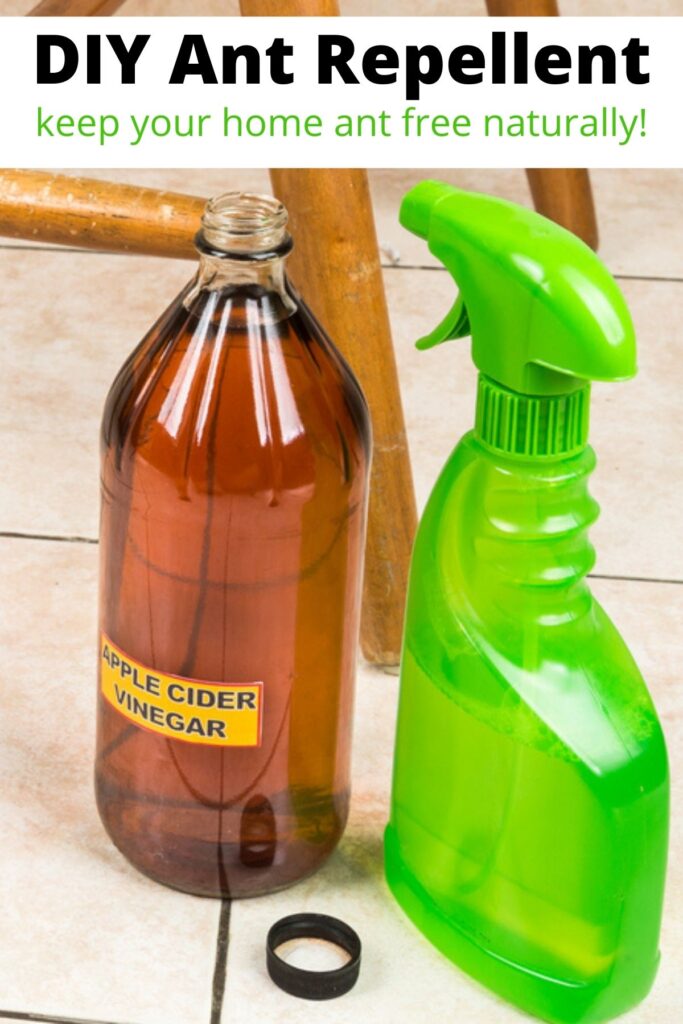
Vinegar is often used as a simple household ant deterrent. A diluted vinegar solution can help clean ant trails and remove some of the scent cues that ants use when traveling along a path.
This makes vinegar useful for cleanup, but it is not the same as a colony-killing bait. A vinegar spray may kill or disturb some ants on contact, yet it usually does not solve an established nest.
To use it, mix equal parts water and plain white vinegar in a labeled spray bottle. Apply it to hard, washable surfaces where ants travel, then wipe the area clean.

- ✦ Use on suitable surfaces
Test the solution on a small hidden area first. Vinegar can damage some stone, finishes, and sensitive materials.
- ✦ Do not mix cleaners
Never mix vinegar with bleach or other cleaning chemicals. Dangerous fumes or reactions can result.
- ✦ Treat the trail
Clean the path, nearby crumbs, spills, and sticky residue so ants have less reason to return.
When Vinegar Helps and When It Does Not
Vinegar is most useful as part of a cleanup and prevention plan. It can help remove the trail left behind by ants, but it should not be treated as a reliable replacement for colony-targeted bait.
If ants continue to return from the same crack after cleaning, look for the entry point and consider a suitable bait instead.
- ✦ Good use
Clean hard surfaces and reduce ant trail cues.
- ✦ Poor use
Relying on vinegar alone to eliminate a large or established colony.
Other Homemade Ant Killer Options
Search results for do it yourself ant killer often include baking soda, cinnamon, essential oils, coffee grounds, dish soap, and other household products. These methods can be popular because they are cheap and easy to find.
However, a natural label does not mean a product is automatically effective or safe. Some substances may repel ants for a short time, while others may have little effect on an established colony.
If your goal is long-term control, focus first on food removal, moisture control, entry-point sealing, and a bait that fits the ant species.
- ✦ Dish soap
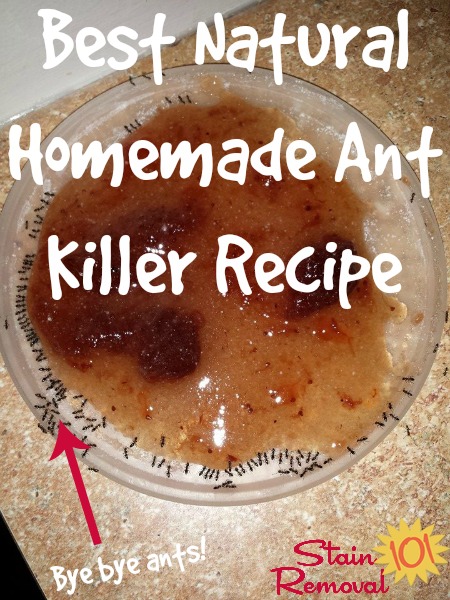
Soapy water can kill exposed ants on contact, but it does not normally provide the colony-level effect of a slow bait.
- ✦ Baking soda
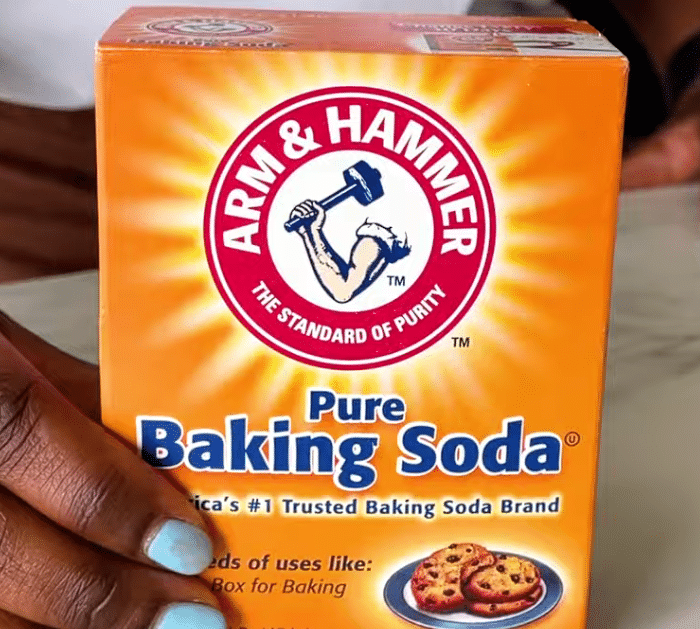
Baking soda is widely promoted online as a homemade ant killer, but evidence for reliable colony control is limited. Do not rely on it for a persistent infestation.
- ✦ Cinnamon and strong scents
Strong scents may disturb or redirect ants, but they are better viewed as temporary deterrents than proven colony treatments.
- ✦ Essential oils
Some oils may repel ants, but concentrated oils can irritate skin and may be harmful to pets. Use extra caution around animals and children.
Natural Does Not Always Mean Safe
Household ingredients can still cause harm when swallowed, inhaled, or applied in high concentrations. Essential oils are a good example because some are toxic to pets even though they are marketed as natural products.
Keep every homemade pest treatment away from food, children’s play areas, pet bowls, and places where wildlife may reach it.
- ✦ Read the label
If a commercial ingredient or pesticide is involved, follow its label directions and use only the approved application method.
How to Use Ant Bait Without Making the Problem Worse
Good bait placement matters as much as the bait itself. Place bait close to active trails, but keep it away from food preparation areas and anywhere children or pets can reach.
Do not spray a repellent insecticide directly around a bait station. Repellent sprays can cause ants to avoid the bait, which defeats the purpose of using it.
Give a working bait time. Ant activity may look busy at first because more workers can arrive at the food source. That does not always mean the treatment has failed.

- ✦ Find active trails
Look along baseboards, under sinks, around windows, near doors, and where pipes enter walls.
- ✦ Protect the bait
Use a closed bait station when possible, especially in homes with children or pets.
- ✦ Avoid disturbing feeding ants
If ants are actively feeding on a suitable bait, avoid spraying or wiping them away unless there is a safety concern.
- ✦ Replace contaminated bait
Fresh bait is often more useful than bait covered with dust, dirt, or cleaning products.
Where to Place a DIY Ant Bait
Start near the point where ants enter. Common spots include cracks near windows, gaps under doors, plumbing openings, and spaces around cabinets.
Do not place bait directly on a kitchen counter where food is prepared. A protected station placed beside an active trail is usually easier to manage and safer.
- ✦ Indoor locations
Consider protected areas near baseboards, under sinks, behind appliances, and beside known entry points.
- ✦ Outdoor locations
For outdoor bait, follow the product label and avoid areas where children, pets, pollinators, or wildlife may contact the treatment.
How to Stop Ants From Coming Back
The strongest do it yourself ant killer plan has two parts: control the ants that are already inside and remove the conditions that attract new ones. If a home offers food, water, and shelter, another group of ants may move in after the first problem is gone.
Kitchen habits matter. Wipe sugary spills, clean under appliances, rinse recycling, store food in sealed containers, and empty indoor trash often. Pet food can also attract ants, so avoid leaving bowls full for long periods when possible.
Moisture is another major factor. Fix leaking faucets and pipes, improve drainage near the foundation, and check damp areas under sinks. These simple changes can make a home less attractive to ants.
- ✦ Seal cracks
Use suitable caulk or sealant around small gaps near windows, doors, baseboards, and utility openings.
- ✦ Remove food
Clean crumbs and spills quickly, especially sugary liquids and food residue.
- ✦ Reduce moisture
Repair leaks and improve ventilation in damp areas such as kitchens, bathrooms, and utility spaces.
- ✦ Trim vegetation
Keep branches, vines, and dense plant growth from creating easy routes onto the structure.
- ✦ Check outdoor nests
Look for ant activity around foundations, patios, tree bases, mulch, and other areas close to the home.
The Kitchen Is Often the First Place to Check
Ants often enter kitchens because they can find food and water there. A tiny amount of syrup, juice, grease, or crumbs can be enough to keep a trail active.
Clean the obvious food source before deciding that you need a stronger pesticide. A clean, dry kitchen removes one of the main reasons ants keep returning.
- ✦ Check hidden areas
Look beneath appliances, inside cabinet corners, around trash containers, and under pet food dishes.
Choosing the Right Method for Different Ant Problems
Not every ant infestation should be treated in the same way. Tiny ants in a kitchen may respond well to baiting and sanitation, while larger ants around damp wood may signal a different problem.
Carpenter ants deserve special attention. They can nest in damaged or damp wood, and repeated indoor sightings may mean that moisture or structural conditions need to be addressed.
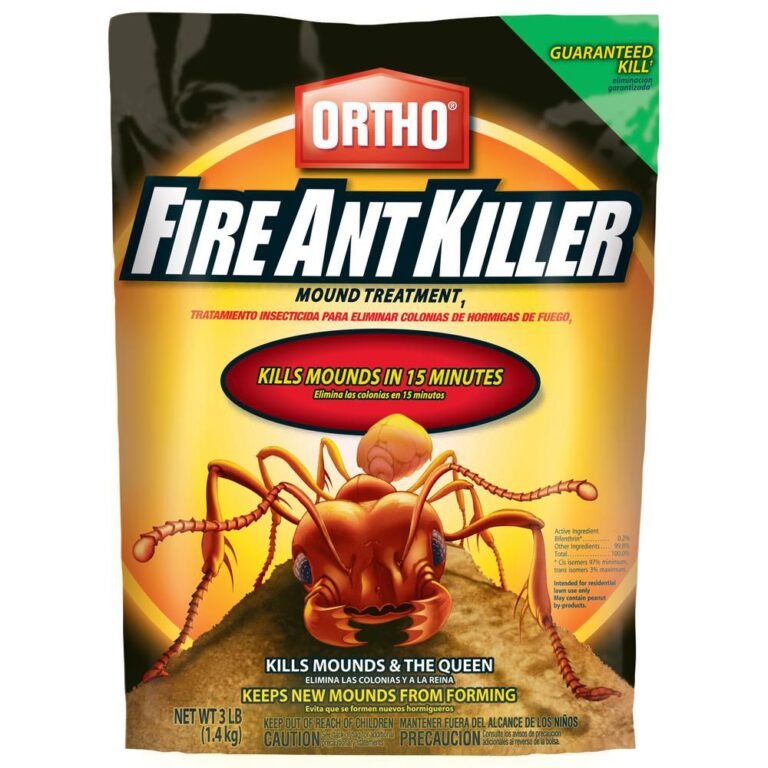
Fire ants are another case where homemade indoor recipes are usually not the right answer. Their outdoor colonies can be large, and stings can be painful. Use a labeled outdoor treatment designed for fire ants and follow its directions.
- ✦ Small kitchen ants
Focus on food cleanup, entry points, and a suitable bait.
- ✦ Large black ants
Look for damp or damaged wood and possible nesting sites, especially around windows, roofs, and plumbing.
- ✦ Fire ants
Treat outdoor colonies with products labeled for fire ants and keep people and pets away from treated areas as directed.
- ✦ Persistent indoor activity
If ants keep returning despite sanitation and baiting, consider professional pest inspection to identify the nest or entry route.
When a DIY Approach May Not Be Enough
A do it yourself ant killer can work well for a small and clear infestation. But repeated activity, large numbers of ants, or signs of nesting inside walls can require a more careful inspection.
Professional help is especially useful when you cannot find the entry point, when ants are associated with damaged wood, or when repeated treatments only give short-term relief.
- ✦ Get help for recurring problems
A pest professional can identify the species, locate likely nesting areas, and recommend a treatment plan.
Safety Rules for Homemade Ant Killers
A homemade pesticide should be treated like a real pesticide. Keep mixtures clearly labeled and stored away from children, pets, food, and medicines. Never use an unlabeled container for a chemical mixture.
Do not mix household cleaners together. In particular, never combine bleach with vinegar, ammonia, or other cleaners. Toxic gases or dangerous chemical reactions can result.
If a child, pet, or adult may have swallowed a homemade pesticide or chemical, seek urgent guidance from the appropriate poison control or veterinary service. In the United States, people can contact Poison Control at 1-800-222-1222 for poisoning advice.
- ✦ Protect children
Use enclosed bait stations when possible and keep all pesticide ingredients locked or stored out of reach.
- ✦ Protect pets
Keep baits and sprays away from pet bowls, bedding, toys, and areas where animals can lick or touch treated surfaces.
- ✦ Protect food
Never place pesticide mixtures on food preparation surfaces or where food is stored.
- ✦ Follow pesticide labels
For commercial products, the label is the legal and practical guide for where, how, and how much to apply.
- ✦ Avoid unsafe combinations
Do not combine different pesticides or household cleaners unless the product label specifically allows it.
Is Borax Safe Around Kids and Pets?
Borax should not be treated as a harmless household powder. Ingesting it can be dangerous, and direct exposure should be avoided.
If you use a borax-based do it yourself ant killer, place it inside a secure bait station that children and pets cannot access. For homes with curious pets or young children, a properly labeled commercial enclosed bait station may be a safer choice.
- ✦ Use barriers
Keep bait inside a protected container and place it where accidental contact is unlikely.