What Ant Killer Is Safe for Pets? A Complete Pet-Safe Guide for Dogs and Cats
If you share a home with a dog or cat, choosing an ant killer takes more care than simply finding the product that kills ants fastest. Ant baits contain substances that attract insects, and the same food scents can also attract curious pets. The goal is not to find a product that is harmless in every situation. The goal is to reduce your pet’s chance of contact while still controlling the ant colony.
For most U.S. homes, a good approach is simple: remove food and water sources, seal cracks, then use a labeled bait product only where your pet cannot reach it. The U.S. Environmental Protection Agency advises keeping pets away from treated areas and says baits can offer a lower exposure risk when they are kept out of reach. Product labels still matter because safety depends on the exact active ingredient, concentration, and directions for use.
This guide explains what ant killer is safe for pets, how common ingredients differ, when bait stations make sense, why loose powders need care, and what to do if your pet gets into an ant product. It also covers dogs and cats, indoor and outdoor use, and safer ways to prevent ants from coming back.
What Ant Killer Is Safe for Pets?
There is no single ant killer that is safe for every pet, every home, and every use. A product may have a lower risk when used exactly as directed but become unsafe if a dog chews the bait station or a cat walks through wet spray and licks its paws. So, when asking what ant killer is safe for pets, focus on both the product and how you use it.
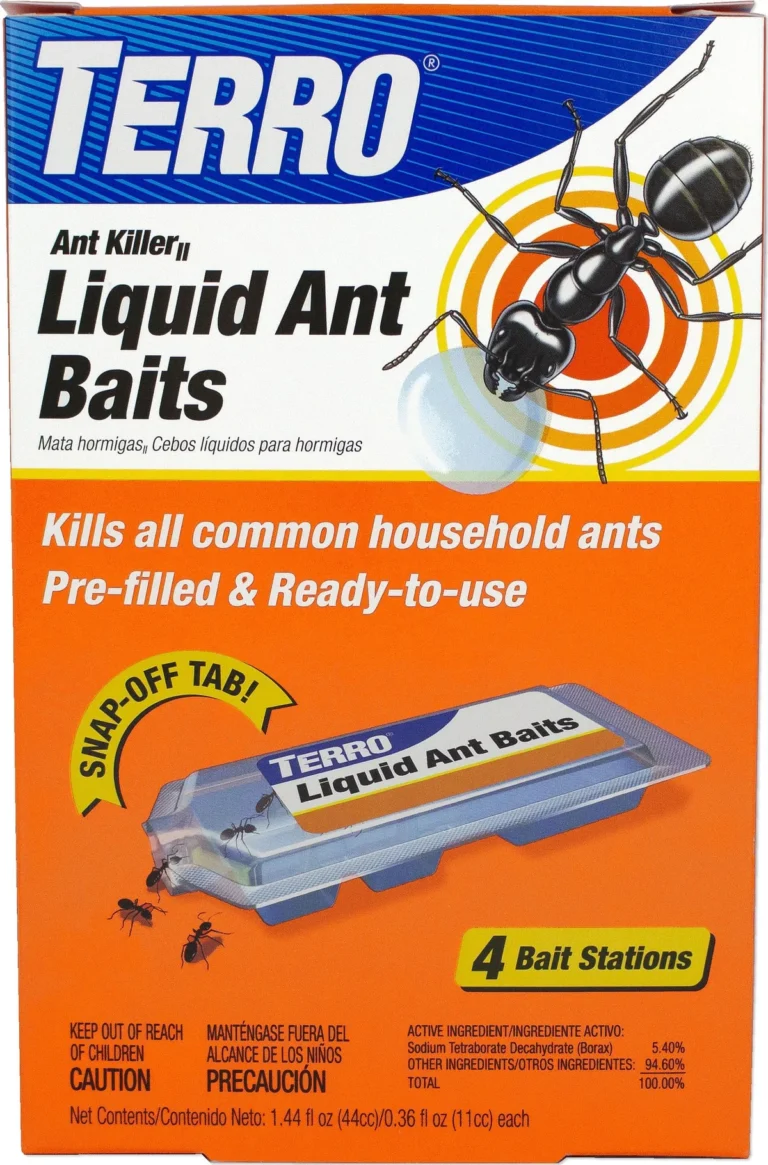
For many homes, **enclosed ant bait stations are a practical lower-exposure choice**. The insecticide stays inside a container, while ants enter to feed. This can reduce direct contact compared with spraying a large area. The station must still be placed where pets cannot reach, move, chew, or knock it over.
EPA guidance also supports using baits as a first chemical step after basic prevention, provided the bait stays away from children and pets. This does not mean every bait is harmless. It means a contained product can reduce exposure when used correctly.

- ✦ Enclosed bait stations
These can limit direct contact because the bait is held inside a station. Place them only in areas your pets cannot access.
- ✦ Targeted gel bait
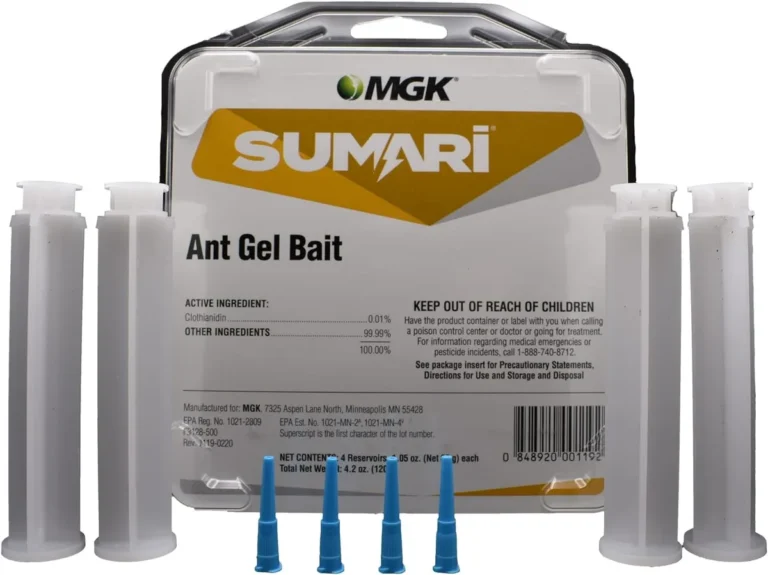
Gel can work well when placed in tiny amounts inside cracks or other inaccessible spots. Never put gel where a pet can lick it.
- ✦ Non-chemical control
Cleaning food spills, fixing leaks, and sealing entry points can reduce the need for insecticides.
- ✦ Properly labeled products
Choose products with clear directions, active ingredients, and an EPA registration number when required.
Why the Product Label Matters
A label is more than a set of directions. It tells you where the product can be used, how much to apply, where to keep pets away, and what to do after accidental exposure. Never assume that two ant killers with similar packaging have the same safety profile.
In the United States, registered pesticide products must carry approved labeling. Avoid products with unclear ingredients, missing directions, or suspicious packaging. A product that claims to be natural is not automatically safe for pets.
- ✦ Check the active ingredient
Look for the active ingredient and concentration before using the product.
- ✦ Check the use site
Make sure the label allows indoor, outdoor, kitchen, yard, or other use where you plan to apply it.
- ✦ Follow pet restrictions
Keep pets away for the full period stated on the label, including any drying time.
Which Ant Killer Ingredients Are Safer Around Dogs and Cats?
The active ingredient matters, but it is only part of the safety picture. The amount, formulation, and chance of exposure matter too. A small amount inside a secure bait station creates a different exposure risk than loose insecticide dust spread across a floor.
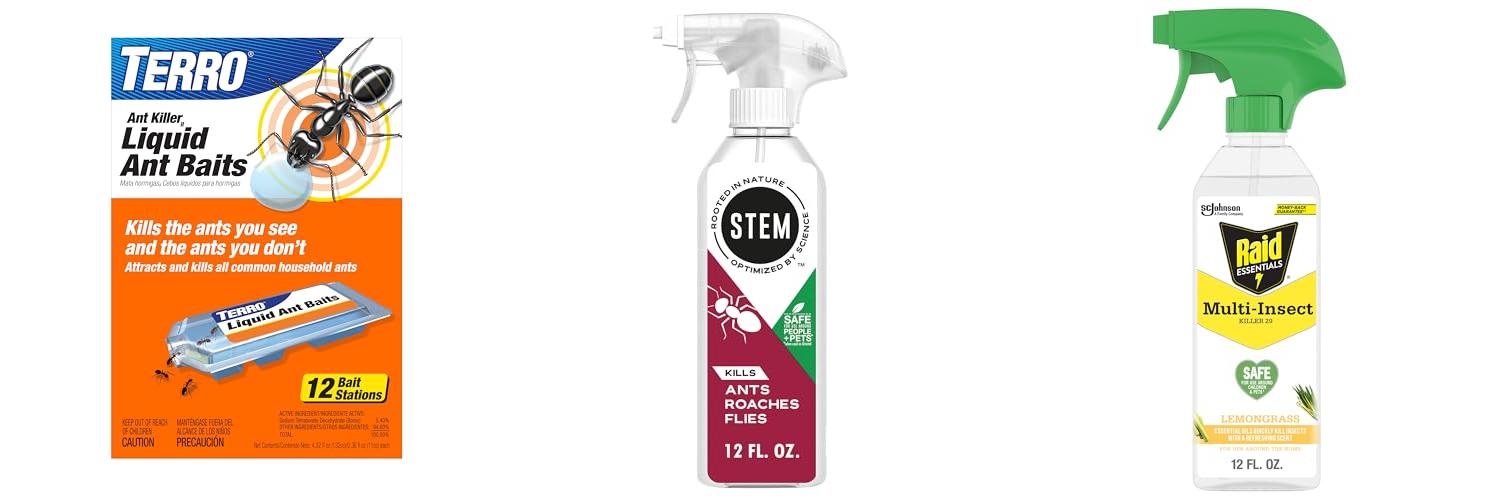
Boric acid and borate compounds appear in many ant and roach baits. They can control ants, but **boric acid should not be treated as harmless simply because it is a common household ingredient**. Some EPA-registered boric acid products specifically require application only in areas inaccessible to children and pets.
Some ant products use insecticides from other chemical groups, including pyrethroids. These products can work well, but direct contact can be a concern, especially for cats. The safest choice depends on the exact label and how the product will be used.
- ✦ Boric acid
Common in ant baits and dusts. It can be useful against ants, but pets should not have access to the bait or loose product.
- ✦ Borate compounds
These are related to boric acid and may appear in insect bait products. Follow the exact label rather than assuming they are harmless.
- ✦ Pyrethroids
These are common insecticides used in sprays and other products. Keep pets away from treated areas as directed, and take extra care with cats.
- ✦ Essential oils
Natural does not mean risk-free. Some concentrated essential oils can cause problems for pets, so homemade oil sprays should not be treated as automatically safe.
Is Boric Acid Ant Killer Safe for Pets?
Boric acid can be part of a useful ant control plan, but the phrase pet-safe boric acid can be misleading. Exposure depends on the dose and route. A secured bait station is very different from a pile of loose boric acid powder that a cat can walk through or a dog can sniff and lick.
If you use a boric acid ant product, follow the label exactly. Keep it away from food and water bowls, bedding, toys, and areas where your pet explores. Never sprinkle loose insecticide powder across an open floor just because the product is marketed as natural or low risk.
- ✦ Use a contained form when possible
A secured bait station can reduce direct exposure compared with loose powder.
- ✦ Do not treat pet areas
Keep insecticide away from feeding areas, bedding, toys, and places where pets rest.
Why Cats Need Extra Care
Cats groom themselves often. That means a substance on their paws or fur can later reach their mouth during grooming. Cats can also be more sensitive to some insecticides than dogs.
If you have cats, avoid treating surfaces they can touch or lick unless the product label clearly allows the use and gives proper safety instructions. Keep treated areas off limits for the required time.
- ✦ Watch the paws
Avoid products that can leave accessible residue on floors, carpets, or other surfaces your cat walks across.
- ✦ Never use dog products on cats
Products made for dogs may contain ingredients or doses that are unsafe for cats.
Ant Bait Stations vs. Sprays and Powders
When deciding what ant killer is safe for pets, the way the product is delivered can be as important as the chemical itself. A spray spreads an insecticide over a surface or through the air. A loose powder can leave particles where pets can sniff, walk, or groom. A sealed bait station keeps most of the bait inside a small container.
For that reason, **targeted bait is often easier to manage in a pet home than broad indoor spraying**. EPA guidance recommends targeted applications rather than spraying an entire room when a pesticide is needed. This can reduce unnecessary exposure while still treating the pest.
Bait also has an important pest-control benefit. Worker ants can carry food back to the colony. This may help reach ants that you never see. Sprays may kill visible ants quickly but do not always solve the nest or colony problem.

- ✦ Bait stations
Contain the bait and can reduce direct contact when placed in inaccessible locations.
- ✦ Gel bait
Useful for cracks and hidden areas when the label allows it. Keep every treated spot out of reach.
- ✦ Aerosol sprays
Can spread pesticide beyond the target area. Pets should be removed and treated areas handled exactly as the label states.
- ✦ Loose powders
Need extra caution because pets may contact or inhale particles and then groom themselves.
Where Should You Put Ant Bait If You Have Pets?
Good locations include spaces behind appliances, inside closed cabinets with no pet access, or other protected areas allowed by the product label. The key is that your pet must not be able to reach, move, chew, or lick the bait.
Do not place bait beside food bowls or on open floors. Dogs may chew bait stations, while cats may knock them over or investigate them. Check the stations often and replace or remove them according to the label.
- ✦ Behind appliances
These areas can work when the appliance location is approved by the label and your pet cannot reach the bait.
- ✦ Inside secure cabinets
A closed cabinet can protect bait from pets when the cabinet is not used for food and remains inaccessible.
- ✦ Cracks and crevices
Small targeted applications can work when the product label allows them and pets cannot contact the treatment.
Natural and DIY Ant Killers: Are They Really Pet Safe?
Many people search for homemade ant killers because they want to avoid synthetic pesticides. That is understandable, but homemade does not always mean safe. Pets can be harmed by some plants, oils, powders, and concentrated household ingredients.
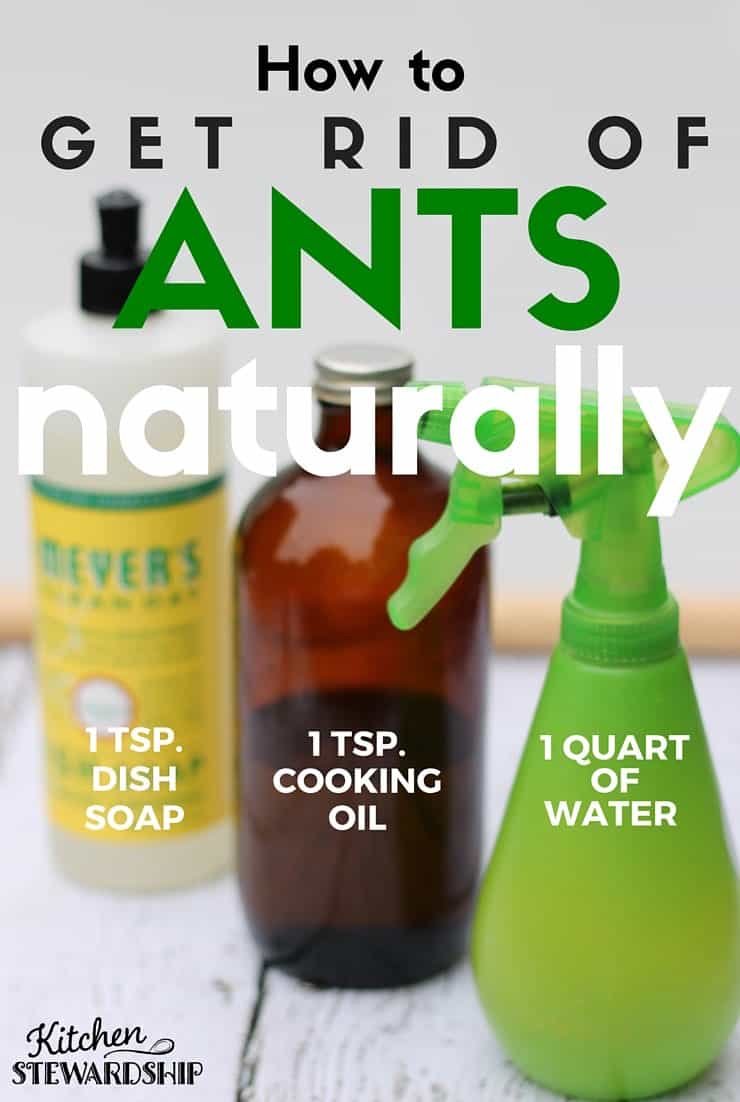
Common DIY ideas include vinegar, baking soda, cinnamon, diatomaceous earth, and essential oils. Some may help with cleaning or ant deterrence, but evidence and safety vary. A homemade mixture can also become risky when a pet can drink it, lick it, or get it on its paws.
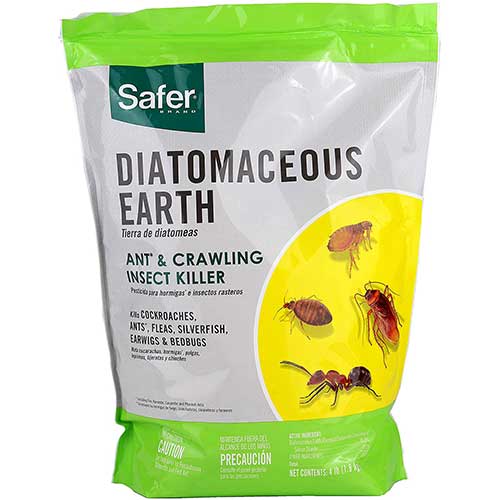
Diatomaceous earth deserves special care. Food-grade material is different from products made for pest control, and dust can irritate the eyes and airways. If you use a dust product, follow the label and prevent pets from entering the treated area.
- ✦ Vinegar
Can help remove ant scent trails and clean surfaces, but it does not reliably eliminate an established colony.
- ✦ Baking soda
Often suggested online as an ant killer, but homemade bait mixtures have uncertain effectiveness and should not be placed where pets can eat them.
- ✦ Diatomaceous earth
Can affect insects by damaging their outer coating, but dust should not be inhaled and must be kept away from pets during application.
- ✦ Essential oils
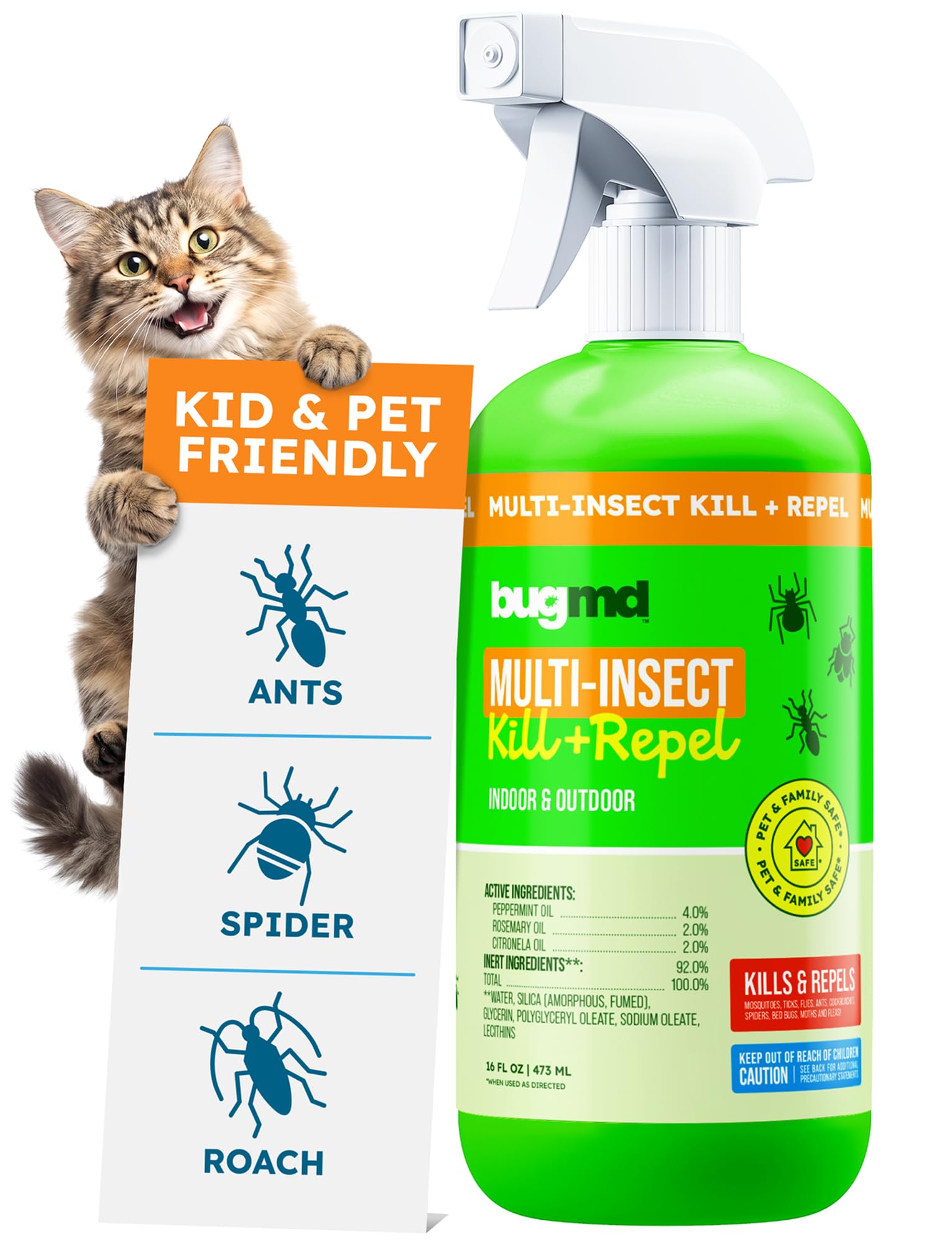
Some oils can irritate or poison pets at sufficient exposure. Do not assume an oil is safe just because it is plant-based.
Why Natural Does Not Always Mean Pet Safe
The word natural describes where an ingredient comes from. It does not tell you how toxic it is at a given dose. Some plants and essential oils can cause serious problems in pets, so use the same caution with natural products that you use with conventional pesticides.
A safer rule is simple: check the exact ingredient, the concentration, the label, and the exposure route. If reliable pet-safety information is missing, choose another method or ask a veterinarian.
- ✦ Think about exposure
Ask whether your pet could eat, lick, inhale, or touch the substance.
- ✦ Avoid airborne dust
Do not create dust clouds around pets, especially indoors.
How to Get Rid of Ants Without Putting Pets at Risk
The safest ant control plan often starts before you use an insecticide. Ants need food, water, and a way into the home. Remove those resources and you may reduce the number of ants that need treatment.
Start by cleaning crumbs, wiping sticky spots, storing food in sealed containers, and taking out trash regularly. Check for leaking pipes, damp areas, and pet food left out for long periods. Then look for trails and seal cracks around windows, doors, cabinets, and utility openings.
If ants remain, use a targeted product that fits the pest and the location. Keep pets away from the treatment area and follow every label direction. More pesticide does not mean better control.
- ✦ Remove food
Clean crumbs, spills, grease, and sweet residue that can attract ants.
- ✦ Control water
Repair leaks and dry damp areas where ants may find water.
- ✦ Manage pet food
Do not leave pet food exposed longer than needed, especially overnight.
- ✦ Seal entry points
Caulk cracks and gaps around doors, windows, baseboards, pipes, and cabinets.
- ✦ Use targeted treatment
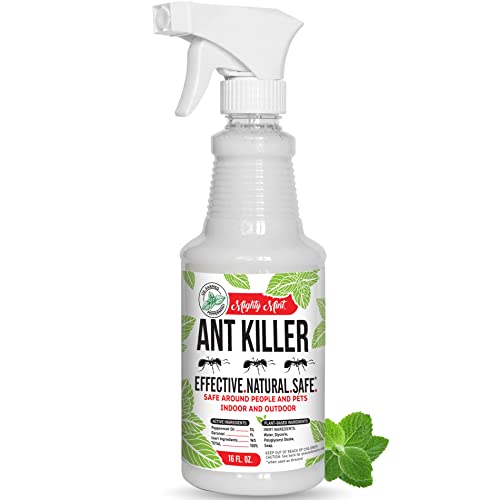
Choose bait or another labeled treatment for the ant species and place it where pets cannot access it.
- ✦ Monitor the colony
Watch ant activity after treatment. If the problem continues, identify the species and consider professional pest control.
Indoor Ant Control With Dogs and Cats
Indoor treatment should focus on small, targeted areas rather than coating an entire room. Keep pets in another room while applying any pesticide and follow the label for when they can return.
After treatment, inspect the area before allowing your pet back. Look for wet residue, loose bait, spilled powder, or a damaged bait station. If anything has moved into a pet-accessible spot, remove access and handle the product according to its label.
- ✦ Before treatment
Move pets, toys, food, water bowls, and bedding away from the treatment area.
- ✦ During treatment
Use only the amount stated on the label and avoid spraying beyond the target.
- ✦ After treatment
Allow the required drying or waiting period before pets return.
Outdoor Ant Control Around Pets
Outdoor products need the same care as indoor products. Dogs may sniff or dig in treated soil, while cats may walk through treated areas and later groom their paws.
Avoid treating pet play areas unless the product is specifically labeled for that use. Keep pets away for the full time listed on the label, and do not spray during weather conditions that can cause drift or runoff.
- ✦ Treat ant trails with care
Use targeted outdoor treatment rather than covering large areas without a clear need.
- ✦ Protect water
Keep pesticides away from pet bowls, ponds, drains, and other water sources.
- ✦ Respect the waiting period
Do not let pets enter treated areas until the label says it is safe.
What Ant Killers Should Pet Owners Avoid?
The question what ant killer is safe for pets also requires knowing what to avoid. The biggest concern is not always a particular brand. It is often an easy path to exposure, such as loose bait on the floor, an unsecured station, or wet spray where a pet walks.
Avoid any product that does not clearly identify its ingredients and directions. In the United States, EPA warns consumers to avoid illegal or unregistered pesticide products because their safety may not have been properly evaluated. Be especially cautious with unlabeled powders, imported products with unclear directions, and homemade mixtures that contain concentrated chemicals.
Do not use more product than the label says. Do not mix pesticides unless the label specifically tells you to do so. Never transfer insecticides into drink bottles, food containers, or other containers that could be mistaken for something safe.

- ✦ Loose bait in open areas
Pets may eat or spread it. Use contained bait or a protected placement when possible.
- ✦ Unlabeled pesticides
Avoid products with missing ingredients, missing directions, or unclear safety information.
- ✦ Whole-room spraying
Broad spraying can create unnecessary exposure when a targeted treatment would work.
- ✦ Unsecured bait stations
A bait station is not pet-safe if a dog or cat can chew, open, or move it.
- ✦ Improvised chemical mixtures
Mixing household chemicals or pesticides can create unexpected hazards and should be avoided.
When Should You Call a Pest Professional?
Consider professional help when ants keep returning after careful cleaning and targeted treatment. It is also wise to get help when you cannot find the entry point, suspect a nest inside a wall, or have a large outdoor infestation.
Tell the pest professional that you have pets. Ask which active ingredients will be used, where they will be applied, and how long pets must stay away. A good professional should be able to explain the treatment plan and the safety steps.
- ✦ Ask for the active ingredient
Knowing the ingredient helps you understand the product and gives your veterinarian useful information if exposure occurs.
- ✦ Ask about re-entry time
Find out exactly when pets can safely return to treated areas.
- ✦ Ask for the product label
Keep the product name and label information for your records.
What to Do If Your Pet Eats Ant Killer
If your pet gets into an ant killer, treat it as a potential poisoning event. Do not wait for symptoms before getting advice. The risk depends on the product, active ingredient, amount, and size of the animal.
Move the pet away from the product and keep the package or label. Do not make your pet vomit unless a veterinarian or animal poison expert tells you to do so. If the product is on the fur or skin, ask a veterinarian what cleaning method is appropriate because the right response can vary by chemical.
In the United States, pet owners can contact their veterinarian or the ASPCA Animal Poison Control Center at **(888) 426-4435** for guidance. Have the product container, active ingredient, EPA registration number if listed, and an estimate of exposure ready.

- ✦ Save the package
The label can identify the active ingredient and provide important treatment information.
- ✦ Contact a veterinarian
Call promptly, especially if your pet swallowed bait, chewed a station, or shows unusual signs.
- ✦ Do not guess at home treatment
Do not induce vomiting or give home remedies unless a veterinary professional directs you.
- ✦ Watch for changes
Vomiting, drooling, weakness, tremors, breathing problems, or unusual behavior require urgent veterinary attention.
How to Reduce the Risk of Future Exposure
Store all pesticides in their original containers and keep them where pets cannot reach them. A high shelf may not be enough for a determined dog or cat, so a locked cabinet is better when practical.
Keep a simple record of pest products used in your home. Note the product name, active ingredient, where it was applied, and the date. This information can save time if a veterinarian needs to identify an exposure.
- ✦ Use original packaging
Never move pesticides into food or drink containers.
- ✦ Lock products away
Keep unused bait, sprays, and powders in a secure place away from pets.
How to Choose a Pet-Safe Ant Killer: A Simple Checklist
If you are still wondering what ant killer is safe for pets, use a simple checklist before buying. The best choice is usually the product that solves the ant problem while creating the least practical opportunity for your pet to contact it.
Do not choose only by words such as natural, green, organic, or pet friendly. Read the full label. Check the active ingredient, application site, bait format, pet restrictions, and first-aid instructions.
For a typical home with dogs or cats, a protected bait station placed in an inaccessible location is often easier to control than an open spray or loose dust. Combine it with sanitation and entry-point control for a stronger long-term plan.
- ✦ 1. Identify the ant problem
Different ants can need different control methods. If the infestation is severe or keeps returning, identify the species or ask a professional.
- ✦ 2. Read the active ingredient
Do not rely on front-label marketing. Read the ingredient and concentration.
- ✦ 3. Prefer controlled placement
Choose a bait format that can stay completely out of your pet’s reach.
- ✦ 4. Check the label
Confirm that the product is approved for your intended location and follow every safety instruction.
- ✦ 5. Remove pet access
Move bowls, toys, bedding, and pets away from the treatment area.
- ✦ 6. Store leftovers safely
Keep unused pesticide in its original container inside a secure storage area.
- ✦ 7. Have an exposure plan
Keep your veterinarian’s contact information and the product label available in case of accidental exposure.
The Bottom Line for Dogs and Cats
For most pet owners, the safest ant control method is not one magic ingredient. It is a system that limits exposure. Clean food sources, seal entry points, use a targeted product when needed, and keep every pesticide inaccessible to pets.
If you have a curious puppy, a dog that chews plastic, a cat that explores cabinets, or a pet with a history of unusual sensitivity, take extra care. In those homes, physical exclusion and professional advice may be better than leaving any accessible bait behind.
- ✦ Best general approach
Use prevention first and targeted, contained treatment second.
- ✦ Best safety rule
If your pet can reach it, treat it as an exposure risk.