Argentine Ants vs Sugar Ants: Key Differences


Is Amdro Ant Killer Good?
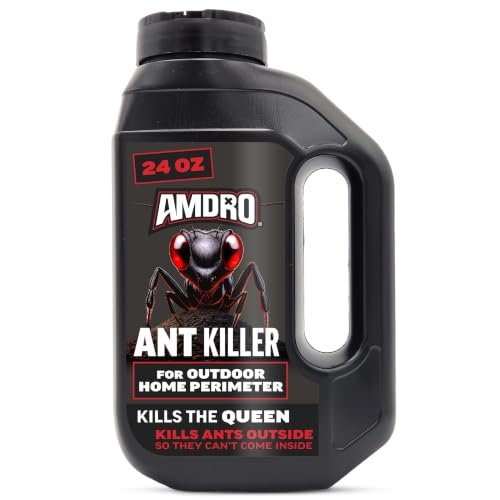
Yes, for outdoor ant control. Amdro Ant Killer for Outdoor Home Perimeter is a practical option when ants keep crossing the foundation, lawn edge, or landscaped area. Its active ingredient is hydramethylnon, and the product comes as granules. It is not an indoor spray, so I would keep it in the outdoor-control lane.
When I think about argentine ants vs sugar ants, this type of product makes more sense when the main issue is a steady outdoor trail. Argentine ants can form large colonies and long trails. A perimeter product can help treat the area where ants travel before they reach the house. Still, identification matters. Not every ant problem needs the same treatment.
What Makes It Stand Out / Key Features
- Active ingredientUses hydramethylnon as the active ingredient.
- Outdoor designMade for use around outdoor home perimeters, lawns, landscaped areas, and gardens.
- Granule formThe product comes in granules that can be distributed around outdoor treatment areas.
- Broad ant targetThe product is marketed to control many ant species, rather than only one type.
- Long outdoor protectionThe product is marketed as providing protection for up to three months under suitable conditions.
- Argentine ant relevanceIts broad outdoor ant use can make it useful when Argentine ants are traveling around the outside of a home.
My Recommendation
Consider it when ants are active outdoors or crossing the home perimeter. It fits Argentine ant problems better when the main trail is outside.
| Best For | Why |
|---|---|
| Outdoor ant trails | It is made for outdoor perimeter treatment. |
| Large ant activity | Its broad ant label can fit homes dealing with several ant species. |
| Argentine ant control | Outdoor treatment can target trails before ants move inside. |
Is Keep Ants Away Good?
It depends on the problem. Keep Ants Away is marketed as an indoor repellent for sugar ants and black ants. That makes it a different tool from Amdro. Instead of treating an outdoor perimeter with granules, it focuses on keeping ants away from indoor areas such as kitchens, pantries, and entry points.
In the argentine ants vs sugar ants debate, this distinction is useful. The term sugar ant does not name one single species. It often describes ants that seek sweet foods. So an indoor product aimed at sugar ants may be useful for a kitchen trail, but the real first step is still identification. If the ants are Argentine ants, a wider colony-control plan may be needed.
What Makes It Stand Out / Key Features
- Indoor focusThe product is marketed for indoor areas where ants enter or travel.
- Sugar ant targetIt is marketed for sugar ants and black ants.
- Repellent approachIts main purpose is to repel ants rather than serve as an outdoor granular bait.
- Kitchen use caseIt is aimed at common indoor problem areas such as kitchens and pantries.
- Entry point focusThe product is intended for areas where ants may enter or move through the home.
- Simple indoor conceptIt can fit situations where the main goal is to discourage ants from using an indoor area.
My Recommendation
Consider it for indoor ant activity when the goal is to discourage ants from kitchens, pantries, and entry areas. It is less suited to major outdoor colony control.
| Best For | Why |
|---|---|
| Indoor ant activity | It is marketed for indoor use. |
| Sugar ant problems | The product specifically targets sugar ants and black ants. |
| Kitchen areas | It fits common indoor food and entry areas where ants appear. |
argentine ants vs sugar ants: Side-by-Side Test
The biggest mistake in argentine ants vs sugar ants is treating the names as if they describe two equal species. Argentine ant is a specific species, Linepithema humile. Sugar ant is a common name that can refer to different ants in different parts of the United States.
That is why size, color, trail behavior, nest habits, and food choice all matter. Think of identification as reading the label before choosing the tool.
1. What Are They?
This is the first key difference in argentine ants vs sugar ants.
| Feature | Argentine Ants | Sugar Ants |
|---|---|---|
| Scientific status | A specific species, Linepithema humile | A common name used for several ants |
| Common use of name | Used for Argentine ants | Often used for ants attracted to sweet foods |
| Identification | More specific | Needs more care because the name is broad |
⭐ Argentine Ants – 9/10 | Sugar Ants – 7/10
Argentine ants are a defined species, while sugar ant is a broad common label.
2. Size and Color
Color and body size can help, but they should not be the only clues.
| Feature | Argentine Ants | Sugar Ants |
|---|---|---|
| Typical size | Small, often around 2.2 to 2.8 mm | Varies by species |
| Typical color | Light to dark brown | May range from pale brown to dark brown or black |
| Best clue | Small body and strong trail behavior | Species identity matters more than the common name |
⭐ Argentine Ants – 8/10 | Sugar Ants – 6/10
Argentine ants are easier to describe, while sugar ants can vary a lot.
3. Food Preferences
Both can visit sweet foods, but food choice alone cannot identify the ant.
| Feature | Argentine Ants | Sugar Ants |
|---|---|---|
| Sweet foods | Strong attraction to sugary foods | Often associated with sugary foods |
| Other foods | May also eat proteins and other food sources | Varies by species |
| Kitchen risk | Can follow food and water trails indoors | Commonly noticed near sweet food |
⭐ Argentine Ants – 9/10 | Sugar Ants – 8/10
Both can love sweets, so a sugar trail does not prove you have a sugar ant.
4. Colony and Nest Behavior
Colony structure is one of the most useful differences in argentine ants vs sugar ants.
| Feature | Argentine Ants | Sugar Ants |
|---|---|---|
| Colony size | Can form very large colonies | Varies by species |
| Multiple nests | Common | Depends on species |
| Trail behavior | Often forms strong, busy trails | Varies by species and colony |
⭐ Argentine Ants – 9/10 | Sugar Ants – 6/10
Argentine ants stand out for their large, connected colony networks.
5. Indoor Problems
Both can become household pests, but the pattern can look different.
| Feature | Argentine Ants | Sugar Ants |
|---|---|---|
| Kitchen visits | Common when food and water are available | Common with sweet food sources |
| Visible trails | Often easy to spot | Depends on species |
| Repeated return | Can happen because colonies are large | Depends on colony and species |
⭐ Argentine Ants – 9/10 | Sugar Ants – 7/10
Argentine ants can be especially persistent once a food or water trail is established.
6. Best Control Strategy
The best answer in argentine ants vs sugar ants depends on where the ants live and how the colony behaves.
| Feature | Argentine Ants | Sugar Ants |
|---|---|---|
| First step | Find trails, water, food, and outdoor entry points | Identify the actual species if possible |
| Outdoor control | Often important because colonies can spread outside | Depends on species |
| Indoor control | Use an approach suited to colony behavior | Repellent or bait may fit different cases |
⭐ Argentine Ants – 9/10 | Sugar Ants – 7/10
Argentine ant control often needs a wider view because the colony can extend beyond the room.
7. Which Product Fits?
The supplied products serve different roles, so they should not be treated as direct chemical equivalents.
| Feature | Amdro Ant Killer | Keep Ants Away |
|---|---|---|
| Main setting | Outdoor | Indoor |
| Format | Granules | Repellent product |
| Target use | Many outdoor ant species | Sugar ants and black ants |
| Best match | Outdoor ant trails and perimeter activity | Indoor ant activity |
⭐ Amdro Ant Killer – 9/10 | Keep Ants Away – 7/10
Amdro fits outdoor perimeter control, while Keep Ants Away fits an indoor repellent use case.
Final Verdict: Which Should You Buy?
In argentine ants vs sugar ants, the main winner depends on what you actually have. Argentine ants are a specific species with large colonies and strong trails. Sugar ants are a broad common name, so identification comes first.
For outdoor ant activity, Amdro Ant Killer is the more relevant of the two supplied control products. For an indoor problem marketed specifically around sugar ants and black ants, Keep Ants Away has a more focused use case. Neither product changes the basic rule: identify the ant, remove food and water sources, seal entry points, and follow the product label.