Best Carpenter Ant Killer Indoor: Top Picks For Home
The best carpenter ant killer indoor depends on whether you need bait, gel, granules, or fast contact control.
You spot a few large black ants near the kitchen sink. Then you see more by a window, wall, or door. For many U.S. homeowners, this can turn into a real concern, especially in spring and summer. Carpenter ants can enter through small gaps and may nest in damp or damaged wood. I like to match the treatment to the problem instead of using the strongest product at random. In this guide, I compare five popular options for indoor ant control. I also explain where each one fits, what it can do, and what to check before use.
🏆 Top 3 Products
TERRO Ready-to-Use Carpenter Ant Spray
This is a useful choice when you want a ready-to-use spray for visible ants and targeted areas.

TERRO Liquid Ant Killer Bait Stations
These enclosed bait stations offer a simple way to place ant bait in common indoor problem areas.

BASF Advance Carpenter Ant Bait Granules
Its granule format gives homeowners another way to target ants where labeled indoor or outdoor use allows.
TERRO Carpenter Ant Killer Spray
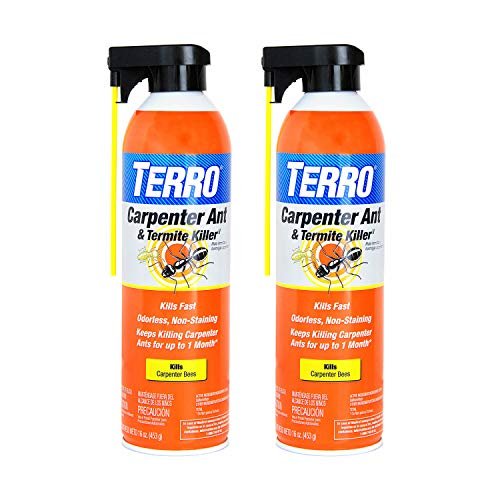
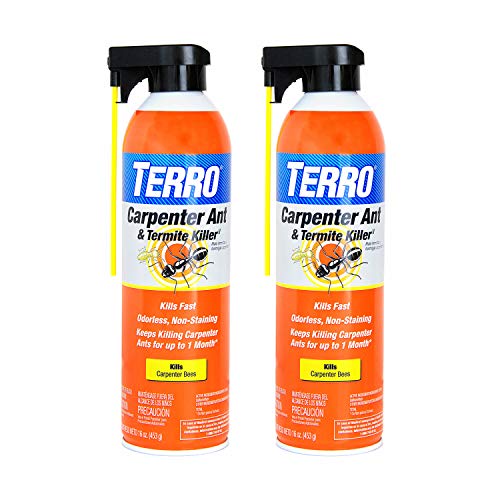
The TERRO Ready to Use Indoor and Outdoor Carpenter Ant Killer Aerosol Spray is built for people who want a simple spray format. The product comes as a two-pack with 32 total ounces. Its label position makes it relevant for carpenter ants, termites, and carpenter bees. I see this type of product as a practical option when ants are visible and you need a targeted treatment.
A spray can also fit spots where placing bait is not easy. Think about cracks, edges, entry points, and other areas allowed by the product label. Still, a contact spray is not the same as a colony bait. If ants keep returning, I would also look for moisture, wood damage, or a possible nest. Always read the current label before indoor use and follow its directions.
✅ Pros
- ✔ Ready-to-use spray format
- ✔ Designed for carpenter ant control
- ✔ Suitable for targeted treatment when the label allows it
- ✔ Comes as a two-pack
- ✔ 32 total ounces provide useful product volume
- ✔ Can help with visible insect activity
- ✔ Useful for selected indoor and outdoor treatment areas
⚠️ Cons
- ✖ Spray treatment may not solve a hidden nest by itself
- ✖ Users must follow the indoor-use directions carefully
- ✖ Spray can be less convenient than bait for some busy indoor areas
My Recommendation
I would consider this option when I need a direct spray for visible carpenter ants or specific areas where the label permits treatment. It makes sense for a homeowner who prefers a ready-to-use format. I would not rely on spray alone if I kept seeing ants over several days. Repeated activity can point to a nest, moisture issue, or entry route that needs attention.
| Best For | Why |
|---|---|
| Visible Ant Activity | A ready-to-use spray gives you a direct way to treat labeled areas. |
| Targeted Treatment | The aerosol format works well when you need to focus on a small problem area. |
| Indoor And Outdoor Use | The product is positioned for both settings, subject to its label directions. |
TERRO Liquid Ant Bait Stations
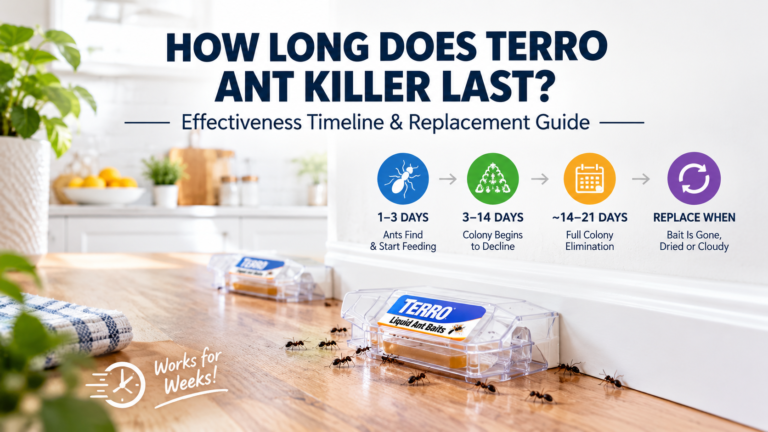
TERRO Liquid Ant Killer Bait Stations use a different approach from a spray. Instead of treating an ant directly, you place the bait station in an area where ants are active. The package contains 12 indoor ant traps, which can make it easier to cover several rooms or activity points. I like this format for homes where ants appear along floors, counters, windows, or other common paths.
Bait can be useful because worker ants may carry food back toward the colony. However, results do not always appear at once. It is normal for ant activity around a bait station to change as ants find and use it. Keep bait away from children and pets as directed on the label, and do not spray insecticide around an active bait station unless the label says it is compatible.
✅ Pros
- ✔ Simple indoor bait station format
- ✔ 12-pack helps cover several areas
- ✔ Easy to place near ant activity
- ✔ No aerosol spraying is needed
- ✔ Useful for common indoor ant paths
- ✔ Can fit a simple home pest control routine
- ✔ Bait approach can target ants beyond the individual ant you see
⚠️ Cons
- ✖ Bait may take time to show noticeable results
- ✖ It may not address the source of a carpenter ant infestation
- ✖ Stations must be placed where children and pets cannot access them as directed
My Recommendation
For indoor use, I would consider these bait stations when I want a low-mess way to put ant bait near active trails. They can be especially handy in a larger home because the 12-pack lets you treat several points. I would still inspect for damp wood, leaks, gaps, and other signs of a carpenter ant nest. Bait is a treatment tool, not a substitute for fixing the reason ants are entering.
| Best For | Why |
|---|---|
| Busy Households | The station format avoids the need to spray large areas. |
| Several Ant Trails | A 12-pack makes it practical to place bait at multiple activity points. |
| Indoor Ant Control | The product is specifically presented as an indoor ant bait station. |
BASF Advance Carpenter Ant Bait Granules
BASF Advance Carpenter Ant Bait Granules take a granular approach to ant control. The product is listed as ready to use for indoor or outdoor applications, with an 8-ounce package. The product name focuses on carpenter ants and bait, so it is worth considering when you want a bait format rather than a spray. Granules can also offer a different placement method from enclosed liquid stations.
I would pay close attention to the label before using any granule product inside a home. The right placement depends on the exact area and label directions. Granules are not the same as a contact spray, so patience can matter when using bait. If carpenter ants keep showing up, I would also inspect moisture and wood damage instead of treating the ants as the only problem.
✅ Pros
- ✔ Ready-to-use granule format
- ✔ Designed with carpenter ants in mind
- ✔ Listed for indoor or outdoor use
- ✔ Bait approach differs from contact sprays
- ✔ Compact 8-ounce package
- ✔ Can provide another placement option for ant control
- ✔ Useful for homeowners who prefer granules
⚠️ Cons
- ✖ Granules may be less convenient than enclosed stations indoors
- ✖ Indoor placement requires careful label compliance
- ✖ An ant bait does not repair moisture or damaged wood
My Recommendation
I would look at this product when I want carpenter-ant-focused bait in a granule format. It can make sense for homeowners who need flexibility across areas where the label permits use. For indoor spaces, I would use only the amount and placement stated on the current product label. If the infestation is inside a wall or damaged wood, I would also investigate the nest and the moisture source.
| Best For | Why |
|---|---|
| Carpenter Ant Bait | The product is specifically marketed as carpenter ant bait granules. |
| Flexible Placement | Granules offer a different placement style from sprays and liquid stations. |
| Indoor Or Outdoor Areas | The product is listed for both settings when used according to its label. |
Spectracide Terminate Carpenter Ant Killer

Spectracide Terminate Termite & Carpenter Ant Killer is a liquid treatment sold in a 1.33-gallon container with an AccuShot sprayer. The product is positioned for indoor and home barrier treatment and is also described for use against carpenter ants and other insects. The larger container can appeal to homeowners who want more product for repeated or broader labeled treatment. The sprayer format can also make targeted application easier than pouring or mixing a product.
This is a treatment product, so I would use it with care around living spaces. Read the label before application and follow all directions about where and how to apply it. A barrier treatment can help around labeled areas, but carpenter ant problems can have a deeper cause. If ants continue to appear, check for moisture, damaged wood, gaps, and possible nesting areas.
✅ Pros
- ✔ Large 1.33-gallon package
- ✔ Includes an AccuShot sprayer
- ✔ Designed for carpenter ant control
- ✔ Positioned for indoor and home barrier treatment
- ✔ Can target visible insect activity
- ✔ Useful for homeowners who prefer liquid treatment
- ✔ Also covers several other listed insect pests
⚠️ Cons
- ✖ Large container may be more than some small homes need
- ✖ Liquid treatment requires careful indoor application
- ✖ Barrier treatment alone may not remove a hidden nest
My Recommendation
I would consider this option when I want a larger liquid treatment with a built-in sprayer. It may suit homeowners who need a product for labeled barrier areas rather than a small bait station. Because it is a pesticide treatment, I would take label directions seriously and avoid treating areas that the label does not allow. For persistent carpenter ants, I would pair treatment with a careful search for moisture and damaged wood.
| Best For | Why |
|---|---|
| Larger Treatment Jobs | The 1.33-gallon size provides more liquid than a small spot-treatment product. |
| Home Barrier Treatment | The product is specifically positioned for home barrier treatment. |
| Sprayer Users | The included AccuShot sprayer offers a ready application method. |
Atticus Savitri Ant Gel Bait
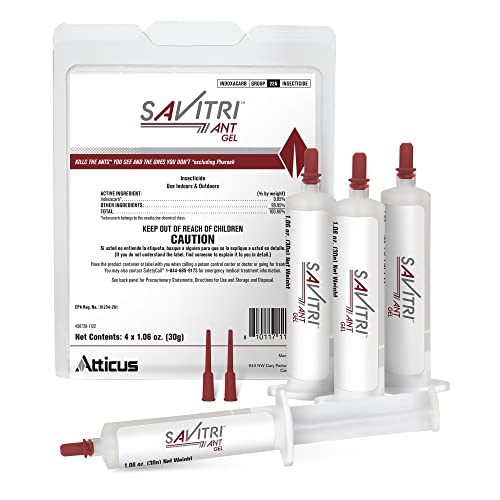
Atticus Savitri Ant Gel Bait is a gel-based ant treatment sold in four 30-gram tubes. The gel format gives homeowners another option when liquid stations or sprays do not fit a certain spot. Gel bait can be useful around cracks, edges, and other locations where the product label allows placement. Its small format also makes it easy to focus on specific activity points instead of treating a broad area.
I see gel bait as a targeted tool rather than a whole-home solution. The goal is to place it where ants can find it while keeping it away from people, pets, food, and surfaces where the label does not allow use. Avoid disturbing active bait with unnecessary spray. If the ants return again and again, inspect the home for moisture and nesting sites too.
✅ Pros
- ✔ Convenient gel bait format
- ✔ Four 30-gram tubes provide multiple applications
- ✔ Useful for targeted placement
- ✔ Indoor and outdoor positioning
- ✔ Can fit small or hard-to-reach treatment areas
- ✔ No large liquid container is needed
- ✔ Good alternative to traditional bait stations
⚠️ Cons
- ✖ Gel can be visible after placement
- ✖ Placement needs care around children and pets
- ✖ Bait alone may not solve a hidden carpenter ant nest
My Recommendation
I would consider this gel when I need a focused bait application rather than a spray or a freestanding station. The four-tube format can be useful when ant activity appears in several small spots. I would place it only where the current label permits and keep it out of reach of children and pets. For a long-running carpenter ant problem, I would also search for moisture and wood damage.
| Best For | Why |
|---|---|
| Targeted Baiting | Gel lets you focus treatment on selected small areas. |
| Multiple Applications | Four 30-gram tubes provide several separate portions. |
| Small Problem Areas | The gel format can suit spots where a larger station is awkward. |
Final Verdict: Which Should You Buy?
After comparing these five options, my overall pick for the best carpenter ant killer indoor depends on the treatment style you want. TERRO Liquid Ant Killer Bait Stations stand out as a simple indoor bait option, while TERRO Carpenter Ant Killer Spray fits direct, targeted treatment. BASF Advance offers a carpenter-ant-focused granule format, Spectracide Terminate offers a larger liquid treatment with a sprayer, and Atticus Savitri provides a focused gel bait option. The key is to match the product to the ant activity and follow the current label.
For the best carpenter ant killer indoor results, think beyond the product alone. Look for leaks, damp wood, cracks, damaged wood, and possible nesting areas. Use only labeled indoor applications, keep treatments away from children and pets as directed, and consider professional help when ants keep returning. A smart treatment plan combines the right product with good home maintenance.
FAQs Of best carpenter ant killer indoor
Q What is the best carpenter ant killer indoor?
Q Are bait stations good for carpenter ants indoors?
Q Can carpenter ant spray remove an entire colony?
Q Why do carpenter ants keep coming back indoors?
Q How should I use an indoor carpenter ant killer safely?