Place ant traps beside active ant trails, near entry points, and along walls where ants travel. Keep bait close to the problem, but away from children, pets, food, and water.
In American homes, ants often appear around kitchen sinks, pantry shelves, bathroom pipes, doors, and windows. A few ants on the counter may seem harmless, but they can point to a larger trail leading to food or water. The best way to start is to watch where the ants go before placing any bait.
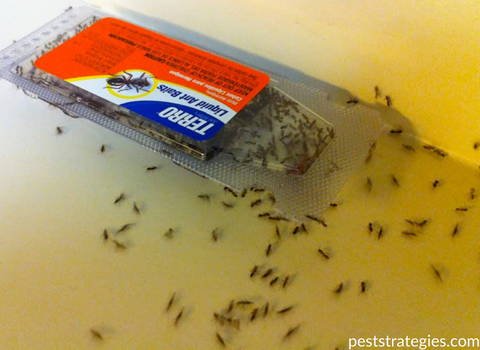
Ant traps work best when worker ants can find the bait and carry it back to the colony. Many bait stations contain slow-acting insecticides mixed with food that attracts ants. Placing them directly on an active trail can help workers find the bait without forcing them to cross an open room.
This guide explains where to place ant traps indoors and outdoors, how to choose suitable spots, and what to change when ants ignore the bait. It also covers common placement mistakes and practical safety steps for homes with children or pets. Product labels always take priority because bait types, approved locations, and precautions vary.
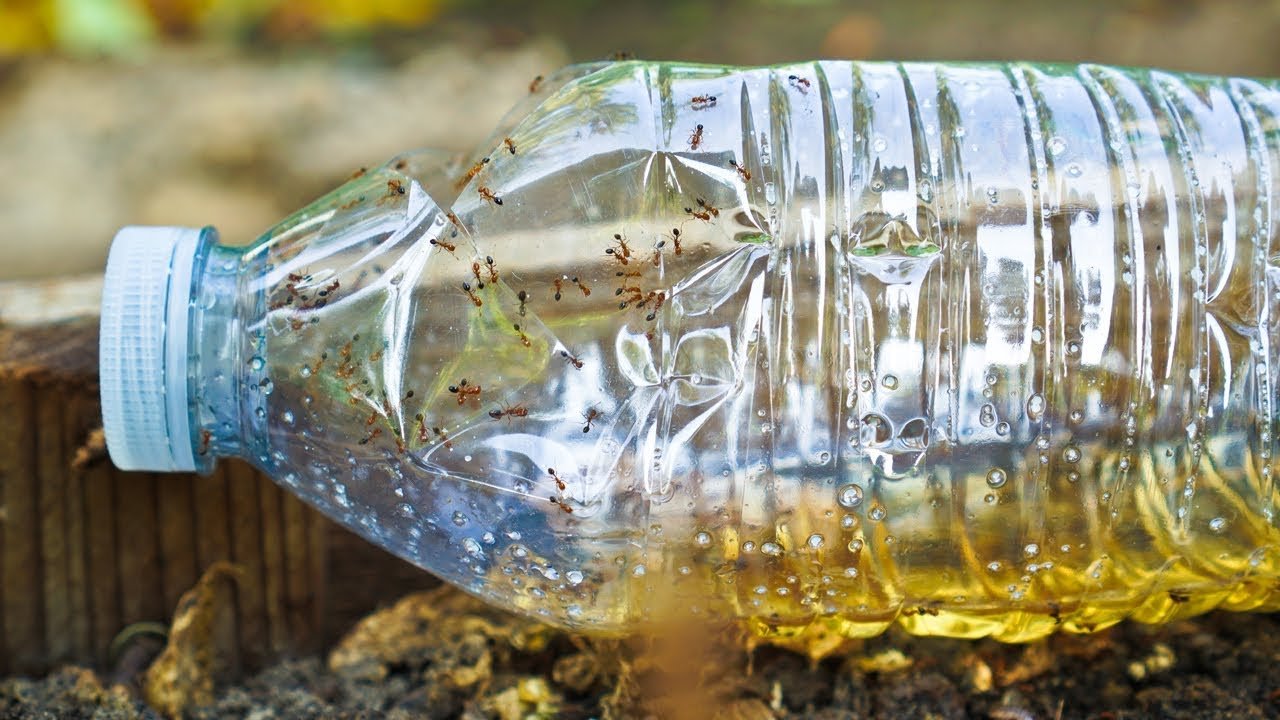
Source: i.ytimg.com
Where Should You Place Ant Traps for the Best Results?
Place ant traps where ants already travel, rather than in random spots around the house. Look for lines of ants moving along walls, around cabinet edges, beneath sinks, or through small gaps. Put the bait station beside that route so workers can reach it without a major change in direction.
The goal is to make the bait easy to find. Ants often follow scent trails left by other workers, so a station near an established path may attract more activity than one sitting alone in the middle of a floor. Avoid placing bait directly on a food preparation surface or anywhere the product label prohibits.
Before setting out a trap, spend a few minutes watching the ants. Follow their path as far as you safely can. You may find that they enter through a window frame, travel behind a cabinet, or follow a pipe into the kitchen.
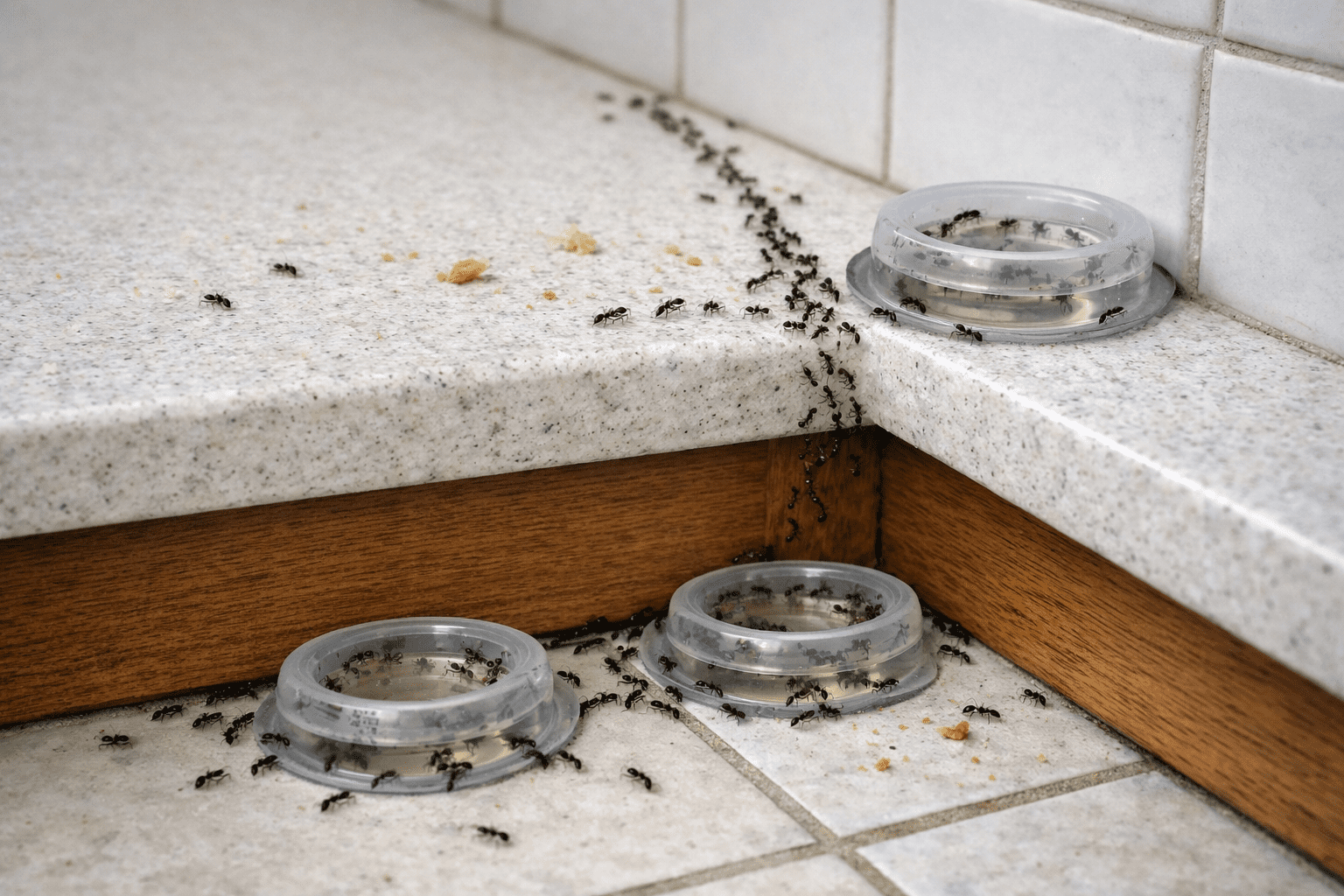
Source: thespruce.com
Along active ant trails
Set the station beside the trail where ants can reach it easily. Do not block their route with the station.
Near entry points
Look around door frames, window gaps, cracks, and pipe openings. Use bait only where the label allows.
Near food or water sources
Place bait close to the route ants use to reach these sources, but never on exposed food or food-contact surfaces.
Along edges and corners
Ants often travel beside baseboards, cabinet sides, and wall edges. These routes can help you identify useful placement spots.
Why Ant Trails Matter More Than Random Placement
Ants use chemical signals to help nestmates find food and follow established routes. A bait station placed beside a busy trail may be discovered sooner because workers are already passing through the area. This is a practical placement principle, not a guarantee that every ant species will accept every bait.
If ants walk past a station without entering it, check whether the bait is suitable for the species and whether another food source is more attractive. Ants may prefer sugary bait at one time and protein-rich food at another. Follow the label rather than adding homemade ingredients to a commercial station.
Watch before placing
Trace the trail to find a safe, accessible spot beside the route.
Keep the route open
Avoid moving objects or placing barriers that make the bait harder for workers to reach.
Where to Place Ant Traps in the Kitchen
The kitchen is a common place for ant activity because it offers food, moisture, and many small gaps to explore. Start near the sink, pantry, cabinet edges, and areas where you see ants walking. Choose a nearby spot that is dry, protected, and approved by the product label.
Do not put bait stations on countertops where food is prepared, inside drawers used for utensils, or beside uncovered food. A station should be accessible to ants but not exposed to people handling meals. If the only active trail crosses a food preparation area, trace it toward a safer route along a wall or cabinet edge.
Source: insectoguide.com
Under the sink
Check for trails near plumbing openings and the cabinet’s rear corners. Keep bait away from leaks, stored cleaning products, and places children or pets can reach.
Beside pantry shelves
Look near the pantry’s wall edges and entry gaps. Store dry goods in sealed containers and keep bait separate from food packages.
Along cabinet edges
Place bait near an active route along the cabinet base or side, provided the station remains secure and label-compliant.
Near the trash area
If ants follow a trail near the trash can, clean spills and residue first. Place bait beside the route, not where waste or liquid can cover it.
Near doors and windows
If ants enter from outdoors, inspect nearby frames and gaps. Place a station near the trail without obstructing the entrance or creating a hazard.
Should You Put Ant Traps Inside Kitchen Cabinets?
You can use a bait station inside a cabinet only if the product label permits that location and the station can be kept away from food, dishes, utensils, and children. A rear corner may be useful when ants follow a route along the cabinet wall, but a damp cabinet under a leaking sink is a poor choice.
Remove crumbs and sticky spills before placing bait. Do not clean away the active trail immediately beside the station unless the label directs otherwise. Instead, clean competing food sources and the surrounding area while leaving the ants a clear path to the bait.
Keep food separate
Never allow bait to touch food, food packaging, plates, or utensils.
Check for moisture
Choose a dry location and fix leaks that attract ants.
Where Not to Place Ant Traps in a Kitchen
Avoid placing bait on countertops, cutting boards, open shelves beside food, or areas that are frequently washed. Do not put stations inside ovens, near hot appliances, or in places where heat can damage the bait or container.
A station should never obstruct a drawer, cabinet door, or appliance opening. If the label does not clearly permit a location, choose a different spot rather than assuming that any hidden corner is safe.
Avoid wet surfaces
Water can damage some baits or spread their contents.
Avoid food-contact surfaces
Keep the station away from areas used to prepare, serve, or store uncovered food.
Best Places for Ant Traps in Bathrooms
Bathrooms attract some ants because they provide moisture and access to plumbing gaps. Check under the vanity, around pipe openings, beside baseboards, and near window frames. Place bait along an active trail only when the label permits indoor use in that spot.
Water is the main concern in a bathroom. Keep stations away from shower spray, sink splashes, wet floors, and spots where condensation collects. A dry corner behind the vanity may work better than a location beside a frequently used sink.
If ants appear near a drain, do not assume they are nesting inside the drain itself. They may be traveling through a wall opening or following moisture from a plumbing leak. Follow the trail and inspect the surrounding area before deciding where to place bait.
Source: gopests.com
Under the vanity
Inspect the back corners and plumbing gaps for ant activity. Avoid wet or inaccessible spots where a station cannot be checked.
Near pipe entry points
Look for trails around the openings where pipes pass through walls or floors. Use only an approved, secure placement.
Along bathroom baseboards
A station beside a visible trail may be easier for ants to find than one placed in the center of the floor.
Near windows
If ants enter from outdoors, inspect the window frame and nearby gaps. Keep the station away from direct water exposure.
How to Handle Ants Near Bathroom Sinks
Dry the area, remove soap residue and other debris, and check beneath the sink for a trail. If ants travel along the cabinet wall, place the station beside that route in a dry, label-approved location.
Repair persistent leaks and improve ventilation if the room stays damp. Bait can target ants, but it will not fix a moisture problem that continues to attract pests.
Fix leaks first
Repair dripping pipes and remove standing water where practical.
Keep bait dry
Do not place a station where routine cleaning or splashes can move its contents.
Where to Place Ant Traps in Living Rooms and Bedrooms
In living rooms and bedrooms, place ant bait beside a clear trail rather than near every wall. Check around windows, exterior doors, baseboards, and spots where food or drinks are often kept. If ants appear near a pet bowl, investigate the route but do not put bait where a pet can lick or chew the station.
A bedroom may have fewer obvious food sources, so ants could be seeking water, following a wall cavity, or exploring for crumbs. Look beneath furniture edges and near windows without disturbing electrical equipment or moving heavy items unsafely.
Keep bait out of reach of children and pets, including behind furniture if they can push objects aside or retrieve the station. A hidden station is not automatically safe. Use a secured, tamper-resistant product when appropriate and permitted by its label.
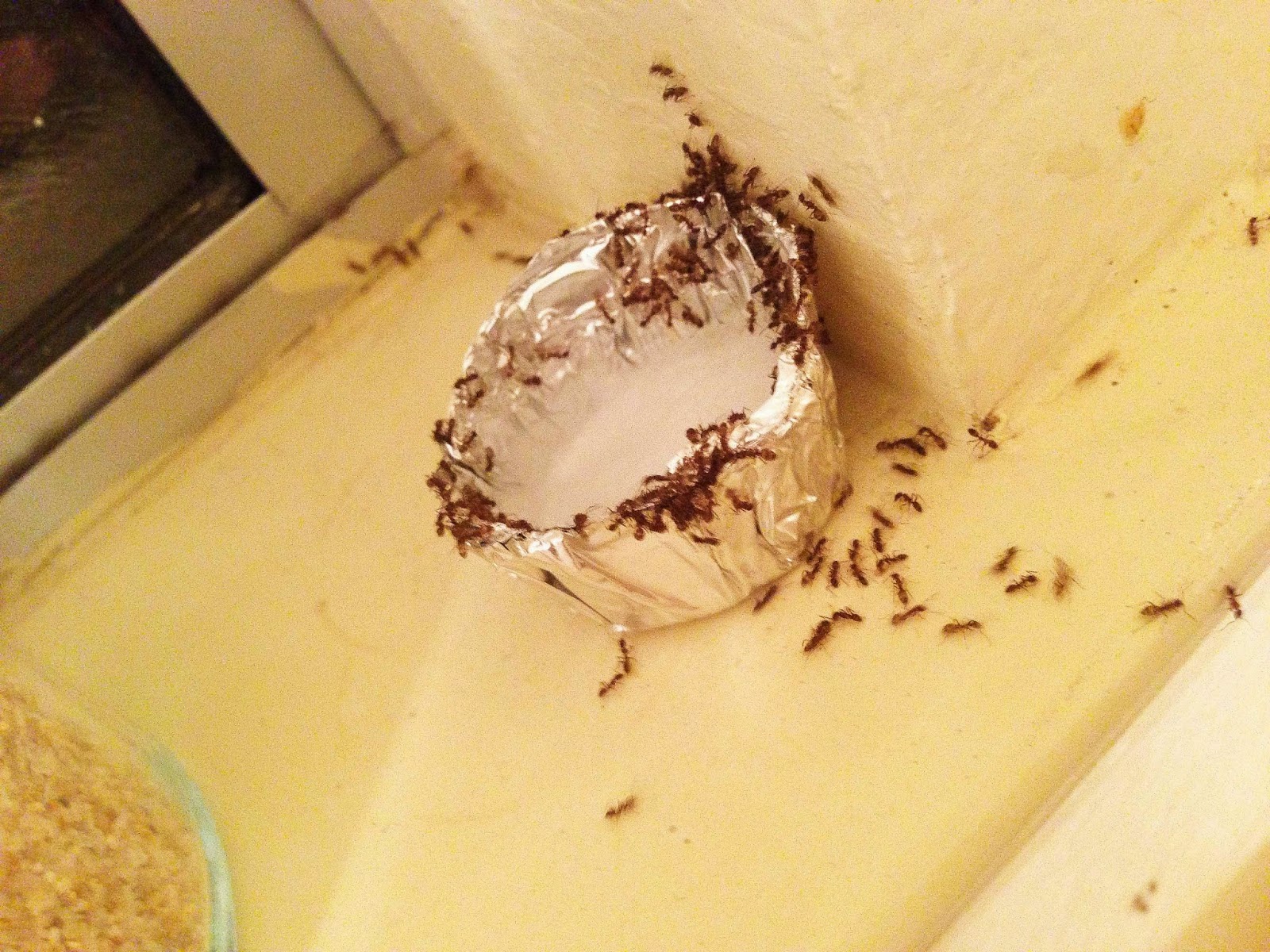
Source: 4.bp.blogspot.com
Beside window frames
Use this spot when you see ants entering around the frame or traveling along the nearby wall.
Along baseboards
Follow the trail and place the station beside the route, away from foot traffic.
Near exterior doors
Inspect the threshold and frame if ants seem to come from outdoors. Seal suitable gaps after identifying the route.
Near snack areas
Clean crumbs and sticky residue, then use bait near the trail if the location is safe and label-compliant.
Should Ant Traps Go Under Furniture?
Under a sofa or bed can be a useful location only when ants actually travel there and the station can remain secure, dry, and accessible for inspection. Do not slide bait beneath furniture simply because it is hidden from view.
Avoid places where a vacuum, moving furniture, or daily foot traffic may crush the station. If you cannot inspect or replace the bait safely, choose another route along a wall or a protected corner.
Choose a stable spot
Keep the station on a firm, level surface where it will not tip or slide.
Make inspection possible
You should be able to check the station without exposing children or pets to the bait.
Where to Place Ant Bait Outside Your Home
Outdoor ant bait may help when ants enter the house from a nearby trail or nest. Look along the foundation, beside an exterior door, near a window frame, or along a visible trail in a permitted area. The right spot depends on the product label, the ant species, and whether the bait can remain protected from weather.
Do not put indoor-only bait outdoors or leave a station where rain can wash it away. Outdoor exposure can damage some baits, move insecticide into soil or drains, and create risks for wildlife or pets. Choose a product specifically labeled for outdoor use when outdoor treatment is needed.
If you find a nest, do not automatically pour bait into the nest opening. Some products are designed for workers to collect bait and carry it back, while others have different directions. Follow the label and avoid disturbing a nest when you cannot identify the ant or the safest treatment.
Source: thepestadvice.com
Along the foundation
Look for active trails near the house wall and use an outdoor-approved bait only where the label permits.
Near entry doors
Place bait beside the trail rather than in the doorway where people may step on it.
Along garden edges
Use outdoor bait only in permitted locations and keep it away from edible plants unless the label allows that use.
Near visible trails
Choose a protected, dry spot close to the route, without exposing the station to rain, irrigation, or runoff.
Should You Put Ant Traps Near the Front Door?
A station may help near the front door if ants follow a visible trail around the threshold or frame. Keep it out of the walking path and away from areas where children, pets, or visitors could touch it.
After ant activity declines, seal suitable gaps around the door and repair damaged weatherstripping. Bait can reduce colony activity, while sealing entry points helps limit future access. Neither step replaces the other when both an active colony and an entry gap remain.
Follow the trail
Do not place bait at the door unless ants use that route or the label provides a relevant placement direction.
Keep the entrance clear
Never put a station where shoes, strollers, or door movement can dislodge it.
What About Ant Hills in the Yard?
An ant mound in the yard does not always mean the ants are entering your home. If the ants are causing an outdoor problem, identify the species when possible and select a product labeled for that use. Some species need different bait types or treatment methods.
Keep bait away from storm drains, ponds, streams, and places where runoff can carry it. Do not use a product in a vegetable garden or around other plants unless the label permits that location.
Identify the problem
Determine whether the ants are a nuisance near the home or a species that may need specialized control.
Follow outdoor directions
Use only the approved amount and placement method, and protect people, pets, and wildlife.
How Many Ant Traps Should You Place?
The right number of ant traps depends on the product directions, the size of the affected area, and the number of active trails. One station may be enough for a small, localized trail, while a larger problem may require several stations placed at separate active routes.
Follow the label’s stated number, spacing, and maximum application limits. Adding extra bait beyond the directions does not guarantee faster results and may increase exposure risks. The aim is to make suitable bait available along the routes ants use, not to cover every surface in the home.
For a larger infestation, map the trails before placing stations. If ants appear in three separate areas, check whether the trails connect or lead to different entry points. This can help you position bait efficiently and decide whether the problem needs professional attention.
Source: i.ytimg.com
Small, local trail
Start with the label-directed placement near the single active route.
Several active trails
Use the permitted number of stations near the separate routes, rather than grouping them all in one spot.
Repeated activity in many rooms
Inspect entry points and moisture sources. Consider professional pest control if the infestation continues or its source is unclear.
Can You Put Two Ant Traps Next to Each Other?
Do not place multiple stations together unless the product directions support that arrangement. Stations crowded into one small area may offer less benefit than properly spaced stations along separate active trails.
Check the label for minimum spacing or other placement limits. If there is no clear reason to add another station beside an existing one, use the label’s recommended layout instead of guessing.
Check the spacing rules
Use the exact placement instructions for the bait you purchased.
Cover active routes
When permitted, distribute stations where ants actually travel.
Where Not to Place Ant Traps
The wrong placement can make bait ineffective or create a risk for people, pets, and the environment. A station should be easy for target ants to reach but inaccessible to anyone who might touch, chew, or spill it. Always read the full label before opening or placing the product.
Avoid wet, hot, heavily trafficked, or frequently cleaned spots. Keep bait away from food, dishes, toys, pet bowls, and uncovered surfaces used for food preparation. Do not place it where children can pull it from behind furniture or where pets can knock it over.
Never assume a closed bait station is harmless. The active ingredient and bait contents vary by product, and a damaged station may expose them. Store unused stations in their original packaging as directed and dispose of used products according to the label.
Source: gopests.com
Food preparation areas
Do not place bait on countertops, cutting boards, or other food-contact surfaces.
Reachable spots for children or pets
Use a permitted, secure location or a suitable tamper-resistant station.
Wet or exposed outdoor locations
Avoid areas where rain, irrigation, or cleaning water can spread the contents.
Hot surfaces and appliances
Keep stations away from heat sources and locations that could damage the container.
Areas treated with repellent sprays
Do not place bait directly on recently sprayed surfaces unless the label allows it. Repellents can interfere with ant access and bait collection.
Can You Place Ant Traps Near Pet Food?
Avoid placing ant bait beside a pet’s food or water bowl. Pets may sniff, lick, chew, or knock over the station, even when it looks secure. Instead, remove spilled food, clean the feeding area, and follow the ant trail toward a safer location allowed by the label.
If a pet may have chewed or swallowed a bait station, follow the product’s emergency instructions and contact a veterinarian or an animal poison-control service promptly. Keep the package available so the active ingredient can be identified.
Move the food source safely
Clean spills and store pet food in a sealed container without exposing the bait.
Secure the station
Use a permitted placement that pets cannot reach or dislodge.
How to Place Ant Traps Step by Step
A simple plan can make ant bait placement safer and easier to monitor. Start by identifying the trail, remove competing food sources, and read the directions for the exact bait station you have. Do not open, modify, or refill a sealed station unless the label specifically instructs you to do so.
Place the station beside the trail and keep the route open. If the ants are active in more than one location, treat each area according to the label rather than assuming all trails lead to one colony. Record where you place each station so you can check it later.
Source: i.ytimg.com
Step 1: Find the trail
Watch where ants travel and look for the route toward food, water, or an entry gap.
Step 2: Choose a safe spot
Select a dry, stable, label-approved location beside the trail and away from children, pets, and food.
Step 3: Set up the station
Follow the product directions for opening, placing, and securing the bait.
Step 4: Remove competing food
Wipe crumbs and spills from nearby surfaces while keeping the ants’ path to the station clear.
Step 5: Monitor activity
Check the station at the intervals stated on the label and note whether ants are feeding.
Step 6: Maintain or change the setup
Replace bait as directed, reassess the location if ants ignore it, and seek professional help if the infestation persists.
What Does Successful Ant Trap Placement Look Like?
A useful early sign is that ants visit the bait and feed from it. You may see more ants around the station at first because workers are finding and collecting the food. This does not automatically mean the infestation is getting worse.
With a suitable bait and correct placement, activity may decline over time. The pace varies with the ant species, colony size, bait formulation, access to other food, and environmental conditions. Follow the product’s expected treatment timeline rather than judging success after only a short period.
Ants visit the station
This suggests that workers can find and accept the bait.
The trail becomes less active
A gradual decline can indicate progress, though it does not prove the entire colony is gone.
No feeding occurs
Recheck the location, bait type, freshness, and competing food sources.
Why Ants Ignore Traps and How to Fix It
If ants ignore a station, first check whether it sits beside an active trail. A station placed several feet from the route may be hard for workers to find, especially if another food source offers an easier reward. Observe the ants before moving the station or adding more bait.
The bait itself may also be the problem. Ant species differ in what they prefer, and their food needs can change. A sweet bait may attract some ants while others favor protein or fat, so use a product intended for the target ants and follow its directions.
Do not spray ants or strong cleaning products over the station to force them toward it. Such products can disrupt the trail or make the bait less attractive. Clean food spills elsewhere, keep the route open, and give the bait the time stated on its label.
Source: thepestadvice.com
Cause: The station is too far from the trail
Fix: Observe the route and move the station to a safe spot beside it, following the label.
Cause: Competing food is available
Fix: Seal food, clean crumbs, and remove sticky residue without blocking the trail to the bait.
Cause: The bait does not appeal to the ants
Fix: Choose an appropriately labeled bait for the likely species or seek professional identification.
Cause: The bait is wet, old, or damaged
Fix: Replace the station as directed and use a dry, protected location.
Cause: Repellent treatment interferes with feeding
Fix: Follow the labels for both products and avoid applying incompatible treatments around the bait.
Should You Move an Ant Trap If More Ants Appear?
Not necessarily. A short-term increase in visible ants can occur when workers discover an attractive bait source. If ants are feeding, leave the station in place for the label’s recommended period unless the location is unsafe or the product directions say otherwise.
Move the station if ants cannot reach it, the bait is exposed to water, or people and pets could contact it. If activity continues beyond the expected treatment period, reassess the bait type and trail location rather than repeatedly moving the station every few hours.
Leave it in place when feeding is active
Monitor progress and follow the stated treatment timeline.
Move it when the location is unsuitable
Safety, water exposure, and lack of ant access take priority over maintaining the original position.
Ant Trap Placement by Room and Situation
Different rooms call for different placement choices because ants may be seeking food, water, shelter, or a route indoors. Use this table to narrow down where to inspect first. It is a starting point, not a substitute for observing the actual trail or following the product label.
Source: i.ytimg.com
Quick Placement Reference
Choose a spot that meets three conditions: ants can reach it, the bait remains protected, and people or pets cannot contact it. If a suggested area is wet, exposed, or unsafe, find another point along the same trail.
Kitchen
Beside trails near cabinet edges, pantry walls, or the under-sink cabinet, away from food and water.
Bathroom
Near active trails along dry vanity edges, baseboards, or plumbing entry points.
Living room
Along a wall near an active trail, window frame, or exterior door.
Bedroom
Near a visible trail beside a baseboard or window, away from bedding and children’s reach.
Garage
Beside an active route along a wall or threshold, away from vehicles, chemicals, and areas that get wet.
Patio or yard
Near a visible outdoor trail using a product labeled for outdoor use, protected from runoff and contact by pets or wildlife.
A Simple Example for a Typical Home
Imagine ants enter through a gap beside a kitchen window, follow the counter edge, and reach a crumb near the sink. First, remove the crumb and seal food containers. Then find a safe, dry, label-approved spot beside the trail, such as an accessible protected area along the nearby wall or cabinet edge.
If a second trail appears in the bathroom, inspect the vanity and plumbing openings rather than putting every station in the kitchen. This approach targets the routes ants use and makes it easier to tell which areas still need attention.
Treat each active route
Place bait where the ants travel, subject to label directions and safety limits.
Track the result
Record the locations and check whether activity declines over the recommended treatment period.
Safety Rules for Ant Trap Placement
Use ant bait according to its full label, including approved locations, handling steps, and disposal instructions. In the United States, pesticide labels provide essential directions for legal use. Never assume that a station is safe for every room, surface, or outdoor setting simply because it is sold for household use.
Keep bait away from children, pets, food, cookware, and drinking water. Do not cut open a sealed station, transfer its contents to another container, or mix it with homemade bait unless the product directions explicitly permit that action. Store unused products in their original packaging and out of reach.
If bait spills, follow the product’s cleanup instructions. Avoid spreading the material into drains or onto soil, and do not use a household vacuum unless the label says that is appropriate. If a person may have swallowed bait or experienced a concerning exposure, follow the label’s emergency guidance and contact Poison Control in the United States at 1-800-222-1222. For a pet exposure, contact a veterinarian promptly.
Source: gopests.com
Read the complete label
Confirm that the product is suitable for the target ants and intended placement area.
Protect children and pets
Use a secure, permitted spot or a suitable tamper-resistant station.
Avoid food contamination
Keep bait away from food, food-contact surfaces, dishes, and pet feeding areas.
Prevent environmental spread
Keep outdoor bait away from drains, standing water, and places where rain can carry it away.
When to Call a Pest Control Professional
Consider professional help when ants keep returning despite correct bait placement, appear in many rooms, or seem to come from inaccessible wall or ceiling spaces. A professional can help identify the species and determine whether bait, exclusion, moisture repair, or another treatment is appropriate.
Carpenter ants deserve special attention when you find large ants, piles of wood-like debris, or activity around damp or damaged wood. Carpenter ants excavate wood to create nesting galleries, so bait alone may not address a moisture issue or a hidden nest. If structural damage is suspected, arrange an inspection.
Persistent infestation
Seek help when activity continues after you have followed the product directions and allowed the recommended treatment time.
Possible carpenter ants
Arrange an inspection if ants or debris suggest nesting in wood or concealed structural areas.
Uncertain species
Ask for identification when the ants do not respond to appropriate bait or their behavior is unusual.
How Long Should You Leave Ant Traps in Place?
Leave bait stations in place for the period stated on the product label, provided the location remains safe and ants are able to reach the bait. Some slow-acting baits need time for workers to carry food back to the colony. Removing a station as soon as you see fewer ants may interrupt the treatment before it has had the intended effect.
Inspect stations at the label-directed intervals. Replace bait that has dried out, become contaminated, been damaged, or reached its stated service life. Do not refill or reuse a disposable station unless the manufacturer specifically permits it.
If activity remains high after the expected treatment period, do not keep adding stations without a plan. Recheck the trail, competing food, bait suitability, and entry points. A persistent problem may involve another colony, a different ant species, or a nest that needs a more targeted approach.
Source: i.ytimg.com
Keep bait available while ants feed
Follow the label’s treatment timeline and avoid unnecessary disruption.
Replace damaged or spent bait
Use the product’s instructions for replacement and disposal.
Reassess if activity continues
Check the location, bait type, moisture, and entry route before changing the treatment.
Should You Remove Ant Traps After the Ants Disappear?
Once visible activity has stopped, follow the label for removal and disposal. A decline in visible ants does not always prove that every colony nearby has been eliminated, especially when outdoor colonies or other entry points remain.
Continue basic prevention by storing food in sealed containers, cleaning spills, fixing leaks, and sealing suitable gaps. If ants return, observe the new trail before placing bait again.
Dispose of stations properly
Follow the package directions and local waste requirements.
Keep prevention in place
Remove food and water sources that can attract new ants.
Common Ant Trap Placement Mistakes
Most placement problems come from guessing where ants travel, choosing an unsafe location, or changing the setup too often. A few simple checks can help you avoid wasted bait and reduce exposure risks.
Think of bait as a food source ants must discover and carry away. It works differently from a spray intended to kill insects on contact, so the best placement and timing may differ. Use one clear plan, monitor the trail, and make changes only when the evidence points to a problem.
Source: thepestadvice.com
Putting stations in random corners
Place bait beside active trails instead of spreading stations throughout rooms without checking ant activity.
Using too many stations
Follow label limits and target separate active routes where appropriate.
Spraying directly over bait trails
Avoid incompatible sprays that may repel ants or interfere with bait collection.
Ignoring leaks and crumbs
Remove competing food and water sources to make the bait easier for ants to find.
Moving stations too quickly
Allow the recommended treatment period when ants are feeding and the location is safe.
Leaving bait where pets can reach it
Choose secure, label-approved locations and check stations regularly.
A Better Plan for Long-Term Ant Prevention
Bait placement is only one part of ant control. Store food in sealed containers, rinse recyclable food packaging when needed, clean spills, empty indoor trash regularly, and repair leaking pipes. These steps reduce the rewards that bring ants indoors.
Seal gaps around suitable window frames, door thresholds, and pipe openings after checking the trail. For outdoor colonies, keep vegetation and debris from creating easy routes to the building where practical. If ants continue to enter, identify the species and consider professional advice.
Remove food sources
Clean crumbs, wipe sticky spots, and store food securely.
Reduce moisture
Fix leaks and avoid standing water around sinks and other problem areas.
Limit entry routes
Seal appropriate gaps and repair damaged weatherstripping.
Frequently Asked Questions
Q
Where is the best place to put ant traps in a house?
The best place is beside an active ant trail, near a wall edge, cabinet side, entry gap, or other route ants already use. Kitchens and bathrooms are common starting points because they can offer food and moisture. Choose a dry, secure spot allowed by the product label, away from children, pets, and food.
Q
Should ant traps be placed directly on ant trails?
Place the station beside the trail or at a point where ants can reach the bait easily, following the label. You usually do not need to block the trail or force ants to cross the station. Keep the route open so workers can discover and collect the bait.
Q
Can I put ant traps under the kitchen sink?
Yes, if the label permits that location and the cabinet is dry, secure, and inaccessible to children and pets. Check for plumbing leaks and keep bait away from cleaning products, food, and stored utensils. If water can reach the station, choose a different spot.
Q
Should I put ant traps outside or inside?
Either location may be suitable, depending on where ants travel and what the product label permits. Indoor bait can target trails inside the home, while outdoor-approved bait may help along trails near the foundation or an entry point. Never use indoor-only bait outdoors or place outdoor bait where rain can carry it into drains or water.
Q
Why are more ants coming to my trap?
A short-term increase can happen when worker ants find an attractive food source and recruit other workers. If they are feeding, the activity may be part of the baiting process. Keep the station in place for the label’s recommended period unless it becomes unsafe, and monitor whether activity declines.
Q
Can I use ant traps if I have cats or dogs?
You may be able to use bait safely when the product label permits it and the station can be placed where pets cannot touch, chew, or spill it. A closed station is not automatically pet-proof. Keep bait away from food and water bowls, use an appropriate secure station, and contact a veterinarian promptly if a pet may have swallowed any bait.
Q
How long does it take for ant traps to work?
The time varies with the bait formulation, ant species, colony size, and how well the ants accept the bait. Some slow-acting baits need several days or longer to produce a clear decline. Follow the product’s stated timeline and reassess placement if ants do not feed or activity continues beyond the expected period.
✦ Wrapping Up
Conclusion
Knowing where to place ant traps starts with watching the ants. Look for active trails near kitchen cabinets, pantry edges, bathroom plumbing, baseboards, windows, and doors. Put bait beside a route ants already use, and select a dry, stable location that meets the product label’s directions.
Do not overlook safety. Keep bait away from food, children, pets, and water, and avoid sprays that could interfere with feeding. Clean up crumbs, fix leaks, seal suitable entry gaps, and allow the bait the time stated on its label. If the ants ignore the bait or keep returning, check the species and trail or ask a pest control professional for help.
💡 Key Takeaway
Today, watch one active ant trail, find a dry and secure label-approved spot beside it, place the bait as directed, remove competing food, and record the location so you can check progress.
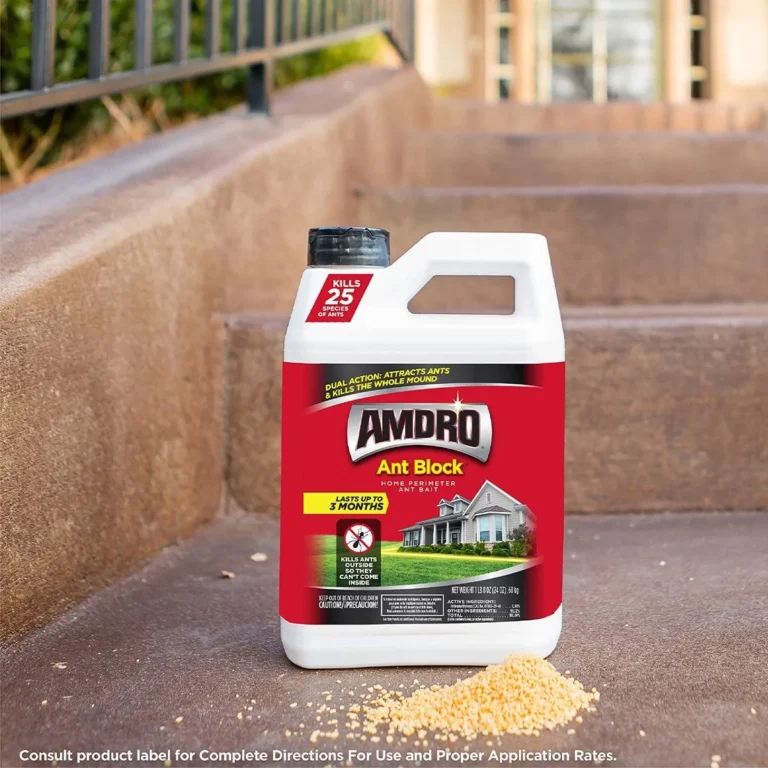
The question “is Amdro ant killer safe for pets” usually comes up right after a dog has nosed around a can of granules on the porch or a cat has batted a gel…