Yes, a bug zapper can work during the day, but bright sunlight often makes its light less attractive to flying insects. Its electrical grid can still kill insects that reach it.
If you use a bug zapper in your American backyard, on a patio, or near a porch, you may wonder whether it needs darkness to work. The short answer is no. Most electric bug zappers can remain powered throughout the day, and their killing grids can deliver an electric shock whenever a suitable insect makes contact.
The bigger issue is insect attraction. Many outdoor bug zappers use ultraviolet (UV) light to draw flying insects toward an electric grid. During a sunny afternoon, natural light can make the zapper’s glow harder to notice. Some insects may also respond more strongly to food, moisture, body odors, or other natural signals than to artificial light.
This means a zapper may kill insects during daylight without attracting as many as it does after sunset. Its performance also depends on the insect species, the device design, the surrounding light, and where you place it. Understanding these factors can help you decide when to run your device and what results to expect.
Source: images.mid-day.com
Does a Bug Zapper Actually Work in Daylight?
Yes. A standard electric bug zapper does not need nighttime conditions to produce an electric shock. When the unit receives power, its electrical circuit can energize the killing grid. An insect that reaches the energized grid may complete an electrical path and receive a fatal shock.
The distinction is between killing and attracting. The grid can function in bright daylight, but the UV lamp may have less influence on insect movement when the sun is shining. A zapper can therefore remain operational even when its daytime catch rate is low.
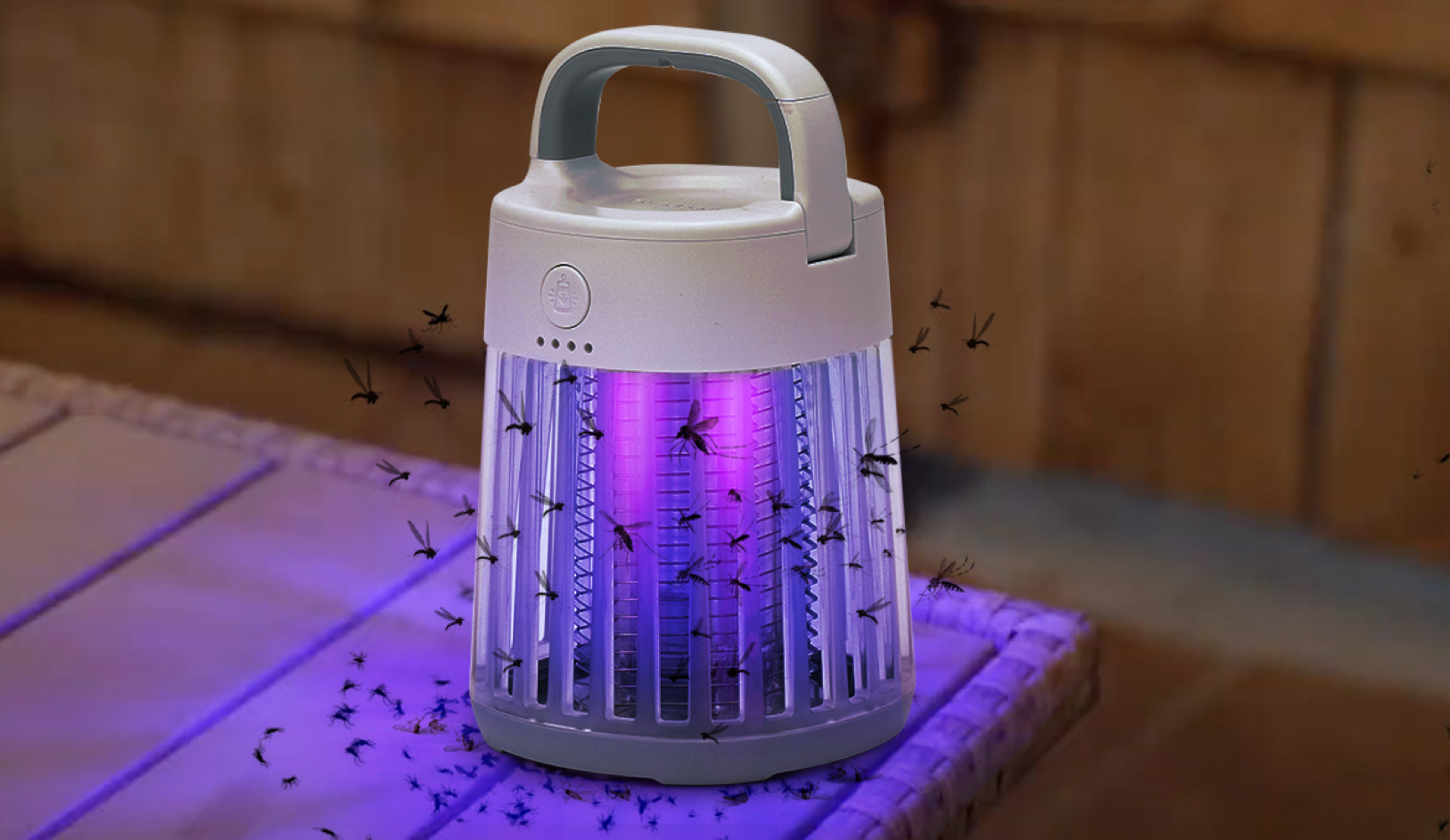
Think of the UV lamp as a small beacon. It is easier to notice at night because the surrounding area is dark. During the day, sunlight acts like a much brighter background, making the lamp less prominent. The device has not necessarily lost power; its attraction signal has become less noticeable.
There is no single daytime performance level that applies to every model. A small indoor unit near a window, a high-powered outdoor unit, and a solar–powered garden zapper may behave differently. Their lamp output, grid design, placement, and target insects all matter.
Source: consumerreviewlab.com
Electrical operation
The grid can remain energized in daylight if the device is powered, correctly assembled, and operating as designed.
Insect attraction
Sunlight can make the UV lamp less noticeable, which may reduce the number of insects that approach it.
Actual results
The number of insects killed depends on which species are active and whether they approach the device.
Why Darkness Is Not Required
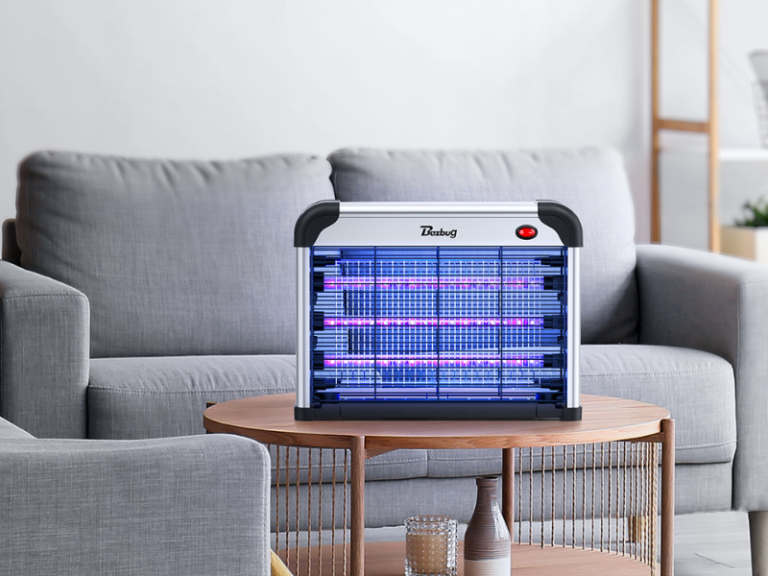
An electric bug zapper uses an electrical circuit to create a high-voltage difference across closely spaced metal parts of its grid. When a suitable insect bridges the gap, current can pass through its body. This produces the characteristic snap or crackle associated with the device.
The electrical process does not depend on sunlight. It depends on the unit receiving the correct power and the grid remaining in working condition. A plug-in model can operate during daylight just as it can after sunset, unless a built-in sensor or timer prevents it from switching on.
Plug-in models
These can usually operate whenever they receive power and their controls allow operation.
Battery models
These can work during the day if the battery has enough charge and the unit is switched on.
Solar models
These may use daytime sunlight to charge a battery and operate later, depending on their design and settings.
Why Bug Zappers Often Catch Fewer Insects During the Day
The main reason daytime performance can drop is the difference between artificial light and natural light. Many common bug zappers use UV or near-UV light as an attraction source. In direct sunlight, that light may be less distinct from the surrounding environment.
Insects do not all respond to light in the same way. Some flying insects show attraction to particular wavelengths, while others use different signals to find food, mates, breeding sites, or shelter. A lamp that attracts one species may have little effect on another.
The sun also changes insect activity. Some species are active in daylight, while others are more active at dusk or night. A zapper cannot catch insects that are not flying nearby, regardless of how bright its lamp is.
Other light sources can affect the results too. A zapper placed beside a bright window, outdoor security light, or illuminated sign may compete with other visual signals. Wind, rain, temperature, vegetation, and the availability of food can also influence insect movement.
For these reasons, a lower daytime catch does not automatically mean the unit is broken. It may simply be operating in conditions that make its attraction method less effective.
Source: m.media-amazon.com
Bright surroundings
Sunlight reduces the contrast between a UV lamp and its surroundings.
Different insect behavior
Not every flying insect responds to the wavelengths used by a particular zapper.
Changing activity
The number of insects flying around the device changes with species, weather, and time of day.
Competing signals
Food, flowers, water, odors, and other lights may influence where insects travel.
Does UV Light Work in Bright Sunlight?
UV light does not stop existing when sunlight is present. The issue is how insects perceive the lamp against the much brighter outdoor environment. A UV source can still attract some insects in daylight, especially in shaded locations, but its relative influence may be weaker.
A zapper under a covered patio may have a better chance of standing out than one placed in the middle of an open, sunny lawn. Even then, shade does not guarantee a high catch. The species in the area and the lamp’s output remain important.
Open sunlight
The lamp may be difficult to distinguish from the bright surroundings.
Covered outdoor areas
Reduced ambient light may improve the lamp’s visibility, depending on the location.
Does Weather Change Daytime Performance?
Yes. Weather can affect both insect activity and device operation. Warm, humid conditions may increase the activity of some flying insects, while strong wind can make their flight less predictable. Rain can reduce insect movement and create an electrical safety concern if the zapper is not rated for outdoor exposure.
Always check the product’s weather rating before leaving a device outside. Do not assume that a covered position makes an indoor-only zapper safe for outdoor use.
Wind
Strong air movement can change insect flight paths and reduce predictable approaches.
Rain
Moisture can affect electrical safety and should be handled according to the device rating.
Temperature
Insect activity varies by species and temperature, so catch rates can change throughout the day.
Which Insects Can a Bug Zapper Catch During the Day?
A bug zapper can kill many small flying insects if they approach and touch its energized grid. However, the exact insects it catches depend on the species in your area and the device’s attraction method. It is not a universal flying-insect trap.
Some moths, beetles, flies, and other flying insects may respond to the light from a zapper. Certain insects are more active after dark, while others fly during the day. This is one reason the same unit may collect different insects at different times.
Mosquitoes deserve special attention. Many common electric zappers do not attract mosquitoes reliably because mosquito host-seeking behavior depends heavily on cues such as carbon dioxide, body odors, heat, and other signals. A UV lamp alone is often a poor substitute for a trap designed to target mosquitoes.
The insects found on the collection tray are not necessarily the pests that bother people most. Some may be harmless or beneficial insects. A zapper can kill non-target insects along with nuisance species, so a large number of dead insects does not automatically mean better pest control.
Source: i.pinimg.com
Moths
Some moths respond to artificial light and may approach a zapper during suitable conditions.
Beetles
Certain flying beetles may be attracted to light, although attraction differs among species.
Flies
Some flying flies may reach a zapper, but food odors and other environmental cues can be stronger attractions.
Mosquitoes
Many mosquitoes are not strongly attracted to ordinary UV-only zappers, so another control method is usually needed.
Will a Bug Zapper Kill Mosquitoes During the Day?
It can kill a mosquito that happens to touch the grid, but this is different from reliably attracting mosquitoes to the device. Most common UV zappers are not designed around the main signals mosquitoes use to find people and other hosts.
If mosquitoes are your main concern, focus on removing standing water, using window and door screens, wearing suitable clothing, and applying an EPA-registered insect repellent according to its label. A mosquito trap designed around mosquito behavior may also help in some settings.
Do not judge mosquito control by the number of insects collected in a zapper. The unit may kill many other flying insects while leaving the mosquitoes that bite you largely unaffected.
Remove breeding sites
Empty, cover, or maintain containers that collect standing water around the home.
Protect entry points
Repair window screens and door screens to reduce mosquitoes entering indoor spaces.
Use suitable repellents
Choose an EPA-registered product and follow its label for age, application, and reapplication directions.
Can a Bug Zapper Catch Flies in Daylight?
Some flies can reach an electric zapper during the day, but the result depends on the fly species and what attracts it. Houseflies and other nuisance flies often respond to food, waste, and odors. A UV lamp may not be their strongest attraction.
For indoor fly problems, sanitation and food storage are often more useful than relying on a zapper alone. Remove waste, clean food spills, keep bins closed, and use screens or suitable traps where needed.
Clean food areas
Remove food residue and keep exposed food covered.
Manage waste
Use closed bins and clean them regularly.
Use targeted traps
Choose a trap suited to the fly species and the location.
Daytime vs. Nighttime Bug Zapper Performance
Nighttime often gives a light-based bug zapper a better chance to attract insects because its lamp stands out more clearly against a dark background. This does not mean every zapper catches more insects at night or that all insects are nocturnal.
During the day, the device may still kill insects that fly close to it. Its catch rate may be lower when sunlight reduces the visibility of its lamp. Insects that are naturally active in daylight can still approach the unit.
The best operating time depends on the target pest. If you are trying to catch light-responsive moths, evening use may be more productive. If a particular flying insect is active around your yard in the afternoon, daytime operation may still produce catches.
Source: m.media-amazon.com
How to Get Better Results From a Bug Zapper During the Day
You can improve daytime results by choosing a suitable location, checking the device, and matching the trap to the insect you want to catch. These steps cannot make every species respond to UV light, but they can reduce avoidable problems.
Start by checking the manufacturer’s instructions. Confirm that the unit is designed for the location where you plan to use it. An indoor zapper should not be placed outdoors unless the manufacturer specifically approves that use.
Next, consider the surrounding light. A shaded but open area may allow the lamp to stand out better than a position in direct sunlight. Avoid placing the zapper directly beside competing lights or where people gather to eat.
Give the device enough space to operate as intended. Plants, walls, furniture, and other objects can block access or change insect movement. Follow the clearance and mounting directions supplied with the product rather than guessing at a universal distance.
Finally, assess the catch over more than one short period. Insect activity changes with weather and time. A single quiet afternoon does not prove that the zapper has failed.
Source: s.hdnux.com
Choose shade when practical
A shaded location may make the lamp more visible than an exposed position in direct sunlight.
Keep it away from competing lights
Avoid placing the device right beside bright porch lights, security lamps, or illuminated windows.
Use the right location
Place an outdoor-rated unit where flying insects travel, while following the required clearance and mounting instructions.
Check the lamp
Replace a worn UV bulb only with the type and rating specified by the manufacturer.
Keep the grid clean
Remove dead insects and debris only after following the manufacturer’s shutdown and cleaning instructions.
Match the trap to the pest
Use a mosquito-specific control approach if mosquitoes, rather than general flying insects, are the main problem.
Step 1: Check Whether the Zapper Is Receiving Power
If the lamp and grid appear inactive, start with basic checks. Confirm that the outlet works, the power cord is fully connected, and the switch or timer is in the correct position. For battery models, check the charge level and battery installation.
Do not open the housing or touch the grid to see whether it is energized. Electric zappers can retain dangerous electrical energy, and the visible lamp does not always tell you whether the grid is safe to touch.
Check the outlet
Use the manufacturer’s recommended method to confirm that the power source works.
Inspect the cord
Look for visible damage without touching exposed wiring or attempting an unsafe repair.
Check the controls
Make sure a timer, switch, or light sensor is not preventing daytime operation.
Step 2: Review the Light Sensor and Timer
Some solar and automatic zappers include a light sensor. These devices may be programmed to turn on after dusk and switch off when daylight returns. If yours stays off during the day, that behavior may be intentional rather than a fault.
Read the manual to see whether the sensor has a manual override or a different operating mode. Do not cover a sensor or alter the wiring unless the manufacturer specifically describes that procedure as safe.
Dusk-to-dawn setting
The device may switch on only when the surrounding light falls below a set level.
Manual setting
Some models allow operation outside their automatic schedule.
Battery protection
A solar model may limit operation to preserve stored power.
Step 3: Check the Lamp and Grid
A lamp that no longer produces the intended light may reduce attraction even when the rest of the device works. Bulbs can age, become damaged, or fail. The correct replacement depends on the exact model, so check the product manual before buying a new bulb.
A grid covered with insect remains or debris may also perform poorly. Turn off and unplug the unit before cleaning, then follow the manufacturer’s instructions for safe discharge, access, and cleaning. Never use water on electrical parts unless the manual explicitly permits the cleaning method.
Look for visible damage
Check the housing, lamp cover, and cord for cracks or other damage.
Use approved replacement parts
Do not assume that bulbs with similar shapes or wattage are interchangeable.
Clean safely
Disconnect power and follow the exact maintenance procedure in the manual.
Step 4: Compare Results at Different Times
If the unit works but catches very few insects, compare its results during a sunny afternoon, a shaded afternoon, and after sunset. Keep the location and operating period as consistent as possible. This simple comparison can help show whether ambient light is a likely factor.
Treat this as a practical observation, not a controlled scientific test. Weather, insect activity, and the number of insects nearby can change between sessions. Avoid moving the zapper into an unsafe position just to compare results.
Record the conditions
Note the time, sunlight, weather, and approximate number of insects collected.
Use similar observation periods
Compare equal operating periods when practical.
Look for a pattern
Repeated differences are more useful than a single day’s catch.
Can You Leave a Bug Zapper Running All Day?
You can leave a bug zapper running during the day if the manufacturer permits continuous operation and the unit is installed in a suitable location. Some models are designed for extended use, while others use timers, battery controls, or automatic sensors that limit when they operate.
Continuous operation may not be useful if the target insects are not active or the UV lamp is unlikely to attract them in bright conditions. It can also use electricity, wear the lamp over time, and require more frequent cleaning.
Check the product’s rated operating conditions, electrical requirements, and maintenance schedule. Do not assume that a device is safe to leave outdoors in rain or extreme weather simply because it has been used outside before.
For solar models, daytime charging and daytime insect control are two separate functions. A solar panel may charge the battery in sunlight while a dusk sensor keeps the lamp off until evening. Other models may allow manual daytime operation if enough stored energy is available.
Source: aquamarinepower.com
Follow the duty cycle
Use the operating schedule and continuous-use guidance stated in the manual.
Consider energy use
Check the rated wattage and the number of hours the unit runs.
Plan routine cleaning
Remove accumulated insects according to the manufacturer’s maintenance instructions.
Protect the unit from weather
Use only a model rated for its actual outdoor exposure.
Does Running a Zapper All Day Use More Electricity?
Yes. A plug-in zapper that stays on for more hours generally uses more electricity than the same device operated for fewer hours. The exact amount depends on its rated power and actual operating time.
You can estimate energy use with a simple formula: watts multiplied by hours of operation, divided by 1,000. For example, a hypothetical 20-watt zapper running for 10 hours uses 0.2 kilowatt-hours. This is an example calculation, not a claim about the power rating of every zapper.
To estimate the cost, multiply the kilowatt-hours used by your electricity rate. Your actual bill may also reflect local fees and other charges. Check the label or manual for the device’s power rating instead of relying on a generic estimate.
Energy formula
Energy in kilowatt-hours equals watts multiplied by operating hours, divided by 1,000.
Cost formula
Estimated energy cost equals kilowatt-hours multiplied by your electricity price per kilowatt-hour.
Why Does My Solar Bug Zapper Only Work at Night?
Many solar bug zappers use a built-in light sensor to control the lamp. The panel charges the internal battery during the day, while the sensor detects darkness and switches the device on at night. This setup helps save stored energy for the period when the UV light may be more noticeable to insects.
If you want daytime operation, check whether the model supports it. Some products have a manual mode, while others are designed to run only after dusk. Changing the sensor or bypassing its circuit can damage the device or create a safety hazard.
Charging mode
Sunlight charges the battery, but the zapper lamp may remain off.
Automatic mode
A sensor controls operation based on surrounding light.
Manual mode
A supported manual setting may allow operation at other times.
Common Mistakes That Reduce Daytime Performance
A bug zapper may appear ineffective because of its placement, maintenance, or target pest rather than an electrical fault. Correcting a few common mistakes can help you understand what the unit can realistically do.
One common mistake is placing the zapper beside the area where people sit and eat. This can bring insects close to people without reliably reducing the number that reach them. Follow the manufacturer’s placement guidance and keep the device away from normal human activity.
Another mistake is expecting a UV zapper to control every mosquito, fly, or biting insect. A light trap is designed around attraction to light. It cannot replace sanitation, screens, removal of breeding sites, or pest-specific control methods.
Some users also judge performance only by the sound of electrical snaps. A zapper may make noise when insects touch the grid, but noise alone does not show whether the device is controlling the pest that matters. Check the collected insects and the actual level of pest activity around your home.
Source: images.mid-day.com
Placing it in direct sun without considering the surroundings
A shaded position may make the lamp more noticeable, although insect activity and species still determine the result.
Ignoring the target insect
A UV zapper may catch light-responsive insects but fail to reduce the mosquitoes or flies causing the main problem.
Neglecting maintenance
Dead insects and debris can build up, so clean the device using the approved procedure.
Using an indoor unit outside
An indoor electrical device may not have the protection needed for outdoor moisture and weather.
Expecting instant results
Insect activity varies, so a short observation period may not show the device’s typical performance.
Does a Bug Zapper Keep Insects Away From People?
A bug zapper is not a dependable protective barrier around people. It may attract and kill certain insects, but others may ignore the light and continue to approach people, food, or pets.
For outdoor gatherings, combine suitable pest control with practical prevention. Keep food covered, remove standing water, use screens where possible, and apply an appropriate insect repellent when needed. Do not rely on a zapper as your only protection from biting insects.
Protect food
Keep meals and drinks covered when not in use.
Reduce standing water
Check containers, planters, and other places where water can collect.
Use physical barriers
Screens and suitable clothing can reduce contact with flying insects.
Are Bug Zappers Safe to Use Around Children and Pets?
Electric bug zappers contain an energized grid, so children and pets should not be able to touch the device. Install the unit where it cannot be reached, follow the mounting directions, and keep its cord away from walkways and play areas.
Before cleaning or inspecting the device, switch it off and disconnect its power source. Follow the manual’s instructions for discharge and maintenance because some units may retain electrical energy after being unplugged. Never insert fingers, tools, or other objects through the protective housing.
Outdoor units should be kept away from pools, sprinklers, and other wet areas unless the manufacturer specifically rates the device for those conditions. If the cord, housing, or grid is damaged, stop using the zapper until it has been repaired or replaced through an appropriate service route.
Prevent access
Mount the device securely and keep it out of children’s and pets’ reach.
Disconnect before cleaning
Follow the manual’s full shutdown and discharge procedure.
Avoid unsafe repairs
Do not open or repair high-voltage components unless you are qualified and the manufacturer permits the work.
Follow weather ratings
Keep the unit away from water unless its instructions clearly allow the intended exposure.
When Should You Use a Bug Zapper?
Use a bug zapper when the insects you want to catch respond to its attraction method and the device can be installed safely. For many light-attracted insects, evening operation offers a practical advantage because the lamp is easier to distinguish after dark.
Daytime operation may still make sense in shaded outdoor areas where target insects are active. It may also be reasonable when the manufacturer allows continuous operation and you have observed that the device catches the insects you want to remove.
If you are dealing with mosquitoes, biting flies, or insects linked to food and waste, identify the pest before choosing a control method. A UV zapper may be only a small part of a wider plan, and it may not be the most useful tool for the main problem.
Source: m.media-amazon.com
Frequently Asked Questions
Q
Should I turn my bug zapper off during the day?
Not necessarily. If the manufacturer allows continuous operation, you can leave it on during daylight. However, a UV-based zapper may attract fewer insects in bright sunlight, so running it all day may offer limited extra value. Consider the target insect, energy use, and the device’s operating instructions before choosing a schedule.
Q
Do bug zappers work better at night or during the day?
Many UV bug zappers have an attraction advantage at night because their light stands out more clearly against a dark background. During the day, sunlight can reduce the lamp’s visual contrast. However, the best time also depends on the insect species and when it is active.
Q
Can sunlight damage an electric bug zapper?
Sunlight does not automatically damage a bug zapper, but long exposure to heat and weather can affect products that are not designed for outdoor use. Check the manufacturer’s temperature, weather, and placement limits. Do not leave an indoor-only model in direct outdoor exposure.
Q
Why does my bug zapper turn off during the day?
Your device may have a dusk-to-dawn sensor that switches the lamp on only when the surrounding area becomes dark. Solar models commonly use this arrangement to charge during daylight and operate at night. Check the manual for automatic settings and any supported manual operating mode.
Q
Can a bug zapper attract mosquitoes in daylight?
Some mosquitoes may reach a zapper, but common UV-only models are generally not reliable mosquito traps. Mosquitoes often use carbon dioxide, body odors, heat, and other host cues when searching for people. Removing standing water, using screens, and applying suitable repellents are more dependable prevention steps.
Q
Will a bug zapper work under a covered patio?
It may work under a covered patio if the device is rated for outdoor use and has a suitable power source. Shade can make its UV lamp more visible than it would be in direct sunlight. Still, results depend on insect activity, lamp output, and competing light sources.
Q
Can I use a solar bug zapper during the day?
That depends on the model. Some solar zappers use daylight to charge their batteries and switch the killing lamp on automatically after sunset. Others may offer a manual setting for daytime operation. Check the instructions before changing the operating mode or trying to override a sensor.
✦ Wrapping Up
Conclusion
A bug zapper can work during the day because its electrical grid does not need darkness to kill insects. The main limitation is attraction. Bright sunlight can make the UV lamp less noticeable, and many insects rely on cues other than artificial light when they search for food, mates, or hosts.
For many light-attracted insects, evening operation is often more useful. During the day, a zapper may still catch insects in shaded areas or places where the target species is active. If daytime results are poor, check the power source, sensor, lamp, grid, placement, and type of insect before deciding that the device has failed.
For mosquito problems, do not rely on an ordinary UV zapper as your main defense. Remove standing water, repair screens, use suitable repellents, and choose control methods that target mosquito behavior. Above all, follow the manufacturer’s electrical and weather safety instructions.
💡 Key Takeaway
If you want to use a bug zapper during the day, check that it supports daytime operation, place it in a safe shaded area, keep it away from competing lights, and observe whether it catches your target insects. If your main concern is mosquitoes, combine other proven prevention methods with any suitable trap rather than relying on UV light alone.
You spot a few winged insects on the windowsill, grab the ant gel from the garage, and start wondering: does ant killer kill termites? Short answer: probably…