Ant Wings vs Termite: Key Differences
Are Flying Ants Easy to Identify?
Yes. Flying ants are often easy to identify once you know what to look for. They are reproductive ants that grow wings for a short period. Their job is to leave the parent colony, find a mate, and start a new colony. You may see them near windows, outdoor lights, gardens, or cracks around your home. In the United States, many ant species have seasonal mating flights. The exact timing depends on the species and local weather.
The biggest clue is the ant’s waist. A flying ant has a narrow, pinched section between its middle and rear body parts. Its antennae also bend like a small elbow. Another useful clue is wing size. The front pair is usually longer than the rear pair. When comparing ant wings vs termite wings, these details make a big difference. A single clue may not settle the question, but several matching clues give you a stronger answer.
I would start by looking at a clear photo or a dead specimen rather than trying to catch a flying insect. A phone camera with a zoom feature can help show the waist and antennae. If I found several winged ants indoors, I would also check nearby windows and doors for possible entry points. A few flying ants do not always mean an indoor nest, but repeated activity deserves attention.
What Makes Flying Ants Stand Out?
- Pinched WaistFlying ants have a narrow waist between the middle and rear body sections. It often looks like a small bend or tight connection.
- Bent AntennaeTheir antennae have a clear elbow-like bend. This is one of the easiest clues to spot in a close photo.
- Unequal Wing LengthThe front wings are usually longer than the rear wings. Both pairs are easy to see on a healthy winged reproductive ant.
- Segmented BodyThe body has three main sections: head, thorax, and abdomen. The narrow waist makes the body shape look divided.
- Seasonal SwarmsMany ant species release winged reproductives during warm weather. Rain, humidity, and local conditions can affect swarm timing.
- Colony FormationAfter mating, a female reproductive ant may shed her wings and search for a suitable place to start a new colony.
My Recommendation
Look for bent antennae, a narrow waist, and longer front wings. These three clues are a useful starting point when identifying flying ants around a US home.
| Best For | Why |
|---|---|
| Garden Identification | Visible swarms and body shape can help identify reproductive ants outdoors. |
| Window Inspections | Winged ants often gather near windows and other light sources. |
| Basic Pest Checks | A pinched waist and bent antennae provide useful identification clues. |
Are Termite Swarmers Easy to Identify?
Yes, termite swarmers have several clear features. They are reproductive termites that leave a mature colony to mate and form new colonies. In the United States, homeowners often see them during warm, humid periods. Some species swarm in spring, while others may swarm at different times of the year. Their appearance can be alarming, especially when dozens gather near a window or light.
The first clue is the body. A termite has a broad, straight waist rather than the narrow waist of an ant. Its antennae look straight or slightly curved, not sharply bent. Most importantly, termite swarmers have four wings that are nearly equal in length. These features make ant wings vs termite comparisons much easier. Termite wings may also break off after the insects land.
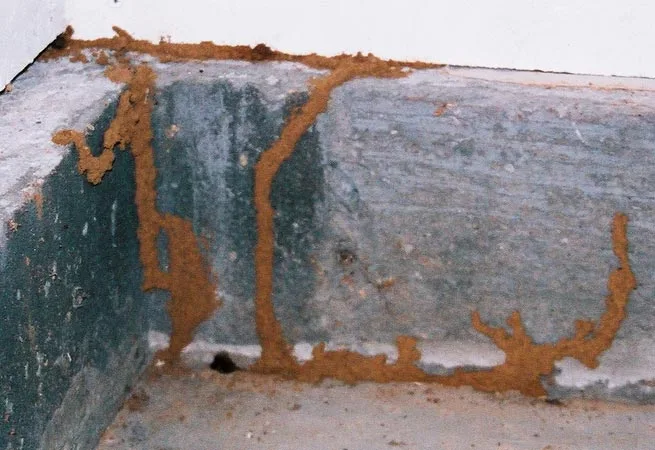
I would take a pile of discarded wings seriously if I found it near a window, door, or wooden frame. A termite swarm does not prove that the house has a large active infestation, but it can point to a nearby colony. I would avoid spraying the insects before identifying them. A clear photo and a check for other signs, such as mud tubes or damaged wood, can help guide the next step.
What Makes Termite Swarmers Stand Out?
- Straight WaistTermite swarmers have a broad body with no deep, pinched waist. Their body looks more even from front to back.
- Straight AntennaeTheir antennae usually look straight and bead-like. They do not have the clear elbow bend found in ants.
- Four Equal WingsThe front and rear wings are nearly equal in length. This is one of the strongest visual clues when comparing termites with flying ants.
- Long Winged AppearanceThe wings extend well beyond the body and can make termite swarmers look larger than they really are.
- Discarded WingsAfter landing and pairing, termite swarmers often shed their wings. Small piles of loose wings may appear near windows and doors.
- Wood-Related ActivityTermites feed on materials containing cellulose. Some species can damage structural wood, flooring, and other parts of a home.
My Recommendation
Pay close attention to equal-length wings, straight antennae, and the broad waist. If you find termite swarmers indoors, arrange a professional inspection rather than relying on appearance alone.
| Best For | Why |
|---|---|
| Homeowners | Recognizing swarmers can help spot a possible termite issue early. |
| Wood Inspections | Termite activity may require a closer look at wooden structures. |
| Pest Identification | Equal wings and straight antennae provide strong visual clues. |
Ant Wings vs Termite: Side-by-Side Comparison
At first glance, flying ants and termite swarmers can look almost identical. Both have four wings, both fly during mating periods, and both may gather around outdoor lights. That is why many homeowners struggle to tell them apart.
The best way to understand ant wings vs termite differences is to compare several body features at once. Wing length, antenna shape, waist size, and body form are more useful than color alone. The following comparisons show what to look for.
1. Wing Size: Which Has Longer Wings?
Wing size is one of the easiest ways to tell these insects apart. Look at both pairs instead of judging the insect by its overall size.
| Feature | Flying Ant | Termite Swarmer |
|---|---|---|
| Front Wings | Usually longer than rear wings | Nearly equal to rear wings |
| Rear Wings | Usually shorter | Nearly the same length as front wings |
| Total Wings | Four | Four |
| Wing Shape | Often more clearly uneven in length | Long and similar in size |
⭐ Flying Ant – 9/10 | Termite Swarmer – 9/10
Edge: Both have clear wing patterns, but the nearly equal wings of termites make this comparison especially useful.
2. Body Shape: Narrow Waist vs Straight Waist
The body is another strong clue. A flying ant has a narrow waist, while a termite has a more even body shape.
| Feature | Flying Ant | Termite Swarmer |
|---|---|---|
| Waist | Narrow and pinched | Broad and straight |
| Body Shape | Clearly divided sections | More uniform shape |
| Abdomen | Connected by a narrow waist | Broad connection to the middle body |
| Visual Clue | Hourglass-like middle | No obvious waist pinch |
⭐ Flying Ant – 10/10 | Termite Swarmer – 10/10
Edge: Tie. The waist is a strong clue for both insects when viewed from the side or above.
3. Antennae: Bent vs Straight
Antennae are small, but they can reveal a lot. A close photo may show the difference even when the insect’s body is hard to see.
| Feature | Flying Ant | Termite Swarmer |
|---|---|---|
| Antenna Shape | Bent or elbowed | Straight or slightly curved |
| Appearance | Clear bend between sections | Bead-like sections in a straight row |
| Identification Value | Strong ant clue | Strong termite clue |
⭐ Flying Ant – 10/10 | Termite Swarmer – 10/10
Edge: Tie. Both antenna patterns are useful when you can get a close and clear view.
4. Body Color and Size
Color can help, but it should never be your only test. Both insects come in different sizes and shades.
| Feature | Flying Ant | Termite Swarmer |
|---|---|---|
| Common Colors | Black, brown, reddish, or yellowish | Cream, brown, dark brown, or black |
| Body Size | Varies by ant species | Varies by termite species |
| Color Reliability | Low when used alone | Low when used alone |
| Best Check | Waist and antennae | Waist and wing length |
⭐ Flying Ant – 7/10 | Termite Swarmer – 7/10
Edge: Tie. Color and size can support identification, but body structure gives a more reliable answer.
5. Swarming Season and Behavior
Both insects fly to reproduce and start new colonies. Their swarming periods can overlap, so timing alone cannot settle the question.
| Feature | Flying Ant | Termite Swarmer |
|---|---|---|
| Main Purpose | Find mates and start colonies | Find mates and start colonies |
| Swarming Time | Often during warm weather | Depends on species and local conditions |
| Weather | Warm and suitable conditions often trigger flights | Warm, humid conditions often support swarms |
| Light Attraction | Many winged ants gather near lights | Many termite swarmers gather near lights |
⭐ Flying Ant – 8/10 | Termite Swarmer – 8/10
Edge: Tie. Both can appear in large groups near lights during suitable weather.
6. Shed Wings: What Do They Mean?
Finding loose wings on a windowsill is a common reason people search for ant wings vs termite. The location and shape of the wings can offer useful clues.
| Feature | Flying Ant | Termite Swarmer |
|---|---|---|
| Wing Shedding | Reproductive ants may shed wings after mating | Swarmers commonly shed wings after landing |
| Wing Length | Front and rear wings differ | Four wings are nearly equal |
| Where Found | Near windows, doors, and outdoor areas | Near windows, doors, and possible colony sites |
| Meaning | May show ant mating activity | May show termite swarming activity |
⭐ Flying Ant – 8/10 | Termite Swarmer – 10/10
Edge: Termite swarmers. Their discarded wings are a common sign of a recent reproductive flight, but an inspection may still be needed.
7. Damage to Your Home
This is where the difference matters most. Some ants can damage wood, but termites are well known for feeding on wood and other cellulose materials.
| Feature | Flying Ant | Termite Swarmer |
|---|---|---|
| Wood Feeding | Most flying ants do not eat structural wood | Termites feed on cellulose materials |
| Structural Risk | Depends on ant species; carpenter ants can damage wood by nesting | Some species can cause serious structural damage |
| Other Warning Signs | Ant trails and nesting activity | Mud tubes, damaged wood, and shed wings |
| Inspection Need | Useful when activity continues indoors | Important when termite activity is suspected |
⭐ Flying Ant – 7/10 | Termite Swarmer – 10/10
Edge: Termites have the greater direct risk to wooden structures, although carpenter ants can also damage wood.
8. Best Way to Identify Them
You do not need expensive tools for a first check. A clear photo and a simple comparison can help you narrow down the insect.
| Feature | Flying Ant | Termite Swarmer |
|---|---|---|
| First Check | Look for a pinched waist | Look for a broad waist |
| Second Check | Find bent antennae | Find straight antennae |
| Third Check | Compare front and rear wings | Check for four similar-sized wings |
| When Unsure | Ask for species identification | Arrange a termite inspection |
⭐ Flying Ant – 9/10 | Termite Swarmer – 10/10
Edge: Termites deserve extra attention because a mistaken identification can delay action against a wood-damaging pest.
Final Verdict: Ant Wings vs Termite
The main difference between flying ants and termites comes down to three features. Flying ants have bent antennae, a narrow waist, and front wings that are longer than their rear wings. Termite swarmers have straight antennae, a broad waist, and four wings of nearly equal length.
If you see loose wings indoors, do not panic. Take a clear photo and check for other signs. A few flying ants may be harmless to your home’s structure, but termite activity deserves prompt attention. If you suspect termites, contact a licensed pest control professional for an inspection. When it comes to ant wings vs termite, body shape and wing size are your best first clues.