No, not all bug sprays are safe for cats. Some household insecticides contain chemicals that can cause serious poisoning, especially if a cat breathes them in, walks through wet spray, or licks treated surfaces. Always check the product label and keep cats away during treatment.
In American homes, bug sprays are often used to control ants, roaches, mosquitoes, spiders, fleas, and other pests. These products can help keep a home comfortable, but they can also create risks for pets. Cats need extra care because they groom their fur and paws throughout the day. A small amount of chemical residue can end up in their mouths when they lick themselves.
The safety of a bug spray depends on its active ingredients, strength, amount used, and how a cat comes into contact with it. A product made for outdoor lawns may have different risks from an indoor ant spray. A flea treatment made for dogs may also be dangerous to cats, even when both animals live in the same home.
The safest approach is to remove your cat before spraying, follow every direction on the product label, and wait for the required period before allowing your pet back into the area. Drying alone does not prove that every chemical residue is harmless. If your cat touches, licks, or breathes in a questionable product, contact a veterinarian promptly.
Source: felinefascination.com
Why Can Bug Spray Be Dangerous for Cats?
Bug spray can be dangerous for cats because many insecticides are designed to affect the nervous systems of insects. Some chemicals can also affect mammals when exposure is high enough or when the product is used incorrectly. Cats may face additional risks because of their grooming habits and their contact with floors, carpets, furniture, and other treated surfaces.
Unlike a person who might wash pesticide residue from their hands, a cat may lick its paws or clean its coat after walking through a treated area. This creates a possible path for chemicals to enter the digestive system. A cat may also breathe in small airborne droplets while a spray is being applied.
The risk is not the same for every product. The active ingredient, concentration, formulation, exposure route, and amount all matter. A product that is safe when used according to its label may still cause harm if a cat drinks it, walks through a wet application, or gets an excessive amount on its fur.
Source: bugoffcontrol.com
Breathing in spray
Aerosols and fine droplets can enter a cat’s respiratory system during application. Poor ventilation may increase exposure.
Skin contact
Wet pesticide can stick to paws, fur, or skin. Some chemicals may be absorbed through the skin.
Accidental swallowing
Cats can swallow residue when grooming contaminated fur or licking treated floors and objects.
Contact with treated objects
Beds, blankets, toys, scratching posts, and food bowls may carry pesticide residue if they are not removed or protected.
Why Cats Need Special Protection
Cats have different ways of processing chemicals than dogs and people. Their ability to handle certain substances is limited, and some chemicals can remain harmful even after a small exposure.
Their grooming behavior adds another concern. A cat that walks across a sprayed floor may later lick its paws. This means a product does not need to be sprayed directly onto the animal to create a poisoning risk.
Kittens, older cats, and cats with existing health problems may need extra care. Their size, age, and general condition can affect how well they cope with chemical exposure.
Which Bug Spray Ingredients Are Harmful to Cats?
The active ingredient is one of the most important details to check before using a bug spray around a cat. Different insecticides work in different ways, and their risks depend on the chemical, concentration, and exposure.
Do not judge a product by its brand name, fragrance, or claim that it is suitable for indoor use. Read the ingredient panel and directions. If you cannot identify the active ingredient or understand the pet precautions, contact the manufacturer or a veterinarian before using it.
Source: mycampingpro.com
Permethrin
Permethrin is a pyrethroid insecticide found in some household, garden, and dog flea products. Cats are particularly sensitive to concentrated permethrin exposure. Never use a dog-only permethrin flea treatment on a cat.
Pyrethrins
Pyrethrins are insect-killing compounds derived from chrysanthemum plants. They can cause poisoning when exposure is excessive or a product is used incorrectly. Plant origin does not guarantee safety.
Other pyrethroids
Ingredients such as cypermethrin, bifenthrin, deltamethrin, and cyfluthrin are used in different insect-control products. Their risks depend on the exact formulation and exposure.
Organophosphate insecticides
Some insecticides in this group can affect nerve signaling and may cause serious poisoning. Check the label and seek veterinary guidance if exposure occurs.
Carbamate insecticides
Certain carbamates can interfere with normal nerve activity. A cat should never have access to concentrated products or treated areas unless the label permits safe re-entry.
Essential oils
Some concentrated plant oils can irritate or poison cats. Tea tree, citrus, peppermint, and other essential oils should not be assumed safe simply because they are natural.
Why Is Permethrin a Major Concern?
Permethrin deserves particular attention because cats can develop severe neurological signs after exposure. It is commonly found in some products designed to kill fleas and ticks on dogs, as well as certain insect-control products.
A common accident occurs when an owner applies a dog flea treatment to a cat. Another possible route is contact with a recently treated dog. A cat may groom the dog or share a sleeping area before the product is safe for contact.
Signs can include excessive drooling, vomiting, twitching, tremors, poor coordination, and seizures. Serious cases can become life-threatening. If you suspect permethrin exposure, contact a veterinarian immediately rather than waiting for symptoms.
Check the species on the label
A product marked for dogs is not automatically suitable for cats.
Check the active ingredient
Look for permethrin and other listed insecticides before using a product.
Prevent contact between pets
Follow the flea product instructions about separating treated animals until the treatment is safe to touch.
Are Natural Bug Sprays Safer?
Not necessarily. Natural ingredients can still affect a cat’s skin, lungs, digestive system, or nervous system. Some plant oils are highly concentrated and can be harmful if swallowed or absorbed.
A label that says botanical, herbal, plant-based, or chemical-free does not establish that a product is safe for cats. The term chemical-free is especially misleading because all substances, including water and plant oils, are chemicals.
Check the full ingredient list and any cat-specific safety directions. Avoid spraying essential oils directly on your cat or using a homemade mixture without veterinary guidance.
Is Indoor Bug Spray Safe to Use Around Cats?
Indoor bug spray can sometimes be used in a home with cats, but the cat must be kept away during application and for the entire re-entry period specified by the product label. Indoor use does not mean that a product is harmless to pets.
Ant sprays, roach sprays, spider sprays, and general household insecticides can leave residues on floors, baseboards, counters, and other surfaces. Cats may touch these areas with their paws or fur and later swallow residue while grooming.
The safest option is to use targeted pest control rather than spraying large areas without a clear need. Remove the cat from the treatment area and prevent access to the product, wet surfaces, and contaminated objects.
Source: infoik.com
Ant spray
Keep cats away from treated cracks, corners, and baseboards. Never let them lick the spray or chew treated insects.
Roach spray
Avoid applying it near food dishes, water bowls, litter boxes, and places where cats sleep or play.
Spider spray
Follow the label’s indoor application and re-entry directions. Do not allow cats to touch wet treated surfaces.
Bed bug spray
Bed bug treatments may involve several products and repeated applications. Keep cats away from treated beds, furniture, and rooms until the professional or product label permits re-entry.
Are Bug Bombs and Foggers Safe for Cats?
No cat should remain inside a home while a pesticide fogger or bug bomb is being used. These products release pesticide into the air, and the fine droplets can spread beyond the room where the device is placed.
Remove all pets from the home before using a fogger. Follow the label for the required time away, ventilation, and cleaning instructions before returning. Do not assume that opening a window for a few minutes makes the house safe.
If you have fish, birds, reptiles, or other pets, check the label for their specific precautions as well. Foggers may create risks for animals that are especially sensitive to airborne chemicals.
Can Cats Return After Bug Spray Dries?
Drying is an important safety step, but it is not a universal guarantee that a treated area is safe. Some pesticide labels require a specific waiting period, ventilation, or additional precautions after the surface has dried.
Follow whichever requirement is more protective: the full re-entry time on the label or the time needed for the application to dry completely. If the directions are unclear, contact the product manufacturer or a pest control professional before allowing your cat back into the room.
How to Use Bug Spray Safely in a Home With Cats
You can lower the risk of accidental pesticide exposure by preparing the home before treatment. The most important step is to prevent your cat from entering the area before, during, and after application.
The National Pesticide Information Center advises pet owners to remove animals, toys, bedding, and food and water dishes before pesticide application. It also recommends keeping pets away until the product has dried and the label’s safety instructions have been met.
Source: www.youtube.com
Read the complete label
Check the active ingredient, approved use, application method, ventilation directions, first-aid instructions, and pet re-entry precautions.
Move your cat away
Place your cat in an untreated room or take it to another safe location before starting the application.
Remove pet supplies
Take away food bowls, water dishes, toys, blankets, beds, scratching pads, and other items that may collect spray.
Apply only where permitted
Use the product only on the surfaces and areas listed on its label. Never spray a cat unless the product is specifically approved for cats and used exactly as directed.
Allow proper ventilation
Open windows or use ventilation as directed. Keep your cat out of the treatment area while airborne spray and odors remain.
Wait before allowing access
Follow the full label re-entry period and make sure treated surfaces are completely dry.
Clean and restore the area
Replace pet supplies only when the label permits it. Clean any contaminated items according to the product directions.
Store the product securely
Keep the original container closed and locked away from pets. Never transfer pesticide into a food or drink container.
What If You Hire a Pest Control Company?
Tell the pest control company that you have a cat before the treatment begins. Ask for the names of the products, their active ingredients, the areas being treated, and the exact time your cat must remain away.
Ask whether the treatment leaves residues on floors, furniture, carpets, or other surfaces your cat may touch. Also ask whether the company recommends cleaning any surfaces before pets return.
If the company cannot explain its pet precautions, request the product labels or speak with a qualified professional before proceeding. A general statement that the treatment is pet-friendly is not a substitute for product-specific instructions.
Can You Use Bug Spray in a Room Where a Cat Sleeps?
Avoid spraying a cat’s sleeping area unless the product label specifically allows that use. Cat beds, blankets, cushions, and soft toys can hold residues and may be difficult to clean properly.
If treatment is necessary, remove the cat and its belongings first. Follow the label before returning the animal or replacing its bedding. When possible, use targeted treatment in places the cat cannot reach.
What Are the Signs of Bug Spray Poisoning in Cats?
Bug spray poisoning can affect a cat’s digestive system, nervous system, skin, and breathing. The signs depend on the chemical, amount, and route of exposure. Some reactions may appear soon after contact, while others can take longer to develop.
Do not wait for a cat to become seriously ill before seeking help. A cat may appear normal after an exposure and still develop signs later. If you know or suspect that your pet has contacted a harmful insecticide, call a veterinarian for advice immediately.
Source: www.nbcnews.com
Excessive drooling
Unusual saliva or foaming around the mouth can occur after exposure to certain insecticides.
Vomiting or nausea
A cat may vomit after licking contaminated fur, paws, or another treated surface.
Lethargy
The cat may seem weak, unusually tired, or less responsive than normal.
Twitching and tremors
Muscle twitching, shaking, or uncontrolled movements may indicate a serious neurological reaction.
Poor coordination
A cat may stumble, wobble, fall, or struggle to walk normally.
Seizures
Seizures are a medical emergency and may occur in severe insecticide poisoning.
Breathing problems
Difficult or unusual breathing requires immediate emergency veterinary care.
Early Signs Versus Severe Signs
Early signs may include drooling, vomiting, restlessness, and unusual behavior. These symptoms can be easy to mistake for an upset stomach or another minor problem, but a recent pesticide exposure changes the situation.
More serious signs include tremors, muscle spasms, seizures, collapse, and difficulty breathing. These symptoms require immediate veterinary treatment.
The absence of symptoms does not prove that your cat is safe. Contact a veterinarian even if your cat seems normal after a known or suspected exposure to a potentially toxic product.
Possible early warning signs
Drooling, vomiting, unusual behavior, weakness, and restlessness.
Emergency warning signs
Tremors, twitching, seizures, collapse, severe weakness, or breathing difficulty.
What Should You Do If Your Cat Gets Bug Spray on Its Fur?
If bug spray gets on your cat, treat the situation as a possible poisoning exposure. Move the cat away from the treated area and prevent it from licking the affected fur. Contact your veterinarian or an animal poison control service immediately.
The right response depends on the chemical and the type of exposure. A pesticide on the skin may require careful washing, while an animal that has inhaled spray or is showing neurological signs may need emergency care. Do not delay professional advice while trying home remedies.
Source: ahssafoods.com
Move the cat to fresh air
If spray was inhaled, take your cat away from the treated area and into fresh air when it is safe to do so.
Stop further grooming
Prevent the cat from licking contaminated fur or paws while you arrange veterinary advice.
Check the product label
Find the active ingredient, concentration, and first-aid instructions. Keep the container available for the veterinarian.
Call a veterinarian immediately
Explain what happened, how much exposure may have occurred, and when it happened.
Follow professional washing advice
A veterinarian may advise washing skin contamination with mild detergent and cool water. Do not attempt to bathe a cat that is having seizures or severe symptoms before emergency care.
Watch for delayed symptoms
Continue following veterinary instructions even if the cat appears normal after the initial exposure.
Should You Wash Bug Spray Off a Cat?
Washing may help when a pesticide has contaminated the skin or coat, but the correct method depends on the product. Veterinary toxicology guidance describes gentle washing with mild detergent and cool water for certain dermal insecticide exposures.
Call a veterinarian before beginning if possible. If the cat has tremors, seizures, severe weakness, or breathing trouble, seek emergency treatment immediately rather than attempting a bath at home.
Never use another insecticide, essential oil, household cleaner, or strong shampoo to remove the residue. Do not use hot water or scrub the skin aggressively. These actions may worsen irritation or exposure.
What Should You Never Do?
Do not make your cat vomit unless a veterinarian specifically instructs you to do so. Do not give milk, cooking oil, butter, or human medicine as a home treatment.
Do not assume that a small exposure is harmless because the cat is still walking or eating. Some insecticide reactions can progress and require medical treatment.
Keep the original product container or take clear pictures of its label. Accurate ingredient information helps the veterinarian choose the right response.
Where Can You Get Emergency Help in the United States?
For suspected poisoning, contact your regular veterinarian or the nearest emergency veterinary hospital. Do not wait for a routine appointment if your cat has neurological signs or breathing problems.
The ASPCA Animal Poison Control Center can be reached at 1-888-426-4435. The Pet Poison Helpline can be reached at 1-855-764-7661. Fees may apply to these animal poison services.
Keep the product label, estimated exposure time, and your cat’s weight available when you call. These details can help the veterinary team assess the situation.
Are Flea and Tick Sprays Safe for Cats?
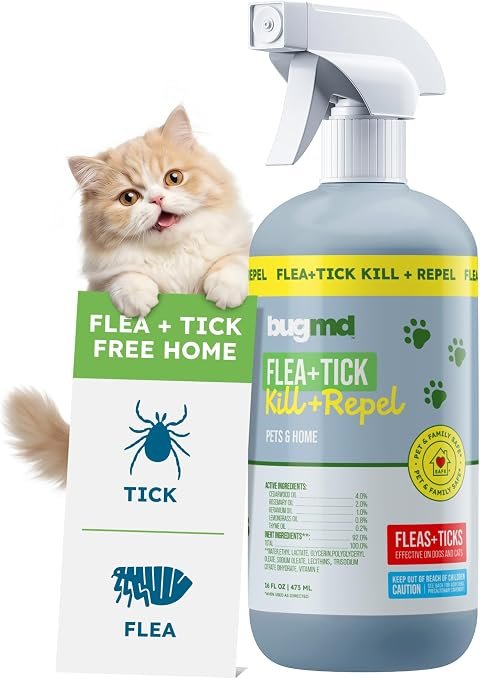
Some flea and tick sprays are made specifically for cats, but others are not safe for them. The difference is important because products designed for dogs may contain ingredients or concentrations that can seriously harm a cat.
A flea product should clearly identify the animal species it is approved for. Check the minimum age, weight limits, application instructions, and frequency of use. Never assume that a dog product can be adjusted for a smaller cat by using less of it.
Even a product labeled for cats must be used exactly as directed. Applying too much, combining several flea treatments, or using a product outside its approved age range can increase the risk of poisoning.
Source: bugalugspetcare.com
Choose a cat-specific product
The label must clearly approve the product for cats.
Check age and weight limits
Kittens may have different restrictions from adult cats.
Use the correct amount
Never increase the dose or repeat an application earlier than the directions allow.
Avoid combining treatments
Do not combine sprays, collars, shampoos, and spot-on products without veterinary approval.
Watch other pets
Prevent cats from grooming a recently treated dog or contacting its application site until the product instructions permit it.
Can You Use Human Bug Spray on Cats?
No. Human insect repellents should not be sprayed directly onto cats. Products made to protect people from mosquitoes and ticks are not automatically suitable for animal skin or grooming habits.
Ingredients such as DEET and other human repellent compounds may create health risks if a cat licks them or receives an unsuitable exposure. Avoid using human body sprays, camping repellents, and outdoor insect sprays on your pet.
If your cat needs protection from fleas, ticks, or mosquitoes, ask a veterinarian about a product specifically approved for cats. The right choice depends on the animal’s age, weight, health, and exposure risks.
Can a Cat Be Near a Dog After Flea Spray?
A cat should not automatically be allowed to share close contact with a recently treated dog. Some dog flea treatments contain permethrin, which can cause serious poisoning in cats.
Follow the dog’s product label about contact with other animals. Keep the pets separated until the treatment has reached the stage at which contact is permitted. Ask your veterinarian if the directions are unclear or if the cat has already licked or touched the treated area.
Safer Ways to Control Bugs Without Exposing Your Cat
You do not always need to spray an entire room to control household pests. Many pest problems can be managed with cleaning, sealing entry points, removing food sources, and using carefully placed traps.
This approach is often called integrated pest management. It focuses on finding the source of the problem and choosing the least disruptive control method that works. It can also reduce the amount of pesticide used inside a home.
Source: www.youtube.com
Keep food areas clean
Wipe crumbs, clean spills, and store human and pet food in sealed containers.
Remove standing water
Empty water that collects in trays, buckets, and other containers to reduce mosquito breeding sites.
Seal entry points
Close gaps around doors, windows, pipes, and other openings where insects enter.
Repair leaks
Fix leaking pipes and faucets that attract moisture-loving pests.
Use secure traps
Choose traps or enclosed bait stations that cats cannot reach, open, or chew.
Vacuum and clean regularly
Remove crumbs, insect debris, and other materials that may attract pests.
Seek targeted professional treatment
If an infestation continues, ask a licensed pest control professional for a cat-conscious treatment plan.
Are Sticky Traps and Bait Stations Safe for Cats?
Sticky traps do not release insecticide in the same way as sprays, but they can still cause problems. A curious cat may step on a glue trap, chew it, or become stuck. Place traps only in locations the animal cannot access.
Bait stations can also contain pesticides. Their enclosed design may reduce direct contact, but it does not make them completely risk-free. Cats can sometimes chew or move accessible stations.
Use secure stations exactly as directed and check them regularly. Never place loose pesticide bait where a cat can reach it.
How to Make Your Home Less Attractive to Insects
Good household habits can reduce the need for chemical treatments. Clean pet feeding areas, remove waste, keep food sealed, and avoid leaving standing water around the home.
For ants and roaches, focus on the food and water sources that attract them. For mosquitoes, remove outdoor containers that collect rainwater and repair damaged window screens.
These steps may not solve every infestation, but they can reduce pest activity and make targeted treatment easier if a professional needs to help.
How to Compare Bug Sprays Before Buying
The safest product is not necessarily the one with the most appealing packaging or the strongest pet-friendly claim. Choose based on the approved use, active ingredient, application method, and clear instructions for protecting animals.
Read the label before purchasing. If the product does not explain how to protect cats, where it can be applied, and when pets may return, do not guess. Contact the manufacturer or choose a treatment with clearer directions.
Source: amazon.com
Active ingredients
Identify the chemicals and check whether they create special concerns for cats.
Approved application area
Check whether the product is intended for indoor rooms, outdoor areas, lawns, furniture, or another specific surface.
Pet restrictions
Look for clear instructions about removing animals, separating pets, and preventing contact with treated surfaces.
Drying and re-entry time
Choose a product with clear, practical directions for when the area can be used again.
First-aid information
Make sure the original label provides emergency instructions and a contact number.
Targeted treatment
Prefer a method that controls the specific pest without unnecessary spraying across large areas.
Does Pet-Friendly Mean Completely Non-Toxic?
No. Pet-friendly is not a universal safety guarantee. It may describe a product’s intended use or marketing position, but the exact label and exposure instructions still matter.
A product may be suitable for use in a home with pets when applied correctly, yet harmful if a cat drinks it or walks through wet residue. Even a product with a lower-risk formulation must be stored and used properly.
Look for specific cat-related instructions rather than relying on broad claims. If the label only mentions dogs, do not assume that cats are included.
Frequently Asked Questions
Q
Can bug spray kill a cat?
Yes, certain insecticides can cause severe poisoning and may be fatal to cats. The risk depends on the chemical, concentration, amount, and route of exposure. Permethrin poisoning is a particular concern because cats can develop serious neurological symptoms. Seek immediate veterinary help after suspected exposure.
Q
How long should I keep my cat away after spraying bug spray?
Follow the exact re-entry instructions on the product label. In general, cats should remain away during application and until the required waiting period has passed, the treated surfaces are completely dry, and the area has been properly ventilated. Some products require longer restrictions, so never assume that a fixed number of minutes or hours applies to every spray.
Q
Is Raid bug spray safe around cats?
It depends on the exact Raid product, its ingredients, and how it is used. Different products can contain different insecticides and have different application instructions. Remove your cat before spraying and follow the complete label directions. Never let your cat touch or lick wet spray or treated surfaces.
Q
Can cats get sick from smelling bug spray?
Yes, breathing pesticide droplets or fumes can expose cats to insecticides. The level of risk depends on the product, concentration, amount in the air, and ventilation. Move your cat to fresh air if it has been exposed and contact a veterinarian if you notice coughing, breathing changes, drooling, weakness, or unusual behavior.
Q
Are mosquito sprays safe for cats?
Not all mosquito sprays are safe for cats. Outdoor mosquito treatments may contain insecticides that can harm pets through direct contact, inhalation, or grooming. Keep cats away during application and for the full period required by the label. Ask the pest control company about the active ingredients and pet precautions before treatment.
Q
Can I spray bug repellent on my cat?
Do not apply human insect repellent, household bug spray, or outdoor mosquito spray directly to a cat. Use only a product specifically approved for cats, and follow its age, weight, and application directions. Ask a veterinarian before choosing a flea, tick, or mosquito prevention product.
Q
Is natural bug spray safe for cats?
Not always. Natural sprays may contain concentrated essential oils or plant compounds that can irritate or poison cats. A botanical label does not prove that a product is safe to breathe, touch, or swallow. Check every ingredient and consult a veterinarian if the product does not provide clear cat-specific guidance.
Q
What if my cat licks bug spray from its paws?
Treat this as a possible poisoning exposure. Prevent further grooming, keep the product container available, and contact your veterinarian or an animal poison control service immediately. Do not induce vomiting or give home remedies. Seek emergency care if your cat develops tremors, seizures, severe weakness, or breathing problems.
✦ Wrapping Up
Conclusion
So, is bug spray safe for cats? The answer depends on the product and how it is used. Some insecticides can be used in homes with cats when the label instructions are followed, but others can cause serious harm. Permethrin and certain other insecticides deserve particular attention because exposure can affect a cat’s nervous system.
The safest habit is to read the label before spraying, remove your cat and its belongings from the treatment area, and follow the full waiting and ventilation instructions. Never use human insect repellent or dog-only flea treatments on a cat. Also remember that natural and pet-friendly claims do not replace a careful ingredient check.
If your cat has contacted a questionable bug spray, do not wait for symptoms before asking for help. Keep the product label nearby and contact a veterinarian or animal poison control service. Quick action can make a major difference when pesticide exposure occurs.
💡 Key Takeaway
Before using any bug spray, check its active ingredients and cat-specific precautions. Keep your cat away during treatment and until the full label re-entry requirements are met. If exposure occurs, contact a veterinarian immediately.
Does fire ant killer work on regular ants? Learn when it works, which ants it can kill, how bait differs from contact insecticides, and how to choose safely.
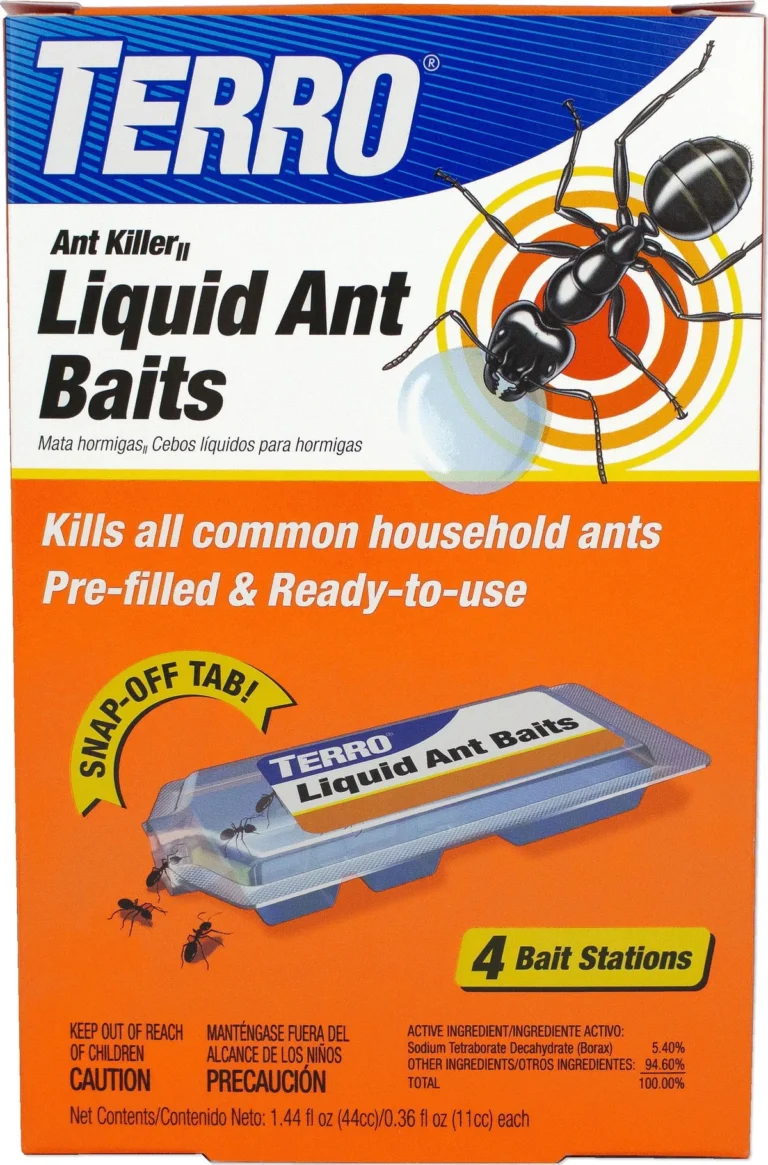
If you’ve got Terro Liquid Ant Killer running on your kitchen counter and a curious cat keeps sniffing at the little plastic station, you’ve probably typed “is…