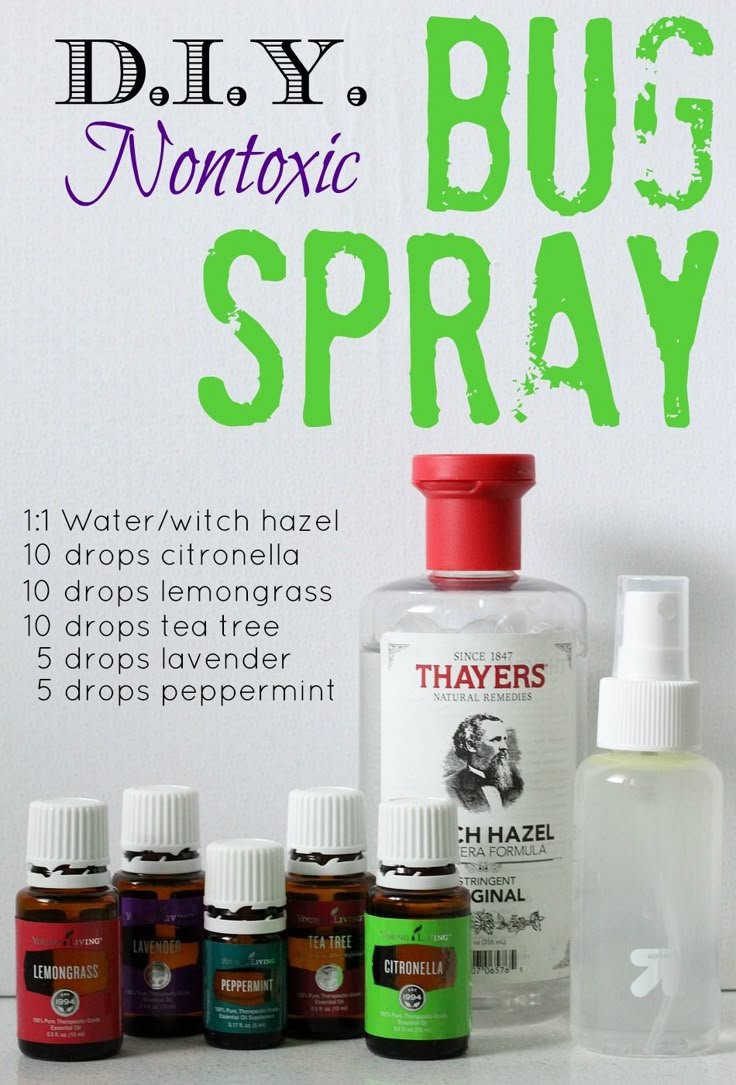
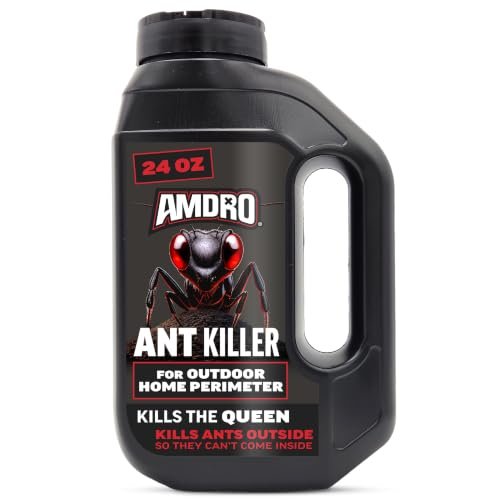
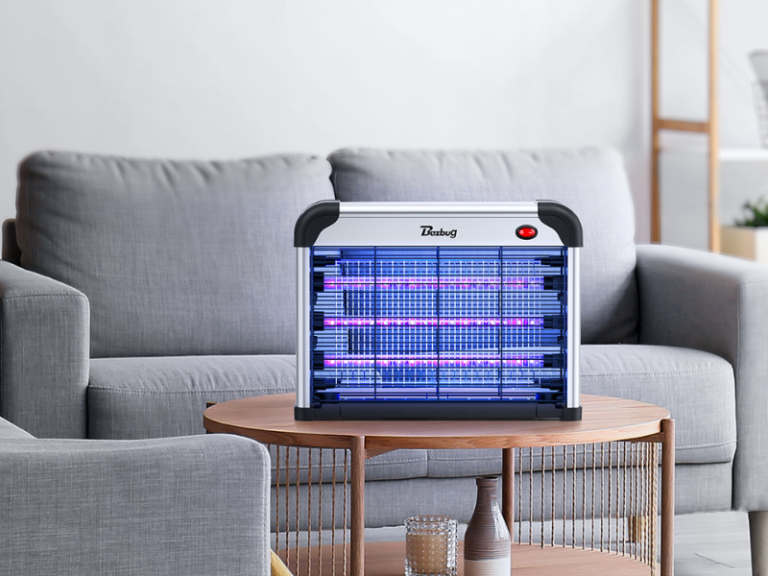
Bug spray can continue working after it dries because its active ingredients remain on the treated skin, clothing, or surface. Some ingredients repel insects by affecting their senses, while others kill insects when they touch the treated area. Drying removes much of the liquid carrier, but it does not always remove the active ingredient.
Across the United States, people use bug spray during backyard cookouts, camping trips, fishing days, gardening, and evening walks. Many wonder whether the product still protects them once the wet spray has dried. The answer depends on the type of spray, its active ingredient, and where it was applied.
A skin repellent such as DEET or picaridin works differently from a yard insecticide or a permethrin clothing treatment. Skin repellents create a chemical zone that makes it harder for biting insects to find and land on a person. Surface treatments may leave an active residue that affects insects when they contact it.
The key point is that dry does not always mean inactive. However, it also does not mean that a product will keep working forever. Sweat, rain, washing, sunlight, rubbing, and the type of treated surface can all affect how long the protection lasts.
Understanding this difference helps you use bug spray correctly. It also helps you avoid applying more product than needed or assuming that a dry treated surface is automatically safe for children and pets.
Source: storage.googleapis.com
How Does Bug Spray Work After It Dries?
Bug spray can keep working after it dries because the active ingredient does not always evaporate with the liquid. When you spray a product, it releases a mixture of active chemicals, water, solvents, and other ingredients. The liquid spreads over the target area and then begins to dry.
As the liquid carrier evaporates, some of the active ingredient remains behind. It may stay as a thin film on the skin, cling to clothing fibers, or form a residue on a treated surface. That remaining ingredient can continue to repel or affect insects.
Think of it like a thin layer of sunscreen. The product may no longer feel wet, but some of its ingredients are still present. The difference is that insect repellents use chemicals that interfere with how insects locate or approach a host.
The exact process depends on the formula. A mosquito repellent applied to exposed skin is designed to discourage bites. A contact insecticide applied to a crack or outdoor surface may affect insects that walk across the treated area.
Source: beyondthetent.com
The liquid carrier dries
Water or other liquid ingredients evaporate or settle, leaving the product’s active ingredients on the treated area.
The active ingredient remains
Depending on the formula, some of the active chemical stays on skin, clothing, or another treated surface.
Insects encounter the chemical
A repellent may interfere with insect senses, while a contact insecticide may affect the insect after it touches the treated area.
Protection gradually declines
Exposure to water, sweat, friction, sunlight, and normal wear can reduce the amount or activity of the remaining ingredient.
Does Drying Remove the Active Ingredient?
No. Drying does not automatically remove every active ingredient. The carrier and the active chemical behave differently, so the liquid may disappear while some of the pesticide remains.
For example, a DEET skin repellent can leave an active layer after the spray has dried. A permethrin clothing treatment can also remain attached to fabric after its application liquid has dried. These products have different purposes and must be used according to their own labels.
Some ingredients can evaporate, break down, or move away from a surface over time. Therefore, the amount that remains depends on the formula and the conditions around it.
Dry does not mean gone
A surface may look and feel dry while still carrying active chemical residue.
Dry does not mean permanent
The active ingredient can lose strength or be removed through normal exposure.
What Happens to Bug Spray During the Drying Process?
Bug spray goes through several changes between the moment you apply it and the moment it becomes dry. Understanding these changes explains why a product can remain useful without leaving a wet surface.
Most spray products contain an active ingredient and other materials that help spread it. Depending on the product, these other materials may include water, alcohol, oils, solvents, or substances that help the formula stick to a surface.
When the spray lands, small droplets spread across the target area. The carrier then evaporates or settles. The active ingredient may remain as a thin coating or become attached to the material that received the spray.
This process is not the same for every product. A water-based household insecticide, an alcohol-based skin repellent, and a fabric treatment can all dry at different rates. Their remaining chemicals also behave differently.
Source: detroitchinatown.org
Initial application
The spray creates a thin layer of liquid over the intended area. The product begins spreading across the surface.
Evaporation
Some liquid ingredients change into vapor and move into the surrounding air. Ventilation and temperature can affect this process.
Residue formation
Ingredients that do not evaporate immediately may remain on the treated area as a thin film or deposit.
Continued activity
The remaining active ingredient may continue to repel or affect insects, provided it stays effective and the insect encounters it.
Why Does Dry Bug Spray Sometimes Stop Working?
A dry spray can stop working when its active ingredient is removed, becomes less active, or no longer provides enough coverage. This can happen even when the treated area still looks unchanged.
For example, sweat can affect a skin repellent during a hot summer hike. Water can wash away some products, and clothing can rub against treated skin. A treated outdoor surface may also receive rain or strong sunlight.
The loss of protection may happen gradually. You cannot reliably judge the remaining effectiveness by looking at the surface or checking whether it still has a noticeable smell.
Water exposure
Rain, swimming, showering, and repeated washing can reduce protection, depending on the formula.
Friction
Towels, clothing, hands, and other surfaces can remove or spread the remaining product.
Chemical breakdown
Sunlight, heat, and environmental conditions may affect the active ingredient.
How Different Types of Bug Spray Work After Drying
The type of bug spray matters more than the fact that it has dried. Different active ingredients use different methods to prevent bites or control insects.
Some products are made to keep mosquitoes and ticks away from people. Others are made to kill insects that touch treated clothing, floors, walls, or outdoor surfaces. These products should never be treated as interchangeable.
The following comparison explains the main differences. It is a general guide, not a substitute for checking the exact product label.
Source: ccpi.com.ph
Skin repellents
Products containing DEET, picaridin, IR3535, or oil of lemon eucalyptus can continue repelling certain biting insects after drying.
Fabric treatments
Permethrin products are designed for certain clothing and gear. They can remain active after drying and affect insects that contact treated fabric.
Household insecticides
Some indoor sprays leave residues that control insects when they walk over treated areas. Others are intended for direct spraying and have different directions.
Outdoor insecticides
Some yard treatments leave deposits on plants or other surfaces. Their effectiveness and permitted use depend on the labeled pest, location, and application method.
DEET Bug Spray
DEET is one of the most widely used active ingredients in personal insect repellents. It helps prevent mosquitoes, ticks, and certain other biting insects from finding and approaching a person.
After a DEET product dries, some of the active ingredient remains on the treated skin or clothing. It can continue to affect how insects respond to the treated area. DEET is not mainly intended to kill mosquitoes after they land.
The length of protection depends on the product concentration, application, insect species, and environmental conditions. A higher concentration may provide longer protection, but it does not mean that the repellent becomes completely waterproof or lasts forever.
Main purpose
To repel biting insects rather than kill them.
After drying
The remaining active ingredient can continue providing protection.
What reduces protection
Sweat, water, rubbing, and insufficient coverage can shorten the useful protection period.
Picaridin Bug Spray
Picaridin is another common ingredient in EPA-registered personal repellents. It is used to protect against mosquitoes and ticks, among other insects listed on individual product labels.
A picaridin spray does not need to remain wet to work. Once the carrier dries, the active ingredient can remain on the treated skin and continue affecting insect behavior.
Its protection time varies by formula and concentration. Check the label instead of assuming that all picaridin products last for the same number of hours.
Main purpose
To make treated skin less attractive or easier for biting insects to avoid.
After drying
The active ingredient can continue working even when the skin no longer feels wet.
Important limit
The product must be labeled for the intended insect and application site.
Permethrin Bug Spray
Permethrin works differently from common skin repellents. It is an insecticide used in certain products to treat clothing, footwear, tents, and outdoor gear. It must not be applied directly to human skin as a repellent.
After a permitted fabric treatment dries, the chemical can remain associated with the fabric fibers. When an insect contacts the treated material, the ingredient can affect its nervous system. Depending on the insect and exposure, it may cause loss of coordination, paralysis, or death.
Some factory-treated clothing is designed to retain its treatment through multiple washes. Spray-on products may have different durability and washing instructions, so do not assume that every treatment lasts equally long.
The U.S. Environmental Protection Agency explains that permethrin-treated clothing protects the covered skin from the pests listed on the label. Separate skin repellent may still be needed for exposed areas.
Main purpose
To kill or repel certain insects that contact treated clothing or gear.
After drying
The active ingredient can remain on the fabric and continue affecting insects.
Safety rule
Use only products labeled for fabric treatment. Never use a clothing treatment on skin.
Household and Yard Insecticide Sprays
Household and outdoor insecticide sprays may use active ingredients that affect an insect’s nervous system or other biological processes. Some products kill insects when sprayed directly, while others leave a residual deposit.
A residual insecticide can continue affecting insects that crawl over a treated surface after it dries. The insect may pick up the active ingredient through its feet or body. The effect depends on the chemical, insect species, and amount of residue.
However, not every household spray is designed to leave a lasting residue. Some products work mainly through direct contact, while others are intended for specific cracks, crevices, or outdoor locations. The label tells you which use is permitted.
Residual action
The product leaves an active deposit that may affect insects after they contact a treated surface.
Direct-contact action
The product is designed to affect insects during or soon after direct application.
Use restrictions
A household or yard insecticide should never be applied to skin unless its label specifically allows that use.
Does Dry Bug Spray Still Repel Mosquitoes?
Yes. A properly applied mosquito repellent can continue working after it dries. The active ingredient may remain on the skin and interfere with the mosquito’s ability to locate a person.
Mosquitoes use several signals when searching for a host. These include carbon dioxide from breathing, body odors, heat, movement, and visual cues. Repellent ingredients affect insect senses and can make it harder for mosquitoes to find and approach a person.
This is why a mosquito repellent does not need to stay wet to provide protection. The remaining active ingredient can still influence mosquito behavior after the liquid carrier has dried.
However, drying alone does not guarantee that every part of your body is protected. If you miss your ankles, wrists, or another exposed area, mosquitoes may still bite there. Protection can also decline if you sweat heavily or get wet.
Source: storage.googleapis.com
Complete coverage
Apply the product to the exposed skin areas listed on the label. Missed areas can remain vulnerable.
Correct amount
Use enough to cover the intended area without excessive application.
Proper reapplication
Follow the label’s reapplication instructions, especially after water exposure or heavy activity.
Can Mosquitoes Bite Through Dried Bug Spray?
Mosquitoes can sometimes bite a person who has used bug spray. This does not always mean the product has failed. The repellent may have worn off, been applied unevenly, or been used at a concentration that provides a shorter protection period.
Some mosquitoes may also respond differently to a particular repellent. A product’s effectiveness depends on the active ingredient, the mosquito species, and the conditions in which it is used.
If mosquitoes keep biting, first check the label, coverage, and time since application. Reapply only as directed. Do not keep adding layers beyond the recommended amount.
Check missed areas
Look for exposed skin that did not receive the repellent.
Check water exposure
Swimming, sweating, or rain may have reduced protection.
Check the product
Confirm that the active ingredient and label claims cover mosquitoes.
How Long Does Bug Spray Work After It Dries?
There is no single time limit for all dried bug sprays. Some personal repellents provide protection for several hours, while certain surface treatments may remain active for a different period. The active ingredient, concentration, formula, target insect, and application conditions all matter.
A product that works for several hours on skin may not have the same useful life on clothing or outdoor surfaces. Likewise, a household insecticide designed for cracks and crevices should not be judged by the protection time of a mosquito repellent.
The most reliable source for the expected protection period is the product label. Manufacturers must support the insect-control claims made for EPA-registered products, and the label explains the approved use and application directions.
Source: storage.googleapis.com
Active ingredient
Different chemicals have different rates of evaporation, breakdown, and removal.
Concentration
For many personal repellents, concentration can affect how long protection lasts.
Application method
A thin, uneven layer may provide less reliable coverage than proper application.
Weather
Rain, humidity, heat, and direct sunlight can affect certain products.
Surface type
Skin, clothing, wood, grass, and other materials hold and release chemicals in different ways.
Does a Higher Concentration Last Longer?
For many personal repellents, a higher concentration can extend the length of protection. It does not necessarily make the product much better at repelling insects during the same period.
For example, DEET products with different concentrations may offer different protection times. However, using a stronger formula does not remove the need to follow reapplication directions.
A higher concentration is not automatically the best choice for every person or situation. Consider the expected time outdoors, the insects involved, and the product’s approved directions.
Long outdoor activities
A product with a longer labeled protection period may be useful when spending many hours outside.
Short outdoor activities
A shorter-duration product may be sufficient for a brief walk or yard task.
Avoid overuse
Never apply extra product simply because you want longer protection.
What Factors Affect Dried Bug Spray?
Several conditions can reduce the effectiveness of bug spray after it dries. Some remove the active ingredient, while others affect how well it stays on the surface or how insects respond to it.
The U.S. EPA identifies physical activity, perspiration, water exposure, air temperature, and individual differences in attractiveness to mosquitoes and ticks as factors that can affect repellent effectiveness.
This means two people using the same product may not experience exactly the same protection. It also explains why a spray that worked well during a calm evening may need different care during a hot, humid outdoor activity.
Source: beyondthetent.com
Sweating
Heavy perspiration can affect the amount of repellent remaining on the skin.
Rain and swimming
Water can remove some products or reduce their effectiveness.
Rubbing and friction
Clothing, towels, and repeated skin contact may disturb the protective layer.
Sunlight
Some active ingredients can break down when exposed to environmental conditions.
Temperature
Heat can affect evaporation and may change how a formula behaves.
Poor coverage
Untreated skin or surfaces may remain open to insect contact.
Does Rain Wash Away Dried Bug Spray?
Rain can reduce the effectiveness of dried bug spray, but the result depends on the product. Some repellents are more resistant to water than others. A standard spray may lose some protection after heavy rain or swimming.
Do not assume that a product remains fully effective just because it dried before the rain began. Check whether the label includes water-resistance information and explains when reapplication is needed.
If the product’s instructions call for reapplication after swimming or heavy sweating, follow those directions. Do not apply another coat until you have checked the recommended timing and maximum use instructions.
After swimming
Check the label for specific reapplication instructions.
After heavy rain
Consider whether the treated area received enough water to affect coverage.
Before reapplying
Use only the amount and frequency permitted by the product label.
Does Sunlight Make Bug Spray Stop Working?
Sunlight can affect certain pesticide ingredients over time. The process is often called photodegradation, which means that light helps break down a chemical.
The rate of breakdown depends on the active ingredient, the formula, and the surface. Some products may remain useful for a while after sunlight exposure, while others may lose activity more quickly.
A dry surface that has been exposed to direct sun should not automatically be treated as fully protected. Follow the product’s stated use period and do not rely on appearance alone.
Direct exposure
Outdoor surfaces in full sunlight may experience different conditions from shaded surfaces.
Product differences
Not all insecticides break down at the same rate.
Is Dried Bug Spray Still Toxic?
Dried bug spray can still contain active pesticide residue. Whether that residue presents a meaningful risk depends on the product, amount, exposure route, and person or animal exposed.
The word dry describes the condition of the liquid on a surface. It does not mean that every chemical has disappeared or that the surface is safe to touch, lick, or eat. Some insecticides are designed to remain active after drying.
Skin repellents approved for human use have specific directions for application. Household and yard insecticides have different exposure limits and permitted uses. Never assume that a spray is safe for skin simply because it no longer feels wet.
The National Pesticide Information Center explains that pesticide residues may remain on treated surfaces after drying. This is especially important around pets, which may lick, chew, or eat treated objects and plants.
Source: ccpi.com.ph
Skin exposure
Use only a personal repellent labeled for human skin and follow its application directions.
Surface exposure
Avoid unnecessary contact with treated areas, especially when the product label gives specific restrictions.
Accidental ingestion
Keep treated items and pesticide containers away from children and animals.
Inhalation
Avoid breathing spray mist during application and follow ventilation instructions.
Can You Touch a Surface After Bug Spray Dries?
The answer depends on the type of product and the surface that was treated. A personal repellent labeled for exposed skin is intended for that use, but a household insecticide may leave a residue that should not be touched unnecessarily.
Some indoor products require people and pets to stay away until the treated area is completely dry. Others have additional waiting periods or restrictions that remain in effect after drying.
Read the entire label before returning to a treated room or using a treated surface. If the label says to keep people away for a set period or until the area is dry, follow whichever requirement keeps you away longer.
Read the reentry directions
Check how long the product requires people to stay away from the treated location.
Avoid food surfaces
Never use a product on food preparation areas unless its label specifically permits that application.
Prevent transfer
Avoid touching treated areas and then touching food, your eyes, or your mouth.
Is Dried Bug Spray Safe Around Children and Pets?
A dry surface is not automatically safe for children or pets. Small children may touch treated areas and put their hands in their mouths. Pets may lick floors, chew plants, or rub against treated furniture.
The National Pesticide Information Center advises keeping children and pets away from pesticide-treated areas until the label’s required period has passed or the product has dried completely, whichever takes longer. Some products require additional precautions.
Remove pet bowls, toys, bedding, and food before applying a pesticide. Do not allow pets to walk through treated outdoor areas until the product label permits access.
Never use a human insect repellent on a pet unless its label clearly allows that animal use. A product designed for dogs may also be unsafe for cats or other animals.
For children
Keep children away during application and follow all label instructions before allowing them back into the area.
For dogs and cats
Prevent contact with treated surfaces until the stated waiting period has passed.
For pet belongings
Keep food bowls, water bowls, bedding, and toys away from pesticide application areas.
For accidental exposure
Follow the product’s first-aid instructions and contact a veterinarian or poison information service when needed.
How to Use Bug Spray Correctly After It Dries
Correct application helps a repellent work as intended and reduces unnecessary chemical exposure. Before using any spray, identify whether it is meant for skin, clothing, indoor surfaces, or outdoor pest control.
Do not judge a product by its smell or how quickly it dries. A strong smell does not prove that the spray is working, and a lack of smell does not prove that the active ingredient has disappeared.
For personal repellents, the goal is to create an even layer over exposed skin without excessive application. For surface treatments, the goal is to apply the product only where the label permits and allow the required drying time.
Source: storage.googleapis.com
Step 1: Read the label
Check the active ingredient, approved target insects, permitted application areas, and safety warnings.
Step 2: Prepare the area
Move food, drinks, pet bowls, toys, and other items away from areas that will be treated.
Step 3: Apply correctly
Use the amount and method stated on the label. Do not spray more than necessary.
Step 4: Allow it to dry
Wait for the drying time or other required waiting period before using the treated area.
Step 5: Monitor protection
Follow the label’s protection and reapplication instructions rather than relying on appearance.
Step 6: Clean up
Wash your hands after application and store the container safely.
How to Apply Personal Bug Repellent
For a personal insect repellent, apply the product only to exposed skin or clothing as directed. Do not apply it underneath clothing or to cuts, wounds, or irritated skin.
When using a spray on the face, do not spray directly into your face. Spray the product onto your hands first and then apply it carefully, avoiding the eyes and mouth.
If you use sunscreen and insect repellent together, apply sunscreen first and repellent second. Use separate products rather than assuming that a combined formula is suitable for every situation.
After returning indoors, wash treated skin and clothes according to the product instructions. This is especially useful after daily or repeated use.
Avoid overapplication
A heavy coating is not automatically more effective.
Protect sensitive areas
Keep the product away from the eyes, mouth, and irritated skin.
Follow reapplication timing
Use the label’s directions rather than applying the spray every time you notice an insect.
How to Apply Spray to Clothing and Gear
Only use products that specifically allow treatment of clothing or outdoor gear. Some personal repellents may be used on clothing, while permethrin products are designed for certain fabric treatments.
If using a permethrin spray, remove the clothing before application. Treat it only in the manner and location described on the label. Allow it to dry fully before wearing or handling it as directed.
Do not apply permethrin to skin. Also, avoid treating underwear or other items that the product label does not permit.
Treat the right material
Check whether the product is approved for the specific clothing or gear.
Allow full drying
Do not wear or handle treated fabric before the required drying period.
Wash as directed
Follow instructions about separate washing and the number of washes the treatment can withstand.
Signs That Bug Spray May Need Reapplication
There is no reliable visual test that proves a repellent has stopped working. A dry surface may still be protected, while a surface that looks unchanged may have lost some of its active ingredient.
Instead, use the label’s time limits and conditions. Heavy sweating, swimming, rain, or other water exposure may require attention sooner than normal.
If insects are biting through the expected protection period, check for missed spots, incorrect application, or a product that is not labeled for the target insect. Do not keep adding spray without checking the instructions.
The labeled protection period has ended
Follow the permitted reapplication schedule.
You have been swimming or sweating heavily
Check whether the label calls for another application.
The treated area was washed or rubbed
Consider whether the remaining coverage has been reduced.
Common Myths About Dried Bug Spray
Several common beliefs about dried bug spray can lead to poor application or unnecessary exposure. The biggest mistake is assuming that the product becomes completely harmless or completely ineffective once it dries.
The truth is more specific. Some products remain active after drying, some lose their useful effect over time, and some leave residues that still require careful handling.
Source: detroitchinatown.org
Myth: Dry Bug Spray No Longer Works
Fact: Many products remain active after drying because the active ingredient can stay on the treated surface.
Myth: Dry Bug Spray Is Completely Safe
Fact: Some insecticides leave residues after drying. Follow the product’s safety and reentry instructions.
Myth: A Strong Smell Means Strong Protection
Fact: Smell is not a reliable measure of insect-repellent effectiveness.
Myth: Every Bug Spray Kills Mosquitoes
Fact: Many personal repellents discourage mosquitoes rather than kill them.
Myth: One Application Lasts All Day
Fact: Protection varies by product, concentration, activity, weather, and water exposure.
Myth: You Can Use Any Bug Spray on Pets
Fact: Products have specific approved uses. A human repellent or household insecticide should not be used on animals unless the label clearly permits it.
Does Bug Spray Need to Stay Wet to Kill Insects?
No. Some insecticides can affect insects after the spray has dried. These products leave an active deposit that insects may encounter when they crawl over or touch the treated area.
However, this does not apply to every insecticide. Some products are designed mainly for direct contact, while others provide residual control. The label identifies the intended use.
Residual insecticides
Can continue affecting target insects after drying when they contact the treated surface.
Direct-contact products
May be designed mainly to affect insects during application rather than through a lasting surface deposit.
Does Bug Spray Stop Working When You Cannot Smell It?
No. A fading smell does not prove that the active ingredient has stopped working. Some ingredients have little noticeable odor, while others may lose their scent even though part of the active ingredient remains.
Likewise, a strong odor does not prove that a product still provides adequate protection. Use the labeled protection time and application directions instead of relying on smell.
Use the product label
Check the active ingredient and approved reapplication period.
Avoid extra spraying
Do not apply more product just because the original smell has faded.
When to Get Help After Bug Spray Exposure
Most people can use properly labeled personal insect repellents by following the directions, but accidental exposure can still happen. The risk depends on the ingredient, amount, and route of exposure.
If a product gets into the eyes, is swallowed, or causes a reaction, stop using it and follow the first-aid instructions on the label. Do not try home treatments that are not recommended for that specific chemical.
In the United States, Poison Control can be reached at 1-800-222-1222. For serious symptoms such as trouble breathing, seizures, or loss of consciousness, call 911. If a pet is exposed, contact a veterinarian or an animal poison control service.
Source: ccpi.com.ph
Skin irritation
Stop using the product and follow the label’s first-aid instructions. Seek medical advice if the reaction is severe or does not improve.
Eye exposure
Follow the label’s eye-rinse instructions and obtain medical advice when needed.
Swallowing the product
Contact Poison Control promptly. Do not induce vomiting unless a qualified professional tells you to do so.
Breathing difficulties
Move away from the exposure if it is safe and seek emergency medical help.
Pet exposure
Keep the animal away from the treated area and contact a veterinarian with the product label or container available.
What Information Should You Have Ready?
When contacting a medical professional, poison center, or veterinarian, keep the product container or label nearby. The exact product name and active ingredient can help them assess the exposure.
Explain how the exposure happened, when it occurred, and whether the product was wet or dry. Also mention the approximate amount involved and any symptoms.
Product name
Provide the exact brand and product name.
Active ingredient
Read the ingredient information from the container.
Exposure route
Explain whether the product touched skin, entered the eyes, was inhaled, or was swallowed.
Symptoms and timing
Describe what happened and when the symptoms began.
Frequently Asked Questions
Q
Does bug spray still work after it dries?
Yes. Many bug sprays continue working after they dry because their active ingredients remain on the treated skin, clothing, or surface. Skin repellents can continue discouraging insects, while certain insecticides can affect insects that touch the remaining residue.
The protection period depends on the product, active ingredient, application method, and environmental conditions. Follow the label for reapplication and safety instructions.
Q
How long does bug spray stay effective after drying?
There is no universal time limit. Some personal repellents protect for several hours, while certain fabric treatments and surface insecticides may remain active for different periods.
Sweat, rain, swimming, friction, sunlight, and washing can reduce effectiveness. Check the specific product label for its protection period and reapplication directions.
Q
Can mosquitoes bite through dried bug spray?
Mosquitoes can still bite if the repellent has worn off, was applied unevenly, or does not provide adequate protection against the insects in that area. Missed skin and water exposure can also reduce protection.
Check the active ingredient, coverage, and labeled protection time. Reapply only as directed rather than adding excessive amounts.
Q
Is dried bug spray harmful to humans?
It depends on the product and the type of exposure. A personal repellent used according to its label is intended for specific skin or clothing applications. Household and yard insecticides may leave residues that require different precautions.
Drying does not mean every active ingredient has disappeared. Avoid unnecessary contact with treated surfaces and follow the product’s safety directions.
Q
Can pets walk on floors after bug spray dries?
Only when the product label permits it. Some pesticides leave residues after drying, so pets may still be exposed by walking on, licking, or chewing treated surfaces.
The National Pesticide Information Center advises keeping pets away for the time stated on the label or until the product has dried completely, whichever takes longer. Some products require additional waiting time.
Q
Does dried bug spray kill insects that walk over it?
Some insecticides do. Residual products leave an active deposit that can affect insects when they touch the treated surface. The chemical may enter through contact and disrupt the insect’s normal biological functions.
Personal skin repellents usually work differently. Their main purpose is to discourage insects from approaching or biting a person, not to kill every insect that lands on treated skin.
Q
Should I reapply bug spray after it dries?
No. Drying by itself is not a reason to apply another coat. Many repellents are designed to continue working after the liquid carrier evaporates.
Reapply only when the product label says to do so. Water exposure, heavy sweating, and the stated protection period may affect when another application is needed.
Q
Does dried bug spray wash off with water?
Some dried repellents and insecticide residues can be removed or reduced by water, while others may remain attached to a surface for longer. The result depends on the active ingredient and formula.
Swimming, showering, rain, and washing clothes can affect protection. Check the label for water-resistance claims and instructions about reapplication or cleaning.
✦ Wrapping Up
Conclusion
Bug spray can continue working after it dries because the liquid carrier and the active ingredient do not always disappear at the same time. The carrier may evaporate, while some of the active chemical remains on the skin, clothing, or treated surface. That remaining ingredient can keep repelling insects or affecting them when they make contact.
The exact result depends on the type of product. DEET and picaridin are common personal repellents that interfere with insect behavior. Permethrin treatments work on certain fabrics and gear, while some household and yard insecticides leave residues that affect insects after contact.
Drying does not guarantee permanent protection or complete safety. Sweat, rain, washing, friction, sunlight, and other conditions can reduce effectiveness. Some pesticide residues may also remain after drying, so children and pets must stay away for the period stated on the label.
The safest approach is simple: choose a product made for your intended use, apply it as directed, allow the required drying time, and follow its reapplication and safety instructions. Do not rely on smell, appearance, or dryness alone to judge whether bug spray is still working.
💡 Key Takeaway
Before using bug spray, check its active ingredient and label. Confirm whether it is meant for skin, clothing, or surfaces. After application, allow it to dry as directed, keep children and pets away for the required period, and reapply only when the label says protection needs renewing.