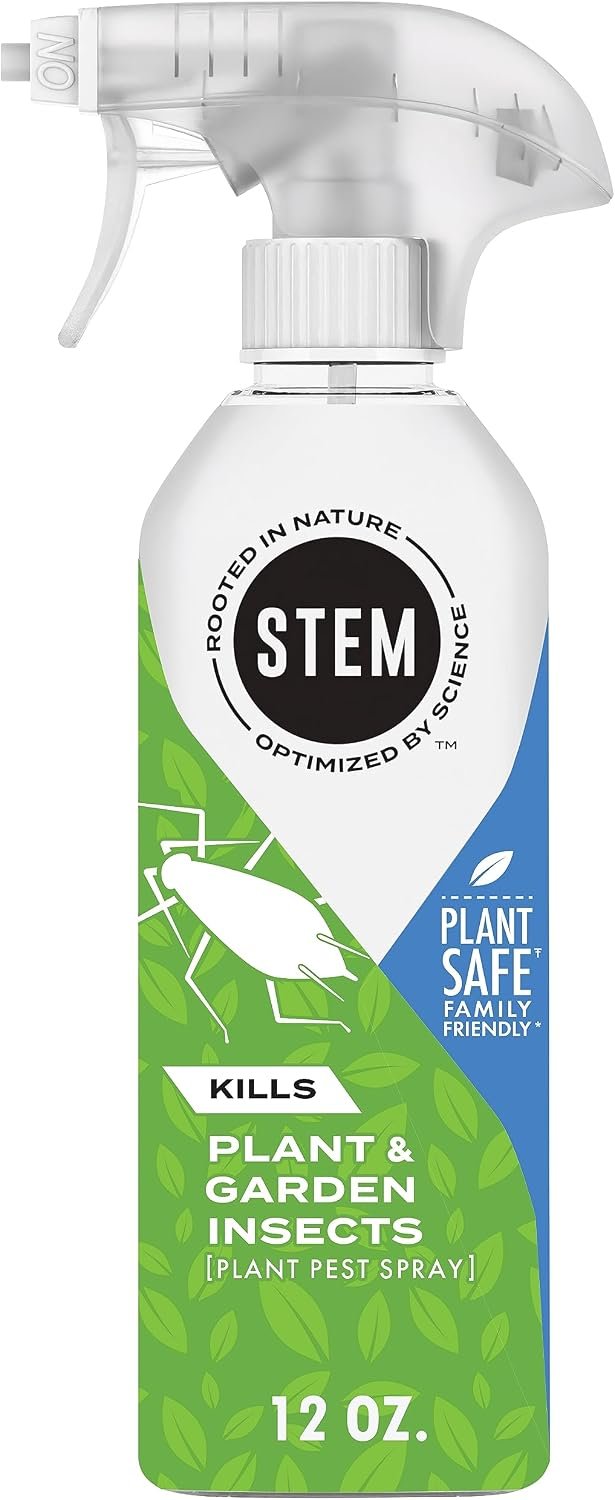
STEM bug spray can be harmful to humans if swallowed, inhaled in large amounts, or allowed to contact the eyes. However, many STEM household insect sprays are designed for use around people when applied exactly as directed. Their safety depends on the specific formula, exposure amount, and application method.
In American homes, bug sprays are often used to control ants, roaches, flies, mosquitoes, and other pests. STEM is one household insect-control brand that offers products made with ingredients such as essential oils. Its packaging may describe certain formulas as suitable for use around people and pets when used as directed. That statement does not mean the spray is safe to breathe, swallow, or apply directly to human skin.
The most important detail is that STEM sells different types of insect products. Some are designed for household pests, others target flying insects, and some are intended for plants or personal insect protection. Their ingredients and directions can differ. Therefore, checking the exact product label is more useful than treating every STEM spray as the same formula.
For most people, the safest approach is simple: use the correct product for the intended pest, avoid breathing the spray, keep children away during application, and follow the label’s instructions about ventilation and re-entry. If someone develops breathing trouble, severe irritation, or other concerning symptoms after exposure, medical advice is important.
Source: iheartpublix.com
Is STEM Bug Spray Toxic to Humans?
Yes, STEM bug spray can be toxic to humans under certain exposure conditions. However, the risk is not the same for every product or every situation. A small accidental exposure to a household spray does not automatically mean someone will develop poisoning.
STEM markets several insect-control products with different formulas. Certain household products use plant-derived ingredients, including geraniol and lemongrass oil. Other products may contain different active ingredients and additional substances that help the spray work.
The phrase safe for use around people generally refers to normal use under the conditions stated on the product label. It does not mean that the liquid is safe to swallow or that people can remain in a heavy spray cloud.
The amount of product, length of exposure, route of exposure, and person’s health all affect the risk. A person who briefly smells a small amount of spray may have a different response from someone who sprays a large amount in a closed bedroom.
Source: cdn11.bigcommerce.com
Low exposure
Brief exposure during proper application may cause no noticeable effects, although sensitive people can still experience mild irritation.
Moderate exposure
Breathing a concentrated spray or getting it on the skin may cause coughing, discomfort, redness, or irritation.
High exposure
Swallowing the product, substantial inhalation, or serious eye exposure can require prompt medical assessment.
Does Natural Mean Non-Toxic?
No. Natural does not always mean harmless. Plant oils and other naturally occurring substances can irritate the skin, eyes, and airways. Their effects depend on the chemical, concentration, and amount of exposure.
For example, geraniol is a plant-derived fragrance and insect-control ingredient. Lemongrass oil is also used in certain insect-control formulas. Both can still cause irritation in some people.
Think of natural ingredients like other household substances: their source does not determine whether they are safe to drink, inhale, or touch without limits.
Check the active ingredients
Read the ingredient panel rather than relying only on words such as natural, botanical, or essential oil.
Follow the complete label
The directions and precautionary statements explain how to reduce exposure.
What Ingredients in STEM Bug Spray Can Affect Human Health?
The ingredients in a STEM spray determine its potential health effects. Some household insect killers use geraniol and lemongrass oil as active ingredients. Other ingredients may include mineral oil, alcohol-based substances, or other solvents that help distribute the formula.
For example, a documented STEM Multi Insect Killer formula lists geraniol at 0.25% and lemongrass oil at 0.25%. Its other ingredients make up the remaining 99.50%. Another documented STEM formula lists geraniol at 6.3% and lemongrass oil at 0.5%. These differences show why one product’s ingredient list should not be used to describe the entire brand.
The percentages alone do not establish the overall risk of exposure. The way a product is used, the amount that reaches the body, and the other ingredients also matter.
Source: m.media-amazon.com
Geraniol
A plant-derived compound used in some insect-control products. It may irritate sensitive skin or eyes and can cause an unwanted reaction in some individuals.
Lemongrass oil
An essential oil used in certain STEM formulas. Direct contact or inhalation of concentrated droplets may cause irritation.
White mineral oil
An ingredient found in some formulas. Its presence does not make the finished spray suitable for ingestion or inhalation.
Other formulation ingredients
Alcohols, esters, fragrances, and other substances may affect irritation, flammability, or exposure risk. Check the exact label for the product being used.
Why the Exact STEM Product Matters
STEM indoor insect killers, plant sprays, flying-insect sprays, and personal repellents should not be treated as interchangeable. A personal mosquito repellent, for example, may contain picaridin, while a household insect killer may use plant-derived ingredients.
A product containing picaridin is intended for a different type of application than a spray designed to kill insects on household surfaces. Applying one product according to another product’s directions can create unnecessary exposure.
Before using any STEM product, check its full name, active ingredients, EPA registration information when applicable, intended application site, and first-aid instructions.
Household insect killer
Use only on the pests and surfaces listed on its label.
Plant insect spray
Follow the directions for the specified plants and avoid treating it as a personal repellent.
Personal insect repellent
Follow the skin application limits and restrictions printed on its own label.
What Happens If You Breathe in STEM Bug Spray?
Breathing in STEM bug spray can irritate the nose, throat, and lungs. The chance of a reaction increases when someone sprays too much product in a small room or stays close to the spray cloud.
A brief accidental exposure may cause no symptoms or only temporary discomfort. However, concentrated exposure can lead to coughing, sneezing, throat irritation, headache, or breathing discomfort.
The risk also depends on the formula. Some sprays contain substances that evaporate or form airborne droplets. Inhaling those substances may create problems even when the active insect-control ingredients are plant-derived.
People with asthma or other breathing conditions should take extra care. A spray that causes little discomfort for one person may trigger coughing or wheezing in someone with sensitive airways.
Source: m.media-amazon.com
Coughing
The spray may irritate the lining of the respiratory tract.
Sneezing and a runny nose
Airborne droplets or fragrance ingredients may irritate the nose.
Throat irritation
A concentrated spray cloud can cause a scratchy or uncomfortable feeling.
Wheezing or shortness of breath
These symptoms deserve prompt medical attention, particularly in someone with asthma.
What to Do After Inhaling STEM Spray
Move away from the treated area immediately and get fresh air. Do not remain in the room to finish spraying or clean the area while breathing the airborne product.
If possible, ventilate the room from a safe position by opening doors or windows. Follow the product label before returning to the treated space. Do not assume that the absence of a strong smell means the air is safe.
If coughing, dizziness, or irritation continues, contact a medical professional or Poison Control. Call emergency services if breathing becomes difficult, someone collapses, or consciousness changes.
Mild discomfort
Get fresh air, stop further exposure, and monitor how you feel.
Persistent symptoms
Contact a healthcare professional or Poison Control for product-specific advice.
Severe symptoms
Call 911 in the United States for serious breathing problems, collapse, or seizures.
Can STEM Bug Spray Cause Skin or Eye Irritation?
Yes. Direct contact with STEM bug spray may irritate the skin or eyes. The reaction depends on the ingredients, exposure time, amount of product, and individual sensitivity.
Skin exposure may cause redness, itching, burning, or discomfort. Some plant-derived oils and other formulation ingredients can irritate sensitive skin. Repeated contact may increase the chance of an unwanted reaction.
Eye exposure deserves special care because even a small amount of spray can cause watering, redness, stinging, or pain. Do not rub the eyes after exposure because rubbing may make irritation worse.
A household insect killer should never be applied directly to human skin unless its own label specifically allows that use. A product made for treating household surfaces is not automatically suitable as a body spray.
Source: di2ponv0v5otw.cloudfront.net
Skin redness
The affected area may become red or uncomfortable after direct contact.
Itching or burning
Irritating ingredients may cause a temporary skin reaction.
Watery eyes
Spray droplets may cause tearing and irritation.
Eye pain or blurred vision
These symptoms require prompt medical assessment, especially if they continue after rinsing.
How to Remove STEM Spray From Your Skin
Stop using the product and remove contaminated clothing. Wash the affected skin with plenty of water and soap, following the product’s first-aid instructions.
Avoid using alcohol, strong cleaners, or other chemicals to remove the spray. These substances may irritate the skin further.
If redness, burning, swelling, or itching continues, seek medical advice. Keep the product container or a photograph of its label available so the healthcare provider can identify the formula.
Remove contamination
Take off clothing or accessories that have been exposed to the spray.
Wash the area
Use plenty of clean water and soap.
Watch for symptoms
Get medical advice if irritation persists or becomes more severe.
What If STEM Spray Gets Into Your Eyes?
Begin rinsing the eye immediately with clean, gently flowing water. Continue flushing for 15 to 20 minutes unless the product label or a medical professional gives different instructions.
Remove contact lenses if they are easy to take out while rinsing. Do not put eye drops or other substances into the eye unless a healthcare professional recommends them.
Seek medical advice if pain, redness, watering, or blurred vision continues. Bring the product label when possible.
Rinse immediately
Use clean running water rather than rubbing the eye.
Avoid self-treatment
Do not use household cleaning products or unapproved eye remedies.
Is STEM Bug Spray Dangerous If Swallowed?
Swallowing STEM bug spray can be dangerous and should be treated as a possible poisoning exposure. Even if a product uses essential oils, it is not made for human consumption.
The effects depend on the exact formula and the amount swallowed. Possible problems include mouth or throat irritation, nausea, vomiting, and stomach discomfort. Some formulations may contain ingredients that create additional risks if swallowed.
Never assume that a small taste is harmless. Children may accidentally drink insect spray if it is left within reach or placed in an unmarked container.
Do not make the person vomit unless a qualified medical professional or Poison Control specifically instructs you to do so. Vomiting can create additional problems, especially if the product enters the lungs.
Source: m.media-amazon.com
Do not induce vomiting
This may increase the risk of inhaling the product into the lungs.
Contact Poison Control
Call 1-800-222-1222 in the United States for immediate guidance.
Keep the container
Provide the exact product name, ingredient list, and estimated amount swallowed.
Seek emergency care
Call 911 if the person has trouble breathing, collapses, has a seizure, or cannot be awakened.
Why Children Face a Greater Accidental Exposure Risk
Young children may mistake a colorful insect spray bottle for an ordinary household product. They may also touch treated surfaces and put their hands into their mouths.
Store STEM products in their original containers, with the labels intact. Keep them locked away or in a secure location that children cannot reach.
Never transfer bug spray into drinking bottles, food containers, or unmarked spray bottles. Clear labeling helps prevent accidental use and makes emergency identification easier.
Secure storage
Keep all insect-control products away from children’s reach.
Original packaging
Keep the product in its original labeled container.
Adult supervision
Do not allow children to handle or apply household insecticides.
Is STEM Bug Spray Safe to Use Indoors?
Some STEM insect sprays are labeled for indoor use, but that does not mean every product can be sprayed anywhere inside a home. The product label determines which rooms, surfaces, and application methods are permitted.
Using an indoor-labeled product as directed can reduce unnecessary exposure. However, spraying near food, dishes, children’s toys, bedding, or areas where people prepare meals can create avoidable contact with the product.
A small room with poor airflow may allow airborne droplets and odors to remain longer than an open, well-ventilated area. Avoid spraying near people, and leave the treated space when the directions require it.
Never use a product labeled for outdoor or plant use indoors unless its instructions specifically permit indoor application. The words indoor and outdoor on a different product do not change the rules for the bottle you have.
Source: cdn11.bigcommerce.com
Read the application directions
Confirm that the exact product is approved for indoor use and check the permitted application sites.
Protect food and utensils
Remove or cover food, dishes, and food preparation equipment as directed by the label.
Keep people away
Prevent children and other household members from entering the application area during spraying.
Ventilate when directed
Follow the label’s instructions for ventilation and returning to the treated area.
Can You Sleep in a Room After Spraying STEM?
Do not sleep in a recently treated room until the product label’s re-entry and ventilation instructions have been met. There is no single waiting period that applies to every STEM spray.
The correct time depends on the formula, application amount, room conditions, and product directions. Some products may have specific instructions about keeping people away until the spray has dried.
If the room still has a strong spray odor or causes coughing or irritation, leave it and seek advice before returning. A lack of odor alone does not prove that all exposure risks have ended.
Check the label
Use the exact re-entry instructions for your product.
Allow ventilation
Open windows or doors when permitted and follow the label’s ventilation requirements.
Avoid direct contact
Do not sleep on treated bedding or touch treated surfaces unless the label permits it.
How to Use STEM Bug Spray More Safely
The safest way to use STEM bug spray is to follow the instructions for the exact product rather than relying on general insecticide advice. A few simple steps can help reduce exposure while still allowing the product to control the listed pests.
Before spraying, identify the insect and confirm that the product is designed to kill it. Then check the application location, precautions, and first-aid section.
Use only the amount directed. More spray does not necessarily provide better pest control, but it can increase the amount of product that reaches people, pets, and household surfaces.
Source: m.media-amazon.com
Read the full label
Review active ingredients, directions, warnings, first aid, storage, and disposal instructions before use.
Prepare the area
Move people and pets away and protect food, dishes, and other items according to the label.
Avoid the spray cloud
Do not stand directly in front of the nozzle or spray toward your face.
Apply only as directed
Use the recommended amount and avoid unnecessary repeated applications.
Follow re-entry instructions
Keep people away until the label’s requirements have been met.
Store it safely
Keep the original container closed and stored according to its instructions.
What to Do Before Applying the Spray
Start by checking the label for the pest and location you want to treat. If the product is intended for plants, do not assume it can be used on kitchen counters, furniture, or other household surfaces.
Remove exposed food and protect surfaces that should not receive the spray. If the label requires gloves or other protective equipment, use the specified items.
Do not apply insecticide in windy conditions or near open flames when the formula contains flammable ingredients. Check the warning panel for additional precautions.
Confirm the target
Make sure the product lists the insect you want to control.
Check the location
Confirm that the intended surface or room is an approved application site.
Plan for ventilation
Make sure you can follow the required ventilation instructions.
What to Do After Applying the Spray
Put the bottle away as directed and wash your hands after handling it. Do not touch your face, food, or personal items with contaminated hands.
Keep people away from the treated area for the period stated on the label. If clothing becomes contaminated, remove and wash it separately according to the product instructions.
If you notice unusual symptoms after application, stop using the spray and move to fresh air. Keep the product container available when seeking medical advice.
Wash your hands
Use soap and water after handling the product.
Check treated surfaces
Follow the label before allowing food, toys, or other items to contact the area.
Monitor for reactions
Seek advice if unexpected symptoms develop.
Who Should Be Extra Careful Around STEM Bug Spray?
People with asthma, sensitive airways, skin allergies, or a history of reactions to fragrances should take extra care around insect sprays. This does not mean every person in these groups will have a reaction, but their symptoms may be triggered by airborne droplets or irritating ingredients.
Young children also need extra protection because they may touch treated surfaces or accidentally put contaminated hands in their mouths. Older adults and people with existing health problems may need additional care depending on their condition and exposure.
Pregnant people should follow the product label and avoid unnecessary pesticide exposure. If frequent indoor treatment is needed, consider asking a healthcare professional or qualified pest-control provider about suitable options.
Source: m.media-amazon.com
People with asthma
Avoid spray clouds and leave the area if coughing, wheezing, or breathing discomfort begins.
People with sensitive skin
Avoid direct contact and wash exposed skin promptly.
Young children
Keep them away during application and until the label permits their return.
Pregnant people
Reduce unnecessary exposure and ask a healthcare professional about specific concerns.
Can STEM Bug Spray Trigger Asthma?
Aerosol droplets, fragrance ingredients, and other airborne substances may irritate the airways and trigger asthma symptoms in sensitive people. The exact risk depends on the product formula and the person’s sensitivity.
If you have asthma, avoid being present while household insecticide is applied. Follow the product’s ventilation and re-entry instructions before returning to the treated space.
Seek medical help if you develop wheezing, chest tightness, or shortness of breath. Severe breathing difficulty is an emergency.
Avoid direct exposure
Ask another adult to apply the product when appropriate.
Keep medication accessible
Follow your existing asthma action plan and prescribed treatment instructions.
Get help for severe symptoms
Call emergency services if breathing becomes seriously difficult.
What Are the Signs of Bug Spray Poisoning?
The signs of insecticide exposure depend on the product, amount, and route of contact. Mild reactions may include skin irritation, coughing, sneezing, watery eyes, or nausea.
More serious exposure can cause persistent vomiting, dizziness, muscle twitching, or significant breathing problems. Some insecticide ingredients can affect the nervous system at sufficiently high exposure levels.
These symptoms are not specific to STEM products. They can occur with different insecticides and other household chemicals. A healthcare professional or Poison Control specialist can help assess the exposure based on the exact product.
Do not wait for symptoms to become severe before asking for advice after a suspected swallowing exposure or substantial inhalation.
Source: m.media-amazon.com
Mild possible symptoms
Skin redness, eye watering, sneezing, coughing, or temporary throat irritation.
More concerning symptoms
Persistent headache, dizziness, nausea, vomiting, or unusual weakness.
Emergency symptoms
Severe breathing difficulty, seizures, collapse, or loss of consciousness.
When Should You Call Poison Control?
In the United States, Poison Control can be reached at 1-800-222-1222. The service provides guidance for suspected poisoning and accidental chemical exposure.
Call if someone swallows STEM spray, gets a significant amount in the eyes, or experiences symptoms after inhaling the product. Have the container or label ready so the specialist can identify the ingredients.
For severe symptoms, call 911 rather than waiting for a Poison Control consultation. If possible, bring the product container or a clear photograph of its label to the emergency department.
Poison Control
Call 1-800-222-1222 in the United States for exposure guidance.
Emergency services
Call 911 for seizures, collapse, unconsciousness, or serious breathing difficulty.
Product information
Provide the product name, active ingredients, exposure route, and approximate amount.
STEM Bug Spray Safety Compared With Other Household Insecticides
STEM products that use essential oils may have a different ingredient profile from conventional insecticides that contain synthetic active ingredients. However, a different ingredient profile does not automatically prove that one product is safer in every situation.
Some conventional insecticides use pyrethrins or synthetic pyrethroids. These substances affect insect nervous systems, but exposure can also cause human irritation and, at sufficiently high levels, more serious effects.
The National Pesticide Information Center explains that pyrethrins generally have low toxicity to people and other mammals, although skin irritation and respiratory symptoms can occur. This illustrates why the name of an ingredient alone is not enough to determine the risk of a finished spray.
The most useful comparison is the exact product label, its intended application, and the precautions required. A properly used insecticide is generally preferable to an unsuitable product applied in the wrong place.
Source: cdn11.bigcommerce.com
STEM essential-oil formulas
Some products use ingredients such as geraniol and lemongrass oil. These substances can still cause irritation or unwanted reactions.
Pyrethrin products
These contain insecticides derived from chrysanthemum flowers and may cause skin or respiratory irritation.
Synthetic pyrethroid products
These use man-made insecticides related to pyrethrins. Exposure risk depends on the specific chemical and formulation.
Personal repellents
These are formulated for application to people according to their own label instructions and should not be confused with household insect killers.
Is STEM Automatically Safer Than Chemical Bug Spray?
No. Calling a product plant-based or essential-oil-based does not establish that it is safer than every conventional insecticide. Safety depends on the chemical ingredients, their concentrations, the application method, and the amount of exposure.
For example, a household spray containing essential oils may irritate a person who is sensitive to fragrances. A different insecticide may have other hazards, including risks from inhalation or accidental swallowing.
Choose a product that is approved for the pest and location you need to treat. Compare the full label precautions rather than choosing only by words such as natural, botanical, or chemical-free.
Compare the formulas
Review the active and other ingredients.
Compare the application rules
Check indoor use, ventilation, protective equipment, and re-entry instructions.
Consider personal sensitivity
Avoid ingredients that have caused you irritation or allergic reactions in the past.
Common Mistakes That Increase Exposure to STEM Bug Spray
Most avoidable exposure problems happen when people use insect sprays without checking the label. A product that works well against insects can still create unnecessary human exposure when it is applied incorrectly.
Using too much spray is one common mistake. Another is treating an outdoor product as an indoor product or assuming that a plant spray can be used on household surfaces.
Keeping the spray near food or allowing children to handle it also creates preventable risks. Good storage and careful application are just as important as choosing the right insect killer.
Source: m.media-amazon.com
Spraying in a closed room
Poor airflow can increase exposure to airborne droplets and vapors.
Using too much product
Excessive application can increase contact with the spray without improving pest control.
Ignoring the product label
Different STEM formulas have different approved uses and safety instructions.
Spraying near food
Food and kitchen equipment may become contaminated if they are not protected as directed.
Using a household killer on skin
A household insect killer is not automatically a personal insect repellent.
Storing the product carelessly
Leaving insect spray near children, pets, food, or heat sources increases avoidable risks.
Can You Spray STEM Bug Killer on Bedding or Clothing?
Do not spray bedding, clothing, mattresses, or other fabrics unless the exact product label specifically permits that application. A claim about use on common household surfaces does not automatically include every fabric or item.
If you need to control bed bugs, fleas, or other pests in sleeping areas, use a product specifically labeled for that pest and application site. Some insecticides can leave residues that should not contact skin or bedding.
When in doubt, use nonchemical pest-control steps or contact a licensed pest-control professional for guidance.
Check fabric restrictions
Look for explicit permission before treating clothing, upholstery, or bedding.
Avoid skin contact
Do not sleep on or wear treated items unless the label allows it.
How to Choose and Store STEM Bug Spray Safely
Choosing the correct STEM product starts with identifying the pest and the location that needs treatment. A spray intended for flying insects may not be the right choice for ants or roaches, and a plant treatment may have different restrictions from a household insect killer.
Read the product label before buying or applying it. Check the active ingredients, intended use, precautionary statements, and first-aid instructions. If the label is damaged or missing, do not guess how to use the product.
Store insect spray in its original container with the cap secured. Follow the storage instructions and keep the product away from children, pets, food, excessive heat, and open flames where applicable.
Source: iheartpublix.com
Match the pest
Choose a formula that specifically lists the insect you need to control.
Match the location
Confirm that the product is approved for the intended indoor, outdoor, or plant application.
Read the warnings
Review any restrictions on ventilation, protective equipment, and treated surfaces.
Store securely
Keep the original bottle closed and out of reach of children.
What If the STEM Product Label Is Missing?
Do not use an unidentified STEM spray when you cannot confirm its ingredients and intended application. Different products from the same brand can have different formulas and safety precautions.
Try to identify the product from its complete name, container design, EPA registration number when applicable, or manufacturer information. Do not rely on a photograph of a different STEM product.
If you cannot verify the product, contact the manufacturer or a qualified pest-control professional. For suspected exposure, contact Poison Control and explain that the complete product identity is uncertain.
Do not guess
Never apply an unidentified insecticide based on assumptions about the brand.
Identify the formula
Look for the exact product name and ingredient information.
Ask for help
Contact the manufacturer or a qualified professional if the label cannot be recovered.
Frequently Asked Questions
Q
Can the smell of STEM bug spray make you sick?
Yes, the smell or airborne ingredients may cause discomfort in sensitive people. Possible reactions include headache, nausea, coughing, sneezing, and throat irritation. The smell alone cannot tell you how much exposure has occurred. Move to fresh air if the odor causes symptoms and follow the product’s ventilation instructions.
Q
Is STEM bug spray safe around babies?
Keep babies away during application and until the exact product label permits people to return. Babies may touch treated surfaces and put their hands in their mouths. Never spray an insect killer directly on a baby, crib, toys, or clothing unless the product specifically allows that use. Store all insecticides securely.
Q
How long does STEM bug spray remain dangerous after spraying?
There is no single safe waiting period for every STEM product. The answer depends on its ingredients, application amount, surface, and label instructions. Some products have specific drying or re-entry directions. Follow those directions and ventilate the area as instructed. Do not assume that a spray becomes harmless as soon as its smell disappears.
Q
Can you touch surfaces after using STEM bug spray?
Only touch treated surfaces when the product label allows it. Some products are intended for targeted application and may have directions about drying or avoiding contact. Keep children away from treated surfaces until the specified conditions are met. Wash exposed skin if accidental contact occurs.
Q
Is STEM bug spray cancer-causing?
There is not enough product-specific evidence to claim that all STEM bug sprays cause cancer or that every formula has no possible long-term risk. STEM products have different ingredients, so their safety cannot be judged as one group. Follow the label, reduce unnecessary exposure, and consult the manufacturer or a qualified health professional about a specific ingredient.
Q
What should I do if I accidentally spray STEM bug killer on my face?
Stop spraying and move away from the product. If it contacts your skin, wash the area with plenty of water and soap. If it gets into your eyes, rinse gently with clean running water for 15 to 20 minutes and seek medical advice if symptoms continue. Contact Poison Control for product-specific instructions.
Q
Can you use STEM bug spray every day?
Use the product only as often as its label permits. Daily application is not automatically safe or necessary. Repeated use may increase the chance of skin contact, inhalation, and surface contamination. If pests keep returning, identify the source of the infestation instead of simply applying more spray.
Q
Does STEM bug spray contain pyrethroids?
Some documented STEM household insect-killer formulas use geraniol and lemongrass oil rather than pyrethroids. However, the brand offers multiple products with different ingredients. Check the active ingredient panel on your exact bottle before deciding whether it contains pyrethrins, pyrethroids, picaridin, or plant-derived compounds.
✦ Wrapping Up
Conclusion
So, is STEM bug spray toxic to humans? It can be harmful under certain conditions, especially when someone swallows it, breathes in a concentrated spray, or gets it directly into the eyes. However, some STEM household insect-control products are designed for use around people when applied according to their labels.
The key is to understand that plant-based ingredients are not automatically harmless. Geraniol, lemongrass oil, and other formulation ingredients can cause irritation or unwanted reactions. Different STEM products also have different formulas, so the exact bottle matters.
For safer use, read the full label, avoid spraying near people, protect food and personal items, ventilate as directed, and keep children away during application. If exposure causes symptoms, stop using the product and seek appropriate medical advice.
The best way to reduce risk is not to avoid every insect-control product without understanding it. Instead, choose the right formula, use only the directed amount, and prevent unnecessary contact with people and pets.
💡 Key Takeaway
Before using STEM bug spray, check its exact active ingredients and first-aid instructions. Never inhale or swallow the product, keep children away during application, and call Poison Control at 1-800-222-1222 in the United States if accidental exposure occurs.
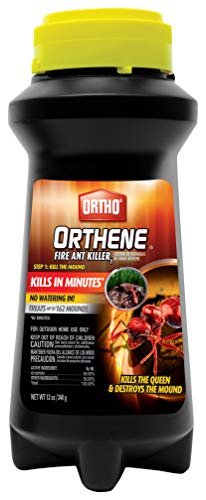
Does Orthene Fire Ant Killer kill roaches? Learn how acephate affects roaches, why fire ant formulas differ, safety limits, and better roach control options.
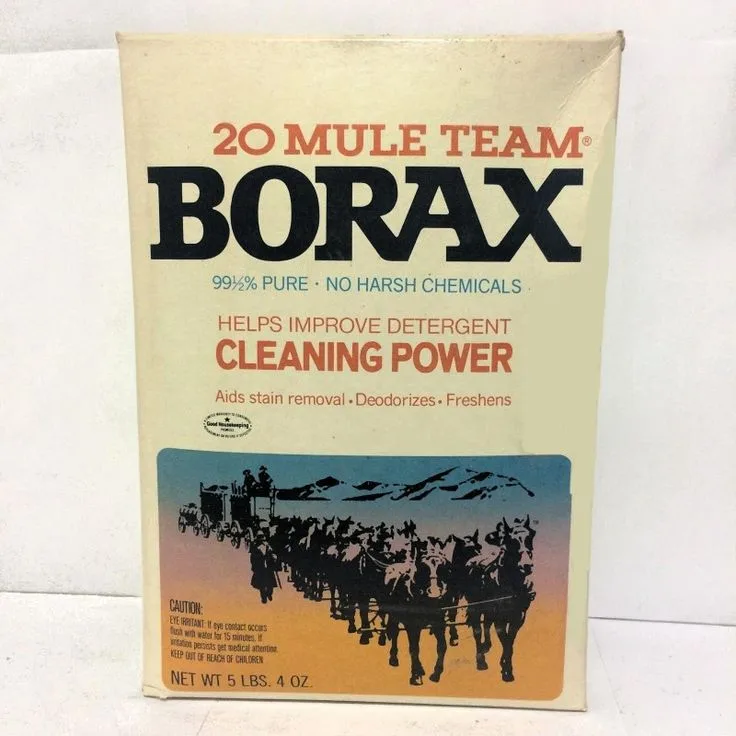
You’ve got a line of ants on the counter and you’re figuring out how to use borax as ant killer without turning your kitchen into a spray zone. It’s a fair…