Yes, there are bug sprays made specifically for bed bugs. Some kill bed bugs on contact, while others provide longer-lasting control. However, no single spray is guaranteed to eliminate an entire infestation. The best approach combines an EPA-registered bed bug pesticide with cleaning, heat treatment, careful inspection, and continued monitoring.
Bed bugs are a common household pest concern in the United States. They can enter homes through luggage, used furniture, clothing, and other personal items. Once inside, they hide in mattress seams, bed frames, furniture joints, and small cracks near sleeping areas. Finding them can be stressful, especially when bites appear night after night.
Fortunately, several insecticide sprays are designed to control bed bugs indoors. Products sold in the United States may contain active ingredients such as pyrethroids, neonicotinoids, or other approved insecticides. Some products kill exposed bugs quickly, while others leave a residue that can kill insects that cross treated areas. The right choice depends on the product label, the location being treated, and the type of infestation.
A spray bottle alone is rarely enough. Bed bugs can hide deep inside furniture and wall gaps, where a surface spray may not reach. Some populations also resist common insecticides. This guide explains which types of sprays are available, how they work, how to choose one, and how to use them as part of a safer home treatment plan.
Source: amazon.co.uk
Is There a Bug Spray Specifically Made for Bed Bugs?
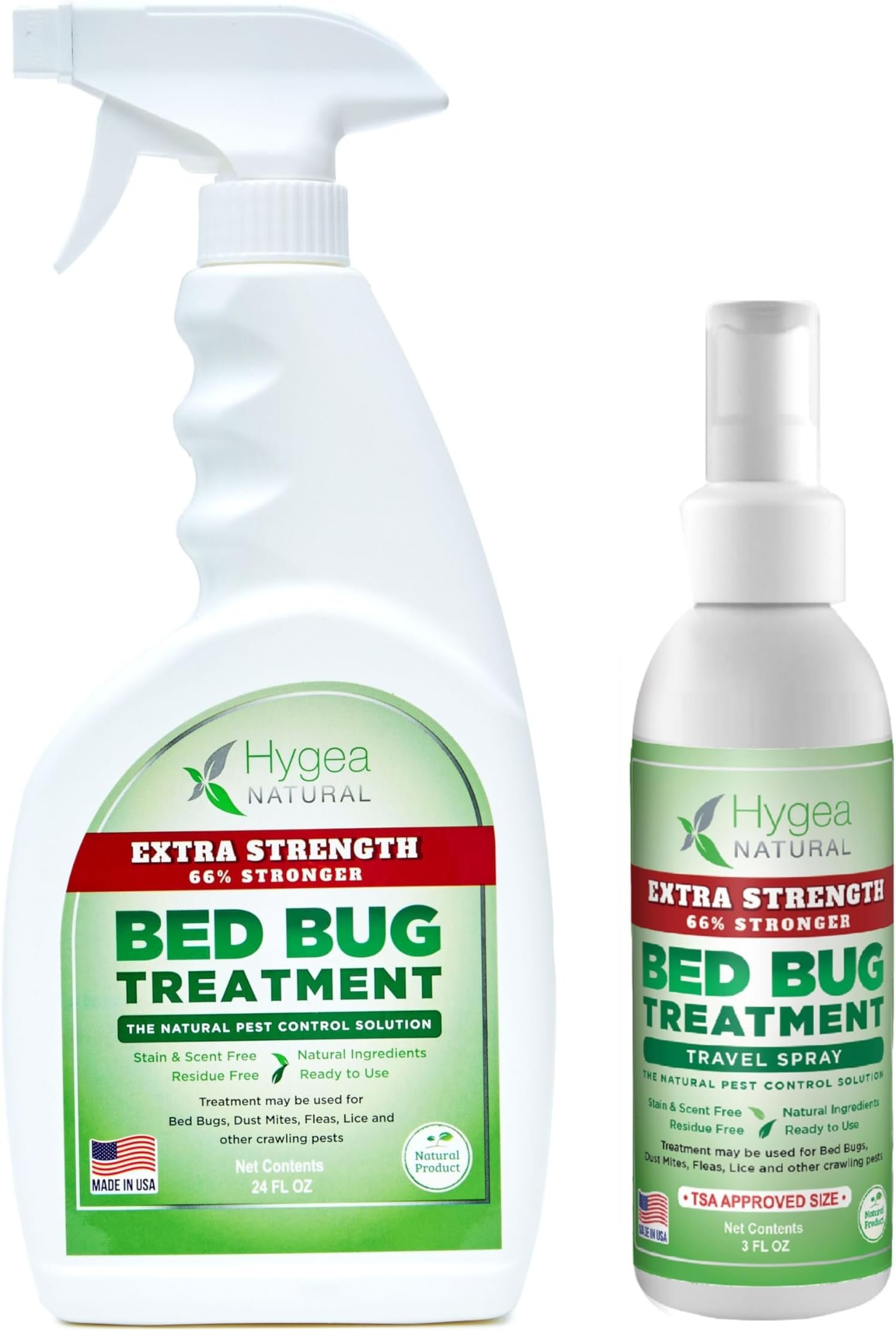
Yes. Several insecticide products are made specifically for bed bugs. You can find them in the United States at home improvement stores, hardware stores, pest control suppliers, and online retailers. They come in liquid spray bottles, aerosol cans, and foaming formulas.
These products are different from ordinary mosquito, ant, or general-purpose bug sprays. A product designed for bed bugs should list bed bugs as a target pest on its label. It should also explain where it can be applied, how much to use, and how long people and pets must stay away from treated areas.
The U.S. Environmental Protection Agency regulates many pesticide products used in American homes. Look for an EPA registration number on the product label. You can also check the EPA’s bed bug product search tool to see whether a consumer product is registered for this purpose. Registration does not mean every product works equally well in every home.
The most useful distinction is between a spray that kills insects immediately and one that leaves an insect-killing residue. A contact product may kill a visible bed bug but miss others hiding nearby. A residual product may continue killing exposed insects after the application has dried, provided its label supports that use.
Source: amazon.com
Contact bed bug spray
Designed to kill exposed bed bugs when the spray reaches them directly. It may provide little or no lasting protection after drying.
Residual bed bug spray
Leaves an insecticide deposit on approved surfaces. Bed bugs may die after crossing the treated area, depending on the active ingredient and their susceptibility.
Foaming bed bug spray
Produces foam that can help place the product in certain cracks and joints. Its usefulness depends on the label and the hiding places being treated.
Dust insecticide
Although it is not a liquid spray, an approved insecticidal dust can treat suitable dry cracks and voids where bed bugs travel or hide.
What Makes Bed Bug Spray Different?
Bed bugs are difficult to control because they hide in narrow spaces and often stay close to places where people sleep. A regular household insect spray may not be designed or labeled for those locations. A dedicated bed bug product has directions for specific target insects and approved treatment sites.
However, the words bed bug killer on the front of a package are not enough to establish that a product is suitable. Read the full label. Check its target pests, indoor-use approval, application directions, and safety restrictions before buying or using it.
Check the target pest
Bed bugs must be named on the label. A product that only lists ants, roaches, or mosquitoes is not a substitute.
Check the treatment location
Confirm whether the product allows treatment of bed frames, mattress seams, furniture joints, or cracks. These permissions differ between products.
Which Types of Bug Spray Work Against Bed Bugs?
Several insecticide groups can help control bed bugs, but their results depend on the active ingredient, application method, and local insect resistance. Reading the active ingredient section of the label is more useful than choosing a product based only on its brand name.
Pyrethrins and pyrethroids are common insecticides used in household pest control. Pyrethrins come from chrysanthemum flowers, while pyrethroids are synthetic compounds designed to act in a similar way. They affect the insect nervous system and can kill susceptible bed bugs.
The problem is resistance. Some bed bug populations have developed resistance to common pyrethroid products. A resistant insect may survive an application that would kill a susceptible insect. Using more spray does not reliably solve this problem and can increase exposure.
Other products use different chemical classes or combine active ingredients. Certain registered formulations contain neonicotinoids, insect growth regulators, or other insecticides. Desiccant products work differently by damaging the insect’s protective outer layer, causing it to lose moisture.
No active ingredient should be treated as a universal solution. The label must permit the intended use, and the product must be appropriate for the infestation. EPA guidance also stresses that pesticide treatment should be one part of an integrated control plan.
Source: www.planetnatural.com
Pyrethrins and pyrethroids
These insecticides affect the nervous system of susceptible bed bugs. Resistance can reduce their effectiveness in some infestations.
Neonicotinoids
These chemicals act on insect nerve receptors. Some registered products use them alone or with another insecticide to improve control.
Insect growth regulators
These ingredients interfere with normal insect development or reproduction. They are not necessarily quick-kill products and should not be expected to eliminate adult bugs by themselves.
Desiccant insecticides
These products damage the protective outer coating of insects, leading to dehydration. Only use formulations specifically registered and labeled for the intended indoor bed bug treatment.
Does Bed Bug Spray Kill Eggs?
Some bed bug products have label claims for eggs, but many ordinary insecticide sprays do not reliably kill every egg. This is one reason a single treatment may fail even when it kills many adult insects.
Bed bug eggs are small and can remain hidden in seams, joints, and narrow gaps. If an initial treatment leaves viable eggs behind, young bed bugs may emerge later. The treatment plan may therefore require follow-up inspections and another application at the interval specified on the product label.
Never repeat a treatment earlier than the label allows. More frequent spraying does not guarantee better results. It may expose household members to unnecessary pesticide and make the infestation harder to manage.
Check egg-kill claims
Look for specific label language about bed bug eggs instead of assuming that a product kills every life stage.
Plan follow-up checks
Inspect treated areas for newly hatched insects and follow the approved retreatment schedule when necessary.
How to Choose the Right Bed Bug Spray
Choose a bed bug spray based on its registration, active ingredients, approved treatment locations, and application directions. A large bottle, strong smell, or promise of permanent results does not prove that a product will eliminate an infestation.
Start by identifying where the insects are hiding. If you find them around mattress seams, bed frames, or furniture joints, look for a product whose label specifically allows treatment of those locations. If the label permits only crack-and-crevice applications, do not use it as a general mattress spray.
Next, review the active ingredients. If a pyrethroid product has failed after correct application, resistance may be one possible reason. A professional may recommend a different chemical class or a combination of treatment methods instead of repeating the same ineffective product.
Consider the people and animals in your home. Children, pets, and people with respiratory sensitivities may need extra protection from pesticide exposure. Follow all label instructions about protective equipment, ventilation, removal of pets, and reentry time.
The following table explains what to compare before purchasing. It is a buying guide, not a ranking of specific brands.
Source: amazon.com
EPA registration
Look for the EPA registration number and verify the product’s intended bed bug use. Avoid products with unclear ingredients or unsupported claims.
Active ingredient
Identify the chemical class and consider whether resistance could affect the treatment.
Approved application area
Confirm whether the label permits use on the exact surface or hiding place you need to treat.
Retreatment instructions
Check the required waiting period and whether the product needs follow-up applications.
Household safety
Review instructions for children, pets, ventilation, protective clothing, and treated-area access.
Examples of Bed Bug Spray Products
Several types of bed bug spray appear in the U.S. consumer market. For example, Raid Bed Bug Killer Foaming Spray is a product marketed for bed bug control, including certain pyrethroid-resistant bed bugs. Its actual permitted uses and performance depend on the current product label.
Harris Bed Bug Killer is another recognizable product name in this category. Consumers should check the exact formulation and registration information because products sold under similar brand names may have different ingredients or application directions.
Natural and plant-based sprays are also sold for bed bug control. However, natural does not automatically mean safe, effective, or suitable for every surface. Check the registered product label and evidence for the exact formula rather than relying on broad claims such as non-toxic or permanent protection.
These examples illustrate product categories, not independent product test results. No brand should be considered the best choice for every home without knowing the infestation, treatment location, and product formulation.
Raid bed bug spray
Consider only the exact product whose current label lists bed bugs and the intended application area. Do not assume every Raid insect spray has the same ingredients or permissions.
Harris bed bug products
Compare the exact formulation, EPA registration, and approved use before selecting a product.
Natural bed bug sprays
Review the active ingredients and label claims carefully. Plant-based ingredients do not guarantee complete control or low exposure risk.
How to Use Bed Bug Spray Safely and Correctly
Using a bed bug spray correctly starts with reading the complete product label. The label determines where the pesticide can be applied, how much to use, what protective equipment is needed, and when people and pets can return to the treated area.
Before treatment, identify the areas where bed bugs are likely to hide. Focus your inspection on mattress seams, bed frame joints, headboards, box springs, nearby furniture, and cracks around the sleeping area. Avoid spraying randomly around the entire room.
Move bedding and washable items away from the treatment area. Place potentially infested laundry in sealed bags before carrying it to the washing machine. This helps reduce the chance of spreading insects to other rooms.
Vacuum visible bed bugs, shed skins, and debris from suitable surfaces. Use a crevice attachment to reach narrow gaps. Seal and dispose of vacuum contents carefully according to the equipment instructions and local waste guidance.
Apply the pesticide only to locations listed on the label. Some products allow limited treatment of mattress seams or tufts, while others prohibit mattress treatment entirely. Never assume that a product safe for a bed frame is also safe for the mattress or bedding.
Source: amazon.co.uk
Step 1: Confirm the infestation
Look for live insects, shed skins, eggs, and dark fecal spots around sleeping areas. If possible, have an uncertain insect identified before applying pesticides.
Step 2: Prepare the room
Reduce clutter, remove washable bedding, bag laundry, and clear access to furniture joints and cracks.
Step 3: Vacuum carefully
Remove visible insects and debris from mattress seams, bed frames, and suitable furniture surfaces. Dispose of collected material carefully.
Step 4: Read the pesticide label
Check the active ingredients, permitted surfaces, application method, protective equipment, ventilation needs, and reentry instructions.
Step 5: Apply only where permitted
Treat approved cracks, crevices, and surfaces. Do not saturate furniture or apply pesticides to bedding unless the label expressly allows it.
Step 6: Allow the area to dry
Follow the exact drying and reentry instructions. Keep children and pets away for the full period required by the label.
Step 7: Inspect again
Check for live bed bugs and signs of new activity. Follow the label’s retreatment schedule or arrange professional help if activity continues.
Where Should You Spray for Bed Bugs?
Bed bugs often stay close to their food source, so the bed and nearby furniture deserve careful inspection. However, they can also hide farther away in cracks, wall gaps, and other protected spaces.
Common hiding locations include mattress seams, bed frame joints, headboard connections, box spring edges, furniture joints, and gaps along baseboards. Treat only the specific surfaces allowed by the pesticide label.
A spray that is approved for cracks and crevices should not automatically be applied across a mattress, carpet, or upholstered sofa. Surface permissions matter because people and pets may have frequent contact with those materials.
Bed frame
Inspect joints, screw holes, corners, and other narrow spaces. Apply an approved product only as directed.
Mattress
Inspect seams, labels, tufts, and edges. Treat only if the pesticide label specifically allows mattress application.
Headboard
Check joints, mounting points, and gaps behind the headboard for hiding insects.
Nearby furniture
Inspect drawer joints, furniture backs, and narrow gaps around the bed.
Baseboards and cracks
Check floor edges and wall gaps. Use a pesticide in these locations only when the label permits it.
Can You Spray Bed Bug Killer on Your Mattress?
You can spray a mattress only when the exact product label specifically permits that use. Some products allow limited application to seams, tufts, edges, or other listed areas. Others prohibit mattress treatment.
Never spray an entire mattress simply because the package says bed bug killer. Do not apply pesticide to sheets, pillows, blankets, or clothing unless the label specifically authorizes that use. Let treated surfaces dry for the required period before using them again.
A certified bed bug mattress encasement is another useful tool. It traps bed bugs already inside and removes many of their hiding places. Choose an encasement designed for bed bugs and keep it in place for the recommended period.
Follow surface restrictions
A product’s indoor-use approval does not automatically authorize use on every indoor surface.
Avoid soaking
Do not saturate a mattress or upholstered item with insecticide.
Why Bed Bug Spray Sometimes Does Not Work
Bed bug spray may fail because the insects are hiding in untreated places, the product does not affect resistant insects, or eggs survive the first application. A failed treatment does not always mean the pesticide is fake or completely ineffective.
One common issue is poor coverage. Bed bugs can hide inside small furniture joints, beneath loose wallpaper, behind headboards, and in narrow wall gaps. Spraying the visible mattress surface will not necessarily reach insects in those locations.
Resistance is another major concern. Some bed bug populations can survive exposure to insecticides that once controlled them. Repeating the same treatment more often or applying a heavier dose may not solve the problem.
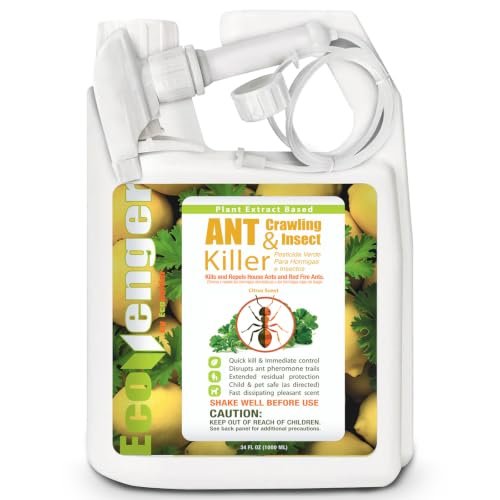
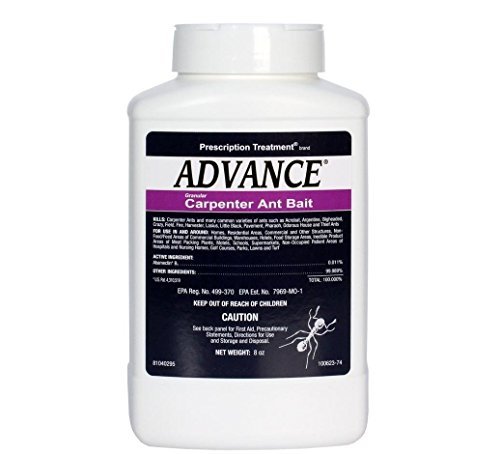
Incorrect product selection can also lead to failure. A general household insecticide may not list bed bugs as a target pest. A product intended for outdoor use may be dangerous indoors, even if it kills insects in a garden.
Finally, bed bugs may return after treatment if infested items are brought back into the home or insects move from another untreated room or nearby apartment. Effective control requires attention to the whole infestation, not just the visible bugs.
Source: storage.googleapis.com
Hidden insects
Bugs may remain in untreated cracks, furniture joints, and nearby sleeping areas.
Insecticide resistance
The local bed bug population may resist the active ingredient used in the spray.
Surviving eggs
Eggs that survive the initial treatment may hatch later and restart visible activity.
Wrong product
A product without a specific bed bug claim may not be effective against this pest.
Reinfestation
Untreated rooms, neighboring units, luggage, or infested furniture may introduce insects again.
What Should You Do If Bed Bugs Keep Coming Back?
If bed bugs remain active after treatment, do not immediately spray everything again. First, check whether the original treatment covered all approved hiding places and whether you followed the label correctly.
Inspect the bed, nearby furniture, and room edges. Use bed bug interceptors under bed legs when appropriate to help detect insects moving toward or away from the bed. Continue checking even if you stop seeing bites.
Review the pesticide’s active ingredients and consider whether resistance may be involved. A licensed pest management professional can inspect the infestation and recommend a treatment plan using different control methods where appropriate.
In apartments and other shared buildings, inform the landlord or property manager. Treating only one room may not solve a problem that involves adjoining units. Coordinated inspection and treatment can be important.
Do not increase the dose
Never exceed the label rate or apply the product more frequently than allowed.
Check the entire sleeping area
Inspect furniture, cracks, nearby rooms, and other possible hiding locations.
Consider professional inspection
Seek help when activity continues, the infestation is widespread, or the correct treatment approach is uncertain.
Other Ways to Get Rid of Bed Bugs Without Relying Only on Spray
The most reliable bed bug control plans combine several methods. The U.S. Environmental Protection Agency calls this approach integrated pest management, or IPM. It combines inspection, physical removal, heat, monitoring, and carefully selected pesticides when needed.
This matters because bed bugs spend much of their time hidden. A spray may kill insects that cross a treated surface, but cleaning and physical treatment can help remove bugs from other places. Combining methods also reduces dependence on a single insecticide.
Start with washable items. Place bedding, clothing, and other suitable fabrics in a dryer using a high-heat setting appropriate for the material. Heat treatment can kill bed bugs and their eggs when the items receive sufficient heat for the required period. Follow fabric care instructions and avoid damaging delicate materials.
Steam can also help treat suitable furniture seams and cracks. The EPA advises using steam at a temperature of at least 130 degrees Fahrenheit, with a diffuser and without forceful airflow that could scatter insects. Steam treatment requires care because excessive heat and moisture can damage some materials.
Mattress and box spring encasements can trap insects and make future inspections easier. Bed leg interceptors can help detect activity. These tools do not replace a complete treatment plan, but they can support long-term control.
Source: amazon.com
Hot dryer treatment
Use a suitable high-heat dryer cycle for washable items. Follow fabric instructions and avoid carrying loose infested laundry through the home.
Steam treatment
Use suitable equipment and controlled steam on approved materials. Avoid forceful airflow that may scatter insects.
Vacuuming
Remove visible bugs, shed skins, and debris from accessible hiding places. Dispose of vacuum contents carefully.
Mattress encasements
Use a bed bug-rated encasement that fully covers the mattress or box spring and remains securely sealed.
Bed bug interceptors
Place suitable monitors under bed legs to help detect movement and measure whether treatment is reducing activity.
Professional heat treatment
A qualified pest control company may use controlled whole-room or targeted heat treatment when appropriate for the infestation.
Does a Bug Bomb Kill Bed Bugs?
A bug bomb, also called a total-release fogger, is not a reliable way to eliminate bed bugs. Foggers release pesticide into the air, but the mist does not reliably enter the narrow cracks, furniture joints, and protected spaces where bed bugs hide.
The EPA warns that foggers should not be the only method used for bed bug control. Improper use can also cause health problems, fires, or explosions. Pesticide residue may settle on exposed surfaces without reaching the insects.
A targeted treatment plan is usually more useful. Inspect hiding places, remove insects physically, use appropriate approved treatments, and monitor the room for continued activity.
Poor hiding-place coverage
Fogger mist cannot reliably reach protected areas where bed bugs spend much of their time.
Exposure concerns
Foggers can expose people and pets to pesticide and may create fire or explosion risks if used incorrectly.
Not a complete treatment
A fogger should not replace targeted bed bug control, inspection, and monitoring.
Are Natural Bed Bug Sprays Effective?
Natural bed bug sprays are widely marketed, often with claims involving essential oils or plant-based ingredients. Some formulations may kill exposed insects under certain conditions, but that does not establish that they can eliminate an infestation.
Natural ingredients can still cause irritation, allergic reactions, or other unwanted effects. Essential oils are not automatically safe for children, pets, or use on bedding.
Choose a product based on its exact ingredients, registration status, label instructions, and evidence for bed bug control. Avoid homemade mixtures that lack tested directions and appropriate safety information.
Do not trust broad safety claims
Terms such as chemical-free and non-toxic do not prove that a product is harmless.
Check the exact formula
Different products marketed as natural may contain very different ingredients and concentrations.
Bed Bug Spray Safety for Children, Pets, and Families
Bed bug pesticides must be handled carefully because people and pets may come into contact with treated areas. The safest product is not necessarily the one advertised as natural or low odor. The correct choice is a product approved for the intended use and applied exactly as directed.
Before spraying, read the entire label. Follow instructions about gloves, protective clothing, ventilation, removal of pets, and how long the room must remain empty. Never allow children or animals to enter a treated area before the label permits it.
Do not apply household bed bug spray directly to people or pets. These products are intended for approved environmental treatment locations, not as skin repellents. If someone needs protection from bites while treatment is underway, use physical barriers and seek guidance from a qualified pest professional.
Keep pesticide containers in their original packaging and store them away from food, medicines, children’s items, and pet supplies. Never transfer insecticide into an unmarked bottle or mix products unless the label explicitly permits the combination.
If a pesticide is swallowed, inhaled in a harmful amount, or gets into someone’s eyes or onto their skin in a way that causes concern, follow the product’s first-aid instructions and contact Poison Control in the United States at 1-800-222-1222. For severe symptoms or an emergency, call 911.
Source: amazon.co.uk
Protect children
Keep children away during application and until the label’s reentry conditions are met. Store all pesticide containers securely.
Protect pets
Remove pets, food bowls, bedding, toys, and other exposed items as directed by the label. Pay particular attention to animals that lick treated surfaces.
Protect sleeping surfaces
Do not apply insecticide to sheets, pillows, blankets, or mattresses unless the exact label permits that use.
Avoid chemical mixing
Never combine bed bug sprays, bleach, cleaning products, or other chemicals to create a stronger treatment.
Follow storage directions
Keep products in their original containers, away from heat, food, children, and pets.
Can You Spray Bed Bug Killer on Your Skin?
No. Do not use household bed bug spray on your skin. These pesticides are made for specific surfaces and environmental treatment, not for personal use.
The EPA warns consumers against applying pesticides to their bodies to control bed bugs. Doing so can cause harmful exposure without solving the infestation.
If you are being bitten at night, focus on treating the room, using appropriate bed bug barriers, and getting professional advice. A bed bug spray should never be treated as a body lotion or insect repellent.
Use only approved personal repellents
A product intended for skin use must have directions specifically allowing that use. Household bed bug insecticides do not qualify.
Treat the environment
Control the insects in their hiding places rather than applying household pesticides to your body.
How Long Does Bed Bug Spray Take to Work?
The time needed for bed bug spray to work depends on its active ingredient and how the insects contact the treated area. Some contact insecticides can kill exposed insects relatively quickly, while residual products may take longer to affect bugs that cross treated surfaces.
There is no single waiting time that applies to every product. The label may explain when the spray begins working, how long its residue lasts, and when follow-up treatment is permitted. Do not assume that a room is free of bed bugs simply because the product has dried.
An infestation may continue producing visible insects after an initial treatment because some bugs escaped exposure or eggs survived. That is why inspection and monitoring are important parts of the process.
A useful sign of progress is a steady reduction in live bed bugs and other evidence of activity. However, one night without bites is not enough to confirm success. Bed bug bites can be difficult to identify, and not everyone reacts to them.
Source: amazon.com
Contact activity
Exposed bed bugs may die soon after receiving a lethal dose, depending on the formulation.
Residual activity
Insects may be affected when they later cross treated surfaces, as long as the residue remains effective under the label conditions.
Egg survival
Some eggs may survive and hatch after the initial treatment.
Continued monitoring
Regular inspections help identify surviving insects and determine whether additional treatment is needed.
How Do You Know If the Spray Is Working?
The clearest sign of progress is a decline in live bed bugs during regular inspections. Check mattress seams, bed frame joints, nearby furniture, and monitoring devices.
You may still find an occasional insect during the treatment period. This does not automatically mean the entire plan has failed, but continued activity deserves attention. Record where insects appear and when they are found.
If live bugs continue appearing despite correct treatment and monitoring, ask a licensed professional to reassess the infestation. A different pesticide class, improved treatment coverage, or additional nonchemical methods may be needed.
Fewer live insects
Repeated inspections find fewer bed bugs in previously active hiding places.
Reduced monitoring activity
Interceptors and other monitors show a decline in captured insects.
No new evidence over time
Continued inspections show no live insects or fresh signs of activity. Follow professional guidance before declaring the infestation eliminated.
Frequently Asked Questions
Q
What is the best bug spray to kill bed bugs?
There is no single best bed bug spray for every infestation. Look for an EPA-registered product whose label specifically lists bed bugs and permits use in the location you need to treat. Compare its active ingredients, application directions, and safety restrictions.
If one product has failed after correct use, resistance or poor treatment coverage may be involved. A licensed pest management professional can help select a suitable alternative.
Q
Can bed bugs survive after being sprayed?
Yes. Some bed bugs may survive because they were hiding in untreated spaces, were not exposed to enough insecticide, or belong to a resistant population. Some eggs may also survive certain spray treatments.
Continue inspecting the room and follow the product’s approved retreatment schedule. Do not increase the dose or spray more often than directed.
Q
Does Raid bed bug spray really work?
Raid sells products specifically marketed for bed bug control, including foaming formulations. A product may kill susceptible bed bugs when used according to its current label, but results depend on coverage, active ingredients, and insect resistance.
Check the exact product label rather than assuming all Raid sprays work against bed bugs. Use the product as one part of a broader treatment plan.
Q
Can I sleep in my bed after spraying for bed bugs?
That depends on the pesticide and the surfaces treated. Follow the exact label instructions for drying time, ventilation, and reentry. Some products allow limited mattress-seam treatment, while others must never be applied to mattresses.
Do not sleep on a wet or improperly treated surface. If the label does not clearly explain whether the bed can be used again, contact the manufacturer or a qualified pest control professional.
Q
Does bed bug spray kill fleas and other insects too?
Some bed bug sprays also list other insects, such as fleas or certain crawling pests, on their labels. However, the target pests differ between products.
Check the complete label before using a product against another insect. A bed bug product should not be assumed to control every household pest.
Q
Can I make homemade bed bug spray with vinegar or essential oils?
Homemade vinegar and essential oil mixtures are not reliable ways to eliminate bed bug infestations. They may affect exposed insects under certain conditions, but they do not provide dependable control of hidden bugs and eggs.
Homemade mixtures also lack standardized application and safety instructions. Choose an appropriately registered product or use nonchemical control methods instead.
Q
How many times should I spray for bed bugs?
The number of applications depends on the product label, the infestation, and whether insects remain active. Some treatments require follow-up applications because eggs may hatch after the first treatment.
Follow the exact retreatment interval on the label. Avoid daily spraying or using larger amounts than directed. If the problem continues, arrange a professional inspection.
Q
Should I hire a professional if bed bug spray does not work?
Yes, professional help is worth considering when bed bugs remain active after correctly applied treatments, when several rooms are affected, or when the infestation involves an apartment building.
Choose a licensed pest management company with experience in bed bug control. Ask about inspection, integrated pest management, treatment methods, follow-up visits, and the plan for monitoring results.
✦ Wrapping Up
Conclusion
Yes, there are several types of bug spray made specifically for bed bugs. Contact sprays can kill exposed insects, while residual products may continue working when bed bugs cross treated surfaces. Other approved formulations use different active ingredients to address certain resistant populations.
However, buying a bottle and spraying the mattress is not a complete solution. Bed bugs hide in small spaces, some eggs survive insecticide treatments, and certain populations resist common chemicals. Effective control requires careful inspection, correct product selection, safe application, and continued monitoring.
For U.S. households, the best starting point is an EPA-registered product whose label specifically lists bed bugs and the intended treatment location. Combine it with vacuuming, suitable heat treatment, mattress encasements, and bed bug monitors. If the insects keep returning, a licensed pest control professional can help identify the cause and build a more effective treatment plan.
💡 Key Takeaway
Before purchasing a bed bug spray, check its EPA registration number, active ingredients, and approved application areas. Treat only as directed, combine pesticide use with physical control methods, and inspect the room regularly until there is no evidence of continued activity.