You can repel mosquitoes without bug spray by wearing loose, long clothing, using fans, installing window screens, sleeping under mosquito nets, and removing standing water around your home.
Mosquitoes are a common problem across the United States, especially during warm summer months in states such as Florida, Texas, Louisiana, Georgia, and California. They can turn a backyard barbecue, evening walk, camping trip, or quiet night on the porch into an itchy experience. Many people want ways to keep these insects away without spraying chemicals on their skin.
Fortunately, several practical methods can help. Physical barriers, moving air, protective clothing, and good yard care can reduce contact with mosquitoes. These methods work in different ways. Some stop mosquitoes from reaching your skin, while others make your home and yard less attractive places for them to live and breed.
The best approach is to combine several methods rather than depend on one trick. A fan may help while you sit outside, but it will not protect you when you walk away. A mosquito net can protect you while sleeping, while clean gutters and empty plant trays can reduce the number of mosquitoes around your home.
There is one important safety point. Avoiding bug spray does not mean every natural remedy is effective. The CDC explains that the effectiveness of many non-EPA-registered natural repellents is unknown. If you live in an area with mosquito-borne illnesses, physical barriers are useful, but they may not provide the same level of personal protection as a proven insect repellent.
Source: storage.googleapis.com
1. Use a Fan to Keep Mosquitoes Away
A fan is one of the easiest ways to make an outdoor space less comfortable for mosquitoes. These insects are small and have limited flying strength compared with many larger insects. A steady stream of moving air can make it harder for them to approach, hover, and land on your skin.
This method is especially useful on a porch, patio, deck, or balcony. Instead of trying to fill the air with strong scents, you create a physical obstacle that mosquitoes must fly through. The moving air can also help disperse the carbon dioxide and body odors that mosquitoes use when searching for people.
A fan does not kill mosquitoes or remove them from your yard. Its main benefit is local protection while you remain within the airflow. It also works best when the air reaches the area around your legs, arms, and upper body.
Source: www.pinterest.com
Choose a suitable fan
Use a regular standing fan, pedestal fan, or outdoor-rated oscillating fan. Select a model that produces enough airflow to reach your seating area.
Position it near your seating area
Place the fan so that moving air passes across your body. Avoid pointing it away from the area where you spend time.
Cover exposed areas
If mosquitoes still reach your ankles or legs, adjust the fan direction or add another fan at a lower position.
Use outdoor-rated equipment
Keep electrical fans protected from rain and moisture. Follow the manufacturer’s outdoor-use and electrical safety instructions.
Does a Fan Really Repel Mosquitoes?
A fan can reduce mosquito activity around a person by making flight and landing more difficult. It is a useful physical measure, although its effectiveness depends on airflow, distance, wind conditions, and the number of mosquitoes present.
For example, a fan may help during an evening meal on a covered patio. However, it cannot provide reliable protection when you walk through tall grass or sit in a distant part of the yard.
Best use
Outdoor seating, covered porches, and other small areas where you can direct airflow.
Main limitation
Protection decreases when you move outside the fan’s airflow.
2. Wear Loose and Protective Clothing
Covering your skin is one of the most practical ways to prevent mosquito bites without applying bug spray. Mosquitoes need access to your skin to bite. A physical layer between your body and the insect makes that task harder.
Choose lightweight, loose-fitting clothing that covers your arms and legs. Long-sleeved cotton shirts, breathable pants, socks, and closed shoes can help during outdoor activities. This is especially useful for gardening, hiking, camping, fishing, and evening walks.
Fit matters. Tight clothing can rest directly against your skin, allowing some mosquitoes to bite through the fabric. Loose clothing creates more space between the material and your body.
Light-colored clothing can also make it easier to notice mosquitoes that land on you. However, color alone is not a dependable repellent. Coverage, fabric, and fit matter more.
Source: www.pinterest.com
Wear long sleeves
Choose shirts that cover your arms and have sleeves that stay in place when you move.
Choose full-length pants
Wear loose pants rather than shorts when mosquitoes are active. Tuck pant legs into socks when walking through areas with heavy mosquito activity.
Protect your feet
Wear socks and closed shoes instead of sandals. Ankles and feet are often exposed when people wear shorts and open footwear.
Consider a mosquito head net
Use a fine-mesh head net when gardening, camping, or working outdoors in places with many mosquitoes.
What Fabric Is Best for Preventing Mosquito Bites?
A tightly woven but breathable fabric is a useful choice. Lightweight cotton and suitable synthetic outdoor fabrics can cover your skin without making warm-weather activities too uncomfortable.
Avoid thin, tight-fitting material that leaves mosquitoes able to reach your skin. Check the fabric for holes, tears, and gaps around cuffs and collars.
Loose cotton
Comfortable for everyday use, especially during warm weather.
Outdoor clothing
Useful for hiking, camping, fishing, and other activities where extra skin coverage is needed.
Fine mesh
Provides a physical barrier for the face and neck when worn as a properly fitted mosquito net.
What About Permethrin-Treated Clothing?
Permethrin-treated clothing offers another option for people who want to avoid applying repellent directly to their skin. Permethrin is an insecticide used to treat certain clothing and outdoor gear. It can kill or repel mosquitoes that contact treated material.
This is not a completely chemical-free method. It is included as an alternative to skin-applied bug spray, not as a natural remedy. Use only products labeled for clothing or gear, and follow the instructions carefully. Never apply clothing-treatment permethrin products directly to your skin.
Check the label
Use only products approved for the intended clothing or equipment.
Follow treatment directions
Allow treated items to dry as instructed before wearing them.
3. Remove Standing Water Around Your Home
Removing standing water is one of the most important ways to reduce mosquitoes without bug spray. Many mosquito species lay eggs in or near water. Their young stages develop in water before becoming flying adults.
Even a small container can become a breeding place. A forgotten bucket, clogged gutter, flowerpot saucer, discarded tire, or children’s toy may collect enough rainwater to support mosquito development.
Walk around your property once a week and look for anything that holds water. Empty containers, scrub their inside surfaces when needed, turn them upside down, or store them under cover. Simply removing visible adult mosquitoes will not solve the problem if new ones continue to emerge nearby.
The CDC recommends checking water-holding items at least once a week. This routine is useful in US homes during rainy periods, hurricane season, and warm summer months.
Source: houseofhawthornes.com
Empty buckets and containers
Turn over buckets, cans, toys, and unused containers so rainwater cannot collect inside.
Clean plant saucers
Empty water from flowerpot trays and scrub them regularly to remove eggs and larvae.
Check gutters
Remove leaves and debris that block drainage and allow water to remain in gutters.
Cover stored water
Use tight-fitting lids or suitable mosquito-proof mesh on rain barrels, tanks, and other water storage containers.
Maintain swimming pools
Keep pools properly treated and circulating. Empty and store inflatable pools when they are not being used.
How Often Should You Remove Standing Water?
Check your yard at least once every seven days. Check more often after heavy rain because water can collect in places that were dry during your previous inspection.
Do not overlook areas behind sheds, under outdoor furniture, around air-conditioning equipment, or beneath plant pots. These places can collect water without being easy to see.
Weekly inspection
Check containers, gutters, toys, tires, and plant trays.
After heavy rain
Look for new puddles and containers that have filled with rainwater.
During dry periods
Continue checking water storage containers, birdbaths, and other permanent water sources.
What If You Have a Pond or Water Feature?
You may not be able to empty a decorative pond or permanent water feature. In that case, maintain it according to its design and use appropriate mosquito-control methods.
For water that cannot be drained, covered, or used for drinking, an appropriate labeled larvicide may help control mosquito larvae. Follow the product directions and check whether it is suitable for the water’s intended use. Contact a local mosquito-control program if you are unsure what treatment is appropriate.
Maintain water movement
Keep suitable fountains and water features operating as designed.
Check for larvae
Look for signs of mosquito development in accessible standing water.
Use appropriate treatment
Choose only a labeled treatment that is suitable for the specific water source.
4. Install Window Screens and Use Mosquito Nets
Physical barriers can help keep mosquitoes away without placing any substance on your skin. Window screens, door screens, and mosquito nets create a protective boundary between people and insects.
For US homes, properly fitted window and door screens are a useful first step. They allow fresh air to enter while helping prevent mosquitoes from flying indoors. Even a small hole or gap can provide an entry point.
Check screens at the beginning of mosquito season and after storms. Repair torn mesh, close gaps around frames, and make sure doors shut completely. If you have a screened porch, inspect the corners and lower edges because small openings can be easy to miss.
Mosquito nets are particularly useful for sleeping. They can protect people in bedrooms without reliable window screens, outdoor sleeping areas, and camping shelters. A properly fitted net should cover the sleeping space without leaving openings.
Source: tipsbulletin.com
Repair damaged screens
Patch holes and replace badly damaged window or door mesh.
Close doors promptly
Avoid leaving exterior doors open for long periods, especially in the evening.
Use a bed net
Choose a fine-mesh net large enough to cover the entire sleeping area.
Check the edges
Tuck the net securely beneath the mattress or use its designed attachment system.
How to Sleep Without Mosquito Bites
A mosquito net can make sleeping more comfortable when mosquitoes are present. Before going to bed, check that no mosquitoes are trapped inside the net. Make sure the mesh does not touch your skin while you sleep because a mosquito may bite through material pressed against the body.
If you use a portable net while camping, secure it around the sleeping area. Repair holes and keep the entrance closed whenever possible.
Inspect the net
Look for holes, loose seams, and damaged attachment points.
Secure the opening
Close the entrance fully after getting inside.
Keep the net away from skin
Allow enough room between your body and the mesh.
Can Air Conditioning Keep Mosquitoes Away?
Air conditioning can help prevent mosquitoes from entering and remaining active indoors when windows and doors stay closed. It also reduces the need to leave windows open for ventilation during hot weather.
However, air conditioning does not automatically remove mosquitoes that are already inside. Use screens, inspect entry points, and remove indoor water sources to improve protection.
Keep windows closed
Use screened windows or keep them shut while the air conditioner is running.
Check indoor containers
Empty flower vases and other items that hold water.
5. Use Outdoor Plants Carefully
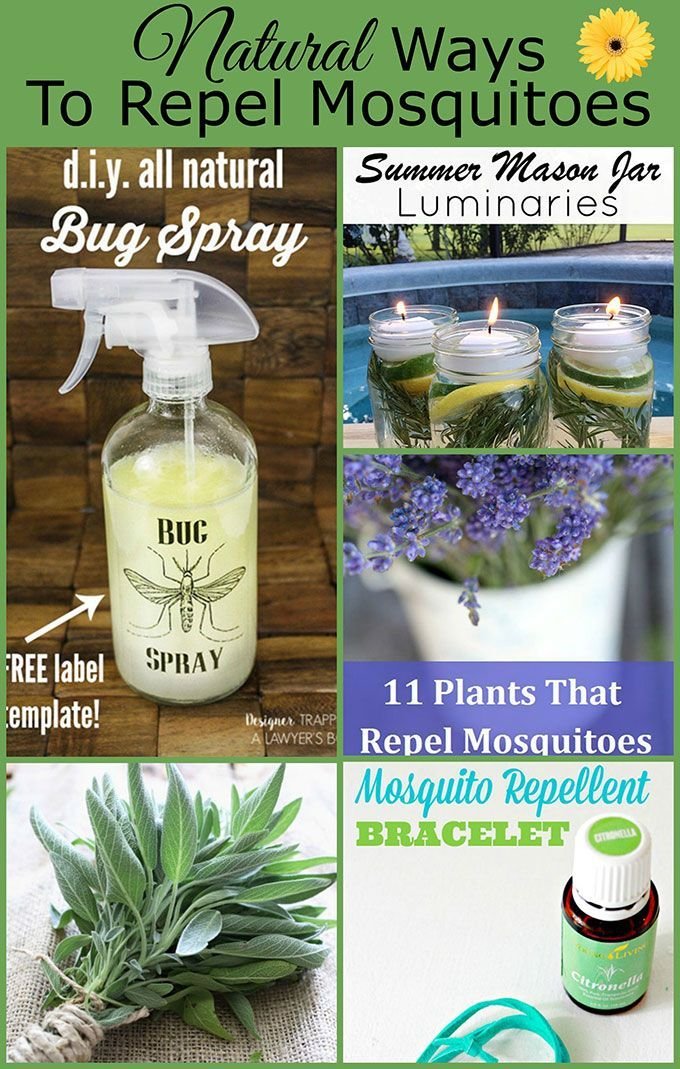
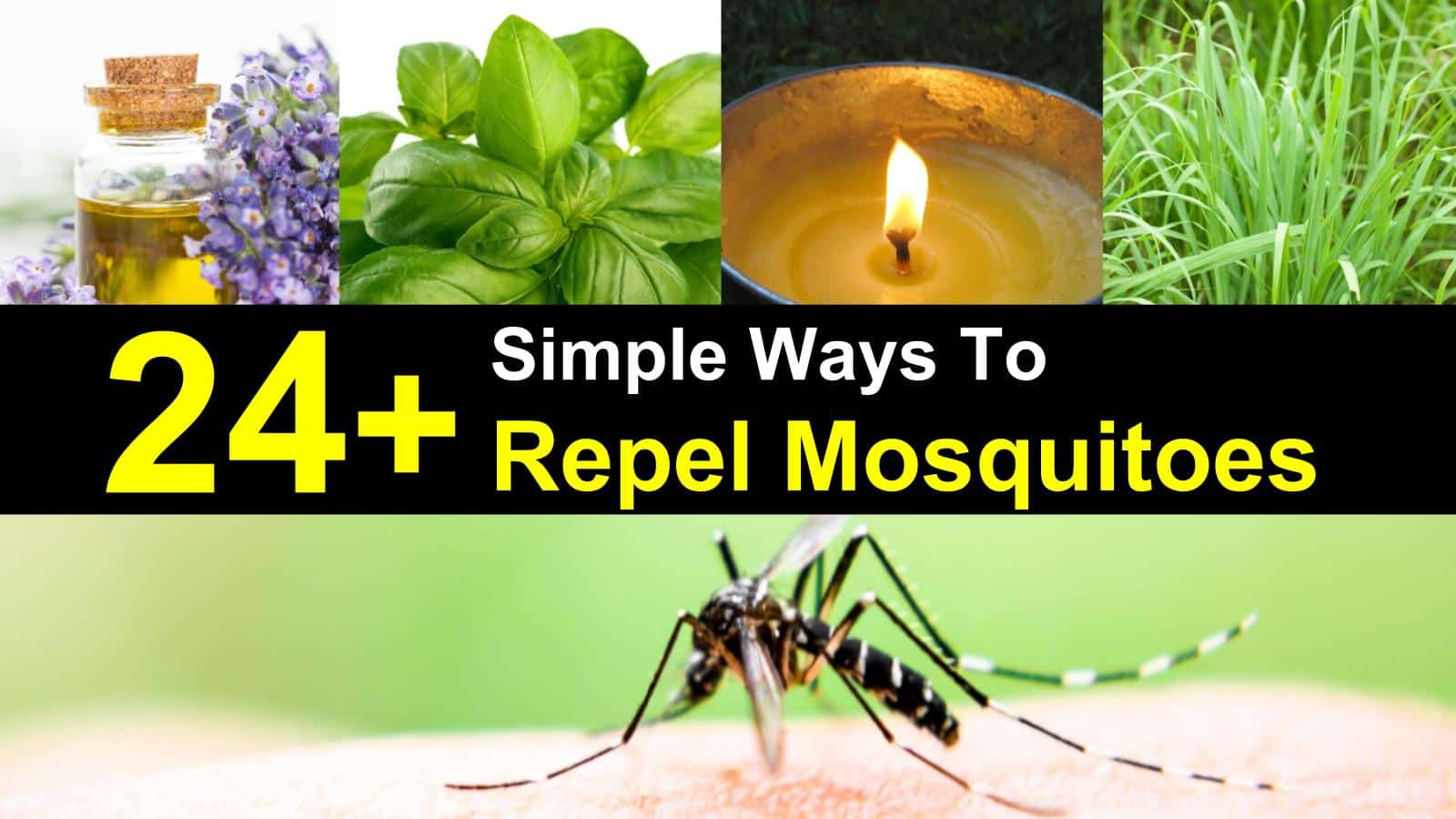
Plants such as citronella grass, lavender, rosemary, peppermint, and lemongrass are often promoted as natural mosquito repellents. They have pleasant scents and can make a patio or garden more attractive. However, growing these plants does not provide dependable protection from mosquito bites.
The main difference is between a plant growing in a garden and a tested repellent product. Some plants contain aromatic compounds that may affect mosquito behavior under certain conditions. But the scent released by a living plant is not necessarily strong or consistent enough to protect nearby people.
You can still grow these plants for decoration, cooking, or fragrance. Just do not treat them as a replacement for screens, clothing, mosquito nets, or proven repellents when bite prevention matters.
If you want to add plants to your outdoor space, focus on healthy growth and suitable placement. Keep containers from collecting rainwater, since the water in plant saucers can create a breeding site.
Source: www.pinterest.com
Citronella grass
A fragrant ornamental grass commonly associated with mosquito prevention. A living plant should not be considered reliable bite protection.
Lavender
A popular garden plant with a pleasant scent. Its presence alone does not establish that mosquitoes will stay away.
Rosemary
A useful culinary herb that can grow in suitable outdoor conditions. It is not a proven stand-alone mosquito barrier.
Lemongrass
An aromatic plant used in cooking and garden design. Growing it does not provide the same protection as an evaluated repellent.
Do Citronella Plants Really Repel Mosquitoes?
Citronella plants are popular because their leaves have a strong fragrance. However, there is no reliable basis for assuming that a few citronella plants will create a protective zone around your patio.
Citronella oil is different from a living plant. A formulated repellent containing an appropriate active ingredient may have a specific tested level of protection, while a plant growing in a pot does not deliver a controlled dose.
Good for garden design
Citronella plants can add fragrance and greenery to outdoor spaces.
Not a proven barrier
Do not rely on the plants alone to prevent bites.
Are Citronella Candles Worth Using?
Citronella candles may provide some limited local effect under certain conditions, but results can vary with wind, placement, candle formulation, and the number of mosquitoes present.
They should not be treated as dependable personal protection. Candles also create an open-flame hazard, so keep them away from curtains, dry leaves, children, and pets. Never leave a burning candle unattended.
Use outdoors only as directed
Follow the candle label and avoid enclosed spaces where smoke may build up.
Watch the flame
Place candles on stable surfaces and extinguish them before leaving.
6. Keep Your Yard Clean and Reduce Mosquito Hiding Places
A clean, well-maintained yard can make outdoor areas less suitable for mosquitoes to rest. Many adult mosquitoes seek cool, shaded, and humid places during the day. Dense vegetation, overgrown grass, and clutter can create sheltered spaces near your home.
Regular yard care will not eliminate every mosquito. However, it can reduce some resting places and make it easier to find water-holding objects that support breeding.
Start by removing unnecessary clutter. Store unused containers, tires, buckets, and garden equipment where rain cannot collect inside them. Trim overgrown plants and clear debris from areas around outdoor seating.
Pay attention to drainage. A low spot in the yard that remains wet after rain may need attention. If water collects near your home because of a drainage problem, consider asking a qualified landscaping or drainage professional to assess it.
Source: kr.pinterest.com
Trim overgrown vegetation
Keep shrubs, hedges, and grass maintained so shaded resting areas do not become unnecessarily dense.
Remove yard clutter
Store unused equipment and containers where they cannot collect rainwater.
Clear drainage paths
Remove leaves and debris from suitable drainage areas so water can flow away.
Check outdoor furniture
Inspect covers, folds, and shaded spaces where water or debris may collect.
Maintain compost and waste areas
Keep outdoor waste containers covered and prevent water from collecting around them.
Do Mosquitoes Like Tall Grass?
Mosquitoes do not all use the same habitats, but many adult mosquitoes rest in shaded and humid areas. Overgrown grass and dense vegetation may provide suitable shelter, especially when the area remains damp.
Mowing the lawn and trimming shrubs can help reduce some resting places. However, this does not replace the need to remove standing water because breeding sites may exist even in a neatly maintained yard.
Mow regularly
Keep grass at a suitable height for your lawn and local growing conditions.
Trim shrubs
Reduce excessive growth around patios, walkways, and building entrances.
Remove wet debris
Clear piles of leaves and other debris that hold moisture.
7. Avoid Common Mosquito Repellent Myths
Many home remedies claim to repel mosquitoes naturally. Some are easy to try, but popularity does not prove effectiveness. If a method gives you a false sense of security, it may leave you exposed to bites.
The CDC states that the effectiveness of non-EPA-registered repellents, including some natural repellents, is not known. This means a homemade mixture or household item should not automatically be considered a safe and effective substitute for a tested product.
The best way to judge a method is to ask what evidence supports it and what type of protection it provides. Does it create a physical barrier? Does it reduce breeding sites? Or does it simply have a strong smell that people associate with insects?
Source: www.pinterest.com
Garlic
Eating garlic or placing garlic around the yard has not been established as a dependable way to prevent mosquito bites.
Vitamin B supplements
Taking vitamin B supplements solely to repel mosquitoes is not a proven bite-prevention method.
Ultrasonic devices
Electronic devices that claim to repel mosquitoes through sound have not shown dependable bite protection.
Homemade essential oil mixtures
Their strength, duration, and skin safety can vary. Do not assume that a natural oil is harmless or provides reliable protection.
Mosquito bracelets
Wristbands and similar wearable products should not be treated as dependable protection for the rest of the body.
Can Essential Oils Keep Mosquitoes Away?
Some essential oils contain compounds that may repel mosquitoes under certain laboratory or product-testing conditions. However, the effect of an oil depends on its concentration, formulation, evaporation rate, and method of use.
A homemade mixture may lose its scent quickly and may not provide even coverage. Some essential oils can also irritate skin or cause allergic reactions, particularly when used undiluted. Certain citrus oils can increase skin sensitivity to sunlight.
Never apply concentrated essential oils directly to your skin without appropriate safety guidance. Avoid using homemade mixtures as your only protection in areas where mosquitoes can spread disease.
Do not assume natural means safe
Plant-based substances can still cause skin irritation, allergic reactions, or other unwanted effects.
Avoid uncontrolled mixtures
Homemade recipes may have unknown concentrations and protection times.
Choose physical barriers first
Use clothing, screens, fans, and nets when you want to avoid skin-applied products.
Do Ultrasonic Mosquito Repellents Work?
Ultrasonic mosquito devices claim to use high-frequency sounds to discourage mosquitoes from approaching people. However, research and public health guidance do not support relying on these devices for bite prevention.
A phone application that plays mosquito-repelling sounds is not a dependable alternative either. Spend your money on practical barriers and yard maintenance instead of relying on unproven electronic claims.
Check evidence before buying
Look for independent evidence of reduced mosquito bites rather than advertising claims.
Do not replace proven protection
Continue using physical barriers and appropriate mosquito prevention methods.
8. Create a Spray-Free Mosquito Prevention Routine
The most effective spray-free approach is a combination of methods that protect your body and reduce mosquito activity around your home. You do not need to make every change in one day. Start with the areas where you spend the most time.
For example, a homeowner who enjoys evening meals outdoors can place an outdoor-rated fan near the table, wear loose clothing, and inspect the yard for standing water. Someone who has trouble sleeping because of mosquitoes can focus on screens, door gaps, and a properly fitted bed net.
Your routine should change with the weather and the season. Rain can create new breeding sites, while warm conditions can support mosquito development. A short weekly inspection can help you catch problems before they become harder to manage.
Every morning
Keep doors closed when possible and check that window screens remain in place.
Before outdoor activities
Choose long, loose clothing, closed shoes, and a head net if mosquitoes are especially active.
During outdoor relaxation
Use a fan to create airflow around your seating area.
Once a week
Empty, scrub, cover, or turn over objects that hold water.
After heavy rain
Inspect the yard, gutters, and outdoor containers for new water collection.
Before sleeping
Check the bed net, close unscreened windows, and remove any mosquitoes that have entered the room.
A Simple Spray-Free Setup for Different Places
The right combination depends on where mosquitoes bother you most. A bedroom needs a different setup from a backyard or campsite. Focus on the method that directly addresses the problem rather than using every available remedy.
Bedroom
Install window screens, close gaps, use air conditioning when available, and sleep under a mosquito net if needed.
Backyard
Use a fan near seating, wear protective clothing, trim dense vegetation, and remove standing water.
Camping
Choose a screened tent, use a sleeping net when appropriate, and cover your arms and legs.
Garden
Wear long clothing, use a head net when necessary, and remove water from tools and containers.
Porch
Repair screen panels, keep doors closed, and position an outdoor-rated fan near your chair.
9. Understand the Limits of Spray-Free Mosquito Protection
Spray-free methods can reduce contact with mosquitoes, but they do not always provide complete protection. A fan protects only the area it reaches. Clothing protects covered skin but leaves exposed areas vulnerable. Screens and mosquito nets work only when they fit properly and remain intact.
This difference matters because mosquitoes can spread illnesses. In the United States, mosquito-borne diseases include West Nile virus and, in some locations and circumstances, dengue, malaria, and other infections. Local risks vary by region and season.
The CDC recommends EPA-registered insect repellents for people who need proven personal bite protection. These include products with active ingredients such as DEET, picaridin, IR3535, oil of lemon eucalyptus, and other approved ingredients. If you choose not to use skin-applied repellent, understand that the remaining physical measures may not provide equivalent protection.
People traveling to areas where malaria, dengue, or other mosquito-borne diseases are present should seek current travel health guidance. A healthcare professional can explain whether additional prevention steps, medication, or vaccination may be relevant to the destination.
Know your local risk
Check local health department mosquito alerts and public health advice during mosquito season.
Do not rely on scent alone
A pleasant-smelling garden or candle does not guarantee protection from bites.
Protect children
Use suitable clothing, screens, and properly fitted nets. Follow age-specific guidance before using any insect repellent.
Take travel risks seriously
Consult a healthcare professional before visiting an area with malaria or other mosquito-borne disease risks.
When Should You Consider Additional Protection?
Consider stronger bite-prevention measures when you will spend long periods outdoors, enter wetlands or wooded areas, work in mosquito-heavy locations, or travel to places with mosquito-borne diseases.
If physical barriers alone are not enough, an EPA-registered repellent may be a safer and more reliable choice than an untested homemade alternative. Read and follow its label instructions.
Heavy mosquito activity
Add protection when mosquitoes continue landing on exposed skin despite clothing and airflow.
Outdoor work
Use suitable protective clothing and other workplace-recommended mosquito prevention measures.
International travel
Check destination-specific health guidance before departure.
Frequently Asked Questions
Q
What is the fastest way to repel mosquitoes without bug spray?
Using a fan is one of the quickest ways to reduce mosquito activity around a small outdoor seating area. Point an outdoor-rated fan toward your body to create steady airflow. For immediate personal protection, also cover exposed skin with loose clothing.
If you are indoors, close doors and windows or use properly fitted screens. These steps help reduce the chance of mosquitoes reaching you.
Q
What smell do mosquitoes hate the most?
Mosquitoes respond to several chemical and physical signals, including carbon dioxide, body odors, and other cues. Certain aromatic plant compounds may affect mosquito behavior, but there is no single smell that reliably keeps all mosquitoes away.
Citronella, lavender, peppermint, and lemongrass are common natural options. However, growing these plants or placing scented products around your home should not replace proven bite-prevention methods.
Q
Can mosquitoes bite through clothes?
Yes. Some mosquitoes can bite through thin or tight-fitting clothing when the fabric rests against your skin. This is why loose-fitting clothing is a better option than tight shirts or leggings.
Choose long sleeves, full-length pants, socks, and suitable closed shoes. Check for holes and gaps that could expose your skin.
Q
Do mosquitoes hate air conditioning?
Air conditioning can make indoor spaces less favorable for mosquito activity and can help keep mosquitoes outside when doors and windows remain closed. It also reduces the need to open windows for cooling.
However, air conditioning does not guarantee that every mosquito will leave a room. Install window screens, close gaps, and remove indoor containers that collect water.
Q
Does eating garlic keep mosquitoes away?
There is no reliable scientific evidence that eating garlic prevents mosquitoes from biting people. The same applies to taking vitamin supplements solely for mosquito prevention.
Instead of changing your diet, focus on methods with practical physical effects, such as protective clothing, fans, window screens, and mosquito nets.
Q
Can I keep mosquitoes away naturally all night?
You can reduce nighttime mosquito exposure by using a properly fitted mosquito net, repairing window screens, closing doors, and keeping standing water away from your home. Air conditioning can also help when available.
Check that the net has no holes and that mosquitoes cannot enter through an open edge. If you are sleeping outdoors, use a suitable screened shelter or bed net.
Q
Do mosquito-repellent plants really work?
Plants such as citronella, rosemary, lavender, and lemongrass are popular because of their scents. However, simply placing these plants around a yard has not been shown to provide dependable protection from mosquito bites.
You can grow them for their appearance and fragrance, but use screens, fans, protective clothing, and other effective measures to reduce exposure.
Q
How can I keep mosquitoes away from my patio without chemicals?
Start by placing an outdoor-rated fan near your seating area. Remove standing water from plant trays, buckets, and outdoor furniture, and keep nearby vegetation trimmed.
If possible, install a screened enclosure or repair existing screens. Wearing loose, long clothing can provide an additional physical barrier when mosquitoes remain active.
✦ Wrapping Up
Conclusion
Learning how to repel mosquitoes without bug spray is possible with a few practical changes. Fans, loose clothing, mosquito nets, window screens, and regular yard maintenance can all help reduce contact with these insects.
The most important step is to combine personal protection with mosquito prevention around your home. Wear clothing that covers your skin, create airflow where you sit, and remove standing water every week. These steps address both the mosquitoes trying to reach you and the places where new mosquitoes may develop.
Be careful with popular home remedies. Citronella plants, garlic, essential oil mixtures, and ultrasonic devices are not dependable substitutes for proven mosquito protection. Natural does not always mean effective or safe.
Finally, remember that mosquito bites are more than an annoyance in areas where insects spread disease. Physical barriers can reduce exposure, but they may not provide complete protection. Follow local public health guidance and consider an EPA-registered repellent when the risk makes additional protection important.
💡 Key Takeaway
Start today by checking your yard for standing water, repairing damaged window screens, and placing a fan near your favorite outdoor seating area. Add loose, long clothing and a mosquito net when needed. Repeat your water inspection every week to help keep mosquito numbers down.