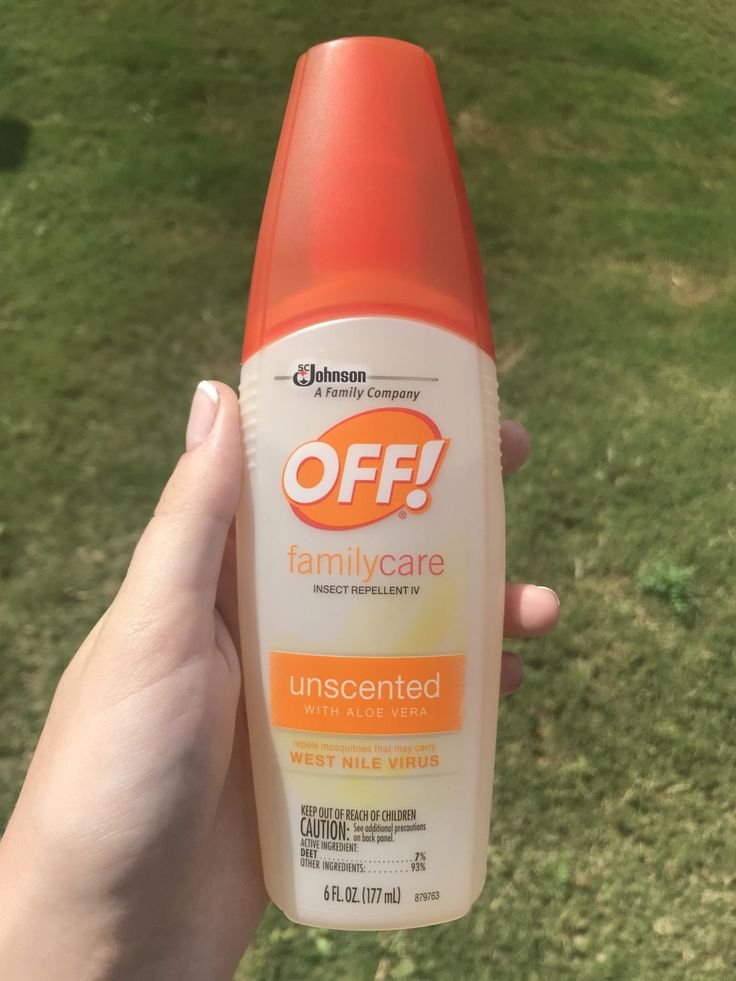
Yes, bug spray can expire or lose effectiveness over time. However, its shelf life depends on the active ingredients, formula, container, and storage conditions. Some products have printed expiration dates, while others can remain usable for several years.
In the United States, bug spray is a common item in homes, camping bags, beach supplies, and outdoor gear. Families often keep a bottle in a garage or cabinet until mosquito season returns. When they find an old bottle, a simple question comes up: Is it still safe and effective to use?
The answer depends on the product. The U.S. Environmental Protection Agency (EPA) does not require every pesticide to carry an expiration date. Some manufacturers provide their own shelf-life guidance, while others state that their products do not have a set expiration date under proper storage conditions.
An old bottle does not always mean bad bug spray. Still, heat, cold, sunlight, leaks, and damaged packaging can affect the formula. An expired or poorly stored repellent may not provide the protection you expect, which matters when mosquitoes or ticks can carry disease.
This guide explains how to check an old bottle, understand common active ingredients, store insect repellent correctly, and decide when replacement is the safer choice. It also explains why a bottle of personal mosquito repellent should not be treated the same as a household insect killer.
Source: storage.googleapis.com
Does Bug Spray Really Expire?
Yes, bug spray can expire, although the exact shelf life depends on its formula and manufacturer. Over time, some ingredients may break down, solvents may evaporate, and the mixture may change. These changes can affect how well the product works.
The EPA explains that pesticide products do not always need an expiration date on their labels. Under federal rules, an expiration date may be required when a formulation is expected to change significantly in chemical composition during storage. Therefore, the absence of a printed date does not mean every bottle lasts forever.
Personal insect repellents are designed to keep mosquitoes, ticks, and other biting insects away from people. Household insecticides have a different purpose because they are made to kill or control pests. Their formulas and storage instructions may differ, so always check the exact product label.
Think of bug spray like a bottle of household cleaner. It may remain useful for a long time, but its condition depends on what is inside and how it has been stored. An old bottle that has spent years in a hot car deserves more caution than one kept in a cool, dry cabinet.
Source: storage.googleapis.com
Expiration date
A date printed by the manufacturer that tells you when the product should no longer be used according to its instructions.
Shelf life
The period during which a product is expected to maintain its intended quality under stated storage conditions.
Product stability
The ability of the formula and container to remain in suitable condition during storage.
Why Some Bug Sprays Have No Expiration Date
Some manufacturers design their repellents to remain stable for many years. They may not print a fixed expiration date because their product does not have a short, clearly defined shelf life under normal storage conditions.
For example, OFF! states that most of its personal insect repellents do not have expiration dates. The company advises consumers to check that the container remains in good condition and has not been exposed to extreme heat or cold. Certain products, including some botanical and bite-relief products, do have printed dates.
This is why you should not apply a general three-year or five-year rule to every bottle. The manufacturer’s instructions are more useful than a date copied from another brand’s product.
Check the brand
Look for the manufacturer’s official shelf-life information.
Read the label
Follow any printed expiration date and storage restrictions.
How Long Does Bug Spray Last?
Bug spray can last from a few years to much longer, depending on the ingredients, packaging, and storage conditions. There is no reliable shelf-life number that applies to every personal insect repellent.
Some manufacturers provide a specific time frame. Sawyer, for example, states that its insect repellents have a shelf life of more than 10 years when stored in a cool, dry place away from direct ultraviolet light. The company also says opening the bottle does not affect the stated shelf life of its repellents.
Other brands may recommend a shorter period or provide a printed expiration date. Botanical products can also have different storage needs from conventional formulas. Always use the exact product information rather than assuming that two sprays with similar labels have the same shelf life.
The following table gives a practical way to understand the differences. These are examples of manufacturer guidance and general storage considerations, not universal expiration limits.
Source: bromoms.blogspot.com
DEET repellents
Some DEET products have long shelf lives, but the exact period depends on the manufacturer’s formula and storage guidance.
Picaridin repellents
Some products are designed for long-term storage. Sawyer reports a shelf life exceeding 10 years under its stated conditions.
IR3535 repellents
Check the product label or manufacturer because shelf-life guidance can differ between formulas.
Plant-based repellents
Botanical formulas may have printed expiration dates and should be checked carefully.
Household insect sprays
These are pesticides rather than personal repellents. Their storage life depends on the specific active ingredients and product formulation.
Does DEET Bug Spray Expire?
DEET is a common active ingredient in mosquito and tick repellents. It is known for its chemical stability, but that does not mean every DEET product can be stored indefinitely.
The complete formula also contains other ingredients that help the product spread, dry, and remain in the container. Those ingredients and the packaging can change over time. Poor storage may affect the product even if its main active ingredient remains relatively stable.
Check the label and ask the manufacturer if you cannot find a shelf-life statement. Do not assume that a high DEET percentage makes an old product safe to use forever.
Important distinction
DEET concentration mainly affects the duration of protection after application. It does not establish the expiration date of the bottle.
Does Picaridin Bug Spray Expire?
Picaridin is another widely used active ingredient in personal insect repellents. Like DEET products, picaridin formulas should be stored according to their specific label instructions.
Sawyer reports that its insect repellents have a shelf life of more than 10 years when kept in a cool, dry place away from direct UV exposure. This is manufacturer-specific information, not a guarantee for every picaridin spray.
If your bottle comes from another brand, check its packaging or contact its manufacturer before relying on an old product.
Storage matters
Avoid leaving picaridin products in direct sunlight, hot vehicles, or places with extreme temperature changes.
Do Natural Bug Sprays Expire Faster?
Natural bug sprays may have a different shelf life from conventional repellents. Products containing plant-derived ingredients, such as certain essential oils, can be sensitive to light, air, and temperature.
Their scent and formula may change during storage. However, a strong or weak smell cannot reliably tell you whether the product still repels insects.
Check for a best-by or expiration date. If the manufacturer gives a shorter storage period, follow it even when the bottle looks normal.
Do not guess
A natural label does not mean the product is permanent, harmless, or effective after its stated shelf life.
How to Tell If Bug Spray Has Expired
The best way to identify expired bug spray is to inspect the label, container, and product condition. Do not depend on smell or appearance alone because some changes in chemical quality may not be visible.
Start by looking for an expiration date. Check the front, back, bottom, and small print around the bottle. If there is no date, look for a lot number, manufacturing code, or customer service number.
Next, inspect the container. A damaged cap, leaking seam, rusty metal can, or broken spray mechanism may indicate that the product is no longer suitable for use. A damaged container can also create a safety risk during handling or storage.
If the bottle has changed color, developed an unusual smell, or shows visible separation that was not present before, stop using it until the manufacturer can advise you. Do not shake a questionable product and assume that it has returned to its original condition.
Source: storage.googleapis.com
Printed expiration date
A date that has passed is a strong reason to replace the product or contact the manufacturer for guidance.
Unusual color
A major color change may indicate that the formula has changed during storage.
Strange odor
A new or unusual smell can indicate a change in the product, especially in botanical formulas.
Separation or thickening
Unexpected layers, clumps, or changes in texture may indicate a problem with the formula.
Damaged packaging
Leaks, corrosion, cracks, swelling, or a broken seal are reasons not to use the product.
Poor spray performance
A blocked nozzle or inconsistent spray may indicate a packaging problem. It does not prove that the active ingredient has expired.
What If the Bottle Looks Normal?
A normal-looking bottle is not proof that the repellent still works as intended. Some chemical changes cannot be seen or smelled by a consumer.
If the product is several years old and has no printed date, contact the manufacturer. Provide the brand, exact product name, active ingredient, lot number, and storage history if available.
If you cannot confirm its condition, replacing it is a sensible choice before a camping trip, long hike, or outdoor event where dependable protection matters.
Do not test it on your skin
A small skin application cannot establish whether an old repellent still provides reliable protection.
What Happens When You Use Expired Bug Spray?
Using expired bug spray may result in reduced or unreliable insect protection. The biggest concern is that mosquitoes, ticks, or other biting insects may reach your skin even though you believe you are protected.
An older formula may also have physical changes. Ingredients can separate, solvents can evaporate, and the product may no longer spread in the way the manufacturer intended. These changes depend on the formulation and storage history.
Expired bug spray does not automatically become poisonous. However, you should not assume that it remains safe simply because it has not caused a problem in the past. A damaged or altered product may behave differently during application.
There is also a difference between personal repellents and insecticides. A personal repellent is made for use on people or clothing as directed by its label. A household insect killer is made for specific surfaces, rooms, or pest-control tasks. Never use one in place of the other.
Source: storage.googleapis.com
Reduced protection
The product may not repel insects for the expected amount of time or may provide unreliable results.
Skin discomfort
A changed formula may cause irritation or discomfort. Stop use if you develop a reaction.
Application problems
Changes in the mixture or spray mechanism may result in uneven application.
False confidence
You may spend time outdoors believing you have protection when the old product may no longer perform as intended.
Can Expired Bug Spray Make You Sick?
An expired bottle does not always cause illness, but an old or damaged pesticide product should not be treated as harmless. The ingredients, concentration, and type of exposure all matter.
If you experience skin irritation, breathing problems, dizziness, or other symptoms after using a pesticide, move away from the exposure and follow the product’s first-aid instructions. Seek medical help for serious symptoms.
In the United States, Poison Control can be reached at 1-800-222-1222. Keep the product container or label available so medical professionals can identify its ingredients.
Serious exposure
Call 911 for severe breathing difficulty, collapse, seizures, or other life-threatening symptoms.
Skin exposure
Follow the label’s first-aid directions and seek advice if irritation continues or becomes severe.
How Storage Conditions Affect Bug Spray
Storage conditions can have a major effect on how long bug spray remains in good condition. A product stored according to its label has a better chance of maintaining its intended quality than one exposed to extreme temperatures or sunlight.
The National Pesticide Information Center (NPIC), a cooperative program involving Oregon State University and the EPA, explains that temperature extremes can change the chemistry of some pesticides and damage their containers. Its general storage guidance recommends keeping pesticides between 40°F and 90°F, unless the product label provides different instructions.
A garage, shed, vehicle, or outdoor storage box may seem convenient, but these places can experience large temperature changes. During summer, a parked car can become much hotter than the surrounding air. During winter, a poorly insulated shed may expose products to freezing conditions.
The safest approach is to follow the storage directions printed on the bottle. Keep the container closed, dry, and away from direct sunlight. Store it where children and pets cannot reach it.
Source: storage.googleapis.com
High temperatures
Heat can affect some ingredients, increase pressure in aerosol containers, and damage packaging.
Freezing temperatures
Freezing can affect some formulas and may damage certain containers or spray mechanisms.
Direct sunlight
Ultraviolet exposure and repeated heating can affect product stability.
Moisture
Wet storage areas can contribute to corrosion or damage around container closures.
Air exposure
Leaving a bottle open or loosely closed can allow evaporation or contamination, depending on the formula.
Is It Safe to Store Bug Spray in a Hot Car?
No. A hot car is not a suitable long-term storage place for bug spray. Temperatures inside parked vehicles can rise quickly, especially in direct sunlight.
Heat may affect the formula and container. Aerosol cans also contain pressurized contents, so exposing them to excessive heat can create a serious safety hazard.
If you regularly carry repellent in your car, take it out when you reach your destination. Store it in a suitable location rather than leaving it in the glove box or trunk for weeks.
Better option
Keep the bottle in a cool, dry storage area at home and take it with you when needed.
Can You Store Bug Spray in a Garage?
A garage may be suitable only if its temperature and storage conditions meet the product label’s requirements. An unheated or poorly insulated garage can become extremely cold or hot.
Keep pesticides away from gasoline, heaters, open flames, food, and animal feed. Store them in their original containers and in a locked or otherwise secure area.
If your garage experiences extreme seasonal temperatures, choose a more stable storage location that follows the manufacturer’s instructions.
Check the environment
Avoid storage locations that regularly experience freezing or excessive heat.
How to Store Bug Spray to Extend Its Shelf Life
Proper storage helps preserve bug spray and reduces the chance of leaks, damage, or accidental exposure. You do not need special equipment for most household repellents. A suitable storage area and a few simple habits are usually enough.
First, keep the product in its original container. The original packaging is designed for the formula and carries important information about ingredients, use, first aid, and disposal.
Second, close the cap or nozzle after each use. Keep the container away from sunlight and temperature extremes. Do not leave it beside a stove, furnace, grill, or other heat source.
Finally, keep the bottle away from children and pets. A high shelf may not be enough protection for curious children, so a locked cabinet or secure storage area is a better option.
Source: storage.googleapis.com
Keep the original label
Do not remove the product label or transfer the contents into another bottle.
Close the container
Secure the cap or closure after each use to limit leaks and unnecessary exposure.
Avoid sunlight
Choose a shaded storage location away from direct UV exposure.
Maintain suitable temperatures
Follow the manufacturer’s temperature guidance rather than guessing.
Keep it secure
Store products in a place that children and pets cannot access.
Check the bottle regularly
Look for leaks, corrosion, damaged closures, or changes in the product.
Should You Refrigerate Bug Spray?
Refrigeration is generally unnecessary unless the manufacturer specifically instructs you to store a particular product that way. Most personal insect repellents are intended for normal storage within the temperature range on their labels.
A refrigerator is not a universal solution for extending shelf life. Cold temperatures may be unsuitable for some formulas, and an aerosol product should not be stored contrary to its instructions.
Use a cool, dry storage location that meets the label’s requirements instead of experimenting with refrigeration.
Follow the label
Do not refrigerate or freeze a product unless its manufacturer explicitly recommends those conditions.
Does Opening Bug Spray Shorten Its Shelf Life?
Opening a bottle can expose some formulas to air and moisture, but the effect depends on the product. It does not automatically mean that the repellent expires as soon as you use it.
Sawyer states that opening its insect repellent bottles does not affect their stated shelf life when the products are properly stored. This guidance is specific to its products and should not be applied to every brand.
Close your bottle after use and follow the manufacturer’s instructions. If a product has a shorter period after opening, use that guidance.
Keep it closed
Secure the cap after every application and avoid leaving the bottle open.
When Should You Replace Old Bug Spray?
Replace bug spray when its printed expiration date has passed, the container is damaged, or the manufacturer advises against further use. You should also consider replacement when the storage history is unknown and the product will be used in an area with a high risk of mosquito or tick exposure.
For a bottle without an expiration date, contact the manufacturer if you are unsure about its age or condition. A lot number can help the company identify when the product was made and provide more specific guidance.
Do not wait until an outdoor trip to check an old bottle. Inspect your supplies before camping, fishing, hiking, gardening, or traveling. This gives you time to replace questionable products rather than depending on them at the last minute.
A fresh bottle is not automatically necessary every year. The correct replacement decision should be based on the actual label, manufacturer guidance, product condition, and storage history.
Source: storage.googleapis.com
Replace immediately
The container is leaking, badly corroded, cracked, swollen, or otherwise damaged.
Follow the printed date
The manufacturer’s expiration date has passed.
Contact the manufacturer
The bottle has no date, but its age or storage history raises questions.
Choose a replacement
The formula has changed noticeably or the manufacturer cannot confirm that the old product remains suitable.
What If You Cannot Find the Expiration Date?
Some products have no printed expiration date, so start by finding the exact brand and product name. Check the manufacturer’s website for shelf-life information and look for a lot or batch number.
Contact customer service if the available information does not answer your question. Tell them when you purchased the bottle, where it was stored, and whether it has been opened.
If the product cannot be identified or its age cannot be established, do not guess. The EPA advises consumers to follow safe-disposal guidance when pesticide contents cannot be identified or their age is unknown.
Information to provide
Brand, product name, active ingredient, lot number, purchase date, and known storage conditions.
How to Dispose of Expired Bug Spray Safely
Dispose of expired bug spray according to its label and local waste rules. Do not automatically pour the contents into a sink, toilet, storm drain, or outdoor soil. Pesticide ingredients can harm people, animals, and the environment when discarded incorrectly.
The disposal method depends on the type of product and its container. A pressurized aerosol can has different handling concerns from a plastic pump bottle. Some communities accept unwanted pesticides through household hazardous waste collection programs.
Keep the product in its original container until you can dispose of it. Do not mix it with other chemicals or transfer it into a drink bottle, food jar, or unmarked container.
If you cannot find disposal instructions, contact your local waste management department or household hazardous waste program. The EPA also provides information about safe pesticide disposal.
Source: storage.googleapis.com
Read the label
Follow the disposal instructions printed on the original container.
Use local collection services
Check whether your community accepts unwanted pesticides through a household hazardous waste program.
Do not burn aerosol cans
Pressurized containers can be dangerous when exposed to heat or fire.
Do not pour chemicals down drains
Avoid releasing unwanted pesticide products into sinks, toilets, waterways, or storm drains.
Keep the container secure
Store the unwanted product safely until you can follow an approved disposal method.
Can You Throw Away an Empty Bug Spray Can?
Do not assume that every empty aerosol can belongs in regular household trash or recycling. Local rules differ, and a can may still contain pressurized material or product residue.
Read the label and check your local waste collection rules. Never puncture, crush, or burn an aerosol container unless an authorized disposal service specifically instructs you to do so.
Check local rules
Ask your local recycling or waste management service how to handle empty pesticide aerosol containers.
Common Mistakes People Make With Old Bug Spray
Many people make simple storage and inspection mistakes that can reduce confidence in an old repellent. Avoiding these habits can help you keep your supplies in better condition and prevent accidental exposure.
One common mistake is assuming that a product without an expiration date lasts forever. Another is treating every brand as if it has the same shelf life. Both assumptions ignore differences in formulas and manufacturer instructions.
A third mistake is judging quality by smell alone. A bottle may smell normal even when its performance is uncertain. Likewise, a change in appearance does not tell you exactly which chemical change has occurred.
Good storage and careful label checks are more useful than guessing. When the manufacturer’s guidance is unclear, ask before relying on an old product.
Source: storage.googleapis.com
Using a hot-car bottle
A bottle left in a hot vehicle may have experienced temperatures outside its recommended storage range.
Ignoring damage
Leaks, cracks, corrosion, and broken spray mechanisms should never be dismissed.
Following another brand’s shelf life
Different formulas may have different stability and storage requirements.
Mixing old and new products
Do not combine different repellents or transfer contents into another container.
Using household insecticide on skin
Only use products on the surfaces or body areas specifically allowed by their labels.
Keeping unidentified bottles
A bottle without a readable label should not be used based on its appearance or assumed contents.
Does a Higher DEET Percentage Mean Longer Shelf Life?
No. A higher DEET concentration does not automatically mean the product has a longer shelf life. Concentration and storage stability describe different things.
The concentration of DEET helps determine how long a repellent can protect against insects after application. Shelf life describes how long the product remains suitable for storage before use.
A bottle with 30% DEET and a bottle with 10% DEET can have different manufacturer storage instructions. Check each product separately.
Remember the difference
Protection time after application is not the same as the number of years a bottle can be stored.
Research Findings and Useful Questions Not Covered Well by General Guides
The most useful answer to this topic is not a universal expiration number. It is a clear method for deciding whether a particular bottle can still be relied upon.
For this guide, the research review included U.S. EPA pesticide-labeling guidance, EPA storage recommendations, the National Pesticide Information Center’s storage guidance, and manufacturer information from OFF! and Sawyer. These sources show why broad statements such as all bug sprays expire after three years can be misleading.
The EPA explains that expiration dates are not required for every pesticide. OFF! gives product-specific guidance for products without printed dates, while Sawyer provides a longer shelf-life statement for its own repellents under stated storage conditions.
General articles often explain that old repellents may lose effectiveness, but readers also need to know what to do when a date is missing, a lot number is available, or the product has been exposed to heat. These practical decisions are more useful than repeating a single shelf-life estimate.
Source: storage.googleapis.com
Observed question: Do products without dates expire?
Manufacturer FAQs address this issue. The practical answer is to check brand-specific storage guidance rather than assume unlimited shelf life.
Observed question: Can extreme temperatures damage bug spray?
NPIC and EPA storage guidance address the effect of temperature extremes on pesticide chemistry and containers.
Inferred next need: How do I identify an old bottle?
Readers may need to locate a batch code, manufacturing information, or customer service contact when no expiration date appears.
Inferred next need: What if I cannot confirm its condition?
A practical decision path should explain when to replace the bottle and how to dispose of it safely.
Compact Next-Question Gap Map
The following map separates questions found in the reviewed manufacturer and official guidance from practical questions inferred from the reader’s task. Competitor coverage refers to the selected pages reviewed for this article, not the entire internet.
Question: Does every bug spray need an expiration date?
Stage: Before use. Basis: Observed in EPA labeling guidance. Coverage: ANSWERED by EPA. Benefit: Corrects the assumption that every bottle must have a printed date. Priority: High.
Question: Does heat affect insect repellent?
Stage: Storage. Basis: Observed in NPIC and EPA guidance. Coverage: ANSWERED by official sources, with varying detail in general guides. Benefit: Helps readers avoid hot vehicles and unsuitable storage areas. Priority: High.
Question: What should I do when there is no expiration date?
Stage: Before use. Basis: Observed in OFF! and Sawyer manufacturer FAQs. Coverage: SHALLOW in general guidance. Benefit: Provides a brand-specific checking method. Priority: High.
Question: Can I use an old bottle that looks normal?
Stage: Before application. Basis: Inferred next need. Coverage: SHALLOW in general guidance. Benefit: Explains why appearance alone cannot prove effectiveness. Priority: High.
Question: How do I dispose of old pesticide spray?
Stage: After deciding not to use it. Basis: Inferred next need from the disposal task. Coverage: NOT CHECKED across all reviewed competitor pages. Benefit: Reduces unsafe disposal and accidental exposure. Priority: Medium.
Question: Does opening the bottle shorten its shelf life?
Stage: After first use. Basis: Observed in Sawyer manufacturer guidance. Coverage: ANSWERED for Sawyer, not established for all brands. Benefit: Prevents readers from applying one brand’s rule to every formula. Priority: Medium.
What This Research Does Not Establish
The reviewed evidence does not establish one expiration period for every DEET, picaridin, IR3535, or botanical repellent. It also does not establish that every old bottle is dangerous or ineffective.
There is no universal visual test that allows a consumer to measure the remaining strength of an insect repellent. A manufacturer or suitable product-specific testing would be needed to establish that information.
The most reliable decision remains product-specific: follow the label, consider storage history, inspect the packaging, and contact the manufacturer when necessary.
Evidence limitation
Manufacturer shelf-life statements apply to their own products and stated storage conditions.
Testing limitation
This guide is based on document research, not laboratory testing of individual bottles.
Frequently Asked Questions
Q
Does bug spray expire if it has never been opened?
Yes, an unopened bottle can still reach the end of its recommended shelf life. Keeping it sealed may help protect the formula, but it does not stop all chemical changes over time.
Check the expiration date and manufacturer’s storage guidance. If the bottle has no date, contact the manufacturer with its lot number and product name.
Q
Can I use bug spray that is three years old?
Possibly. Three years alone does not prove that a repellent has expired. Some products have shorter recommended shelf lives, while certain manufacturers state that their formulas can last much longer under suitable conditions.
Check the product label, storage history, and manufacturer guidance. Replace it if it is damaged, past its printed expiration date, or cannot be confirmed as suitable for use.
Q
Does bug spray lose effectiveness after opening?
Opening a bottle does not automatically make bug spray ineffective. The effect depends on the formula, packaging, and storage conditions.
Some manufacturers, such as Sawyer, state that opening their repellent bottles does not affect the stated shelf life. Other products may have different instructions, so keep the container closed and follow its label.
Q
Does expired bug spray still repel mosquitoes?
It may still repel some mosquitoes, but its performance cannot be assumed. Changes in the active ingredient or the overall formula may reduce the protection it provides.
Do not rely on an expired or questionable product when dependable mosquito protection is important. Replace it or obtain guidance from the manufacturer.
Q
Can expired bug spray damage your skin?
An expired product does not automatically cause skin damage. However, an altered or damaged formula may cause irritation or other unwanted effects.
Use only products that are in suitable condition and approved for the intended application. Follow the label and stop using a product if you develop irritation or another reaction.
Q
Does OFF! bug spray expire?
According to OFF!, most of its personal insect repellents do not have printed expiration dates. The company says they can be used as long as the container remains in good condition and has not been exposed to extreme heat or cold.
Some OFF! products, including certain botanical and bite-relief products, have expiration dates printed on their labels. Check the exact product rather than assuming all OFF! formulas follow the same rule.
Q
Does natural bug spray expire?
Yes, natural insect repellents can expire or change during storage. Plant-based ingredients may be sensitive to light, air, and temperature.
Check the expiration date and storage instructions. Do not assume that a natural product remains effective simply because it still has its original scent.
Q
Can I keep bug spray in my camping bag?
You can carry bug spray in a camping bag when the product and container are suitable for transport. However, avoid leaving it in direct sunlight or allowing it to experience extreme temperatures.
For aerosol products, follow all label warnings about heat and pressure. Inspect the container before packing and store it securely away from food and items that children may access.
✦ Wrapping Up
Conclusion
Bug spray can expire, but its shelf life depends on the active ingredients, complete formula, packaging, and storage conditions. Some products have printed expiration dates, while others may remain suitable for many years when stored correctly.
The best way to judge an old bottle is to read its label, check the container, and review the manufacturer’s official guidance. Avoid products that are damaged, leaking, visibly changed, or past their stated expiration dates. Do not rely on smell or appearance alone to prove that an old repellent still works.
Store your insect repellent in its original container in a cool, dry place that meets the label’s requirements. Keep it away from children, pets, food, direct sunlight, and extreme temperatures.
If you cannot confirm the age or condition of an old bottle, contact the manufacturer or choose a suitable replacement. Reliable protection is worth more than saving a questionable bottle before your next outdoor activity.
💡 Key Takeaway
Before using an old bottle of bug spray, check its expiration date, lot number, container condition, and storage history. If the product is damaged, expired, or its condition cannot be confirmed, replace it and dispose of the old bottle according to its label and local waste rules.
You spot a line of ants marching across the kitchen counter. You grab the Terro bottle from the pantry and… do what? If you’re asking how to use terro ant…
You see a black ant the size of a pencil tip crawling along your baseboard at 2 a.m. You grab the Terro from the garage shelf, set it on the counter, and wait.…