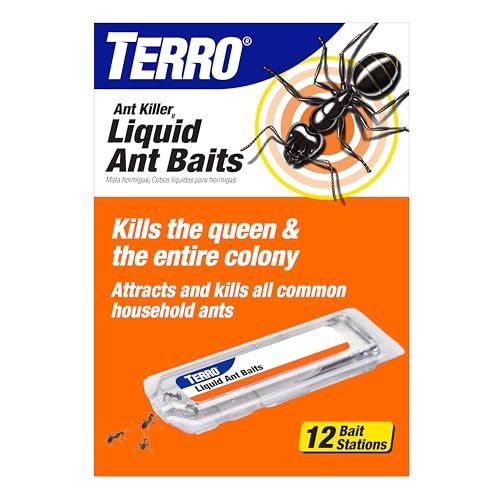
To use Raid ant traps, read the package directions, place each bait station near active ant trails, and keep it away from children, pets, food, and water. Leave the bait in place for the label’s recommended period and monitor ant activity.
Ants in an American home can show up beside a kitchen sink, along a pantry shelf, near a patio door, or around a pet’s food bowl. A few tiny workers can quickly become a daily nuisance. Raid ant traps offer a way to target ants where they travel instead of spraying every surface they cross.
The key is to use the right bait station in the right place. Many ant bait stations contain food that attracts worker ants and an insecticide that helps control the colony. Workers feed on the bait and may carry some back to the nest. Results depend on the ant species, the bait formula, the station design, and how the product is used.
Raid sells different pest control products, and instructions can vary by product and package. This guide explains the general method for using Raid ant bait stations in a typical US home. Your exact product label takes priority, especially for placement, exposure precautions, replacement timing, and disposal.
Source: www.youtube.com
What Are Raid Ant Traps and How Do They Work?
Raid ant traps are bait stations designed to attract ants and expose them to an insecticide. Depending on the product, the bait may come in a small enclosed station that contains liquid, gel-like material, or another bait formulation. The exact ingredients and intended uses vary, so check the package rather than assuming every Raid station works in the same way.
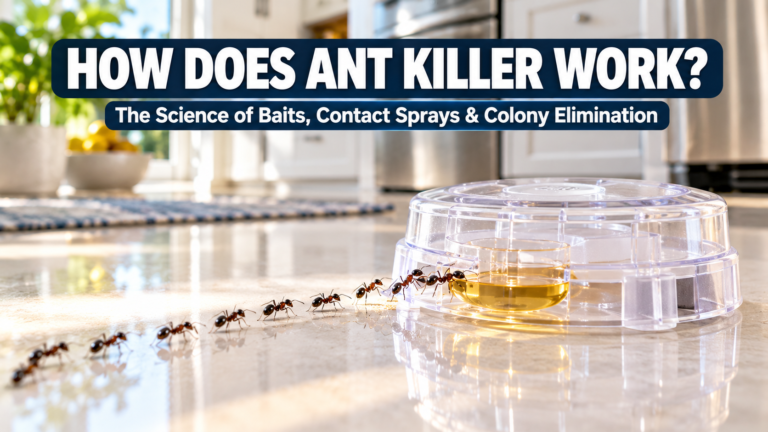
Many ant baits rely on a simple process. Worker ants search for food, find the bait, feed on it, and may share food with other members of the colony. When the bait’s active ingredient and the ant species are a suitable match, this process can help control ants beyond the workers you see on the counter.
A bait station is different from a contact-kill spray. A spray may kill an ant directly when it hits the insect. Bait is intended to attract feeding ants, which can allow the treatment to reach other ants in the colony. This is why a station may seem slow compared with a spray, even when ants are visiting it.
Source: www.youtube.com
Bait
The food or feeding material attracts ants. Its appeal depends on the species and the food sources available in the area.
Active ingredient
The insecticide controls ants that consume the bait. Read the product label for the specific ingredient and approved uses.
Station
The housing contains the bait and helps make it easier to place in suitable locations. It does not make the contents harmless if a child or pet chews or opens it.
Why Do Ants Visit the Trap Instead of Dying Immediately?
Some bait formulations are designed to work gradually rather than kill every ant on contact. This can give worker ants time to feed and return to the colony. The process takes time, and not every ant that visits a station will necessarily carry bait back to the nest.
A slow start does not always mean the product has failed. However, if ants ignore the station, the bait may not appeal to that species, another food source may be more attractive, or the station may be poorly placed.
Expected sign
Ants approach the station, feed, and travel along their usual paths.
Possible problem
Ants avoid the station completely or cannot reach its bait because it is damaged or incorrectly positioned.
Before You Use Raid Ant Traps
Prepare the area before placing a bait station. First, confirm that the product is an ant bait station and that its label permits use in the intended location. Do not assume that a product meant for outdoor use is suitable for a kitchen, bedroom, or other indoor space.
Look for the ants’ main travel routes. Check along baseboards, around door frames, near plumbing openings, and beside windows. You do not need to find the nest before starting, but identifying a steady trail helps you place the bait where ants are likely to encounter it.
Clear away competing food sources without disrupting the route you plan to treat. Store open food in sealed containers, wipe up crumbs, and remove sugary spills. Keep the area clean, but do not use strong cleaners or insecticide sprays directly around the intended bait location.
Source: www.youtube.com
Check the package
Confirm the product name, approved locations, setup instructions, precautions, and replacement or disposal directions.
Inspect the area
Identify active trails and possible entry points without touching or disturbing the ants unnecessarily.
Protect people and pets
Choose a location that children and animals cannot reach, and keep stations away from food, utensils, and food preparation surfaces.
Check for moisture
Avoid wet spots, standing water, and areas where the station could be flooded or washed away, unless the label specifically permits the location.
Should You Clean Before Placing the Bait?
Yes, remove crumbs, grease, spills, and exposed food before you set out the station. Clean the surrounding area while leaving the planned bait location free of wet cleaning residue. Let surfaces dry before placing the product when appropriate.
Avoid wiping away the entire ant trail immediately before placing bait if doing so would prevent ants from finding it. You can clean competing food sources and still leave the ants a clear route to the station. After the treatment begins, continue routine cleaning without contaminating or moving the bait.
Do
Store pantry food securely and clean food residue from nearby surfaces.
Do not
Spray the station or its approach route with a repellent product unless the label specifically directs otherwise.
How to Use Raid Ant Traps Step by Step
The best method is to follow the product label in order, then observe how ants respond. The steps below describe general bait-station use. Follow any different instructions supplied with your particular Raid product, including rules for opening, activating, or positioning the station.
Source: www.youtube.com
Step 1: Read the label
Check the approved setting, directions for use, placement limits, warnings, first-aid information, and disposal instructions. Confirm that the product is intended for the ant problem you are treating.
Step 2: Choose an active trail
Watch where ants travel. A location beside a steady trail is usually more useful than an empty area where ants rarely pass.
Step 3: Prepare the station
Open, activate, or position the station only as directed. Do not cut into the housing, pierce it, or transfer the bait into another container.
Step 4: Place it correctly
Set the station on a stable surface near the trail, following the label’s distance and location instructions. Keep it out of reach of children and pets.
Step 5: Let ants find the bait
Allow ants to approach the station without spraying them or blocking their route. Avoid moving the station repeatedly when ants begin visiting it.
Step 6: Monitor activity
Check the station and nearby trails regularly. Look for feeding activity, changes in ant numbers, leaks, damage, or signs that the bait has dried out.
Step 7: Replace or dispose of it as directed
Follow the label’s replacement schedule and disposal instructions. Do not leave an old station in place indefinitely or assume it remains effective once damaged or depleted.
How Many Raid Ant Traps Should You Use?
Use the number of stations specified on the package for the product and area being treated. There is no single number that works for every home because station design, infestation size, placement rules, and product directions can differ.
A large kitchen may have more than one active trail, while a small bathroom may have only one. Place stations according to the label rather than clustering them together in one spot. Adding extra bait does not guarantee faster control and may increase the chance of accidental exposure.
One clear trail
Start with the placement and number of stations recommended by the label for that situation.
Several trails
Treat permitted active areas according to the directions, while keeping each station protected from children, pets, and moisture.
Should You Put the Trap Directly on the Ant Trail?
Place the station beside or near an active trail when the label permits it. Ants should be able to reach the bait without climbing over an unstable object or crossing a surface that has recently been treated with a repellent.
Do not block the trail with the station, and do not place it where people may kick it, sweep it away, or spill it. A safe, stable location near the route is better than a convenient spot that ants rarely visit.
Good placement
A stable, protected location beside a visible trail where ants can reach the station.
Poor placement
A wet sink edge, an exposed food preparation surface, or a place where a child or pet can touch the bait.
Where to Place Raid Ant Traps in Your Home
The most useful placement is usually close to an active ant route, provided the product label allows that location. Ants often follow edges, seams, and narrow paths instead of crossing open floor space. Look for repeated movement rather than placing a station wherever you happen to see one ant.
In a typical US home, possible locations include protected areas beside baseboards, near an entry point, or along a route behind an appliance. The correct location depends on the product directions and whether the area stays dry and inaccessible to children and pets.
Source: www.youtube.com
Kitchen
Use only label-approved locations away from food, dishes, utensils, and food preparation surfaces. Do not place bait where it could contact food or be washed into a sink.
Bathroom
If indoor use is permitted, choose a dry area near the trail rather than a wet shower edge or a spot that gets splashed during cleaning.
Entry doors and windows
Check for ant trails along frames and nearby baseboards. Place bait only where the station will remain stable and protected.
Pantry and food storage areas
Seal food and remove spills first. Follow the label closely and never put a station inside a food container or on a surface that directly touches food.
Outdoor areas
Use a station outdoors only if its label allows outdoor placement. Protect it from rain, irrigation, direct exposure, and access by children or animals as directed.
Can You Put Raid Ant Traps Under the Sink?
An under-sink cabinet can be useful if ants travel through it and the exact product is approved for that location. First check for leaks, damp wood, cleaning products, and plumbing openings that could expose or damage the station.
Do not place a bait station beside a leak or where household cleaners may spill on it. Keep it separate from stored items that children or pets might pull out. If the cabinet cannot be secured, choose another label-approved location.
Check first
Look for moisture, damaged pipes, and signs of an ant trail.
Keep it protected
Make sure the station cannot be knocked over, flooded, or reached by curious hands or paws.
Can You Put Ant Traps on Kitchen Counters?
Do not place a bait station on a food preparation surface unless the exact product label explicitly permits that use. A counter may be easy for ants to reach, but it also comes into contact with food, plates, and hands.
Look for a suitable protected position near the trail instead. Keep the bait separate from food and utensils, and wash your hands after handling the station as directed by its label.
Safer approach
Choose a label-approved location away from surfaces used to prepare or serve food.
Avoid
Placing bait beside cutting boards, open food, pet bowls, or dishes.
How Long Do Raid Ant Traps Take to Work?
Raid ant traps do not always produce an immediate drop in visible ants. Bait stations need time to be discovered and used, and colony control depends on the bait formulation, ant species, colony size, competing food, and access to the nest.
You may see more ants near a station soon after placing it. This can happen because the bait attracts workers to a food source. An increase in visits alone does not prove the infestation is getting worse, but it does mean you should watch the pattern and check that the station remains safe and intact.
Use the timing stated on your package as the main guide. Avoid promising yourself that every infestation will disappear within a fixed number of hours or days. If the label’s expected treatment period passes without improvement, review the placement and consider another approach.
Source: www.youtube.com
Early visits
Ants may gather around the station as they discover the bait.
Gradual change
A reduction in activity along the treated trail can indicate that the bait is helping.
No improvement
Ants may be avoiding the bait, feeding elsewhere, or coming from a colony that the treatment does not adequately reach.
Should You Leave Raid Ant Traps Out Overnight?
You can leave a station in place overnight when the label permits it and the location remains safe. Ants may forage at different times, so a trail that seems quiet during the day may become active later.
Before leaving it unattended, confirm that children and pets cannot reach the station and that it cannot be knocked into food, a sink, or a pet’s water bowl. Follow the product’s directions for the full treatment period and removal.
Check before bed
Confirm that the station is intact, stable, and protected from accidental contact.
Check the next day
Look for feeding activity, leaks, damage, or changes in the ant trail.
What to Do if Ants Ignore the Raid Bait Station
If ants walk past a station without feeding, do not immediately add more stations or switch to spraying. First check whether ants can reach the bait, whether the station is damaged, and whether food crumbs or spills provide a more appealing option.
Ants have different feeding preferences, and those preferences can change over time. Some are drawn to sweet foods, while others may prefer protein or fats. A bait that attracts one species may not attract another, so identifying the ant and choosing a suitable product can matter more than adding quantity.
Do not open the station or mix the bait with sugar, water, oil, or other substances unless the label specifically instructs you to do so. Altering the product can change exposure risks and interfere with its intended use.
Source: www.youtube.com
Check placement
Move the station only as permitted by the label, placing it nearer an active route if the original location receives little traffic.
Remove competing food
Seal food, wipe up spills, and empty crumbs from nearby areas without contaminating the bait.
Check the station
Look for damage, leakage, drying, or other signs that it needs replacement under the label.
Reconsider the ant species
If ants still avoid the bait, seek identification or use a label-approved product suited to the species.
Should You Spray Raid Around an Ant Trap?
Avoid spraying insecticide directly on or around a bait station unless the product labels explicitly allow the combination. A repellent spray may drive ants away from the bait and reduce the number that feed on it.
Some sprays also leave residues on surfaces where ants travel. Read both product labels before combining treatments, and do not assume that using two products together will make the process faster or more effective.
If you need immediate control in another area, use only a method permitted by its label and keep it separate from the baiting route when necessary. If the infestation continues, a pest management professional can help determine whether a different treatment is appropriate.
Avoid
Spraying the station, soaking the trail, or coating the bait with household chemicals.
Prefer
Careful bait placement, removal of competing food, and monitoring under the label’s instructions.
What if Ants Increase After Placement?
A short-term increase in visible ants may reflect workers gathering around the food source. Observe whether they are actually feeding and whether activity later declines. Do not judge the result from one brief inspection.
If the station attracts ants but activity remains high beyond the period described on the package, inspect the surrounding area for other trails, additional food sources, and possible entry points. The colony may need a different bait or a more complete treatment.
Watch the pattern
Compare ant activity over time rather than counting only the ants at the station.
Check other areas
Look for separate trails that may lead to another colony or food source.
How to Use Raid Ant Traps Around Children and Pets
Treat every insecticide bait station as a product that requires careful handling. An enclosed station can reduce direct contact with the bait, but it is not childproof or pet-proof unless the exact label says so. Children may pick up a station, and pets may chew it or move it while exploring.
Choose a location that children and pets cannot access, and follow all label restrictions. Do not put bait beside a pet’s food or water bowl, inside a toy area, on a low shelf that a child can reach, or anywhere an animal could lick or chew it.
After handling a station, wash your hands as directed on the label. Keep unused stations in their original packaging and store them in a secure place away from food, medication, animal feed, and household items. Never transfer the product to a food container.
Source: bengali.abplive.com
Keep bait inaccessible
Use only protected locations permitted by the label and make sure children and animals cannot reach or dislodge the station.
Protect pet areas
Keep bait away from bowls, litter areas, pet beds, cages, and places where animals explore or eat.
Store products securely
Keep spare stations in their original packaging in a locked or otherwise inaccessible storage area.
Respond to exposure
If a child or pet chews or swallows a station, or if bait contacts the eyes or skin, follow the product’s first-aid instructions and contact the appropriate poison or veterinary service promptly.
What Should You Do if a Child or Pet Touches the Bait?
First, stop further contact and check the product label for its first-aid directions. If bait is on skin, follow the label’s instructions for washing. If it enters the eyes, use the recommended rinsing procedure and seek medical advice when directed.
If a child swallows bait or a pet chews or eats a station, do not wait for symptoms before seeking advice. In the United States, call Poison Control at 1-800-222-1222 for human exposures. For animal exposures, contact a veterinarian or an animal poison control service.
Keep the package available so the person providing advice can identify the exact product and active ingredient. Do not induce vomiting or give home remedies unless a qualified professional tells you to do so.
Human exposure
In the US, Poison Control is available at 1-800-222-1222. Call 911 for severe symptoms or a medical emergency.
Pet exposure
Contact a veterinarian or animal poison control service and provide the product name and label information.
Common Mistakes to Avoid When Using Raid Ant Traps
Many baiting problems come from placement, competing food, or impatience rather than the station alone. A few small changes can make the treatment easier to monitor and reduce unnecessary pesticide exposure.
Keep the product in its intended form, follow the label, and avoid combining treatments without checking compatibility. If ants persist, diagnose the cause before repeating the same approach.
Source: brta.gazipur.gov.bd
Moving stations too often
Repeated movement may prevent ants from finding the bait. Choose a suitable location and allow time for the process described on the label.
Placing stations near competing food
Open sugar, crumbs, grease, and pet food can draw ants away from the bait. Store food securely and clean spills.
Using too many stations
More stations are not always better. Follow the package directions for the number and spacing of stations.
Ignoring moisture
Water can damage some stations or alter their contents. Keep bait dry and replace damaged stations as directed.
Combining bait with repellent sprays
A spray may keep ants away from the station or interfere with their feeding route. Follow both labels before combining treatments.
Expecting instant results
Baiting may take time because workers need to find and consume the bait. Judge progress over the label’s recommended period.
Leaving damaged stations in place
A cracked, leaking, or chewed station may expose people or pets. Follow the label’s directions for safe cleanup and disposal.
How Can You Tell Whether the Bait Is Working?
Look for a change in the overall pattern, not just the number of ants at the station. Ants may gather around the bait at first, then become less common along the treated trail as control progresses.
A useful approach is to check the same areas at similar times each day and note whether the trail remains active, shifts to another location, or fades. This is a simple observation method, not a formal test, and other food sources or new colonies can affect what you see.
Signs of progress
Fewer ants along the original trail, less activity around food sources, and no new trails appearing nearby.
Signs to investigate
No feeding, continued heavy traffic after the expected treatment period, fresh trails in other rooms, or a station that has dried out or become damaged.
When Raid Ant Traps May Not Be Enough
Bait stations can help with many household ant problems, but they are not a universal fix. Their effectiveness depends on the species, the bait, the location of the colony, and whether the ants can access the station.
If ants keep returning, the source may be outdoors, inside a wall void, or in another area that the stations do not reach. A new trail can also appear after the original trail declines. Sealing entry points, fixing moisture problems, and removing food sources can help reduce repeated activity.
Some ants, including carpenter ants, may point to a different problem. Carpenter ants can nest in damp or damaged wood, so repeated activity near windows, roof leaks, or wall cavities may call for inspection rather than bait alone. Do not assume that every large black ant is a carpenter ant; identification matters.
If you see widespread activity, repeated indoor trails, signs of a nest inside a building, or persistent activity despite correct bait use, consider a licensed pest management professional. A professional can identify the species and assess whether a different bait, targeted treatment, or nest inspection is needed.
Source: www.youtube.com
Persistent trails
Review placement, food sources, and the label first. If activity remains heavy, seek help identifying the ant and its source.
Carpenter ant concerns
Look for repeated activity near damp wood or structural damage and arrange an inspection if warranted.
Multiple rooms affected
Several trails may indicate more than one entry point or colony. A broader treatment plan may be necessary.
Possible pesticide exposure
If a station leaks or is damaged, follow the label’s cleanup directions and keep people and pets away from the area until it is safe.
How to Prevent Ants From Coming Back
Prevention works best when you remove the things ants need and limit the routes they use to enter. Even after baiting reduces activity, keep food sealed and address small spills quickly. A clean home may still get ants, but fewer accessible food sources can make it less attractive.
Check window frames, door sweeps, and gaps around utility lines. Seal suitable cracks where ants enter, and repair leaking pipes or other sources of persistent moisture. Outdoors, keep vegetation and stored items from creating easy paths into the building where practical.
Store food securely
Use sealed containers for pantry items, wipe up sugary spills, and avoid leaving pet food out longer than needed.
Fix leaks
Repair dripping pipes and dry damp areas that may attract ants or support nesting.
Seal entry points
Close suitable gaps around doors, windows, and utility openings after identifying where ants enter.
Monitor known routes
Check previous trails after treatment so you can respond early if activity returns.
Frequently Asked Questions
Q
How do you use Raid ant traps correctly?
Read the exact package directions, identify an active ant trail, and place the station in a stable, label-approved location. Keep it away from children, pets, food, and moisture. Allow ants to find the bait, monitor activity, and replace or dispose of the station as directed.
Q
How long should you leave Raid ant traps out?
Leave the station in place for the period specified on its label, provided it remains intact and the location stays safe. Different Raid products may have different instructions, so do not apply one product’s timing to another.
Q
Why are more ants coming to my Raid ant trap?
The bait may be attracting worker ants to a food source. This can be part of the normal baiting process and does not by itself mean the treatment has failed. Check whether ants are feeding and watch the overall trail over time. If heavy activity continues beyond the expected treatment period, review the placement and bait suitability.
Q
Can I put Raid ant traps near my pet’s food bowl?
Do not place a station beside a pet’s food or water bowl. Choose a location that the animal cannot reach and that is permitted by the label. If your pet chews or swallows a station, contact a veterinarian or animal poison control service for guidance.
Q
Can I use Raid ant traps and ant spray together?
Do not spray directly on or around a bait station unless the relevant product labels permit the combination. Some sprays repel ants or interfere with feeding, which can reduce bait use. Follow both labels and keep treatments separate when required.
Q
What should I do if ants will not eat the bait?
Check whether the station is close to an active trail, whether competing food is available, and whether the bait is damaged or dried out. Ant species differ in their food preferences, so the product may not suit the ants you have. Do not alter the bait; use a suitable label-approved alternative or seek professional identification.
Q
Are Raid ant traps safe to use in a kitchen?
Use a station in a kitchen only if its label permits that setting. Keep it away from food, dishes, utensils, and surfaces used to prepare or serve meals. Store the unused product securely, wash your hands as directed, and prevent children and pets from reaching the station.
Q
Do Raid ant traps kill the entire colony?
Some bait stations are designed to help control a colony by allowing worker ants to carry or share bait, but complete colony control is not guaranteed. Results depend on the ant species, active ingredient, bait acceptance, colony location, and correct placement. Persistent or widespread activity may require a different treatment.
✦ Wrapping Up
Conclusion
Learning how to use Raid ant traps starts with three things: read the label, place the station near an active ant trail where use is permitted, and give the bait time to work. Keep the station intact, dry, and out of reach of children and pets. Avoid spraying around the bait unless the labels permit it.
If ants visit the station, watch the overall pattern instead of expecting every ant to disappear at once. Remove competing food, check for new trails, and replace or dispose of the station as directed. If the ants ignore the bait or keep returning, review the placement and species before choosing another treatment.
For a small household problem, careful bait placement and basic prevention may be enough. For persistent trails, suspected carpenter ants, or a widespread infestation, professional identification can help you choose a more effective plan.
💡 Key Takeaway
Today, inspect the ant trail, read your Raid product label, and place the station only in a permitted, protected location. Keep food sealed, avoid sprays near the bait, and monitor the results according to the package directions.
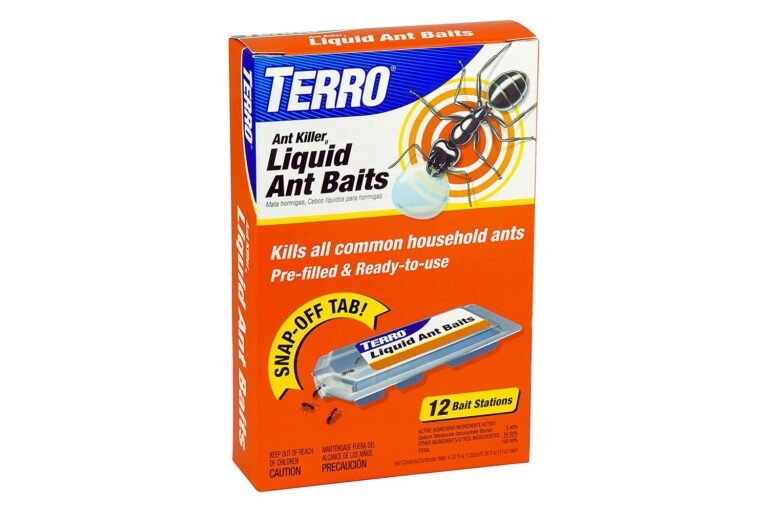
Does TERRO ant killer work? Learn how TERRO liquid ant bait works, how long it takes, which ants it targets, common mistakes, safety tips, and when to call a pest pro.