Borax vs Boric Acid for Ants: Key Differences


Is Borax Good for Ants?
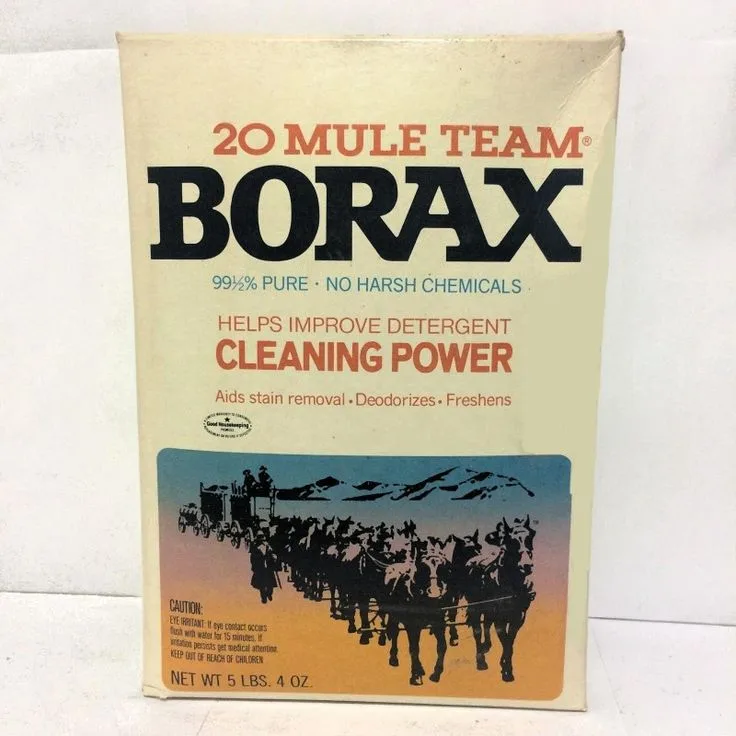
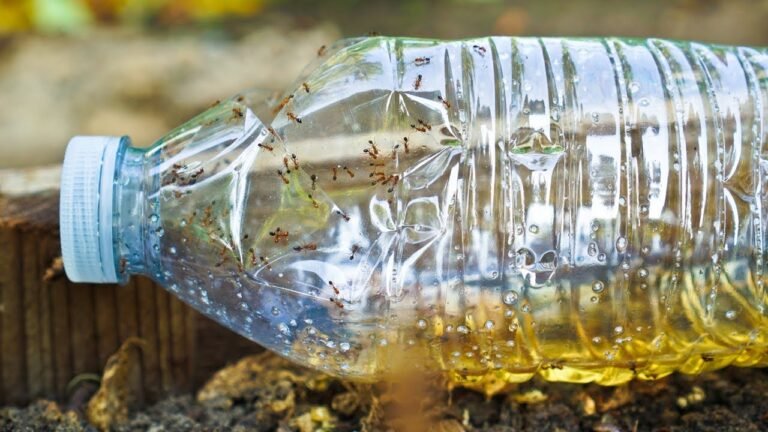
Yes, borax can help control ants when you use it in a suitable bait. Borax is the common name for sodium tetraborate. It contains boron and can harm insects that eat enough of it. Ants may carry food bait back to their nest and share it with other colony members. This makes bait more useful than simply sprinkling powder over an ant trail.
I see borax as a practical option for people who want to understand and prepare a simple bait. Think of it as a slow-moving roadblock rather than an instant wall. The ants must find the bait, accept it, and eat enough of it. A mixture that kills workers too quickly may fail to reach the colony. I would also keep any homemade bait away from children and pets.
What Makes Borax Stand Out
- Chemical identityBorax usually refers to sodium tetraborate decahydrate. It is a boron-containing mineral salt.
- Ant control actionAnts can be harmed after they consume enough borax through an appropriate bait.
- Bait compatibilityIt can be included in food-based bait mixtures when the ingredients suit the target ant species.
- Slow colony controlA suitable bait may let workers carry food toward the nest before the active ingredient affects them.
- Household availabilityBorax is sold as a laundry and cleaning product in some US stores. Household use does not make it a registered pesticide.
- Water solubilityBorax dissolves in water, which makes it possible to prepare liquid bait mixtures. The mixture still needs careful handling.
- Flexible bait formatsDepending on the formulation, borax can be used in liquid or other bait formats.
My Recommendation
Consider borax only if you understand its limits and can keep bait completely inaccessible to children and pets. For a household ant problem, I would favor a properly labeled ant bait over an improvised cleaning-product mixture.
| Best For | Why |
|---|---|
| DIY-minded homeowners | Borax can be used in carefully prepared bait, although label-approved products are preferable. |
| Small indoor ant trails | A suitable bait may attract workers and help expose other colony members. |
| Budget-conscious households | Borax is often inexpensive, but safe storage and proper bait preparation still matter. |
Is Boric Acid Good for Ants?
Yes. Boric acid is a well-known active ingredient in some ant-control products. It is a weak inorganic acid that contains boron. Ants can suffer harmful effects after they ingest it. Some formulations also affect insects through contact, but ingestion is an important route for many ant baits.
In the borax vs boric acid for ants comparison, boric acid gets my top pick for a more direct ant-control approach. I like the fact that it is available in products made specifically for pest control. These products can provide clearer directions for placement and use. However, I would never assume that a higher concentration works better. A strong bait can kill workers before they share it with the colony.
What Makes Boric Acid Stand Out
- Chemical identityBoric acid, also called orthoboric acid, has the chemical formula H3BO3. It differs from sodium tetraborate.
- Insect controlIt can harm ants that consume an effective amount through a suitable bait.
- Commercial bait useBoric acid is used as an active ingredient in some registered ant and insect-control products.
- Colony exposureWorkers may carry an accepted bait toward the nest and share food with other ants.
- Available formulationsIt appears in different pest-control formulations, including some liquid, gel, and other bait products.
- Controlled instructionsA registered product label explains where and how to use that specific formulation.
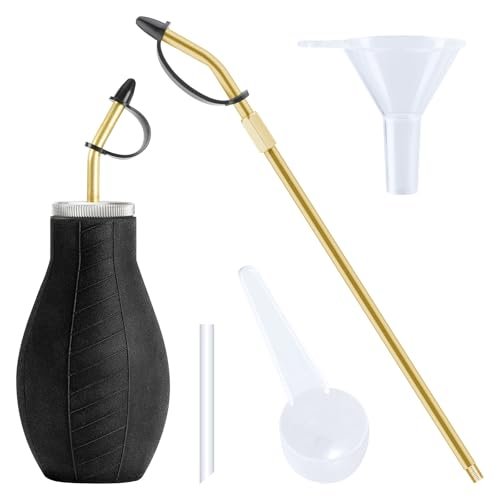
- Targeted applicationAnt bait stations can help keep the material in a contained location when used as directed.
My Recommendation
I would choose a registered boric acid ant bait when I want a product with clear pest-control directions. Check the label for the target ant species, indoor or outdoor use, placement rules, and precautions before buying.
| Best For | Why |
|---|---|
| Homeowners seeking labeled ant bait | Some boric acid products come with clear instructions for ant control. |
| Contained bait placement | Ready-to-use bait stations can reduce direct contact with the bait. |
| People dealing with recurring trails | An accepted bait may expose more of the colony than a surface spray. |
Borax vs Boric Acid for Ants: Side-by-Side Test
The main difference in borax vs boric acid for ants is their chemical form and how people use them. Both contain boron. Both can harm ants after ingestion. Yet they are not interchangeable, and the exact product formulation matters.
I would judge them by bait quality, safety, ease of use, and the chance of reaching the colony. The ratings below are editorial scores for practical household use. They are not laboratory test results or measured kill rates.
1. Chemical Makeup: What Is the Difference?
Both powders contain boron, but they have different chemical structures and properties.
| Feature | Borax | Boric Acid |
|---|---|---|
| Chemical name | Sodium tetraborate | Orthoboric acid |
| Formula | Common household form: Na2B4O7·10H2O | H3BO3 |
| Chemical type | Boron-containing salt | Weak inorganic acid |
| Main household role | Laundry and cleaning uses | Some pest-control and other uses |
⭐ Borax – 7/10 | Boric Acid – 9/10
Boric acid has the edge for a clearly defined ant-control role, while borax remains a useful household compound.
2. Ant-Killing Action: Which Works?
Both can harm ants after they eat enough bait. The active ingredient alone does not decide the result.
| Feature | Borax | Boric Acid |
|---|---|---|
| Ingestion effect | Can harm ants after ingestion | Can harm ants after ingestion |
| Contact effect | Depends on exposure and formulation | Depends on exposure and formulation |
| Bait acceptance | Depends on food and mixture | Depends on food and mixture |
| Colony control | Possible through accepted bait | Possible through accepted bait |
⭐ Borax – 8/10 | Boric Acid – 9/10
Boric acid gets a small practical edge because it is widely used in formulated insect-control products, not because it always kills ants faster.
3. Bait Performance: Which Reaches the Nest?
The best ant bait works like a shared meal. Workers must accept it and carry it back to the colony.
| Feature | Borax | Boric Acid |
|---|---|---|
| Food bait use | Can be included in suitable bait | Used in formulated food baits |
| Worker feeding | Depends on bait appeal | Depends on bait appeal |
| Nest transfer | Possible when workers share bait | Possible when workers share bait |
| Main challenge | Getting the mixture right | Choosing the right formulation |
⭐ Borax – 7/10 | Boric Acid – 9/10
Boric acid has an advantage in ready-made ant bait choices, but both depend on the ants accepting the food.
4. Ease of Use: Which Is Simpler?
A ready-to-use bait is often easier to manage than loose powder or a homemade mixture.
| Feature | Borax | Boric Acid |
|---|---|---|
| Ready-to-use options | Some household products, but not all are ant baits | Some registered ant bait stations and gels |
| DIY preparation | Often used in homemade bait recipes | Can be used in bait formulations, but requires care |
| Application guidance | Depends on the product label | Registered bait labels provide directions |
| Storage | Keep sealed and away from children and pets | Keep sealed and away from children and pets |
⭐ Borax – 7/10 | Boric Acid – 9/10
Boric acid wins for convenience when you choose a registered, ready-to-use ant bait.
5. Safety: Which Is Safer at Home?
Neither powder is harmless. Both need careful storage, handling, and placement.
| Feature | Borax | Boric Acid |
|---|---|---|
| Swallowing risk | Can cause harmful effects | Can cause harmful effects |
| Skin and eye contact | May cause irritation | May cause irritation |
| Pet exposure | Keep away from pets | Keep away from pets |
| Safer placement | Only in inaccessible, permitted locations | Use labeled bait stations as directed |
⭐ Borax – 7/10 | Boric Acid – 8/10
Neither gets a safety pass. A properly labeled, contained bait can make placement easier, but it does not remove exposure risks.
6. Cost and Availability: Which Saves More?
The price depends on package size, brand, product purity, and whether you buy a ready-made bait.
| Feature | Borax | Boric Acid |
|---|---|---|
| Household availability | Common in some US cleaning aisles | Available through pest-control and chemical suppliers |
| Price type | Often inexpensive as a household product | Varies by grade and formulation |
| Ready-made bait cost | Depends on the chosen bait product | Depends on the brand and bait format |
| Value | Useful for suitable household applications | Useful when buying a product labeled for ants |
⭐ Borax – 9/10 | Boric Acid – 8/10
Borax often wins on raw household powder cost, while boric acid may offer better value in a purpose-made ant bait.
7. Best Ant Problems: Which Should You Choose?
The type of ant and its food preference can change which bait works best.
| Feature | Borax | Boric Acid |
|---|---|---|
| Small kitchen ant trails | Can work in an accepted bait | Suitable labeled baits may work |
| Recurring indoor activity | May need careful bait selection | Commercial bait choices may help |
| Carpenter ants | Not a substitute for nest inspection | Not a substitute for nest inspection |
| Large infestation | May not be enough alone | May not be enough alone |
⭐ Borax – 7/10 | Boric Acid – 9/10
Boric acid has the edge for labeled bait choices, but serious infestations need proper identification and a broader control plan.
Final Verdict: Which Should You Buy?
In the borax vs boric acid for ants comparison, I give boric acid the overall edge. It appears in many purpose-made ant-control products, and those products offer clear directions. Borax can also work in suitable bait, but a household cleaning product is not the same as a registered ant pesticide.
Choose a labeled boric acid bait if you want a simple, targeted option. Consider borax only when you understand its limits and can use it safely. For both, the real goal is to reach the colony, not just kill the ants you see. Keep bait away from children, pets, food, and food-contact surfaces. Call a pest professional if the problem keeps returning or involves carpenter ants.