Yes, STEM bug spray is marketed as safe for use around pets when used as directed. However, it is not completely harmless. Keep dogs, cats, birds, and other animals away during application and follow the exact product label before allowing them near treated areas. Never spray it directly on a pet.
In American homes, ants in the kitchen, roaches in the basement, and flies around the patio can quickly become a nuisance. Many pet owners want to remove these pests without putting their dogs or cats at risk. STEM bug spray is one option that attracts attention because it uses botanical ingredients such as geraniol and lemongrass oil.
STEM products carry claims about safe use around people and pets when used as directed. That claim has an important limit. It does not mean pets can walk through wet spray, lick treated surfaces, breathe a concentrated mist, or chew the bottle. The instructions on the exact product still matter.
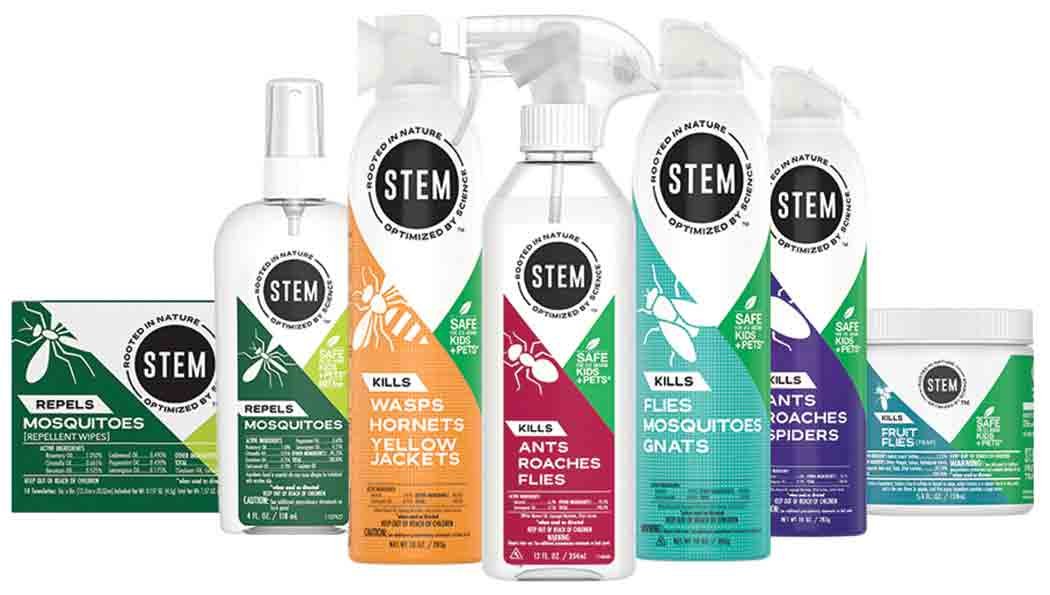
Another detail often missed is that STEM sells several types of insect killers and repellents. Their ingredients and application methods are not all the same. Some products are made for direct treatment of insects, while others create a barrier on household surfaces. A safe-use decision should start with the product name and its full label, not just the STEM brand.
This guide explains what is in STEM bug spray, how it may affect dogs and cats, when pets can return to treated areas, and what to do after accidental exposure. It also covers birds and small animals, which need extra care around household sprays.
Source: nbcnews.com
Is STEM Bug Spray Actually Safe for Dogs and Cats?
STEM bug spray is designed for use around people and pets when used as directed. This is the manufacturer’s stated safety condition, not a promise that every exposure is harmless. The product should be used only for the pests and locations listed on its label.
For a household with dogs or cats, the main concern is how the animal comes into contact with the spray. A pet that stays out of the room during application has less opportunity for direct contact. A curious cat that walks across a wet surface and then licks its paws has a different exposure risk.
The National Pesticide Information Center advises pet owners to remove animals, toys, bedding, food, and water bowls before pesticide application. It also recommends keeping pets away for the time stated on the label or until the spray has dried completely, whichever period is longer.
Therefore, STEM can be a reasonable household pest-control option when its instructions are followed. It should not be treated like a pet grooming product, a food-safe substance, or a spray that animals can freely touch.
Source: stemforbugs.com
For dogs
Keep dogs away while spraying. Prevent them from sniffing wet surfaces, licking treated areas, or chewing containers. Wait until the label’s re-entry conditions are met.
For cats
Take extra care with floor and furniture treatments. Cats groom themselves and may swallow substances picked up on their paws or fur.
For puppies and kittens
Use additional caution because young animals may explore surfaces by licking and chewing. Keep them away from application areas and stored products.
For older or sensitive pets
Ask a veterinarian before using household insecticides if your animal has breathing problems, skin sensitivities, or other health concerns.
Does Pet Safe Mean Completely Non-Toxic?
No. Pet safe is not the same as non-toxic under every possible condition. A product may be suitable for use around animals when applied correctly but still cause problems if swallowed, sprayed into the eyes, or repeatedly rubbed onto the skin.
Think of it like household cleaning products. A cleaner can be suitable for use in a home with pets, but that does not make it safe to drink or lick. The same basic rule applies to insecticides.
The safest approach is to reduce exposure rather than depend on the product’s marketing language alone.
What Ingredients Are in STEM Bug Spray?
STEM uses different formulas for different insect-control products. Some common insect killers contain geraniol and lemongrass oil. Other products, such as its indoor bug-blocking mist, use cedarwood oil and sodium lauryl sulfate.
Geraniol is a naturally occurring compound found in several plants and essential oils. Lemongrass oil is another botanical ingredient used in insect-control products. These ingredients can help control insects, but their plant origin does not make every exposure safe for pets.
The formula also matters. A spray may contain oils, solvents, water, or other ingredients that affect how it behaves on skin and surfaces. The amount of an active ingredient is only one part of the safety picture.
For example, the published label for one STEM Multi Insect Killer lists geraniol at 0.25% and lemongrass oil at 0.25%. A different STEM product, the 10-ounce Kills Flies, Mosquitoes and Gnats spray, lists geraniol at 1.47% and lemongrass oil at 0.10%. These are distinct formulas, so their ingredient information should not be mixed.
Source: storage.googleapis.com
Geraniol
A plant-derived active ingredient used in insect-control products. Repeated skin contact may cause allergic reactions in some people and animals, according to the Multi Insect Killer label.
Lemongrass oil
A botanical oil used as an active ingredient in some STEM sprays. Natural origin does not establish that concentrated or accidental exposure is harmless.
Cedarwood oil
An active ingredient in the STEM Indoor Bug Blocking Mist. This product has a different formula from the geraniol and lemongrass insect killers.
Other ingredients
Depending on the product, these may include white mineral oil, water, ethyl lactate, and other formulation ingredients.
Why Natural Ingredients Still Need Careful Use
Many pet owners assume that a plant-based spray must be harmless. That is not a reliable safety rule. Some plant oils and botanical compounds can irritate animals or cause illness when swallowed or absorbed through the skin.
The American Society for the Prevention of Cruelty to Animals explains that essential oil risks depend on the type of oil, its concentration, and the way an animal is exposed. Oral and skin exposure can be more concerning than ordinary indirect exposure in many situations.
This does not mean every STEM spray will poison a pet. It means owners should follow the label and prevent direct contact instead of relying on the word natural.
Do All STEM Sprays Have the Same Ingredients?
No. This is one of the most important details when choosing or using a STEM product. A bottle of insect killer may have a different formula and purpose from a household barrier mist or a plant and garden insect killer.
Read the active ingredients, other ingredients, target pests, application directions, and precautionary statements on the actual container. If the label differs from information found on an older website or product listing, use the current container label.
Can STEM Bug Spray Harm Dogs?
STEM bug spray can cause problems for a dog if the animal receives an unintended exposure. The level of concern depends on the formula, the amount involved, and whether the spray was inhaled, swallowed, or left on the skin.
Dogs often investigate new smells. A dog may sniff a freshly sprayed baseboard, lick a damp floor, or chew an insecticide container left within reach. These actions can increase exposure and should be prevented.
The product label for STEM Multi Insect Killer specifically says not to spray directly on people or pets. It also warns that repeated skin contact may cause allergic reactions. These instructions matter even though the product is advertised for use around pets when used as directed.
A small accidental contact does not automatically mean a dog will become seriously ill. However, owners should not guess about the risk based on the amount they can see. Contact a veterinarian if the dog has swallowed the spray, has wet product on its coat, or shows unusual signs.
Source: secrettohappypets.com
Skin exposure
The spray may cause irritation or an allergic reaction. Repeated contact is a particular concern mentioned on the product label.
Oral exposure
A dog may swallow product by licking a treated surface or grooming contaminated fur. Swallowing should be treated as a reason to contact a veterinarian.
Breathing exposure
Spray mist can irritate the breathing passages. Avoid spraying near a dog’s face, bed, crate, or feeding area.
Eye exposure
Direct contact may cause irritation. Prevent rubbing and seek veterinary advice about the correct response.
Signs of a Possible Reaction in Dogs
A dog that has an unwanted reaction may behave differently from normal. The signs depend on the substance and the route of exposure. Some reactions may appear soon after contact, while others can take longer.
Watch for excessive drooling, vomiting, diarrhea, skin redness, unusual tiredness, weakness, coughing, or changes in breathing. Tremors, poor coordination, or seizures are more serious warning signs.
Do not wait for several symptoms to appear before asking for help. If your dog swallowed STEM spray or has breathing trouble, contact a veterinarian or emergency veterinary clinic immediately.
Mild warning signs
Drooling, licking, mild skin irritation, or unusual discomfort.
More concerning signs
Repeated vomiting, diarrhea, marked weakness, or unusual behavior.
Emergency signs
Difficulty breathing, collapse, tremors, seizures, or severe weakness.
Is STEM Bug Spray Safe for Cats?
STEM products are marketed for use around pets when used as directed, but cat owners should take special care to prevent exposure. Cats groom their coats and paws throughout the day. This means a substance picked up from a floor or other surface may later enter the mouth.
Cats also tend to explore narrow spaces, climb furniture, and walk along windowsills. These habits can bring them into contact with treated areas that owners may overlook.
Some STEM formulas contain botanical oils, including geraniol, lemongrass oil, or cedarwood oil. The risks of essential oil exposure vary with the formula and dose. The ASPCA warns against directly applying concentrated essential oils to pets.
Never use STEM household insecticide as a flea treatment or apply it to a cat’s coat. A product intended to kill insects around the home is not automatically suitable for controlling fleas or ticks on an animal.
Source: iheartpublix.com
Keep cats out during spraying
Move the cat to an untreated room or another safe location before starting.
Prevent paw contact
Do not let cats walk across wet treated surfaces or groom after accidental contact.
Protect sleeping areas
Do not spray cat beds, blankets, scratching posts, or toys unless the exact label specifically permits that use.
Use proper flea treatments
Choose a veterinary-approved cat flea product rather than a general household insecticide.
Why Cats Need Extra Protection
A cat can pick up a small amount of residue on its paws and swallow it while grooming. This is why keeping cats away from treated surfaces matters even after the spray appears dry.
Cats with breathing problems may also need extra protection from airborne sprays and strong odors. Keep the room well ventilated and avoid using insecticides near a cat’s face or enclosed resting space.
If your cat licks wet STEM spray or walks through a freshly treated area, contact a veterinarian for advice. Do not wait for symptoms if you know the cat has swallowed the product.
How to Use STEM Bug Spray Safely Around Pets
The safest way to use STEM bug spray is to remove animals from the treatment area before application and keep them away until the exact label conditions are met. Preparation is simple and can prevent many avoidable accidents.
Do not spray while a pet is walking around the room. Animals can move quickly, and a spray aimed at an insect can drift toward their eyes, nose, fur, or food bowl.
The National Pesticide Information Center recommends removing pet food, water dishes, toys, and bedding from areas being treated. These items should remain out of the application zone to prevent unwanted contamination.
Always use the spray for its listed purpose. Some STEM products are intended for direct treatment of insects, while others are designed for selected household surfaces. Do not assume that one product’s instructions apply to another.
Source: pinterest.com
Step 1: Read the complete label
Check the product name, ingredients, approved application areas, warnings, and instructions for people and pets. Look for specific drying and re-entry directions.
Step 2: Move pets to safety
Place dogs, cats, birds, and other animals in an untreated area. Keep their food, water, toys, and bedding away from the spray.
Step 3: Prepare the treatment area
Remove bowls and exposed pet supplies. Protect food surfaces and follow the label’s ventilation and application precautions.
Step 4: Apply only as directed
Use the correct spray method and target the insects or surfaces listed on the product label. Never spray directly on an animal.
Step 5: Clean excess spray when required
Some STEM insect killers can make floors slippery. Their labels direct users to wipe away excess liquid and clean the surface with water or soapy water as instructed.
Step 6: Wait before allowing pets back
Follow the stated re-entry period. If the label requires pets to stay away until surfaces are thoroughly dry, do not allow access before that condition is met.
Step 7: Store the bottle securely
Close the container and store it in a cool, appropriate location that pets and children cannot reach.
How Long Should Pets Stay Away After Spraying?
There is no single drying time that applies to every STEM product. The correct waiting period depends on the formula, application method, and directions printed on the container.
For example, the STEM Indoor Bug Blocking Mist label specifically says to keep people and pets away from treated surfaces until they are thoroughly dry. Its instructions also warn against spraying directly onto pets or near pet enclosures, including bird cages.
Other STEM products have different directions. Read the exact label rather than assuming that a fixed period, such as 30 minutes or two hours, is suitable for every spray.
If the surface remains wet, sticky, or slippery, do not let an animal enter the area. If the label gives a longer waiting period, follow that instruction even if the surface appears dry.
Check the label
Use the exact re-entry instruction for the product you own.
Check the surface
Make sure any required drying and cleaning have been completed.
Check the pet’s access
Prevent licking, chewing, and contact with treated objects even after the area is dry.
Can You Spray STEM Bug Spray While Pets Are in Another Room?
Keeping pets in another room may reduce their exposure, but the room must be completely separated from the treatment area. Avoid spraying near open doorways, air vents, or places where mist can travel.
For a more cautious approach, move pets to a separate untreated space and follow all ventilation directions. Birds and animals with respiratory problems may need additional protection from airborne products.
Do not bring pets back simply because the spraying has stopped. Follow the product’s specific precautions first.
Is STEM Bug Spray Safe for Birds, Rabbits, and Other Small Pets?
Owners of birds, rabbits, guinea pigs, hamsters, and other small animals should be especially careful with household insecticides. These animals can have different sensitivities and exposure risks from dogs and cats.
Birds deserve particular attention because their respiratory systems can be sensitive to airborne chemicals and sprays. The STEM Indoor Bug Blocking Mist label specifically says not to spray near pet enclosures, including bird cages.
Never assume that a product suitable for use around dogs and cats is automatically suitable for every household animal. A label’s general pet claim does not replace species-specific veterinary advice.
For households with birds or small mammals, the safest approach is to keep the animals in a separate, untreated area during application. Ask an avian or exotic-animal veterinarian about any concerns before using a household spray nearby.
Source: amazon.com
Birds
Avoid spraying near cages, perches, food dishes, or other bird equipment. Prevent exposure to airborne mist.
Rabbits
Keep rabbits away from wet surfaces and prevent them from chewing treated objects or plants.
Guinea pigs and hamsters
Move cages away from the treatment area and prevent spray from reaching bedding, food, and water.
Reptiles
Keep insecticides away from enclosures, heat sources, water dishes, and surfaces that reptiles may touch.
Should You Spray Near a Pet Cage?
No. Do not spray near an occupied pet cage. Airborne droplets can reach the animal, its food, its water, and its bedding.
Move the enclosure to a safe location before treatment when possible. If moving it is not practical, avoid treating that room and consider another pest-control method.
What Happens If Your Pet Licks or Ingests STEM Bug Spray?
If a pet licks or swallows STEM bug spray, contact a veterinarian or emergency veterinary clinic for guidance. The product’s ingredients, amount swallowed, animal’s size, and time since exposure all affect the assessment.
Do not assume that a small lick is harmless. Even if your pet seems normal, a veterinarian can help determine whether the exposure needs treatment or monitoring.
The STEM Multi Insect Killer label provides specific first-aid warnings. It advises calling a poison control center or doctor if the product is swallowed and warns against inducing vomiting unless a qualified professional instructs you to do so.
Keep the bottle or take a clear photograph of its label. This helps the veterinarian identify the exact formula and review the relevant ingredients and warnings.
Source: spraytm.com
Move the pet away
Stop further access to the spray, treated surface, or contaminated object.
Prevent further licking
Do not allow the animal to continue grooming a potentially contaminated area.
Contact a veterinarian
Explain the product name, ingredients, possible amount, and time of exposure.
Keep the label available
Provide the original container or a photograph of the complete product label.
Follow professional advice
Do not give home remedies or induce vomiting unless a veterinarian or poison-control professional specifically directs you.
What If STEM Spray Gets on Your Pet’s Fur or Skin?
Prevent your pet from licking the affected area and contact a veterinarian for instructions. If the product has reached the coat or skin, the veterinarian can advise whether and how to wash it safely.
Do not use household cleaners, alcohol, essential oils, or other chemicals to remove the spray. These may increase irritation or create another exposure problem.
If your pet has eye exposure, breathing difficulty, severe irritation, or other serious signs, seek urgent veterinary care rather than attempting home treatment.
Symptoms That Need Immediate Veterinary Attention
Severe or worsening signs should never be ignored. Seek urgent help if your pet has difficulty breathing, collapses, develops tremors, has seizures, or becomes very weak.
Repeated vomiting, excessive drooling, loss of coordination, and unusual behavior also deserve prompt veterinary attention. Do not wait for the animal to become visibly worse.
Breathing trouble
Coughing, wheezing, rapid breathing, or difficulty getting enough air.
Neurological changes
Tremors, seizures, poor balance, or unusual weakness.
Digestive problems
Repeated vomiting, diarrhea, or excessive drooling.
Severe behavior changes
Collapse, extreme tiredness, or an inability to respond normally.
How Does STEM Compare With Other Pet-Conscious Pest Control Methods?
STEM is one option for controlling household insects, but it is not the only choice. The best method depends on the pest, the area that needs treatment, and how easily pets can reach that location.
A direct-contact spray may help with visible insects, but it does not replace cleaning, sealing entry points, or fixing conditions that attract pests. Combining prevention with careful pest control may reduce the need for repeated spraying.
For homes with pets, targeted treatment can be easier to manage than spraying large areas. However, no treatment method should be assumed safe without checking its instructions and preventing animal access.
Source: spraytm.com
STEM botanical insect killers
Useful for certain listed insects when applied according to the exact product label. They still require precautions against direct contact, licking, and accidental ingestion.
Cleaning and sanitation
Remove food crumbs, standing water, spills, and other conditions that attract common household pests. This reduces the need for chemical treatment.
Sealing entry points
Close gaps around doors, windows, pipes, and other openings to reduce insect entry without exposing pets to spray.
Enclosed bait stations
Some may help with ant or roach problems, but they must be selected and positioned so pets cannot reach the bait. Some baits can be dangerous if swallowed.
Professional pest control
A licensed pest-control professional can assess the infestation and explain the treatment, re-entry period, and precautions for animals.
Is STEM Better Than Conventional Bug Spray for Pet Owners?
There is no universal answer. STEM uses botanical active ingredients in some of its products, while many conventional insecticides use other types of active ingredients. Their safety and effectiveness depend on the specific formula and intended use.
A plant-based formula is not automatically safer for every animal. Likewise, a conventional product is not automatically unsuitable for every home with pets. The label, application method, exposure risk, and pest problem should guide the decision.
Compare the complete ingredients and precautions rather than judging a spray by its natural or chemical marketing language.
Frequently Asked Questions
Q
Can I use STEM bug spray in a house with dogs?
Yes. STEM markets certain insect-control products for use around people and pets when used as directed. Remove dogs from the treatment area during application and follow the product’s specific re-entry instructions. Never spray the insecticide directly on your dog.
Q
Can STEM bug spray make cats sick?
Yes, accidental exposure may cause problems, especially if a cat swallows the spray by licking wet surfaces or contaminated fur. Some formulas contain botanical oils, which are not automatically harmless to cats. Keep cats away during application and prevent contact with treated areas until the label’s conditions are met.
Q
How long after spraying STEM can pets come inside?
The waiting period depends on the exact STEM product. For example, the Indoor Bug Blocking Mist label says to keep people and pets away from treated surfaces until they are thoroughly dry. Follow the directions on your own container and use the longer waiting period if additional restrictions apply.
Q
Can I spray STEM directly on my dog or cat?
No. STEM household insecticides should not be applied directly to pets. They are intended for controlling insects in approved household or outdoor locations, not for treating fleas, ticks, or other parasites on an animal. Use a veterinary-approved treatment instead.
Q
Is STEM bug spray safe around birds?
Do not assume that a product marketed for use around pets is suitable for birds. Birds can be sensitive to airborne sprays. The STEM Indoor Bug Blocking Mist label specifically warns against spraying near pet enclosures, including bird cages. Keep birds away from application areas and consult an avian veterinarian when needed.
Q
Is STEM bug spray safe after it dries?
Drying can reduce the risk of contact with wet spray, but it does not guarantee that every treated surface is harmless if a pet licks or chews it. Follow the product’s complete instructions and prevent animals from eating or grooming contaminated material.
Q
What should I do if my dog licks STEM bug spray?
Prevent further licking and contact your veterinarian or an emergency veterinary clinic promptly. Keep the product container available so the ingredients can be identified. Do not induce vomiting or give home remedies unless a veterinary professional tells you to do so.
Q
Does STEM bug spray contain essential oils?
Some STEM products contain botanical active ingredients such as geraniol, lemongrass oil, or cedarwood oil. The ingredients differ by product. Check the label on your specific bottle rather than assuming every STEM spray has the same formula.
✦ Wrapping Up
Conclusion
So, is STEM bug spray safe for pets? The practical answer is yes, when the specific product is used exactly as directed and animals are protected from unintended exposure. The manufacturer’s pet-safety claim does not mean that dogs, cats, birds, or other animals can safely lick, inhale, or touch the spray.
The main precautions are simple. Remove pets before application, protect their food and water, avoid spraying near cages and sleeping areas, and follow the correct drying and re-entry instructions. Never apply household STEM insecticide directly to an animal.
Remember that STEM has several formulas. Geraniol, lemongrass oil, and cedarwood oil appear in different products, so the label on your bottle is more useful than a general statement about the brand. If accidental exposure occurs, contact a veterinarian and provide the product details.
💡 Key Takeaway
Before using STEM bug spray, read the full label, move pets to an untreated area, and keep them away until all required safety conditions are met. Store the bottle securely and contact a veterinarian immediately if your pet swallows the spray or develops unusual symptoms.
Learn what ant killer is safe for pets, which bait types have lower exposure risk, what to avoid, and how to control ants without harming dogs or cats.