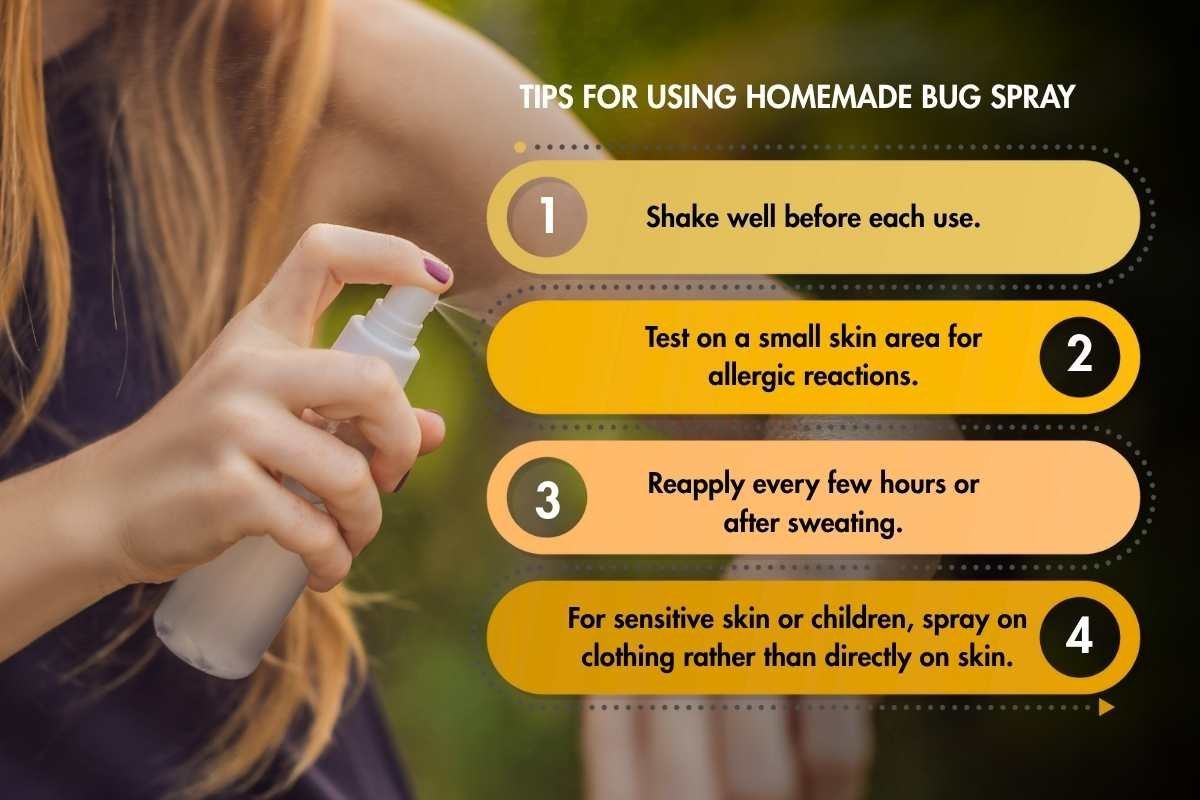
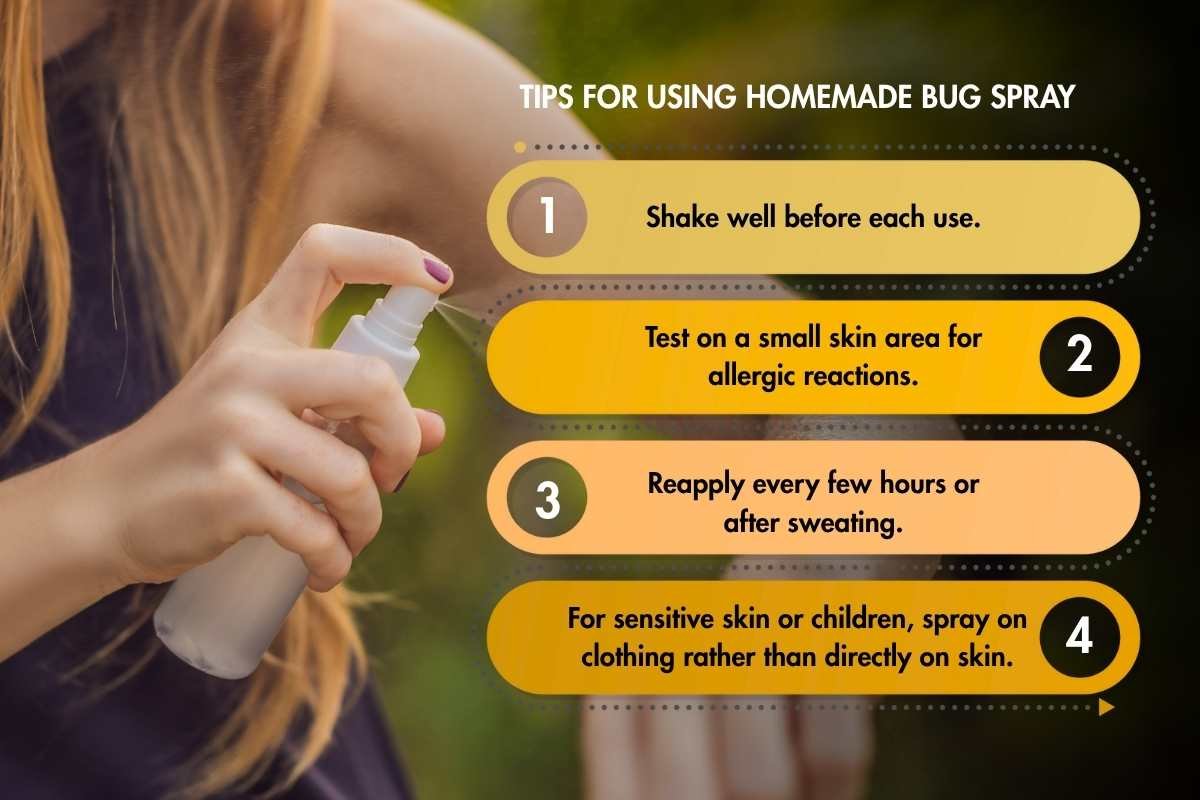
Yes, you can put certain insect repellents on your face, but you should never spray them directly onto it. Check the product label, spray a small amount onto your hands, and gently spread a thin layer over exposed facial skin. Keep the product away from your eyes, lips, mouth, and nostrils.
Whether you are hiking in the forests of the Pacific Northwest, camping in Texas, fishing in Florida, or enjoying a summer evening in your backyard, mosquitoes can make outdoor activities uncomfortable. Many Americans use insect repellent on their arms and legs but forget that mosquitoes can also bite the forehead, cheeks, and neck. Protecting these areas matters, especially when mosquitoes may carry diseases such as West Nile virus.
The good news is that some EPA-registered insect repellents are intended for use on exposed skin, including the face when their labels allow it. The U.S. Environmental Protection Agency recommends applying spray repellent to your hands first rather than spraying it directly onto your face. This simple step helps prevent the product from entering your eyes, mouth, or nose.
However, not every bug spray belongs on facial skin. Outdoor insecticides, yard sprays, clothing treatments, and household bug killers are not interchangeable with products made for human skin. The safest approach is to check the active ingredient, read the complete label, and use only the amount needed for protection.
Source: www.pinterest.com
Can You Put Bug Spray On Your Face?
Yes, certain insect repellents can be used on facial skin. The important condition is that the product must be designed for use on people and its label must allow facial application. A repellent made for exposed skin is different from a household insecticide designed to kill bugs on surfaces.
The U.S. Environmental Protection Agency (EPA) advises users not to spray insect repellent directly onto their faces. Instead, spray the product onto your hands and then apply it carefully. This method gives you better control over where the repellent goes.
Facial skin is close to sensitive areas such as the eyes, lips, and nostrils. A direct spray can cause unwanted exposure, even when the product is suitable for use on other parts of the body. Applying a small amount by hand helps reduce this risk.
The Centers for Disease Control and Prevention (CDC) also recommends following product labels and avoiding direct facial spraying. EPA-registered repellents are considered safe when used according to their directions.
Source: www.youtube.com
Check the label
Look for instructions that explain whether the product can be applied to the face. Do not assume every body spray is suitable for facial use.
Use your hands
Apply a small amount to your palms before gently spreading it over exposed facial skin.
Avoid sensitive areas
Keep the product away from your eyes, mouth, lips, nostrils, and other sensitive areas.
Use a thin layer
Cover exposed skin without soaking it. Applying more product than the label recommends does not guarantee better protection.
Is It Safe to Put Regular Bug Spray on Your Face?
It depends on what the spray is made for. A skin-applied mosquito repellent may be suitable for facial use when its label provides those directions. A household bug killer, ant spray, wasp spray, or indoor insecticide should never be treated as a facial repellent.
Some products are designed only for clothing, shoes, camping equipment, or outdoor surfaces. Permethrin clothing treatments are an important example. They should not be applied to human skin unless a specific product label explicitly permits that use.
Read the product’s intended use, active ingredients, warnings, and first-aid instructions before applying anything to your face.
Skin repellents
Certain EPA-registered products can be used on exposed facial skin according to their labels.
Household insecticides
Do not apply products designed to kill insects indoors or outdoors to your face or other skin.
Clothing treatments
Use clothing-only treatments on approved fabrics as directed, not on facial skin.
How to Apply Bug Spray to Your Face Safely
The safest way to apply facial insect repellent is to use your hands rather than spraying the product toward your face. This reduces the chance of getting droplets into your eyes or breathing in the spray.
Before starting, make sure the product is intended for human skin and permits facial use. Read the label even if you have used the same brand on your arms and legs.
Apply only enough to create a light, even layer on exposed skin. Your goal is to cover the skin, not leave it wet with excess product.
Source: www.babycenter.com
Step 1: Read the product label
Check the active ingredient, age restrictions, application instructions, and facial-use warnings. Do not use a product that prohibits facial application.
Step 2: Wash your hands
Start with clean, dry hands. Remove dirt, cosmetics, or other residue that could mix with the repellent.
Step 3: Spray into your palm
Move away from your face and spray a small amount into one palm. Do not point the nozzle toward your eyes or nose.
Step 4: Apply gently
Use your fingertips to spread a thin layer over exposed areas such as your forehead, cheeks, and jawline, following the label.
Step 5: Protect sensitive areas
Avoid your eyelids, eye area, lips, mouth, nostrils, and any irritated or damaged skin. Apply sparingly around the ears.
Step 6: Wash your hands
Wash your hands with soap and water after application so you do not accidentally transfer repellent into your eyes or mouth.
Which Facial Areas Should You Avoid?
Some facial areas are more sensitive than others. Even a product approved for facial use should not be placed on the eyes, lips, or inside the nose or mouth.
Pay special attention to the skin around your eyes. Sweat, rain, or rubbing can move repellent toward the eyes after application. Keep a safe distance from the eyelids and avoid applying the product where it could run into your eyes.
The skin around your lips also needs care. Avoid applying repellent directly to the lips or anywhere it could easily enter your mouth.
Eyes and eyelids
Never apply insect repellent to the eyes or eyelids.
Lips and mouth
Keep repellent away from the lips and inside the mouth to prevent accidental ingestion.
Nostrils
Do not apply repellent inside your nose or near the openings where you could inhale it.
Damaged skin
Avoid cuts, scratches, wounds, sunburn, and irritated areas.
Which Bug Spray Ingredients Are Suitable for Facial Use?
The active ingredient helps determine what an insect repellent does and how long it may protect you. Common ingredients in EPA-registered skin repellents include DEET, picaridin, IR3535, and oil of lemon eucalyptus or its related active ingredient PMD.
These ingredients do not all have identical directions or age restrictions. The concentration, product formula, and approved uses also matter. A product containing a familiar ingredient is not automatically suitable for every part of the body.
The CDC identifies several EPA-registered active ingredients that can provide effective protection against biting insects. The best option depends on the insects you need to avoid, the expected exposure time, and the product label.
Source: bodyguardbugspray.com
DEET
DEET is a widely used insect repellent active ingredient. Products containing DEET can be suitable for facial application when their labels permit it. Avoid the eyes and mouth, and never spray directly onto the face.
Picaridin
Picaridin is another commonly used repellent ingredient. It is available in different product forms and concentrations. Follow the specific label for facial use and reapplication.
IR3535
IR3535 is an active ingredient used in some skin-applied insect repellents. Check the product directions before applying it to facial skin.
Oil of lemon eucalyptus and PMD
Certain formulated products containing these ingredients provide insect protection. Do not assume that pure lemon eucalyptus essential oil offers the same tested protection as an EPA-registered repellent.
2-undecanone
This is another active ingredient found in some registered repellents. Follow the age restrictions and facial-use directions on the individual product.
Is DEET Safe to Put on Your Face?
DEET can be used on facial skin when the product label allows it and you follow the application instructions. The key is controlled application. Put the product on your hands first and spread it carefully over exposed skin.
DEET is not automatically dangerous because it touches facial skin. However, it can cause irritation or other unwanted effects when misused. Getting it into the eyes or mouth is an exposure that should be avoided.
Do not apply more DEET than directed. A higher concentration may provide longer protection, but it does not mean you should use a thicker layer or apply it more often than the label permits.
Use only the directed amount
A thin, even application is generally sufficient when applied as directed.
Avoid the eye area
Keep the product away from eyelids, eyes, lips, and nostrils.
Follow reapplication instructions
Do not repeat applications sooner than the label allows.
Is Picaridin Better for Facial Skin?
Picaridin is a useful alternative to DEET for people looking for another type of insect repellent. Some formulations are available as lotions or sprays, which may make controlled application easier.
However, there is no universal rule that picaridin is better for every person’s face. Skin response can differ, and the formulation matters. Someone with sensitive skin may react to a particular product even if its active ingredient is commonly used in insect repellents.
Choose a product with an EPA registration number and follow its facial-use directions. If a formula causes burning, itching, or redness, wash it off and stop using it.
Check the formulation
A lotion or wipe may offer more control than an aerosol spray, but it must still be approved for the intended use.
Check the concentration
Choose a concentration that provides the protection time you need without exceeding label directions.
Can Bug Spray Cause Facial Skin Irritation?
Yes, insect repellent can cause skin irritation in some people. Facial skin may be especially uncomfortable when a product gets too close to the eyes, nose, or lips. The risk depends on the ingredients, formula, amount used, and individual skin response.
Possible reactions include redness, itching, burning, dryness, and a rash. Some people may also experience swelling or an allergic-type reaction. These symptoms do not necessarily mean the product is poisonous, but they are a reason to stop using it.
If your face feels uncomfortable after applying repellent, do not try to cover the reaction with makeup or another skin product. Wash the treated area with soap and water, stop using the product, and seek medical advice if symptoms are severe or do not improve.
Source: www.almanac.com
Redness
The treated skin may look pink or red after exposure to an irritating formula.
Burning or stinging
This may happen when the product irritates the skin or reaches a sensitive area.
Itching or rash
A rash can occur as a reaction to an ingredient or the complete product formula.
Swelling
Swelling around the face or eyes needs prompt medical attention, especially if it is sudden or severe.
What Should You Do If Your Face Reacts to Bug Spray?
First, stop applying the repellent. Wash the affected skin with mild soap and plenty of water to remove any remaining product. Avoid scrubbing because friction can make irritated skin feel worse.
Do not apply additional insect repellent until the reaction has been assessed. If the skin becomes increasingly red, painful, swollen, or blistered, contact a healthcare professional.
If you develop difficulty breathing, severe swelling of the face or throat, faintness, or another serious reaction, seek emergency medical help immediately.
Remove the product
Wash the affected facial area with mild soap and water.
Stop further exposure
Do not reapply the product or mix it with other potentially irritating skincare products.
Watch for worsening symptoms
Seek medical advice for persistent pain, swelling, blistering, or a spreading rash.
Get emergency help when needed
Breathing difficulty or severe facial or throat swelling requires emergency care.
Can You Put Bug Spray on Your Face If You Have Sensitive Skin?
People with sensitive skin should be more careful when choosing facial insect repellent. A product that works well on someone else’s skin may cause discomfort for you. Fragrances, solvents, preservatives, and active ingredients can all affect how a formula feels.
Start by checking the full label and choosing a product intended for skin application. Avoid products that contain ingredients you already know cause a reaction. If you have a history of severe skin allergies, ask a healthcare professional before trying a new repellent.
A small test on an area of skin away from the face may help identify irritation, but it cannot guarantee that the product will not cause a facial reaction. Facial skin can respond differently from skin on the arm.
Source: www.babycenter.com
Choose a suitable formula
Consider a lotion or wipe if you find sprays difficult to control. Always check that facial application is permitted.
Avoid known irritants
Read the ingredient list and avoid products containing substances that have caused previous reactions.
Do not apply to damaged skin
Avoid sunburn, eczema flare-ups, cuts, open wounds, and areas with active irritation unless a healthcare professional advises otherwise.
Seek professional guidance
Ask a dermatologist or healthcare provider if you repeatedly react to insect repellents.
Can You Apply Bug Spray Over Makeup?
There is no universal rule that every insect repellent can be applied over makeup. The product label may not address makeup compatibility, and rubbing repellent into cosmetics can affect how evenly the product spreads.
For better control, apply the repellent to clean skin before applying makeup when the product instructions allow this. Follow the product label and avoid applying extra layers simply because the makeup has been touched or moved.
If you need to reapply repellent, follow its directions. Do not assume that adding another layer over makeup provides the same coverage as a correctly applied layer on exposed skin.
Apply carefully
Use clean hands and avoid rubbing product into the eyes or lips.
Avoid excessive layers
Do not use more repellent than the label recommends.
Can You Put Bug Spray on a Child’s Face?
Some insect repellents can be applied to a child’s face, but an adult should handle the application. Children may rub their eyes, touch their mouths, or accidentally swallow residue from their hands. This makes careful application especially important.
The American Academy of Pediatrics recommends that adults never spray repellent directly onto a child’s face. Instead, an adult should spray a small amount onto their own hands and gently apply it to the child’s exposed facial skin, following the product label.
Age restrictions depend on the active ingredient and the exact product. For example, products containing oil of lemon eucalyptus or PMD generally should not be used on children under 3 years of age. Always check the product’s age directions rather than relying on a general rule for every repellent.
Source: thelifesciencesmagazine.com
Adults should apply the product
Do not allow young children to handle or spray insect repellent themselves.
Keep it off children’s hands
Children may put their hands into their mouths or rub their eyes, so avoid applying repellent to their hands.
Follow age restrictions
Check the label for the minimum age and application limits for the active ingredient.
Use physical protection
Long sleeves, long pants, closed shoes, and properly fitted mosquito netting can reduce the need for skin-applied repellent.
Can You Put Bug Spray on a Baby’s Face?
Do not assume that a repellent suitable for an older child is suitable for a baby. Follow the exact age restrictions on the product label and ask a pediatrician if you are unsure.
For very young babies, physical protection is often a useful first choice. A properly fitted mosquito net over a stroller or baby carrier can help keep mosquitoes away without applying chemicals to the baby’s face.
Never spray a baby directly with insect repellent. If a product is approved for the baby’s age and facial application, an adult should apply it by hand according to the label. Avoid the eyes, mouth, and hands.
Use mosquito netting
Cover strollers and baby carriers with suitable mosquito netting while keeping the baby’s face clear.
Check the minimum age
Do not use a repellent on a baby unless its label specifically permits use at that age.
Ask a pediatrician
Seek advice if you are unsure which protection method is appropriate for your baby.
Can You Put Bug Spray on Your Face After Sunscreen?
Yes, you can often use sunscreen and insect repellent during the same outdoor activity. However, the order matters. The CDC and American Academy of Pediatrics recommend applying sunscreen first and insect repellent afterward.
Use separate products rather than assuming a combination sunscreen and insect repellent provides the best protection. Sunscreen often needs more frequent reapplication than insect repellent, especially after swimming, sweating, or spending time in direct sunlight.
If you use a combination product, you may end up applying insect repellent more frequently than its directions allow when you reapply sunscreen. Separate products make it easier to follow the correct instructions for both.
Source: www.youtube.com
First: Apply sunscreen
Use a broad-spectrum sunscreen according to its directions and allow it to settle on the skin.
Second: Apply insect repellent
Apply the repellent carefully using the hand-application method if facial use is permitted.
Reapply each product separately
Follow the sunscreen’s schedule and the repellent’s own reapplication instructions.
Avoid mixing products
Do not mix sunscreen and insect repellent together in your hands or in a container.
Does Bug Spray Affect Sunscreen?
The interaction between sunscreen and insect repellent can depend on the formulations and how they are applied. This is one reason to use separate products and follow their individual directions.
Do not assume that a higher amount of repellent improves sun protection. Insect repellent does not replace sunscreen, and sunscreen does not prevent mosquito bites.
When spending long periods outdoors, use shade, protective clothing, sunscreen, and insect repellent as appropriate. Each method has a different job.
Sunscreen protects against UV exposure
It helps reduce damage from ultraviolet rays when applied and reapplied correctly.
Insect repellent reduces bites
It helps keep mosquitoes and other biting insects from landing on or biting exposed skin.
What Happens If Bug Spray Gets in Your Eyes?
Getting insect repellent into your eyes can cause irritation, burning, redness, watering, and discomfort. The seriousness depends on the product, the amount, and the exposure.
If this happens, start rinsing immediately. The National Capital Poison Center advises flushing exposed eyes with plenty of room-temperature water for at least 15 to 20 minutes. Remove contact lenses if possible after the first few minutes of rinsing, then continue flushing.
Do not rub your eyes or attempt to neutralize the product with another chemical. After rinsing, contact Poison Control or seek medical advice according to the product label and your symptoms.
Source: www.pinterest.com
Rinse immediately
Use clean, room-temperature running water for at least 15 to 20 minutes.
Remove contact lenses
Take them out after the first five minutes if they are present and can be removed easily.
Check the product label
Follow its first-aid directions and keep the container available for medical professionals.
Get additional help
Call Poison Control at 1-800-222-1222 in the United States. Seek urgent medical care if pain, vision problems, swelling, or redness persists.
What If You Accidentally Spray Your Whole Face?
If you accidentally spray your face, move away from the spray and get fresh air. Do not wait for symptoms before removing the product from your skin.
Wash exposed facial skin with plenty of water and mild soap. If the product reaches your eyes, rinse them separately for at least 15 to 20 minutes. If it enters your mouth, follow the product’s first-aid instructions and contact Poison Control for advice.
For large exposures, severe symptoms, or exposure to a product that is not intended for human skin, seek professional guidance promptly. Call emergency services if the person has difficulty breathing, collapses, has a seizure, or cannot be awakened.
Move away from the spray
Avoid breathing additional product and move into fresh air.
Wash the exposed skin
Use water and mild soap to remove the repellent.
Rinse exposed eyes
Flush with clean water for 15 to 20 minutes if eye exposure occurred.
Contact Poison Control
In the United States, call 1-800-222-1222 for product-specific exposure advice.
Common Mistakes When Applying Bug Spray to Your Face
Even a suitable insect repellent can cause problems when used incorrectly. Most mistakes happen because people apply too much, ignore label instructions, or treat every type of bug spray as if it were designed for skin.
A careful application takes only a little more time than spraying your arms. However, it can help prevent accidental exposure and make outdoor protection more comfortable.
Source: thelifesciencesmagazine.com
Spraying directly toward the face
This can send droplets into your eyes, mouth, or nose. Always apply the product to your hands first.
Using household bug killer
Products made for floors, furniture, gardens, and indoor pest control are not facial repellents.
Applying too much
A thick layer is unnecessary. Use enough to cover exposed skin according to the label.
Ignoring age restrictions
Some ingredients have special restrictions for babies and young children.
Applying over irritated skin
Cuts, wounds, sunburn, and irritated skin should be avoided.
Forgetting to wash your hands
Residue on your hands can transfer to your eyes, lips, or food.
Reapplying too often
Sweating and water exposure may affect protection, but you must still follow the product’s stated reapplication limits.
How Can You Protect Your Face Without Bug Spray?
You do not always need to apply repellent directly to your face. Physical barriers can help reduce exposure to mosquitoes and other biting insects.
A wide-brimmed hat can protect the forehead and part of the face from direct insect contact. Lightweight clothing and properly fitted mosquito netting can also reduce the amount of exposed skin.
These methods are useful when you have sensitive skin, cannot use a particular repellent, or simply want to limit the amount of product you apply.
Wear a wide-brimmed hat
A suitable hat can provide a physical barrier around the forehead and upper face.
Use mosquito netting
Choose appropriate netting for outdoor sleeping areas, strollers, and other equipment.
Wear protective clothing
Long sleeves, long pants, and suitable outdoor clothing reduce exposed skin.
Reduce mosquito exposure
Use screens, remove standing water around the home, and avoid areas with heavy mosquito activity when practical.
How Long Should Bug Spray Stay on Your Face?
The length of time insect repellent protects your face depends on its active ingredient, concentration, formulation, and environmental conditions. There is no single protection time that applies to every product.
Sweating, swimming, rain, wiping your face, and physical activity can reduce the time a repellent remains effective. The product label provides the best guidance on when and how to reapply it.
When you return indoors, wash treated skin with soap and water. Removing the product is especially useful when you no longer need outdoor protection or when you have used repellent repeatedly during the day.
Source: www.youtube.com
Check the stated protection time
Use the product label rather than assuming all repellents last for the same number of hours.
Consider sweating and water
Perspiration, swimming, and rain can affect the protection provided by a repellent.
Avoid unnecessary reapplication
Apply again only as directed and never exceed the label’s maximum use instructions.
Wash it off indoors
Use soap and water to remove treated skin after outdoor exposure is over.
Frequently Asked Questions
Q
Can I spray mosquito repellent directly on my face?
No. The EPA recommends that you do not spray insect repellent directly onto your face. Spray a small amount into your hands first, then apply it carefully to exposed facial skin if the product label permits facial use.
Q
Can I put 100% DEET on my face?
Do not assume that a 100% DEET product is suitable for facial use. Check its specific label for facial application instructions, age restrictions, and other warnings. Never spray DEET directly onto your face or apply it near your eyes and mouth. Use only the amount and application method permitted by the label.
Q
Can I put bug spray around my eyes?
No. Keep insect repellent away from your eyes and eyelids. If it accidentally enters your eyes, rinse with plenty of clean, room-temperature water for 15 to 20 minutes. Contact Poison Control or seek medical attention if irritation or vision problems continue.
Q
Can I put natural bug spray on my face?
Some formulated natural-ingredient repellents can be used on facial skin when their labels permit it. However, natural does not automatically mean harmless. Essential oils and homemade mixtures may irritate facial skin, and their effectiveness may not be established. Choose an appropriately registered product and follow its directions.
Q
Can I use bug spray on my face every day?
You may use an appropriate skin-applied insect repellent on days when you need protection, provided you follow the product label. Do not exceed its application limits. Wash treated skin with soap and water when you return indoors, and stop using the product if irritation develops.
Q
Can I use bug spray on my face if I have acne?
Acne does not automatically prevent you from using every facial insect repellent. However, avoid applying repellent over broken pimples, open sores, or irritated skin. Choose a product whose label permits facial use, apply it gently, and stop if burning or irritation occurs. Ask a dermatologist if you have frequent skin reactions.
Q
Should I wash bug spray off my face before bed?
Yes, washing treated skin before bed is a sensible way to remove remaining insect repellent after outdoor exposure. Use mild soap and water, especially if you applied the product more than once during the day. Follow any additional washing instructions on the product label.
Q
Can bug spray cause a rash on my face?
Yes. Some people develop redness, itching, burning, or a rash after using insect repellent. Wash the product off with soap and water and stop using it. Seek medical advice if the reaction worsens, spreads, causes significant swelling, or does not improve.
✦ Wrapping Up
Conclusion
So, can you put bug spray on your face? Yes, but only when you choose a skin-applied insect repellent whose label permits facial use. The safest method is to spray a small amount into your hands and gently spread it over exposed facial skin. Never spray directly toward your eyes, nose, or mouth.
DEET, picaridin, IR3535, and certain formulated botanical repellents can help protect against biting insects. However, the right choice depends on the exact product, its concentration, its age restrictions, and your skin’s response. Do not use household insecticides or clothing-only treatments on your face.
If you have sensitive skin, take extra care when selecting a product. Avoid damaged or irritated skin, use only the directed amount, and wash the repellent off when you return indoors. Physical barriers such as hats, protective clothing, and mosquito netting can provide additional protection.
The most useful safety rule is simple: read the label, apply with your hands, and keep repellent away from sensitive facial areas. A careful application can help you enjoy outdoor activities while reducing unnecessary exposure.
💡 Key Takeaway
Before your next outdoor activity, check that your insect repellent permits facial use. Apply a small amount to your hands first, spread it gently over exposed skin, avoid your eyes and mouth, and wash your face with soap and water when you return indoors.