STEM bug killer spray works when it directly contacts an insect. However, most STEM insect killer sprays are not designed to provide weeks of lasting protection. Their remaining effect depends on the exact product, where you spray it, and the label directions. Do not assume that a dry surface will keep killing bugs.
In American homes, bug spray is often used around kitchen corners, bathroom floors, windows, doors, patios, and other places where insects appear. STEM is a popular name in this category because its products use ingredients such as geraniol and lemongrass oil. But knowing how long a spray lasts can help you decide when to use it again and when another type of pest control may be needed.
The first thing to understand is that STEM sells several different products. Its ant, roach, and fly killer sprays are meant to kill insects through direct application. Its mosquito repellents have different instructions, while its newer Bug Blocking Mist is designed to help prevent certain insects from entering treated areas for up to 14 days. These products should not be treated as interchangeable.
This guide explains what to expect from STEM bug spray, how long its effects may remain, what can shorten its usefulness, and how to apply it safely. It also explains why the time a spray takes to kill a bug is different from the length of time it protects your home.
Source: stemforbugs.com
How Long Does STEM Bug Spray Last?
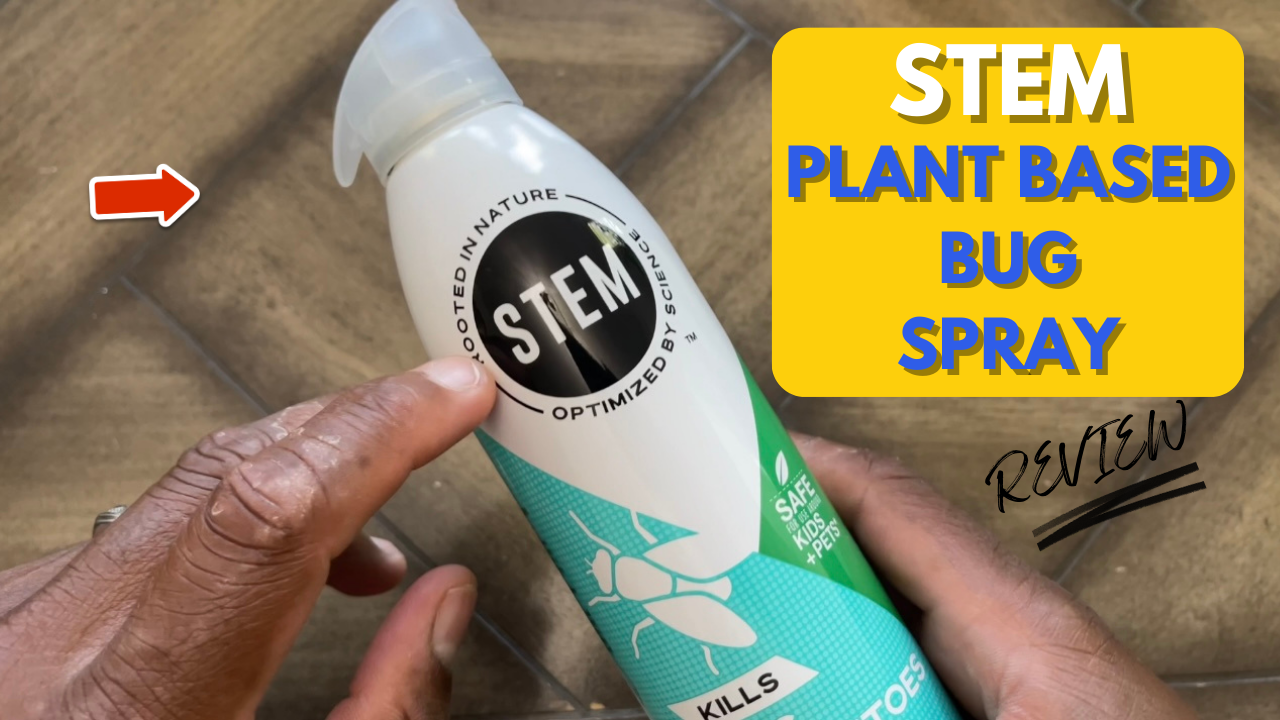
STEM bug killer spray does not have one universal protection time. The standard Kills Ants, Roaches, and Flies formula is designed to kill insects when sprayed directly. Its product instructions do not establish a general promise of 24-hour, seven-day, or 30-day residual insect control.
This means you should think of the product as a targeted insect killer rather than a permanent shield around your home. If an ant or roach is directly sprayed, the product can work against that insect. However, another insect that walks across a previously treated and dried surface should not be assumed to receive the same treatment.
The length of time that the liquid remains on a surface is also not the same as the length of time it remains effective against insects. A small amount of residue may remain until the area is cleaned, but that does not prove that the residue can kill new insects.
Source: towerlandscapedesign.com
Direct insect contact
The main purpose of standard STEM bug killer is to kill the insect that receives the spray.
After the spray dries
Do not rely on dried bug killer as a long-lasting insect control treatment unless the exact product label specifically supports that use.
Longer preventive protection
Some separate STEM products have preventive claims, including Bug Blocking Mist, which advertises up to 14 days of protection against certain insects.
Repeated insect activity
If new bugs keep appearing, you may need to address their entry points, food sources, nesting areas, or breeding sites.
Does STEM Kill Bugs Immediately?
STEM describes several of its insect killer sprays as contact-kill products. This means the spray must reach the insect rather than simply being present somewhere in the room. The exact time needed for an insect to die can vary with the insect species, the amount of product applied, and the formula.
A bug may stop moving quickly after direct exposure, but that does not mean every insect will die at precisely the same speed. Avoid assuming that an insect is dead just because it has stopped moving for a moment. Follow the product directions and avoid handling insects or wet spray with bare hands.
Direct spraying
Aim at the insect according to the distance and application instructions on the bottle.
Repeat treatment
If the insect remains active, follow the label directions rather than repeatedly soaking the surrounding area.
Why STEM Bug Killer Does Not Provide the Same Protection as a Residual Insecticide
The difference comes down to how the products are designed to work. A contact insecticide is intended to affect an insect when the spray reaches its body. A residual insecticide is formulated and labeled to keep working on a treated surface for a stated period under specified conditions.
The standard STEM Kills Ants, Roaches, and Flies product contains geraniol and lemongrass oil as active ingredients. The exact percentages can vary by product version. These botanical ingredients are part of the contact-kill formula, but their presence does not automatically mean that the product creates a lasting protective barrier.
For example, spraying an ant directly is different from spraying a baseboard and expecting every ant that crosses it several days later to die. The first use matches the direct-contact purpose. The second assumes a residual effect that should not be claimed without supporting product directions.
This distinction matters when choosing pest control for a home in the United States. If insects repeatedly enter through a gap under the door or around a window, direct spraying may address individual insects without solving the reason they keep appearing.
Source: storage.googleapis.com
Contact insect killer
Works by reaching the insect during application. It is useful for targeting visible pests.
Residual insecticide
Is intended to remain effective on an approved surface for a label-specified period. Its duration depends on the exact product and conditions.
Preventive barrier product
May help discourage certain pests from entering treated areas. Its claims must be checked against the specific product label.
What Do Geraniol and Lemongrass Oil Do?
Geraniol is a naturally occurring compound found in several plants. Lemongrass oil is another botanical ingredient used in some insect-control products. STEM combines these ingredients in certain formulas to create a spray intended to control listed insects.
However, plant-based does not mean harmless in every situation. Concentration, exposure, application method, and individual sensitivity all matter. These ingredients should be handled according to the same care and label-reading habits used with other household pest-control products.
Geraniol
An active botanical ingredient used in several STEM insect killer formulas.
Lemongrass oil
A plant-derived active ingredient included in certain STEM products.
Other ingredients
The formula may also contain mineral oil and other ingredients that help make up the spray.
How Long Do Different STEM Products Last?
The most useful way to answer this question is to separate STEM’s insect killer sprays from its preventive mist and mosquito repellents. They have different purposes and different application instructions.
The following table summarizes the important differences. These time periods describe manufacturer-stated product claims or directions, not independent performance measurements. Always check the exact bottle because formulas and instructions can change.
Source: amazon.com
STEM Kills Ants, Roaches, and Flies
A direct-contact insect killer. The standard product instructions do not establish a universal number of days of residual protection.
STEM Kills Flies, Mosquitoes, and Gnats
A targeted spray for listed flying insects. It is applied directly to landed insects, and the instructions do not promise a fixed long-term barrier.
STEM Indoor Bug Blocking Mist
Advertises preventive protection for up to 14 days against Pharaoh ants and American roaches when used as directed.
STEM Repels Mosquitoes
The official product FAQ says the repellent can be reapplied every 90 minutes or as needed. This is a different product category from household bug killer.
STEM Kills Ants, Roaches, and Flies
This product is designed for direct treatment of insects such as ants, roaches, and flies. The manufacturer instructs users to shake the bottle, hold it upright, and spray directly toward the target from approximately 12 inches away. The directions describe using two or three trigger pulls and repeating as necessary.
The product does not provide a general guarantee that one application will protect a room for a certain number of days. If new insects appear later, treat them according to the label and investigate where they are coming from.
Best use
Targeting visible ants, roaches, and other insects listed on the product.
Duration expectation
Do not count on a fixed residual protection period after the spray dries.
STEM Indoor Bug Blocking Mist
STEM Indoor Bug Blocking Mist is a separate product with a different purpose. Its manufacturer advertises that it helps block Pharaoh ants and American roaches for up to 14 days. It is a preventive product rather than simply another version of the direct-contact insect killer.
The phrase up to 14 days is important. It describes the maximum advertised preventive period for the listed insects under the product’s intended conditions. It does not mean that every STEM spray lasts 14 days, that it controls every pest, or that one application guarantees a pest-free home.
Advertised duration
Up to 14 days of preventive protection for Pharaoh ants and American roaches.
Product purpose
Helps prevent certain bugs from entering treated areas rather than serving as a universal insect killer.
STEM Mosquito Repellent
A mosquito repellent is designed to reduce mosquito contact with people, not to kill household insects on a surface. STEM’s official FAQ for its mosquito repellent says users can reapply it every 90 minutes or as needed.
Do not use the 90-minute instruction as the duration for every STEM product. Skin repellents, household insect killers, and indoor preventive mists serve different purposes and have different exposure rules.
Advertised reapplication guidance
Every 90 minutes or as needed for the referenced STEM mosquito repellent.
Important distinction
A skin repellent is not interchangeable with an indoor or outdoor household insect killer.
What Affects How Long STEM Bug Spray Remains Useful?
Several factors affect the practical usefulness of a bug spray. Even when a product is intended for direct contact, the result can vary depending on the insect, the application, and the place where it is used.
Understanding these factors helps prevent unnecessary spraying. It also explains why a product may seem effective in one room but less useful in another.
Source: iheartkroger.com
Type of insect
Different insects have different body structures, behaviors, and responses to insect-control ingredients.
Amount of direct exposure
A spray that reaches the insect may work differently from one that only touches a nearby surface.
Surface type
Wood, painted surfaces, plastic, and hard floors can react differently to liquid products.
Cleaning and moisture
Wiping, washing, or exposure to outdoor conditions can change or remove material left on a surface.
New pest activity
An untreated nest, breeding area, or entry point can continue producing insects after individual bugs have been killed.
Indoor Use Versus Outdoor Use
Indoor and outdoor applications face different conditions. Indoors, surfaces may stay dry and protected from rain. Outdoors, sunlight, wind, rain, and temperature changes can affect how long a sprayed area remains unchanged.
However, a dry indoor surface should not be treated as proof of lasting insect control. If the product is intended for direct contact, the main purpose remains killing the insects that receive the spray. Outdoor use should also follow the label’s approved locations and application instructions.
Indoor locations
Target listed insects in approved areas, such as suitable corners and other insect activity spots.
Outdoor locations
Follow the label for outdoor use and avoid applying the product where runoff or unwanted exposure may occur.
Does Cleaning Remove STEM Bug Spray?
Yes, cleaning can remove material left by a spray. In fact, STEM’s instructions for certain insect killer products recommend wiping or cleaning surfaces when they remain damp. Its product guidance also warns that excess liquid may make floors slippery.
This is another reason not to depend on a surface coating for continued pest control. Clean surfaces when the label calls for cleaning, and do not leave excess product on floors simply because you hope it will kill more insects later.
Wipe excess liquid
Use a cloth and the cleaning method specified by the product instructions.
Check the surface
Make sure a treated floor is no longer slippery before allowing normal foot traffic.
How to Use STEM Bug Spray for Effective Results
The best results come from using the right product for the insect and applying it according to the label. Spraying more liquid than necessary does not automatically provide longer protection. It can instead increase the risk of slippery floors, surface damage, and unwanted exposure.
Before starting, identify the exact STEM product and read its complete directions. Check the listed insects, approved application areas, precautions, and cleaning instructions.
Source: delivery.publix.com
Step 1: Identify the Insect
Look at the insect before choosing a spray. Ants, roaches, flies, gnats, and mosquitoes do not always require the same control method. A product that lists ants and roaches may not be suitable for every other pest.
If you cannot identify the insect, take a clear photograph or contact a qualified pest-control professional. Correct identification helps you avoid using the wrong product.
Ants
Look for trails, food sources, and entry gaps.
Roaches
Check dark areas, plumbing openings, cabinets, and other hiding places.
Flying insects
Wait for the insect to land if the label instructs you to spray directly.
Step 2: Prepare the Area
Remove exposed food, dishes, and food utensils from the application area. Do not spray surfaces where food is stored, prepared, or eaten unless the exact label specifically permits the intended use.
Keep children and pets away from the treatment area while applying the product. Protect plants and other items that the label says should not receive direct spray.
Clear the area
Remove food and cooking items from the intended spray location.
Protect people and pets
Prevent direct exposure and follow the label’s instructions for reentry.
Check the surface
Test an inconspicuous spot when the label warns about possible staining or damage.
Step 3: Apply the Spray Correctly
For the standard STEM Kills Ants, Roaches, and Flies product, the manufacturer instructs users to shake the bottle well and hold it upright about 12 inches from the target. Direct the spray toward the insect and use the number of trigger pulls specified on the product directions.
For some STEM flying-insect sprays, the instructions specify waiting for the insect to land and spraying it directly for approximately one second from about 18 inches away. These instructions vary by formula, so do not transfer directions from one bottle to another.
Use the correct distance
Follow the distance printed on the exact product label.
Aim at the insect
Do not spray randomly into the air when the product is intended for direct application.
Avoid excessive application
Use only the amount and method described in the directions.
Step 4: Clean and Check the Area
After application, check whether the surface is damp or slippery. Follow the label’s cleaning instructions and remove excess liquid where directed. Do not allow children or pets to walk across wet treated floors.
Once the area has been handled according to the directions, watch for further insect activity. If bugs continue to appear, look for a nest, food source, water source, or opening rather than repeatedly spraying the same spot.
Clean when directed
Remove excess product and any damp residue according to the label.
Monitor activity
Check whether new insects appear and identify their likely source.
Choose the next treatment
Use a suitable preventive or targeted control method if the problem continues.
Why Do Bugs Keep Coming Back After Using STEM?
If insects return after using STEM, it does not automatically mean the spray failed. A direct-contact product may kill the insects it reaches while leaving hidden insects, eggs, nests, and entry routes untouched.
For example, spraying one ant in a kitchen does not remove the colony that may be following a trail behind a cabinet. Similarly, killing one roach does not eliminate every roach hiding near a plumbing opening or appliance.
The best next step is to identify the source of the activity. A few changes around the home can reduce the need for repeated spraying.
Source: amazon.com
Remove food sources
Store food in sealed containers, clean crumbs, and avoid leaving dirty dishes overnight.
Fix water problems
Repair leaking faucets and pipes, and dry damp areas that attract pests.
Seal entry points
Close suitable gaps around doors, windows, pipes, and other openings.
Reduce clutter
Remove unnecessary cardboard, paper piles, and other places where insects may hide.
Use targeted control
Consider appropriate baits or other pest-control methods when a colony or hidden infestation is involved.
What If Ants Keep Returning?
Ants often follow chemical trails that guide other members of the colony toward food and water. Killing visible ants may reduce immediate activity, but the colony can continue sending workers through the same route.
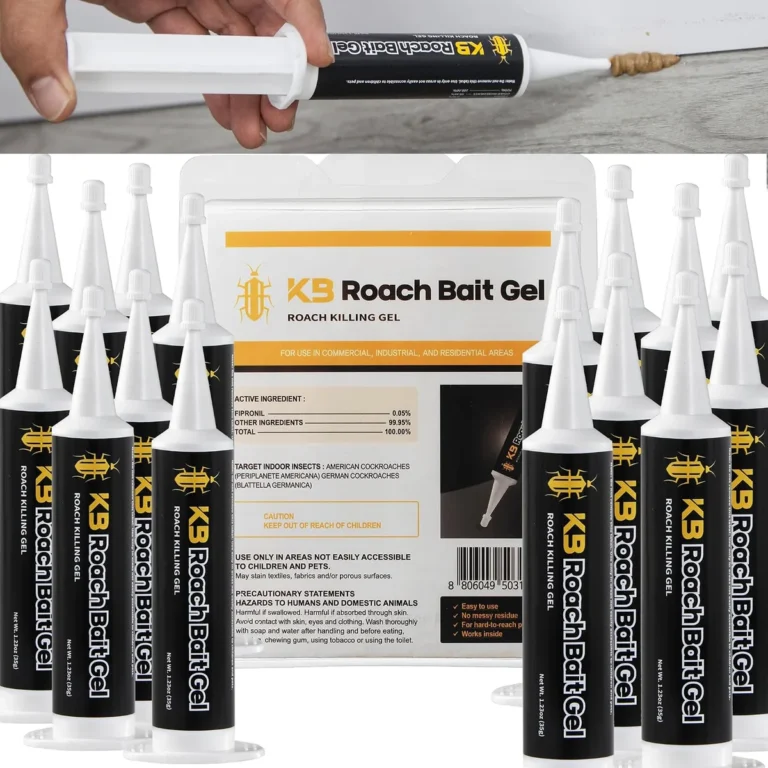
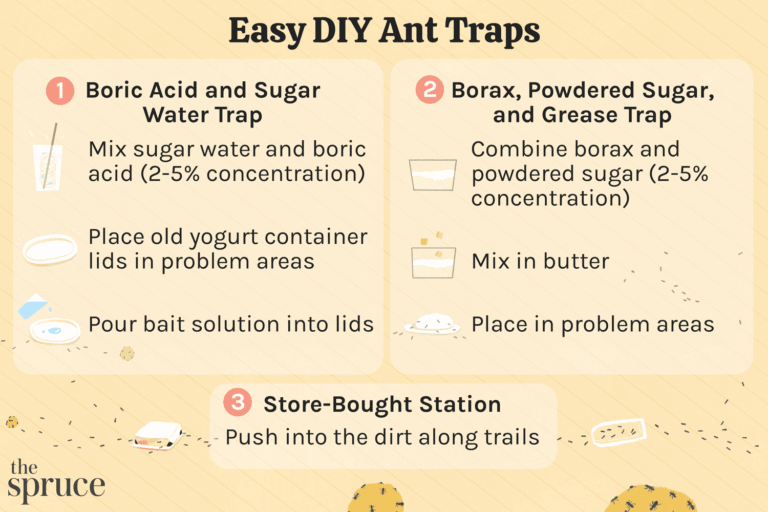
Clean food residues, store sweet foods securely, and find the entry point. For a persistent ant problem, a properly selected ant bait may be more useful than repeatedly spraying individual workers. Never apply bait and spray together unless their labels permit it, because some sprays can interfere with bait use.
Follow the trail
Look for the opening where ants enter the home.
Remove attractants
Clean spills and keep food sealed.
What If Roaches Keep Appearing?
Roaches can hide in narrow spaces around refrigerators, stoves, cabinets, and plumbing. A contact spray may kill a roach that you see, but it may not reach insects hidden inside these spaces.
For repeated activity, inspect the kitchen and bathroom for moisture, food debris, and hiding places. Sticky monitoring traps can help show where roaches are most active. A larger or persistent infestation may require an integrated pest management plan or professional treatment.
Inspect hiding areas
Check behind appliances and around plumbing.
Monitor movement
Use suitable monitoring traps to identify activity.
Is STEM Bug Spray Safe After It Dries?
A dried surface is generally different from a wet surface because the immediate risk of contact with liquid is reduced. However, dry does not mean that every possible exposure risk has disappeared. Follow the exact product label rather than relying on a general rule about drying time.
STEM products are marketed for use around people and pets when used as directed, but this wording does not mean that they can be sprayed directly on people, animals, food, or every household surface. The manufacturer provides specific warnings and application limits.
Some STEM insect killer labels warn that the product may irritate the eyes and skin. They also warn that prolonged or repeated skin contact may cause allergic reactions in some people. Wet product can make floors slippery, and certain formulas may stain or damage painted surfaces, wood, furniture, or plastic.
Source: iheartkroger.com
Is STEM Bug Spray Safe Around Dogs and Cats?
STEM states that certain household bug sprays are suitable for use around people and pets when used according to their directions. Still, you should not spray the product directly on a dog, cat, or other animal unless a product is specifically labeled for that use.
Keep pets away from wet treated surfaces and prevent them from licking sprayed areas. Birds and other sensitive pets also need careful protection from aerosol exposure. Follow the product’s instructions for keeping animals away and allowing treated surfaces to dry.
Never spray pets directly
Household insect killer is not a substitute for a veterinary-approved flea, tick, or insect treatment.
Protect pet food
Move food bowls, water bowls, and pet supplies away before application.
Avoid wet surfaces
Keep animals away until treated surfaces are thoroughly dry and safe to reenter according to the label.
Can You Use STEM Bug Spray in the Kitchen?
Some STEM products are suitable for indoor use, but that does not mean every kitchen surface is an approved application area. The manufacturer warns against applying certain formulas to surfaces where food is stored, prepared, or eaten.
Remove food, utensils, and dishes before treatment. Do not spray countertops, cutting boards, or food-contact surfaces unless the specific label clearly allows the application and provides the required cleaning steps.
Protect food
Keep exposed food and cooking utensils away from the spray.
Read surface directions
Check whether the product is approved for the intended location.
Clean when required
Follow the label’s instructions before using a surface for food preparation.
What Should You Do After Accidental Exposure?
If spray gets into the eyes, follow the product’s first-aid instructions. Some STEM labels direct users to flush the eyes with clean water for at least 15 minutes and contact a poison control center or doctor for treatment advice.
If the product is swallowed, contact a poison control center or doctor immediately and follow the label’s instructions. Do not induce vomiting unless a medical professional or poison control specialist tells you to do so. Keep the bottle or label available when seeking help.
In the United States, Poison Control can be reached at 1-800-222-1222. For severe symptoms, breathing difficulty, or an emergency, call 911.
Eye exposure
Flush with water according to the label and seek medical guidance.
Swallowing
Contact Poison Control or a medical professional immediately.
Severe reactions
Seek emergency medical assistance.
Common Mistakes That Can Reduce the Effectiveness of STEM Bug Spray
Using too much spray is not the same as getting better results. A careful application to the intended target is usually more useful than soaking an entire room or repeatedly coating the same surface.
Several common mistakes can also create unnecessary exposure or make a pest problem harder to solve.
Source: delivery.publix.com
Expecting permanent protection
A direct-contact bug killer should not be treated as a long-lasting barrier unless the exact label supports that claim.
Using the wrong STEM formula
A mosquito repellent, indoor preventive mist, and household insect killer have different purposes.
Spraying into the air unnecessarily
Some flying-insect products specifically instruct users to wait for insects to land and spray them directly.
Ignoring surface warnings
Some formulas can make floors slippery or damage certain finishes.
Spraying food-contact areas
Food, utensils, and preparation surfaces must be protected according to the product directions.
Ignoring the source of the infestation
Repeatedly killing visible insects does not necessarily eliminate a colony or breeding area.
Mixing pest-control products
Do not combine sprays, baits, or cleaning chemicals unless their labels specifically permit the combination.
Should You Spray STEM Every Day?
There is no universal recommendation to spray STEM every day. The correct application frequency depends on the exact product and its label. A direct-contact product may be used again when another target insect appears, but repeated treatment should still follow the stated directions and precautions.
If you find yourself spraying the same location daily, consider whether the pest has a hidden source. An entry gap, leaking pipe, food source, or nest may be the real problem. Fixing that issue can be more useful than increasing the amount of insecticide.
Follow the label
Do not create your own daily spraying schedule.
Find the cause
Investigate why new insects keep entering or appearing.
When Should You Choose Another Pest Control Method?
STEM bug killer can be useful when you need to target a visible insect. However, a contact spray is not always enough for an ongoing infestation. The right alternative depends on the insect and the reason it is appearing.
For example, ant bait may help address a colony, while cockroach monitoring and targeted baiting may be more suitable for recurring roach activity. Mosquito problems may require removing standing water, using suitable personal repellent, and addressing breeding areas.
A professional pest-control service may be useful when insects continue to appear despite proper sanitation and targeted treatment. This is especially important for large infestations, difficult-to-identify pests, or situations involving sensitive people and animals.
Ant colonies
Consider an appropriate labeled bait and remove food sources rather than relying only on direct spraying.
Recurring cockroaches
Use monitoring, sanitation, moisture control, and suitable targeted products.
Mosquito activity
Remove standing water and use a properly labeled personal repellent when outdoors.
Large infestations
Consider a licensed pest-control professional who can identify the source and recommend a suitable treatment plan.
How to Tell Whether Your STEM Bug Spray Is Still Suitable for Use
The amount of time a bottle has been sitting in your cabinet does not automatically tell you whether it is still suitable for use. Check the packaging for an expiration date or other manufacturer guidance, along with the product’s condition.
Store STEM spray in a cool, dry place away from heat, sparks, and open flames, as directed on the label. Aerosol products should not be exposed to high temperatures or punctured, even when they seem empty.
If the container is leaking, damaged, badly corroded, or appears unusual, do not use it. Contact the manufacturer for guidance about the product and disposal.
Check the container
Look for leaks, damage, corrosion, or other signs of deterioration.
Read the storage instructions
Keep the product away from heat and open flames.
Check product information
Follow any expiration or shelf-life guidance provided by the manufacturer.
Dispose of it properly
Follow the container’s disposal instructions and local waste rules. Do not pour unused insecticide into a drain.
Next-Question Gap Map: What Readers Should Know Before Reapplying
Several practical questions follow from the main issue of spray duration. The most useful distinction is whether a person needs to kill an insect, prevent insects from entering, or protect themselves from mosquito bites.
The following map identifies those related reader needs and the evidence needed to answer them. These are editorially inferred next needs, not verified search-volume or demand measurements.
How long does STEM last after drying?
Reader stage: After application. Basis: Inferred next need. Competitor coverage: Product descriptions focus on killing or preventive claims, while drying and residual duration require careful distinction. Benefit: Prevents readers from assuming dried residue provides guaranteed protection. Evidence: Exact product label and manufacturer instructions. Priority: High.
Does STEM Bug Blocking Mist last 14 days?
Reader stage: Product selection. Basis: Inferred next need. Competitor coverage: Manufacturer product information states up to 14 days for Pharaoh ants and American roaches. Benefit: Clarifies which STEM product has the preventive duration claim. Evidence: Official product description and label. Priority: High.
How often can STEM mosquito repellent be reapplied?
Reader stage: Outdoor use. Basis: Inferred next need. Competitor coverage: The official FAQ gives a 90-minute or as-needed reapplication instruction for the referenced mosquito repellent. Benefit: Prevents confusion between skin repellent and household insect killer. Evidence: Exact product FAQ and label. Priority: High.
Is STEM safe around pets after drying?
Reader stage: Household safety. Basis: Inferred next need. Competitor coverage: Product information includes use-around-people-and-pets claims with conditions. Benefit: Encourages readers to follow surface drying and exposure precautions. Evidence: Product-specific label. Priority: High.
Why do ants and roaches return after spraying?
Reader stage: Troubleshooting. Basis: Inferred next need. Competitor coverage: Product pages explain direct insect killing but do not fully address every possible source of recurring infestation. Benefit: Helps readers identify entry points, colonies, and sanitation problems. Evidence: Integrated pest management guidance. Priority: Medium.
Frequently Asked Questions
Q
How long does STEM bug spray last after it dries?
There is no universal residual protection period for standard STEM insect killer sprays after drying. These products are mainly designed to kill insects through direct contact. Do not assume that a dried surface will continue killing bugs for several days or weeks.
If you need a preventive treatment, check whether a separate product, such as STEM Indoor Bug Blocking Mist, is suitable for your pest problem.
Q
Does STEM bug spray kill bugs instantly?
STEM describes its insect killer sprays as contact-kill products, but the exact time required to kill an insect can vary. It depends on the insect, the formula, and how much spray reaches it.
Direct the spray at the target according to the label. Do not assume every insect will die at exactly the same speed.
Q
Does STEM Bug Blocking Mist really last 14 days?
STEM advertises its Indoor Bug Blocking Mist as providing preventive protection for up to 14 days against Pharaoh ants and American roaches when used as directed.
This claim applies to that specific product and those listed insects. It should not be applied to every STEM bug killer or mosquito repellent.
Q
How often should I reapply STEM mosquito repellent?
The official FAQ for STEM Repels Mosquitoes says the spray can be reapplied every 90 minutes or as needed. Always check the exact bottle for current directions and precautions.
This instruction applies to the referenced mosquito repellent, not to STEM household insect killer sprays.
Q
Can I spray STEM bug killer on my floors?
Check the exact product label before applying it to floors. Certain STEM formulas may make floors slippery and may stain or damage some surfaces, including wood, painted finishes, furniture, and plastic.
Where the label directs you to do so, wipe away excess liquid and clean the area with the recommended method. Keep people and pets away until the floor is thoroughly dry and safe to use.
Q
Does STEM bug spray keep ants from coming back?
Standard STEM ant killer can kill ants that receive direct spray, but it does not necessarily eliminate the colony or prevent new ants from entering.
Clean food spills, seal food containers, identify entry points, and consider an appropriate ant bait for persistent activity. Follow all product labels when combining pest-control methods.
Q
Can I use STEM bug spray every day?
Do not assume that daily application is necessary or appropriate. Follow the directions and application limits on the exact product label.
If bugs keep returning, investigate the source of the infestation instead of simply increasing the amount or frequency of spray.
Q
Is STEM bug spray safe for pets after it dries?
Some STEM household products are marketed for use around people and pets when used as directed. However, you should still follow the label’s instructions for drying, reentry, and avoiding contact.
Never spray household insect killer directly on pets. Prevent animals from licking treated surfaces, and contact a veterinarian if an animal may have been exposed or shows unusual symptoms.
Q
Does STEM bug spray work outside?
Several STEM insect killer products are labeled for indoor and outdoor use. However, outdoor conditions such as rain, sunlight, and wind can affect the application area.
Use the product only in approved outdoor locations and for insects listed on its label. Do not expect an outdoor contact spray to provide a permanent barrier against new insects.
Q
How long does the smell of STEM bug spray last?
The smell depends on the exact formula, the amount applied, and the ventilation in the area. A STEM consumer-care response published on a retailer’s product page says the smell of its referenced ant, roach, and fly spray usually fades within a few hours, although heavy application may make it last longer.
Ventilate the area when appropriate and clean surfaces according to the product directions. If the odor causes irritation or breathing discomfort, leave the area and seek appropriate medical guidance.
✦ Wrapping Up
Conclusion
So, how long does STEM bug spray last? The answer depends on which STEM product you are using. Standard STEM Kills Ants, Roaches, and Flies is primarily a direct-contact insect killer, so you should not expect it to provide a guaranteed long-term protective barrier after drying.
STEM Indoor Bug Blocking Mist is different. It advertises preventive protection for up to 14 days against Pharaoh ants and American roaches. Meanwhile, the referenced STEM mosquito repellent has a separate reapplication recommendation of every 90 minutes or as needed.
The most important step is to read the exact product label before spraying. Apply only where permitted, protect food and pets, clean excess liquid when directed, and address the source of recurring insects. A targeted application combined with good sanitation and pest prevention is more useful than repeatedly spraying the same area.
💡 Key Takeaway
Before using STEM again, check the product name and active ingredients on your bottle. If it is a standard contact-kill spray, use it to target listed insects rather than relying on dried residue for long-term protection. If you need preventive control, compare the directions and insect coverage of STEM Bug Blocking Mist or another appropriately labeled pest-control product.
You’ve probably been in this exact spot. It’s 11 p.m., you see a German cockroach skitter across the kitchen tile, and the only insecticide in your garage is a…